



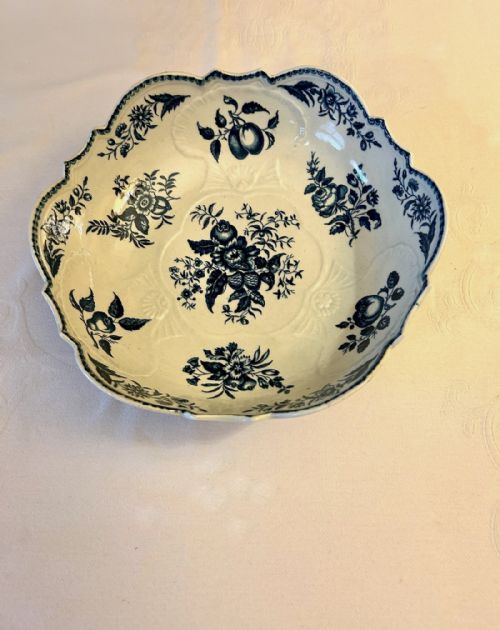


Antique Decorative Serving Bowl
An antique decorative serving bowl brings substance to a table, spanning centuries of porcelain, silver, and faience crafted for display and dining.
Antique Decorative Serving Bowl
When you search for an antique decorative serving bowl, you encounter a diverse gathering of vessels spanning the eighteenth, nineteenth, and early twentieth centuries. These pieces encompass porcelain punch bowls, earthenware dishes, and heavy sterling silver centrepieces originating from English, French, Asian, and Spanish workshops.
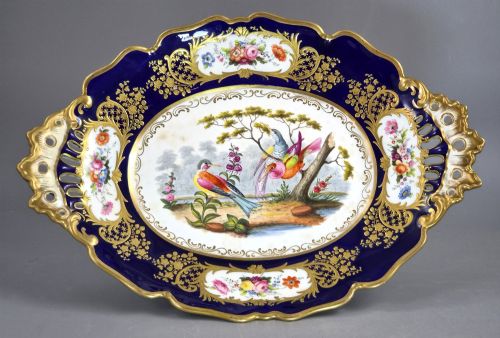
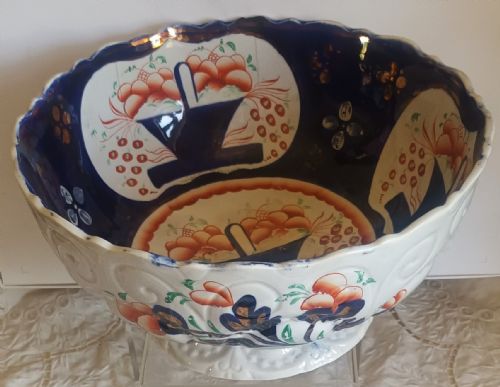
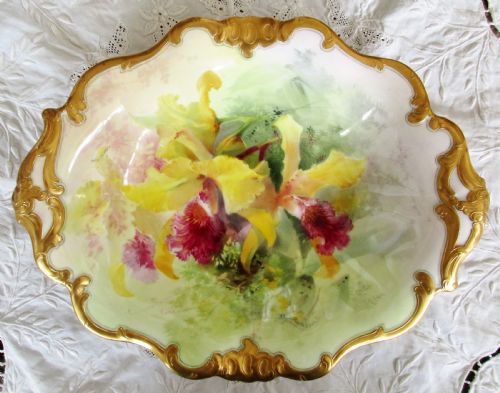
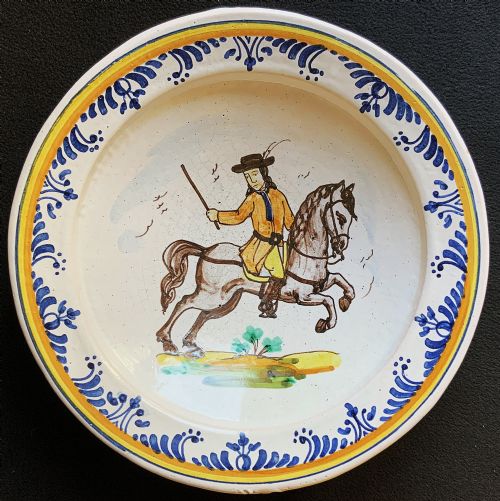
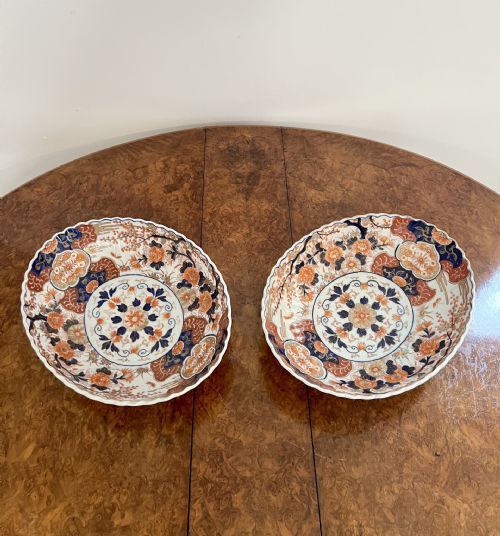
The version you are most likely to meet on this page is a nineteenth-century ceramic or porcelain bowl, often featuring hand-painted motifs, cobalt blue designs, or Japanese Imari palettes. Alongside these sit cut glass dishes, majolica faience, and heavy sterling silver pieces designed for formal dining and cabinet display.
Function merged with decoration across these periods, resulting in forms that served fruit, punch, fish, and salads while acting as centrepieces on dining tables and sideboards. Makers utilised traditional shapes such as scalloped edges, footed bases, oval platters, and boat-like contours to catch the light and frame the food.
How They Were Made
Potters and ceramists shaped these bowls using earthenware, stoneware, bone china, and porcelain pastes, often applying tin glazes or salt glazes before high-temperature firing. Decoration relied heavily on hand-painted cobalt blue, polychrome enamels, transfer printing, and rich gilding applied across English, European, and Asian kilns.
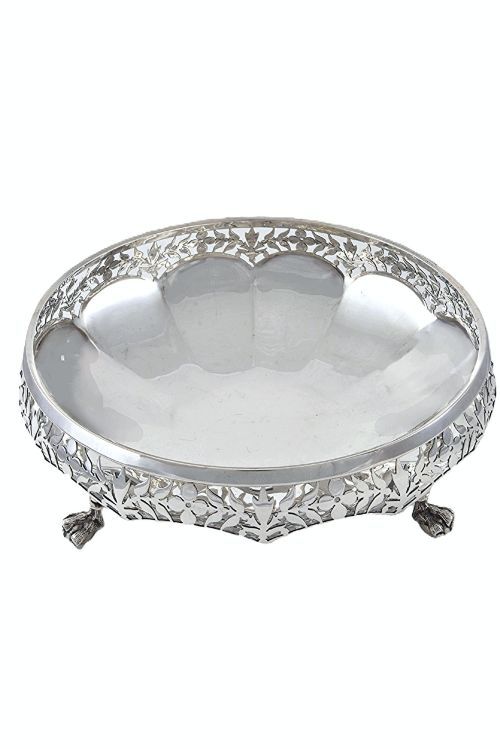
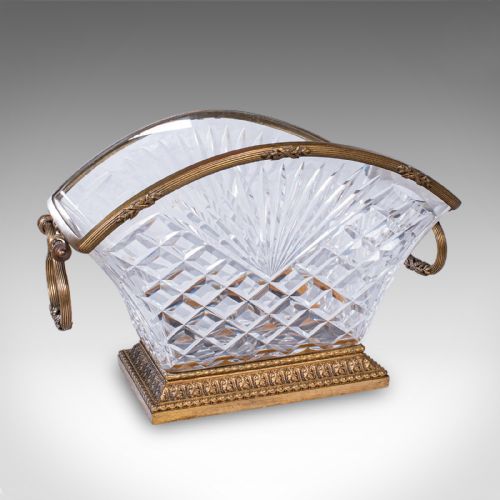
Metal smiths formed sterling silver, bronze, and ormolu mounts through casting, hammering, and detailed chasing, creating sturdy frames and handles for glass and ceramic inserts. Glassmakers utilised mould-blowing, cutting, and opalescent techniques to produce heavy decorative dishes and coupe plates with deep refractive qualities.
Materials range from porcelain and earthenware to sterling silver, ormolu, and Monart glass.
What Varies in Quality
The standard of painting and hand-finishing marks the division between standard production and exceptional studio work, seen in the crispness of brushwork on floral or figural motifs. Pieces bearing named artist signatures or attributed to prominent factories demonstrate superior control over glaze consistency and enamel vibrancy.
Weight and structural substance dictate quality in metal and glass vessels, where thick-walled cut glass and heavy gauge sterling silver retain sharper details and sounder integrity. The precision of firing in early ceramics determines whether the body warped or retained its intended geometric symmetry.
Coalport·Royal Doulton·Mann Co·Spode·Doulton Burslem·Doulton Lambeth·Masons Ironstone·Tiffany Co·Royal Worcester·Elkington Co·Gien·Louis Pierre Malpass·Rene Lalique
The Antique Decorative Serving Bowl Glossary
- Imari
- A style of Japanese porcelain featuring underglaze blue and vibrant iron-red and gold enamel overglaze motifs. These export wares heavily influenced European ceramic design throughout the eighteenth and nineteenth centuries.
- Faience
- Tin-glazed earthenware produced in France, Spain, and other European regions. This technique creates an opaque white surface suitable for hand-painted polychrome decoration.
- Comport
- A raised dish or bowl mounted on a pedestal, traditionally used for serving fruit or dessert. They feature prominently in nineteenth-century porcelain and ironstone table services.
- Junket dish
- A shallow bowl specifically designed for serving junket, a traditional curd dessert. These pieces often incorporate elaborate moulded patterns and scalloped edges.
- Famille rose
- A palette of Chinese porcelain enamels dominated by opaque pink or rose colours, introduced during the Qing dynasty. This style appeared frequently on eighteenth-century punch bowls exported to the West.
Antique Decorative Serving Bowl: Frequently Asked Questions
How were antique serving bowls used?
These vessels held punch, fruit, salads, and side dishes during formal meals and gatherings. Many functioned as permanent centrepieces on sideboards and dining tables when not in active service.
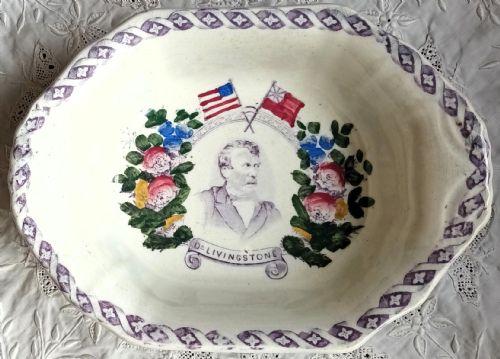
Larger porcelain and silver bowls also served as presentation pieces, commemorating historical figures, events, or maritime themes.
How do I identify Japanese Imari?
Japanese Imari porcelain displays a distinct palette combining underglaze cobalt blue with overglaze iron red and gold details. The designs typically feature floral arrangements, panels, and intricate brocade patterns.
These export pieces date largely from the Meiji period and earlier, showing dense decoration across scalloped or round surfaces.
What is the difference between earthenware and porcelain?
Earthenware is a porous, opaque pottery fired at lower temperatures, often finished with a tin or salt glaze. It underpins heavy decorative wares like faience and majolica.
Porcelain uses refined clay fired at high heat, producing a vitrified, non-porous body that rings when struck and sometimes shows translucency.
Can I use these antique bowls daily?
While structurally sound, antique bowls require careful hand washing rather than automated cleaning to protect historic glazes, enamels, and gilding. Sterling silver and glass need gentle maintenance to prevent tarnishing and scratching.
Displaying them on tables or cabinets allows you to appreciate their craftsmanship while minimising accidental impacts.
How do I date a nineteenth-century ceramic bowl?
Dating relies on maker marks, backstamps, registration numbers, and stylistic clues like transfer-printed patterns or revival aesthetics. Examining the base helps reveal the manufacturer and approximate production era.
Comparing the paste type, glaze characteristics, and painting style against known factory timelines narrows down the manufacture date.