



Scalloped Rim Bowl
A scalloped rim antique bowl brings tactile grace to a room, offering shaped edges and traditional materials that collectors prize.
Scalloped Rim Bowl
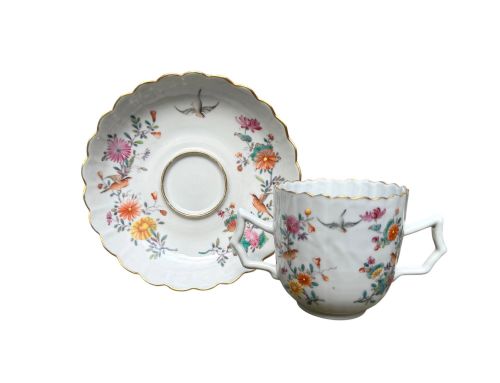
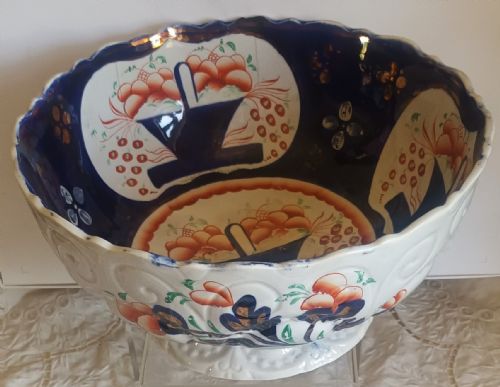
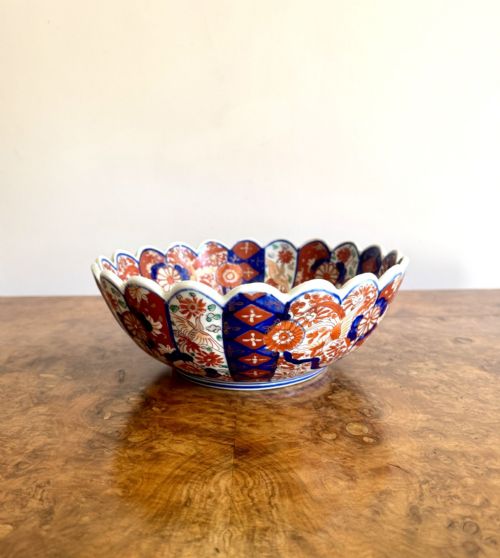
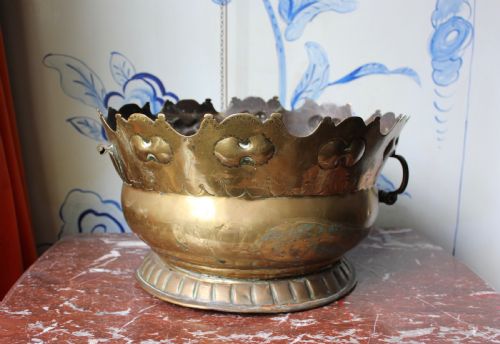
When you search for a scalloped rim antique bowl, you encounter vessel forms that span centuries and continents, reflecting diverse utilitarian and decorative uses. The selection includes ceramic and glass vessels, from Japanese imari pieces to Victorian earthenware.
Most examples originate in the eighteenth and nineteenth centuries, taking the form of footed pottery bowls, dishes, and decorative vessels. Makers fashioned these pieces to serve both functional roles on the dining table and purely decorative purposes in the parlour.
The defining characteristic remains the shaped, undulating edge, which distinguishes these vessels from standard round or straight-sided items. You are likely to meet porcelain, earthenware, and glass variations across the periods represented.
How they were made
Potters and glassmakers utilised traditional methods such as hand-forming earthenware, shaping porcelain, and blowing flint or lead glass. Artisans often applied enamel, gold leaf, and copper lustre to enrich the surface texture and visual depth.
Engraving and gilding techniques appeared frequently on nineteenth-century glass vessels, while ceramic pieces received detailed hand-painted glazes in workshops and factories.
The shaping of the distinctive rim required precise manual dexterity while the material was still pliable, whether cut into glass or moulded in clay.
The site's inventory includes styles from the Victorian, Georgian, Qing Dynasty, Japanese Imari, Regency, and Meiji periods.
What varies in quality
Quality rests in the crispness of the shaped edge and the finesse of the surface decoration, distinguishing masterwork production from standard domestic wares. Hand-painted enamels and gold leaf application show varying degrees of precision and hand control by the artisan.
The choice of base material, from fine porcelain to heavy lead glass or earthenware, alters the weight and resonance of the piece. Superior examples maintain balance in their proportions, ensuring the rim design complements the overall body of the vessel.
Doulton Burslem·Chamberlain Worcester·Tiffany and Co
The Scalloped Rim Bowl Glossary
- Scalloped edge
- A decorative border formed of a series of curves resembling the edge of a scallop shell.
- Imari
- A style of Japanese porcelain featuring a characteristic palette of underglaze blue, iron red, and gold.
- Copper lustre
- A pottery glaze incorporating metallic copper to produce a reflective, iridescent sheen.
- Sweetmeat glass
- An eighteenth-century English glass vessel designed for serving small sugary confections or dried fruits.
- Gilding
- The application of gold leaf or powdered gold to the surface of glass, ceramic, or metal.
Scalloped Rim Bowl: Frequently Asked Questions
What periods do these bowls come from?
The listed items span the eighteenth and nineteenth centuries, including specific dates from the seventeen-forties up to nineteen-hundred.
Victorian pieces sit alongside earlier Georgian examples and later Japanese imari wares, showing varied manufacturing traditions.
How were these bowls originally used?
Many served functional roles on dining tables for food, sweetmeats, or wine cooling, while others functioned as decorative planters and jardiniers.
Smaller vessels held domestic items or dry foods, reflecting the varied social rituals of the Georgian and Victorian eras.
How do I identify glass versus ceramic pieces?
Glass pieces utilise flint glass or lead glass, sometimes featuring engraved and gilded decoration, allowing light to pass through the material.
Ceramic vessels rely on earthenware or porcelain bodies, finished with opaque glazes, enamel paints, or metallic lustre.
How should I care for an antique bowl?
Keep delicate items away from direct sunlight and extreme temperature shifts to protect fragile enamels, gold leaf, and glazes.
Wash surfaces gently by hand using mild agents when necessary, avoiding abrasive cleaning tools that damage historic finishes.