

Victorian Hand Painted Earthenware
These nineteenth-century pieces of victorian hand painted earthenware combine practical domestic forms with rich brushwork.
Victorian Hand Painted Earthenware
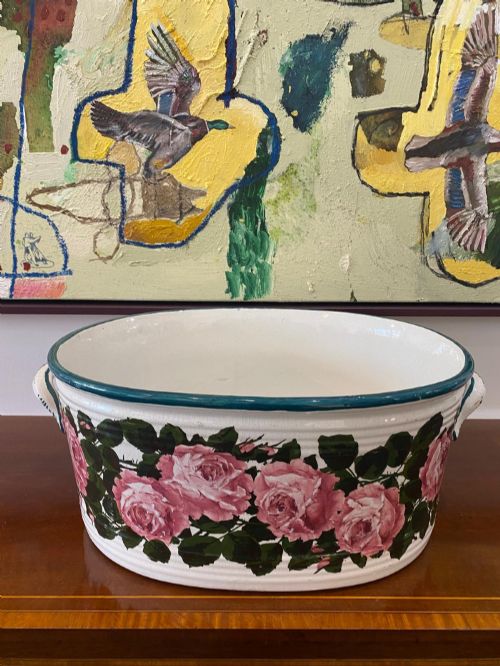
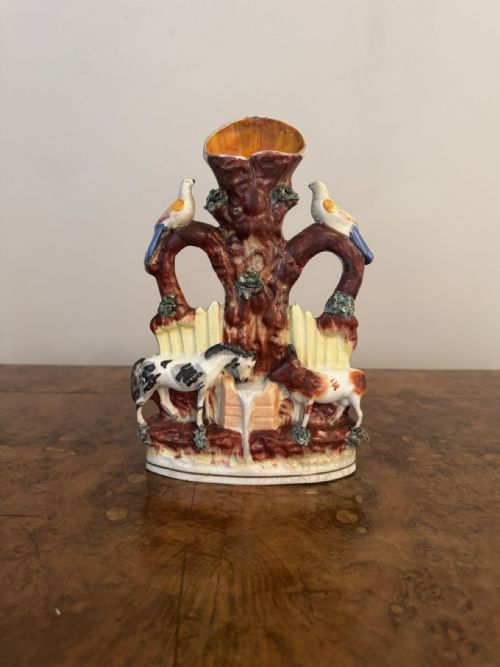
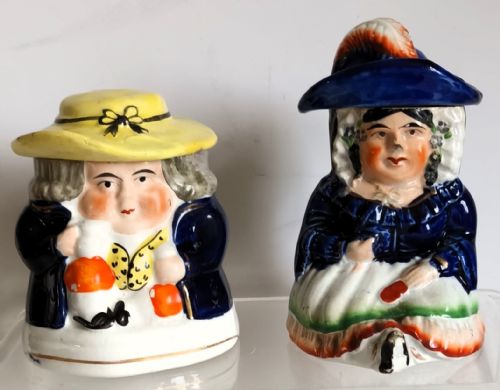
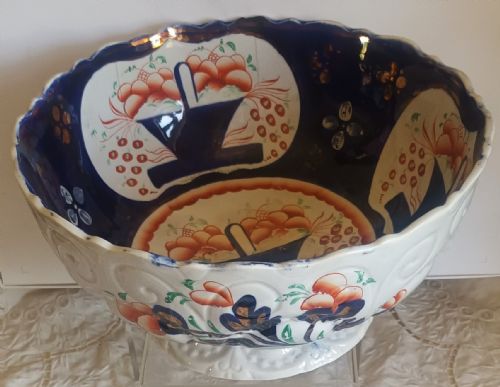
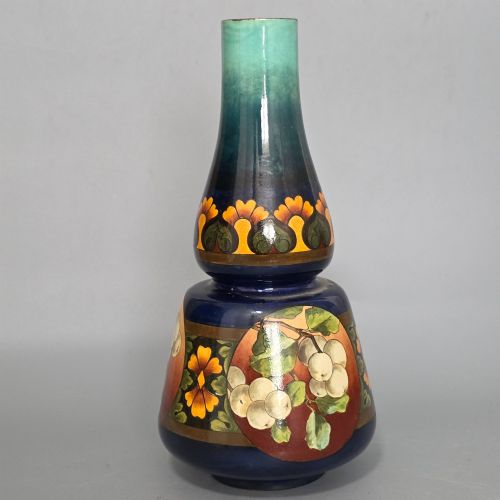
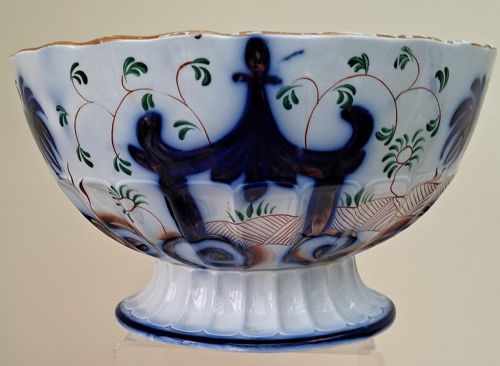
Buyers exploring this category encounter a broad mix of utilitarian and decorative objects shaped from clay during the nineteenth century. The selection leans heavily toward patterned jugs, figural groups, and decorative bowls originating from Staffordshire potteries and Scottish kilns.
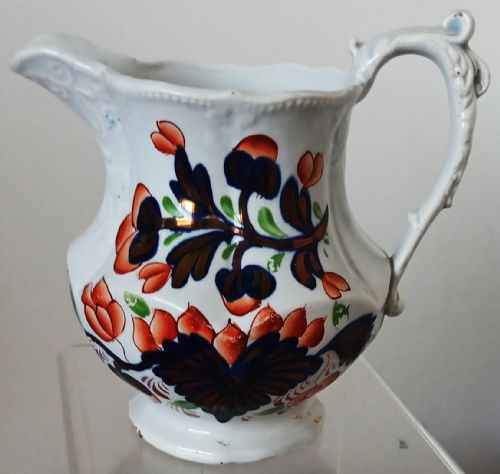
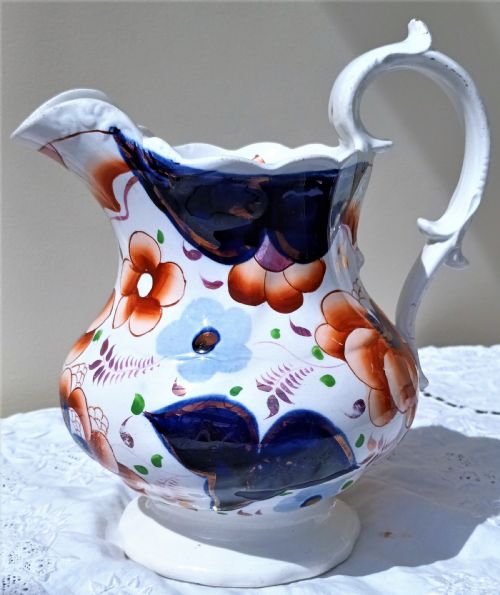
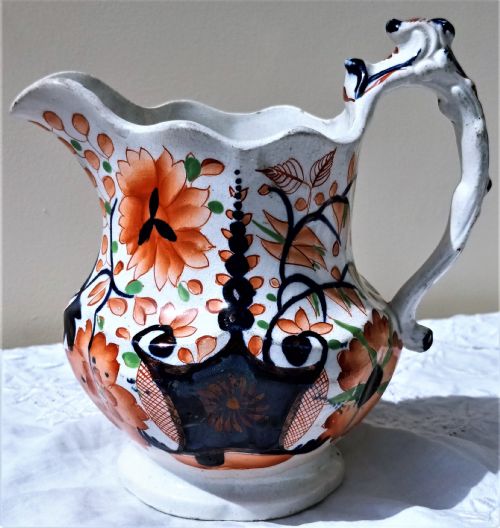
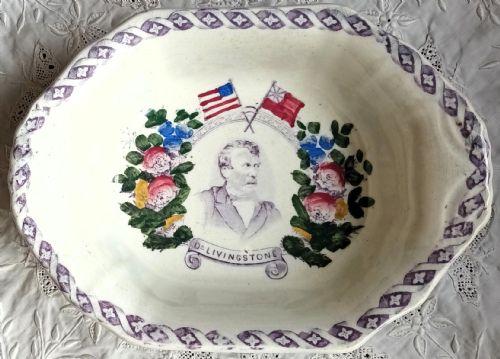
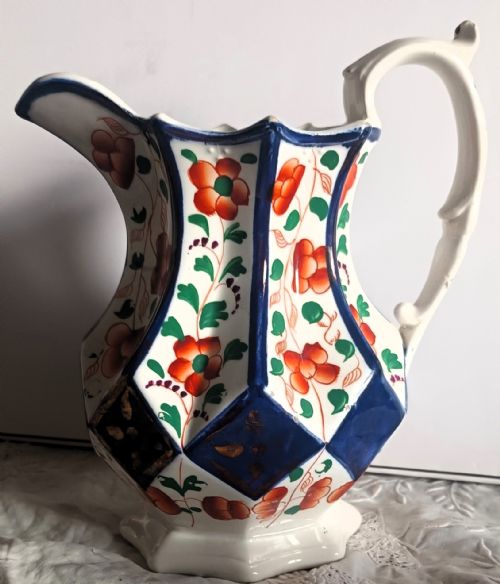
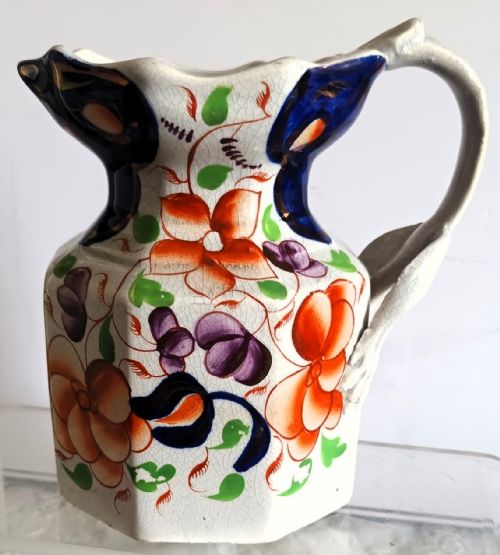
Vessels decorated with specific regional patterns, such as Gaudy Welsh jugs and basins, appear frequently alongside portrait figures and commemorative dishes. These domestic items reflect the tastes of nineteenth-century households through varied stylistic revivals and colourful painted surfaces.
Makers ranged from large commercial potteries producing matching wash sets to smaller workshops turning out individual decorative plaques and cabinet vases. The surviving examples demonstrate how everyday ceramic forms absorbed artistic movements from the Renaissance Revival to the Aesthetic style.
Materials and production methods
Potters shaped these objects using local clays and earthenware bodies, which were then fired to create a porous ceramic base suitable for holding liquid glazes. Pigments and enamels were applied by hand directly onto the biscuit or glazed surface before a final kiln firing fixed the colours.
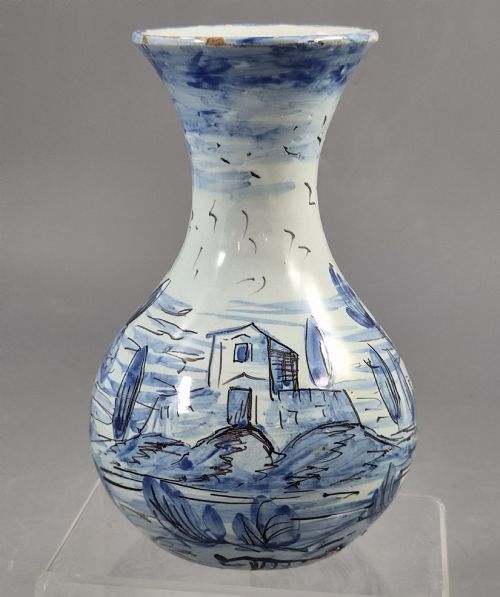
Specialised techniques included the application of copper lustre finishes to catch the light, alongside cobalt blue painting under the glaze for crisp contrast. Many pieces incorporated raised moulded details beneath the paint to give depth to the figures, foliage, and architectural motifs.
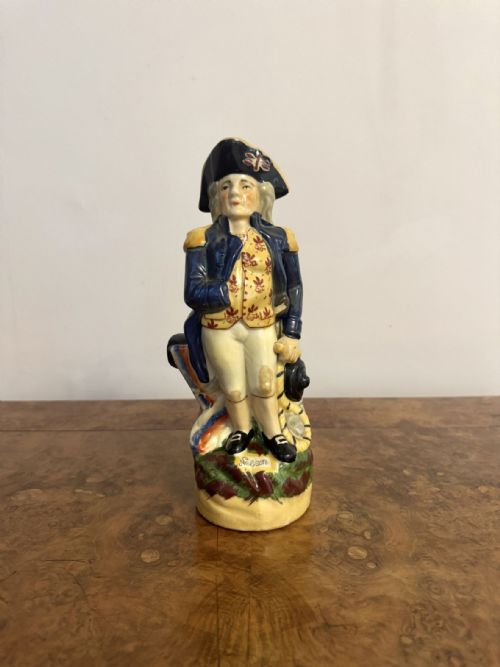
Collectors can acquire a pottery figure of the Victorian preacher Mr Sankey alongside an array of Staffordshire dogs.
Distinctions in quality
Quality rests primarily on the confidence and precision of the brushwork applied to the ceramic body, separating hastily decorated utility wares from carefully detailed cabinet pieces. Pieces with crisp, hand-applied enamel work display a level of artistic engagement that elevates standard production items.
The clarity of the moulding beneath the glaze dictates how well the painted decoration reads, with sharper relief work providing better contours for the brush. Balance in the proportions of figural groups and harmony in the colour palette distinguish the most successful Victorian output.
Wemyss·Cantagalli·Royal Bonn·Doulton Lambeth·Mann Co
The Victorian Hand Painted Earthenware Glossary
- Earthenware
- Porous pottery fired at lower temperatures than porcelain, requiring a vitreous glaze to hold liquids. It forms the structural body for the vast majority of nineteenth-century domestic ceramics.
- Enamel
- Opaque glass-like paint fused to the ceramic surface during a secondary low-temperature kiln firing. It provides the bright, durable colours seen on patterned jugs and figures.
- Copper Lustre
- A metallic glaze finish containing copper that yields an iridescent, reflective copper-coloured sheen when fired in a reduced oxygen atmosphere. It was widely used on nineteenth-century tablewares to catch the light.
- Flatback
- A Staffordshire figure modelled with a finished front and a flat, unadorned reverse meant to stand against a wall on a mantelpiece.
- Maiolica
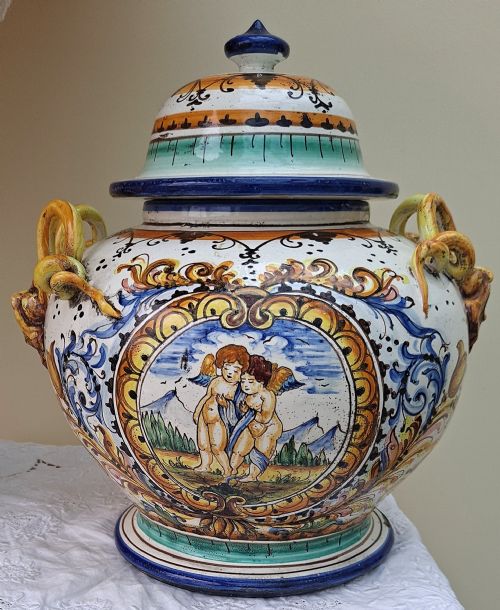
- Tin-glazed earthenware decorated with painted colours over an opaque white glaze, often mimicking Italian Renaissance styles during the nineteenth-century revival periods.
Victorian Hand Painted Earthenware: Frequently Asked Questions
What is victorian hand painted earthenware?
These items comprise nineteenth-century ceramic objects fashioned from clay and decorated by hand with mineral paints, enamels, and glazes.
They encompass everything from utilitarian jugs and basins to decorative portrait figures and commemorative wall plaques produced in British potteries.
How were these ceramic pieces used?
Households utilised many of these items for daily domestic routines, including washing, serving liquids, and storing food in the kitchen.
Other examples served purely ornamental roles on mantelpieces, sideboards, and drawing-room tables as expressions of contemporary taste.
How do I care for antique earthenware?
These porous ceramic objects require gentle handling and should be cleaned only with a dry cloth or a very slightly dampened sponge without harsh detergents.
Keeping them away from direct moisture protects the historic earthenware body and preserves the delicate surface enamels from fading.
How can I tell the periods apart?
Stylistic shifts offer the clearest guide, moving from early nineteenth-century domestic patterns toward heavier historicist revivals and Arts and Crafts designs by the end of the century.
Changes in palette, mark styles, and the specific moulding techniques of individual potteries help narrow down the decade of manufacture.