




Antique Foot Bench
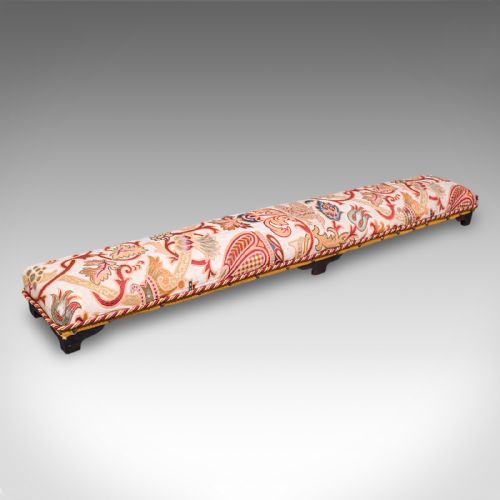
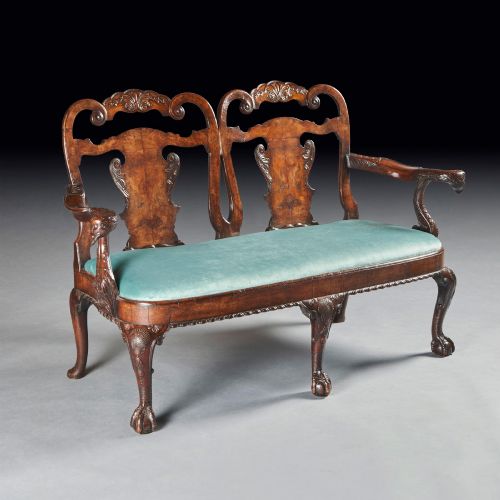
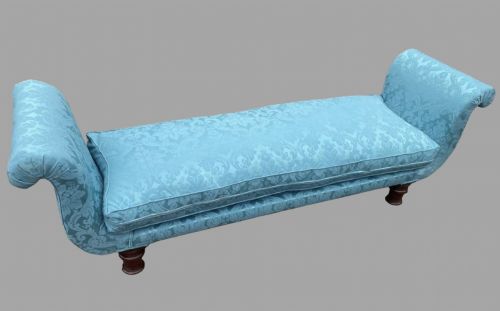
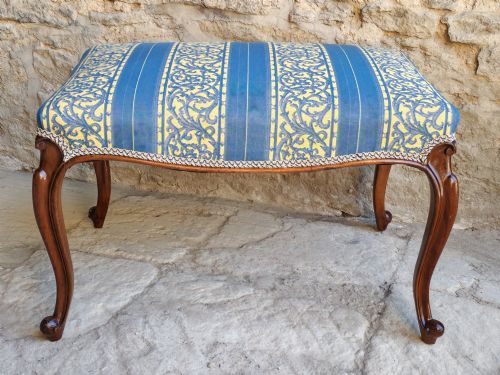
An antique foot bench is a compact seating piece designed for comfort, and you will find everything from simple oak frames to giltwood designs here.
Antique Foot Bench
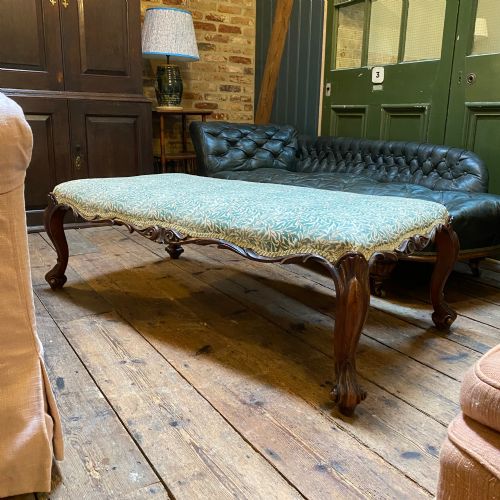
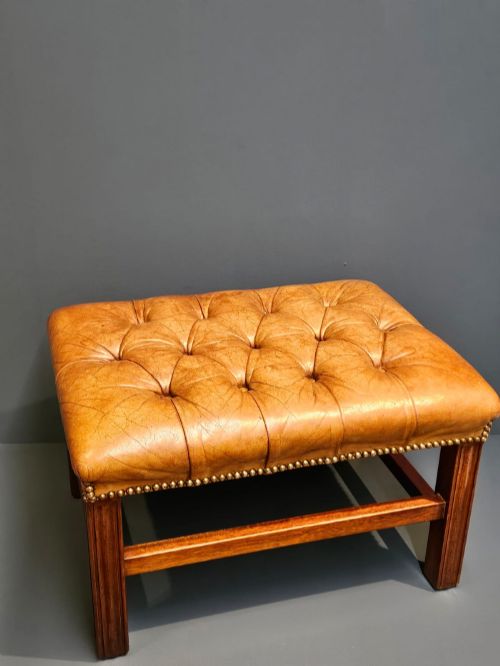
When you search for an antique foot bench, you encounter a range of low seating forms designed to support the feet or provide low perches. The inventory spans from the eighteenth century through the Victorian era and into the nineteen thirties, encompassing styles such as Chippendale, Queen Anne and George II.
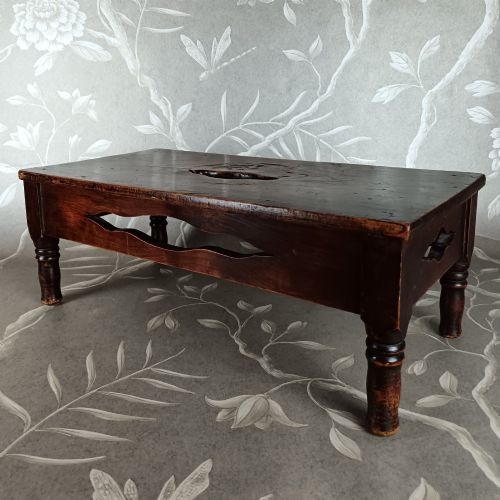
Stools, footstools and ottomans dominate the selection, often appearing alongside larger related forms like settees and benches. These pieces originate from diverse workshops and countries, showing functional variety from simple domestic foot rests to elaborately carved window seats.
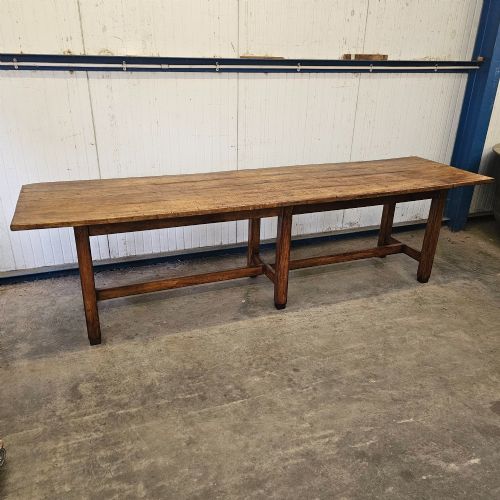
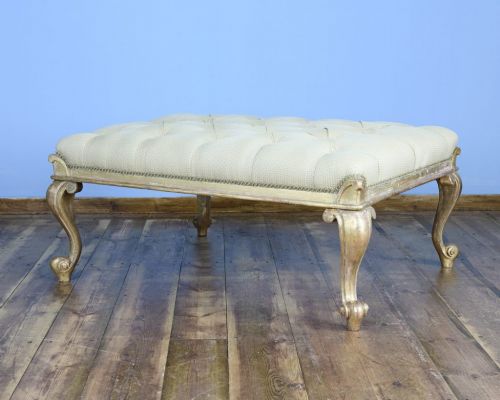
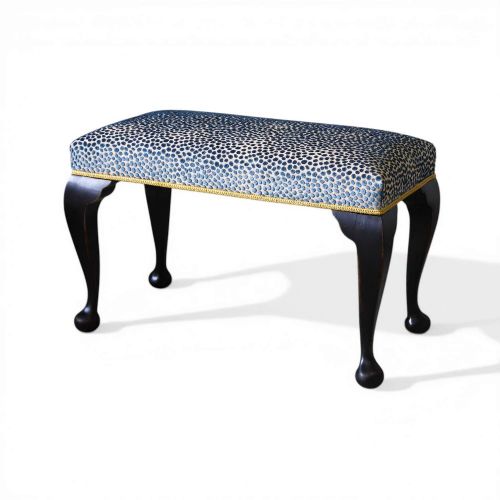
Mahogany, walnut and oak form the primary timber structures, frequently paired with varied upholstery including textile, leather and crewelwork. Buyers meet everything from unpretentious pine box forms to parcel gilt and X-framed curule designs.
How they were made
Cabinet makers utilised dense hardwoods such as mahogany, walnut and oak to construct sturdy frames with traditional joinery. Carved details on cabriole legs or X-frames demonstrate the dexterity of period artisans working in styles from Gothic to classical revival.
Upholstery techniques applied webbing, stuffing and durable outer coverings of fabric, leather or tapestry directly to the wooden foundations. Finishing touches involved applied giltwood, ebonising or polished wood surfaces to highlight the natural grain.
Antique Foot Bench Retail Price Guide 2026
Typical asking prices for foot bench among the pieces listed under this phrase on Sellingantiques today, from the lower quarter to the upper quarter. They describe what is for sale here now, not the wider market.
What varies in quality
The refinement of the carved woodwork dictates the initial visual appeal, distinguishing standard utilitarian items from master-carved seating. Crisp lines on cabriole legs and well-defined motifs show superior workshop execution.
The choice and preservation of materials matter greatly, with high-grade timbers and period-appropriate upholstery fabrics maintaining their integrity better over centuries. Original hardware, structural soundness and untouched wooden surfaces elevate individual pieces.
Miles and Edwards·Gillows of Lancaster
The Antique Foot Bench Glossary
- Cabriole leg
- A furniture leg that curves outward at the knee and tapers inward toward the ankle, often ending in a pad or claw foot. This form draws inspiration from animal limbs and appears frequently on eighteenth-century seating.
- Curule
- An ancient Roman shape featuring intersecting curved legs forming an X-frame. Such stools often fold or give a classical architectural presence to an interior.
- Giltwood
- Timber coated with a thin layer of gold leaf or gesso preparation. It provides a bright, reflective surface seen on more formal European seating.
- Crewelwork
- Embroidery executed with wool yarn on a plain-weave fabric foundation. This technique produces textured, traditional floral or vine patterns on historical upholstery.
- X-frame
- A structural base formed by crossed diagonal members supporting the seat. This configuration offers both stability and a decorative architectural silhouette.
Antique Foot Bench: Frequently Asked Questions
What is an antique foot bench used for?
These low seats served multiple purposes in historic interiors, primarily functioning as rests for tired feet near a fireside or in front of a larger sofa. They also provided extra portable seating when rooms filled with guests.
Smaller box variants additionally stored household items while keeping feet elevated away from drafty floors.
How do I date an antique foot bench?
Dating relies on observing the prevailing style, timber choices and secondary woods used within the frame construction. Details such as cabriole leg shapes or Gothic tracery point toward specific decades like the Georgian or Victorian eras.
Hardware markings and upholstery tack styles offer further clues to the original production period.
Are these benches comfortable for daily use?
Many historic benches offer firm support due to traditional stuffing materials and sturdy hardwood frames. Their lower heights make them well-suited for pairing with modern armchairs or low seating.
Reupholstered examples often combine historical frames with contemporary padding comfort.
Where should I place a foot bench at home?
These compact pieces fit easily in living rooms before a fireplace, at the foot of a bed, or beneath a hallway window seat. Their modest footprint allows them to tuck away neatly when not in active use.
Longer variations work effectively as narrow coffee table alternatives or low entry benches.