


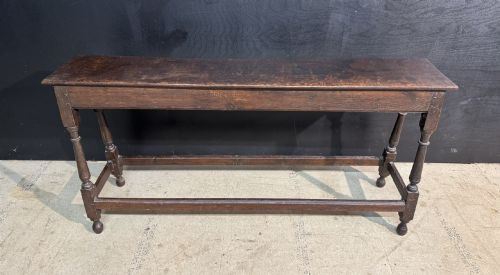
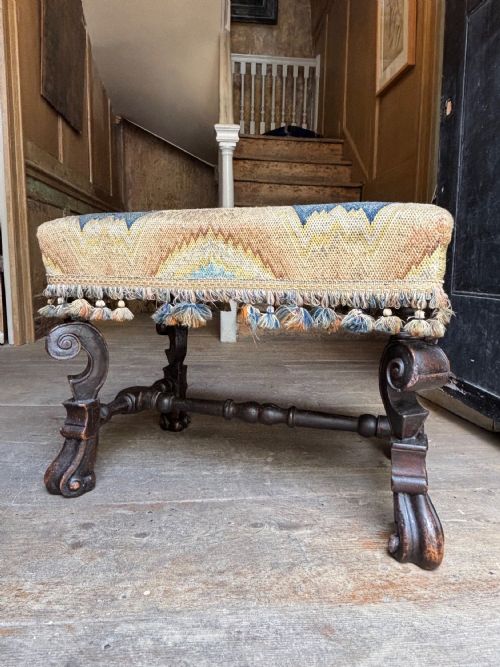


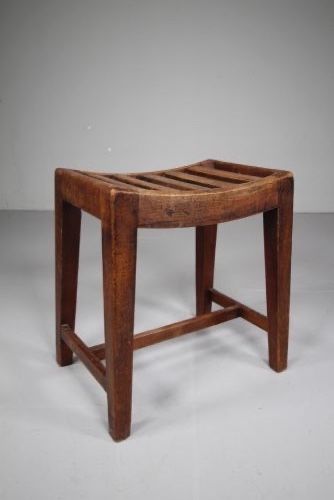


Antique English Bench Stool
An antique English bench stool offers sturdy low seating, combining period joinery with practical everyday utility.
Antique English Bench Stool
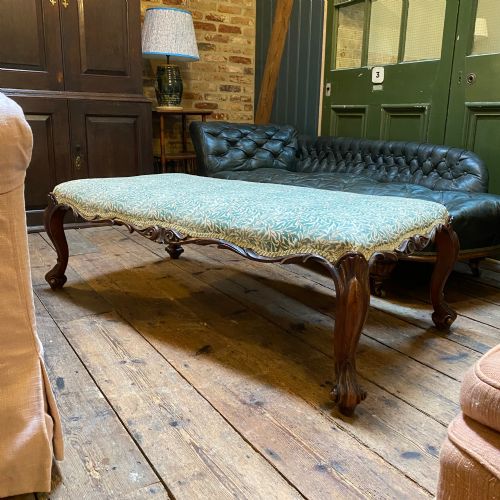
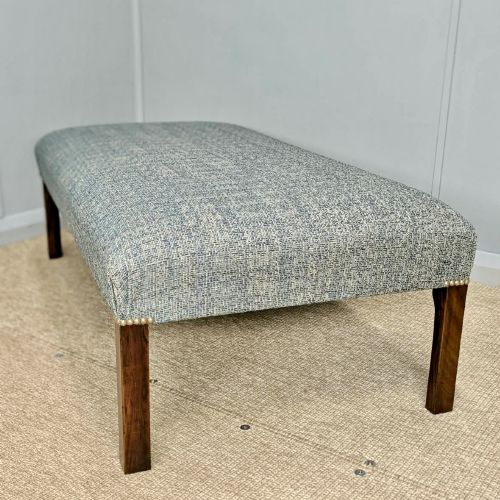
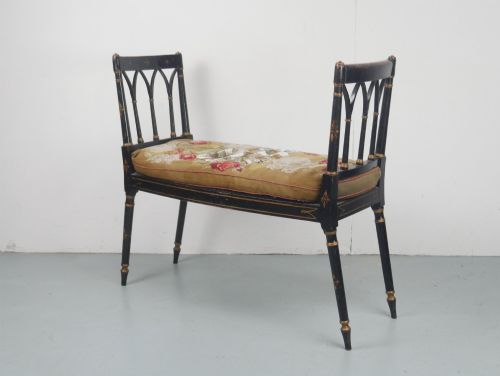
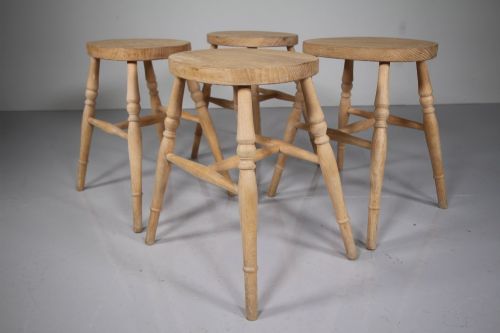
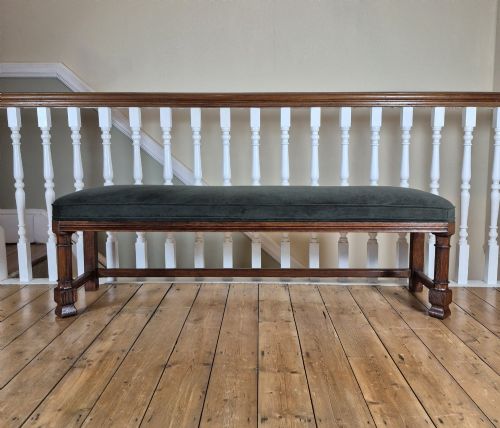
An antique English bench stool bridges the gap between low seating and supportive footrests, encompassing forms from simple joint stools to long window seats and upholstered benches.
Makers produced these pieces across centuries in oak, mahogany, walnut and yewtree, employing styles that range from austere 17th century plank construction to ornate Victorian and Edwardian frames.
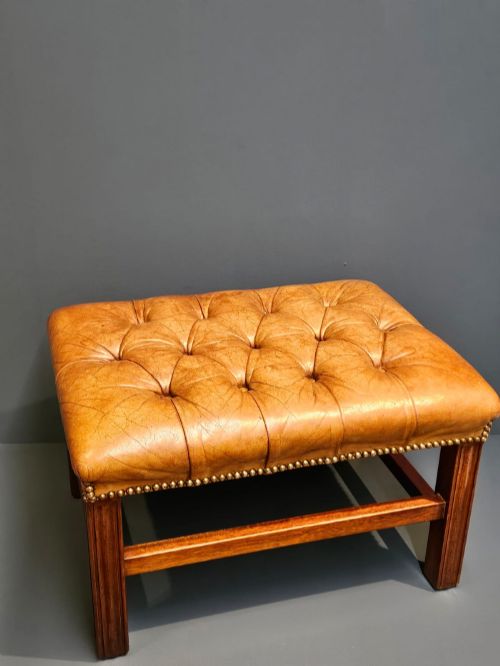
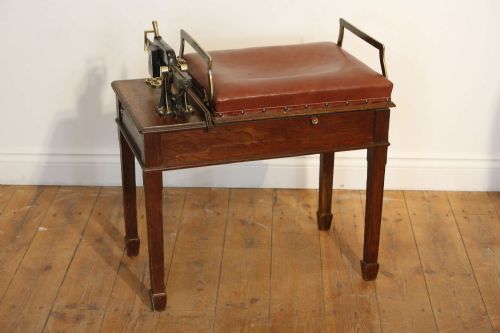
Buyers encountering this group will frequently find oak joint stools alongside leather-topped dressing table stools, carriage stools and upholstered window seats.
Materials and construction methods
Joiners relied on solid hardwoods like oak, walnut and mahogany, often utilising pegged construction for joint stools and sturdy timber frames for longer benches.
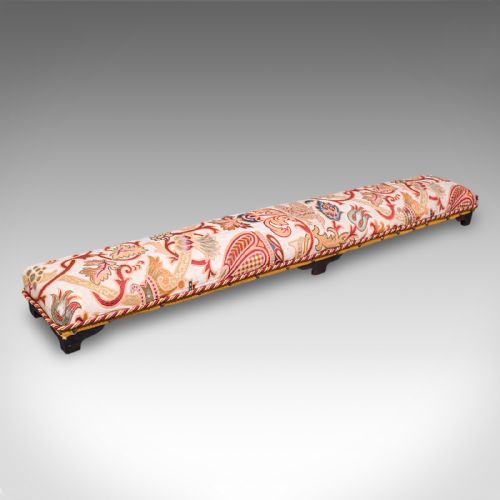
Upholstery techniques incorporated leather, fabric, tapestry, crewelwork and tweed, secured over padded foundations for fireside and dressing room use.
Metal elements such as brass castors appeared on later Victorian and Edwardian examples to aid mobility, while decorative details included carved ball and claw feet.
Antique English Bench Stool Retail Price Guide 2026
Typical asking prices for english bench stool among the pieces listed under this phrase on Sellingantiques today, from the lower quarter to the upper quarter. They describe what is for sale here now, not the wider market.
Judging quality and proportion
Quality rests upon the integrity of the timber framework and the fidelity of the period style, whether executed in austere 17th century oak or refined Georgian mahogany.
Proportion and restraint separate robust country pieces from more elaborate revival designs, where carved baroque details or turned elements should complement rather than overwhelm the structure.
W & T Avery·Liberty·James Shoolbred
The Antique English Bench Stool Glossary
- Joint stool
- A sturdy wooden stool constructed with mortise and tenon joints, common in the 17th century.
- Window seat
- An elongated stool designed to sit within a window recess, often featuring upholstered seating.
- Carriage stool
- A long, low footrest historically used in transport or by the fireside.
- Pegged construction
- A traditional method of securing joints using wooden pegs rather than metal fasteners.
- Crewelwork
- Embroidery executed with wool yarn on a plain-woven fabric foundation.
Antique English Bench Stool: Frequently Asked Questions
What is an antique English bench stool?
An antique English bench stool is a low wooden or upholstered seat designed for domestic utility, ranging from early oak joint stools to later mahogany dressing seats.
These pieces served various household functions, including fireside rests, window seating and piano benches.
How were these stools used historically?
Households utilised these versatile low seats across different rooms, placing joint stools by tables and longer carriage stools near firesides.
Upholstered versions provided comfort in bedrooms and dressing rooms, while window seats offered tailored seating for alcoves.
How do I identify a 17th century joint stool?
Seventeenth century joint stools feature heavy oak construction with pegged joints, straight turned legs and simple rectangular tops.
They display the darker patination and tool marks characteristic of early vernacular furniture making.
What materials are common in these stools?
Timbers span oak, walnut, mahogany, yewtree and general hardwood, chosen for structural strength and grain pattern.
Upholstery materials include leather, tweed, fabric, tapestry and crewelwork, often paired with brass castors or brass details.