




Ottoman Coffee Table
An ottoman coffee table brings low, grounded utility and rich texture to a room, bridging the gap between comfortable seating and a solid surface.
Ottoman Coffee Table
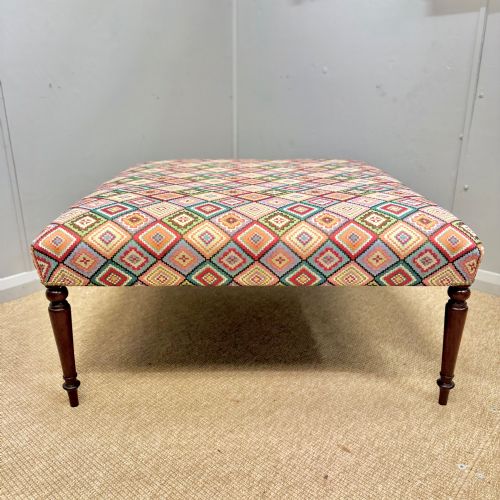
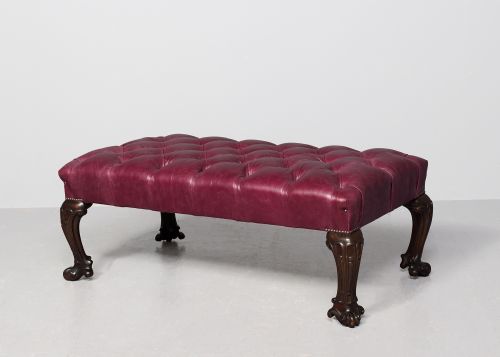
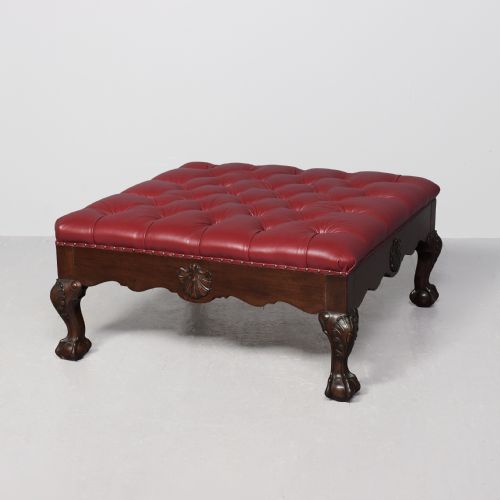
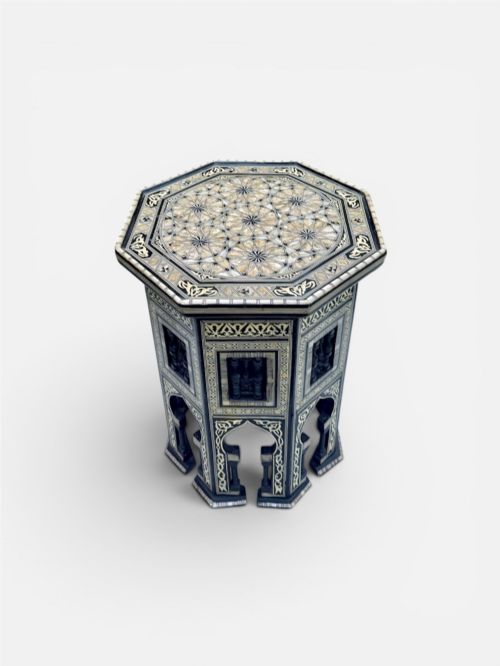
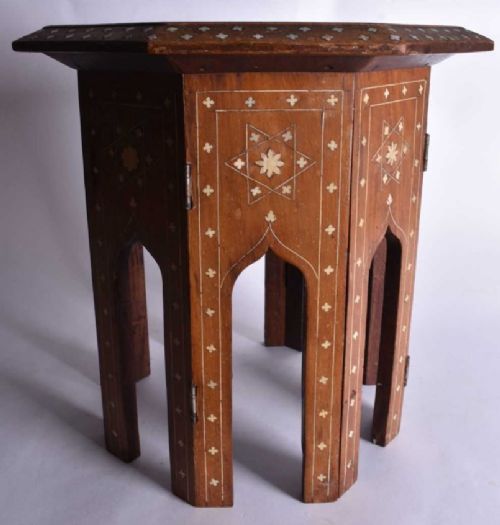
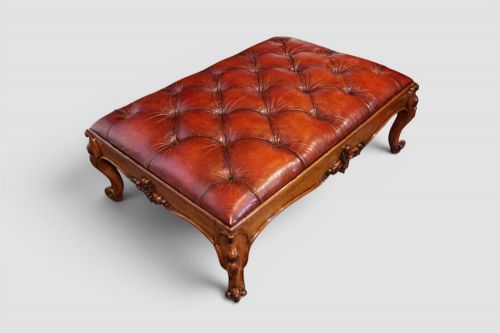
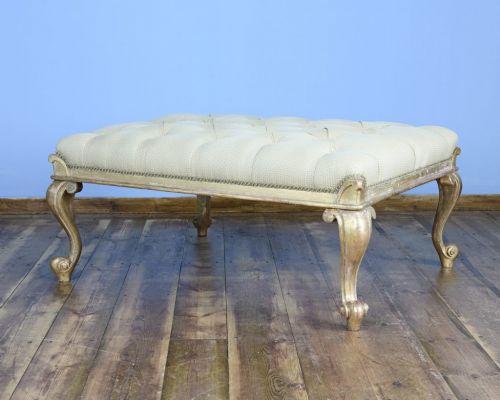
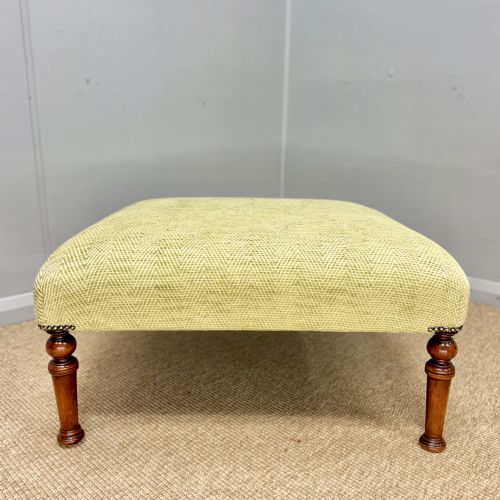
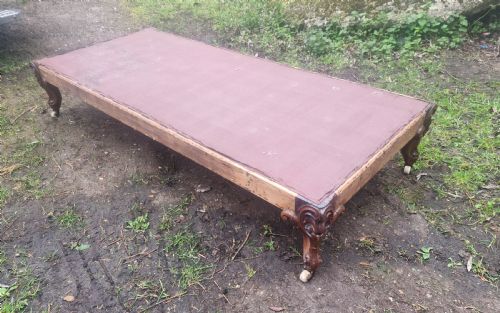
An ottoman coffee table encompasses several distinct forms, primarily large upholstered footstools, low centre stools, and occasionally rigid wooden boxes or tables adapted for surface use. When searching for an ottoman coffee table, buyers encounter heavily buttoned leather pieces alongside inlaid wooden tables from the Middle East.
The material vocabulary ranges from traditional English hardwoods such as mahogany, walnut, and oak to exotic mother-of-pearl inlay and various fabrics, including hand-dyed red hide and zebra hide. Origins span domestic English country house workshops to continental France and the Middle East, reflecting diverse domestic traditions.
Many examples date from the nineteenth century, including specific decades such as the eighteen-eighties and eighteen-nineties, alongside later pieces from the early twentieth century. Forms function equally well as low tables for books and trays or as substantial footstools.
How they were made
Construction relies heavily on durable hardwoods like mahogany, walnut, and oak for frames, often shaped with traditional joinery to support heavy domestic use. Upholstered varieties utilise deep buttoning techniques on leather or fabric, securing the padding firmly to the internal wooden structure.
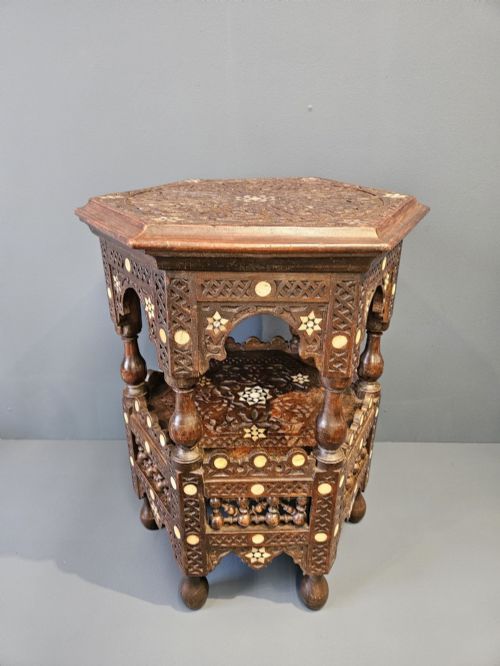
Inlaid examples incorporate intricate mother-of-pearl and contrasting timber pieces set into octagonal, hexagonal, or square frames. Carved wooden elements, parcel gilding, and turned legs complete the construction of both English country house stools and Middle Eastern occasional tables.
Materials range from hand-dyed red hide and zebra skin to intricate mother-of-pearl inlay on hexagonal and octagonal frames.
What varies in quality
The standard of timber selection and the precision of joinery dictate structural integrity, separating robust frames from weaker builds. Superior pieces display finely executed hand-carving, crisp inlay work, and carefully dyed leather showing natural patination.
Upholstered forms vary according to the depth and regularity of the buttoning and the quality of the hide. Tables with complex geometric mother-of-pearl patterns demonstrate a higher degree of artisan skill than simpler veneered surfaces.
Liberty And Co·Vortik Potikian
The Ottoman Coffee Table Glossary
- Buttoned leather
- Upholstery secured with deep indentations formed by stitching or tufting through the padding to the frame. This technique creates a distinctive diamond pattern that provides both firmness and texture.
- Centre stool
- A large, freestanding stool designed to sit in the middle of a room rather than against a wall. These pieces frequently serve as low coffee tables in contemporary interiors.
- Mother-of-pearl inlay
- Decorative technique embedding iridescent shell fragments into carved wooden channels. It appears frequently on Middle Eastern and Syrian occasional tables.
- Chippendale style
- Design aesthetic drawing on eighteenth-century English cabinet-making traditions. Pieces often feature solid mahogany frames and carved cabriole legs.
- Moorish revival
- Nineteenth-century style inspired by Islamic architecture and decorative arts. Characterised by geometric lattice work, arches, and extensive inlay.
Ottoman Coffee Table: Frequently Asked Questions
Can an antique footstool work as a coffee table?
Low nineteenth-century footstools and centre stools provide a stable, cushioned surface that accommodates trays and books easily. Their generous proportions make them direct alternatives to conventional wooden tables.
Upholstered versions bring softer lines to a seating arrangement while offering durable hide or fabric surfaces. Many examples share the ideal height for relaxed living spaces.
What periods do these tables come from?
The selection spans the nineteenth century, including Victorian pieces and earlier Georgian styles, alongside early twentieth-century examples up to the nineteen-thirties.
Construction methods and decorative motifs shift from heavy buttoned mahogany frames to intricate mother-of-pearl inlaid tables from the Middle East as regional influences vary.
How do I care for antique leather upholstery?
Hand-dyed leather benefits from regular dusting and occasional treatment with appropriate conditioning balms to prevent drying. Keeping pieces away from direct heat sources preserves the natural hide.
Avoid excessive moisture on both the leather and the wooden frames, wiping spills immediately with a dry cloth to protect the antique finish.