
Victorian Carved Stool
When you handle a victorian carved stool, you encounter the robust utility and varied seating forms of the nineteenth century.
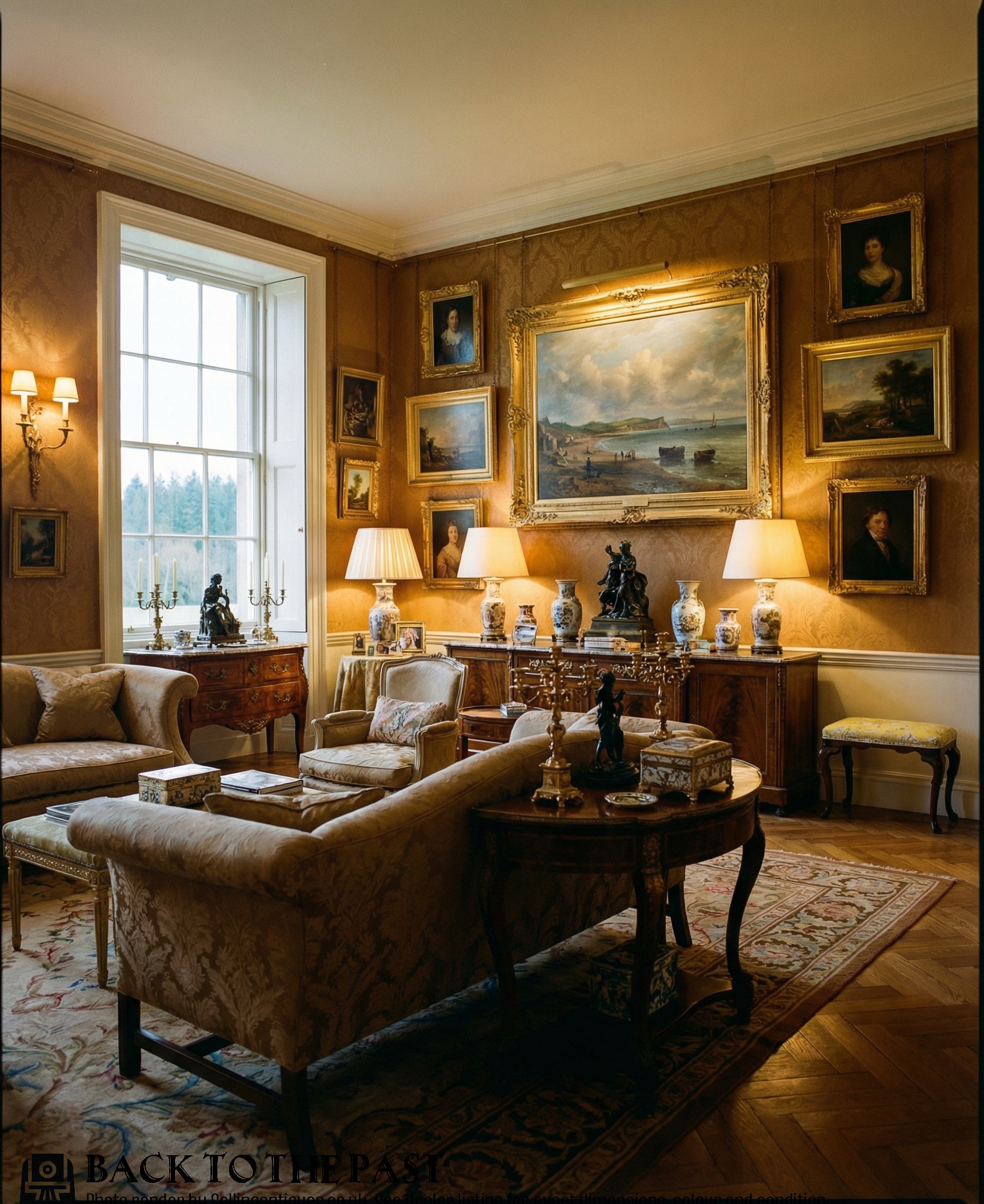
Victorian Carved Stool
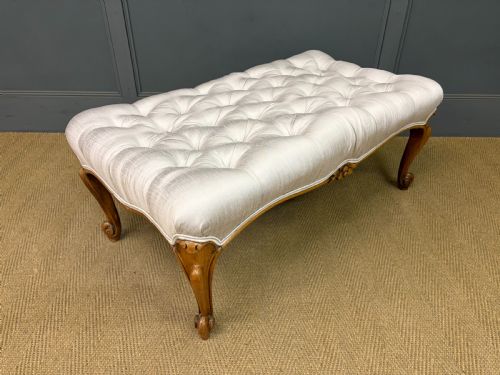
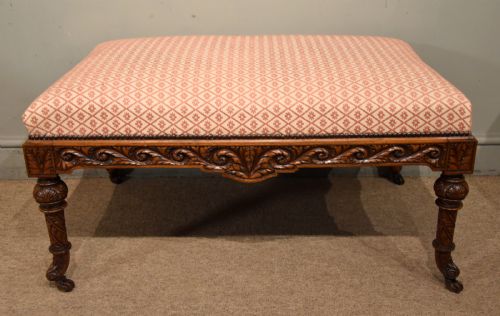
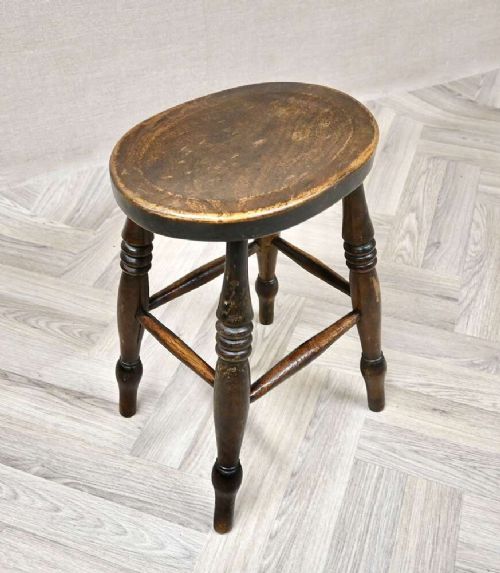
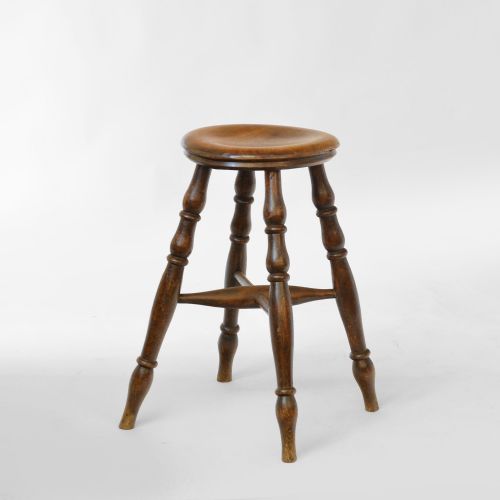
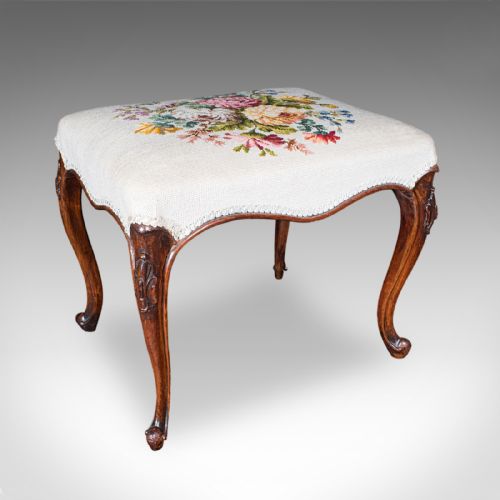
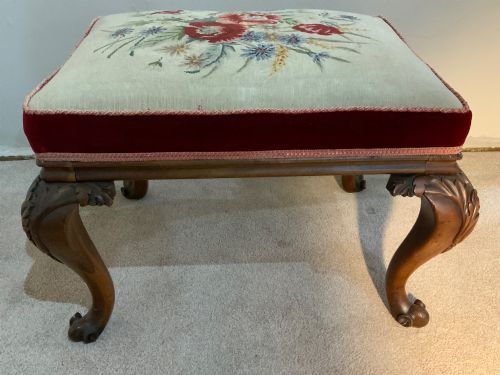
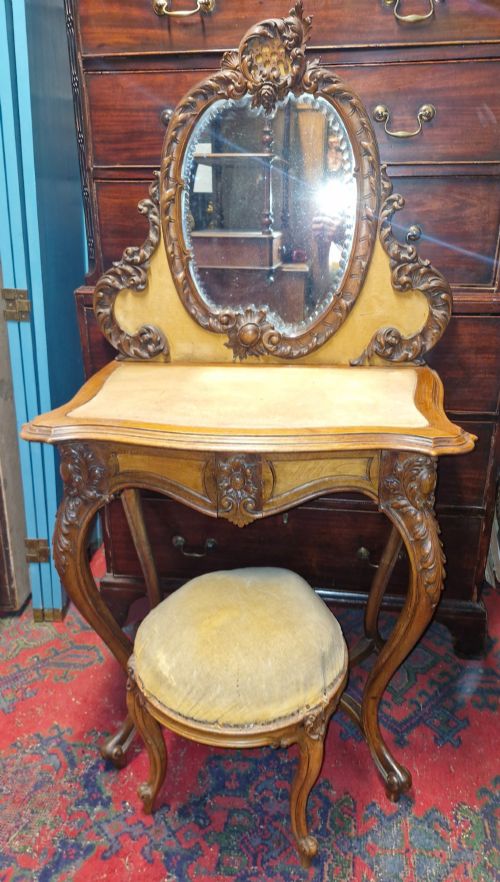
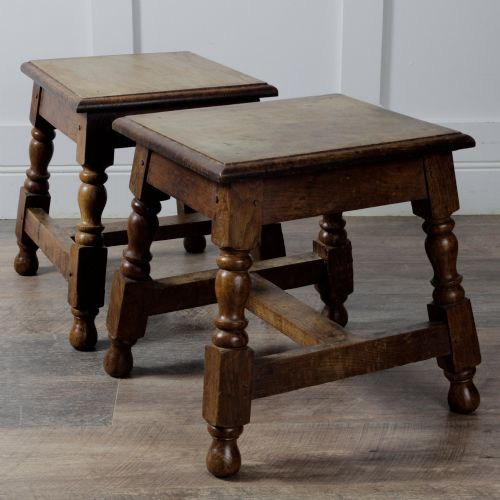
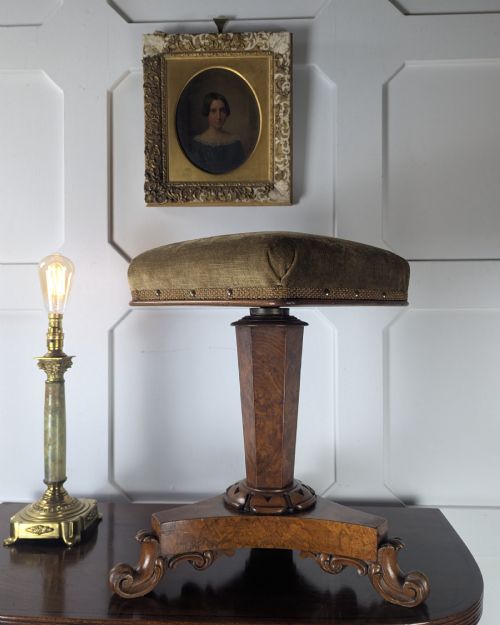
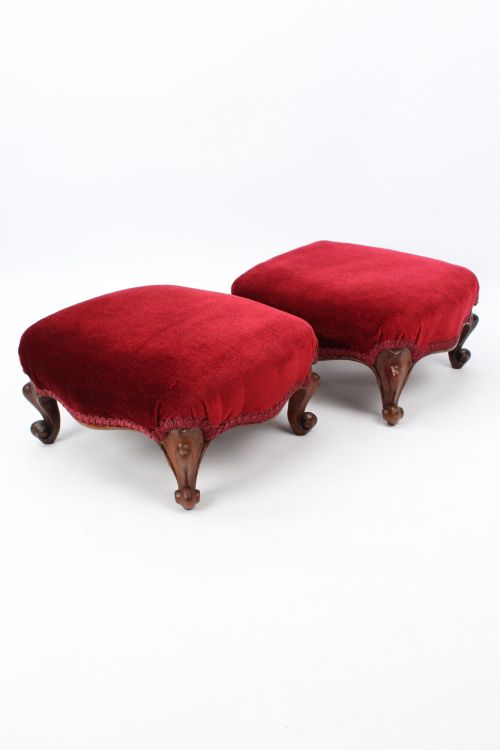
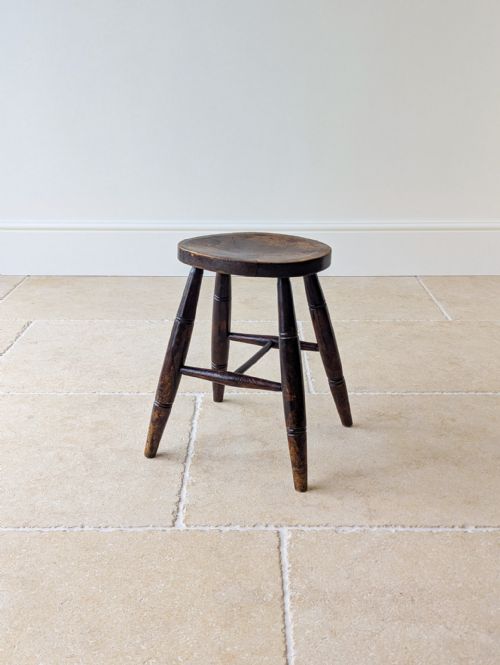
A victorian carved stool serves diverse functions across domestic interiors, appearing as piano stools, music stools, footstools, dressing table seats and occasional benches.
The pieces emerge predominantly from the nineteenth century, utilising dense timbers and ornate upholstery to anchor firesides, drawing rooms and dressing chambers.
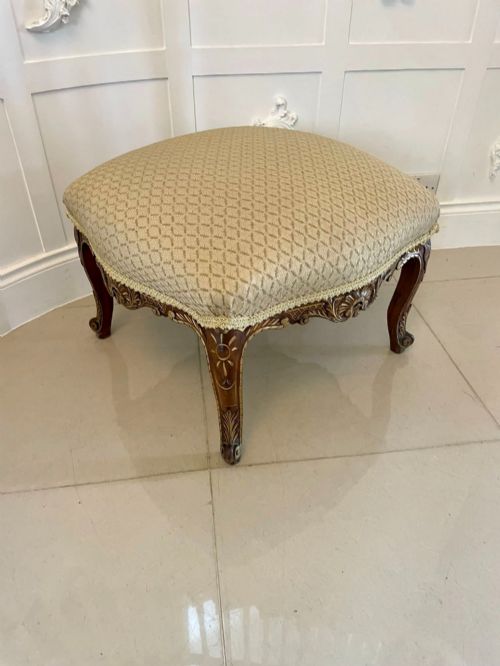
Buyers meet walnut, mahogany and rosewood constructions shaped by revivals of Rococo, Queen Anne and William IV styles.
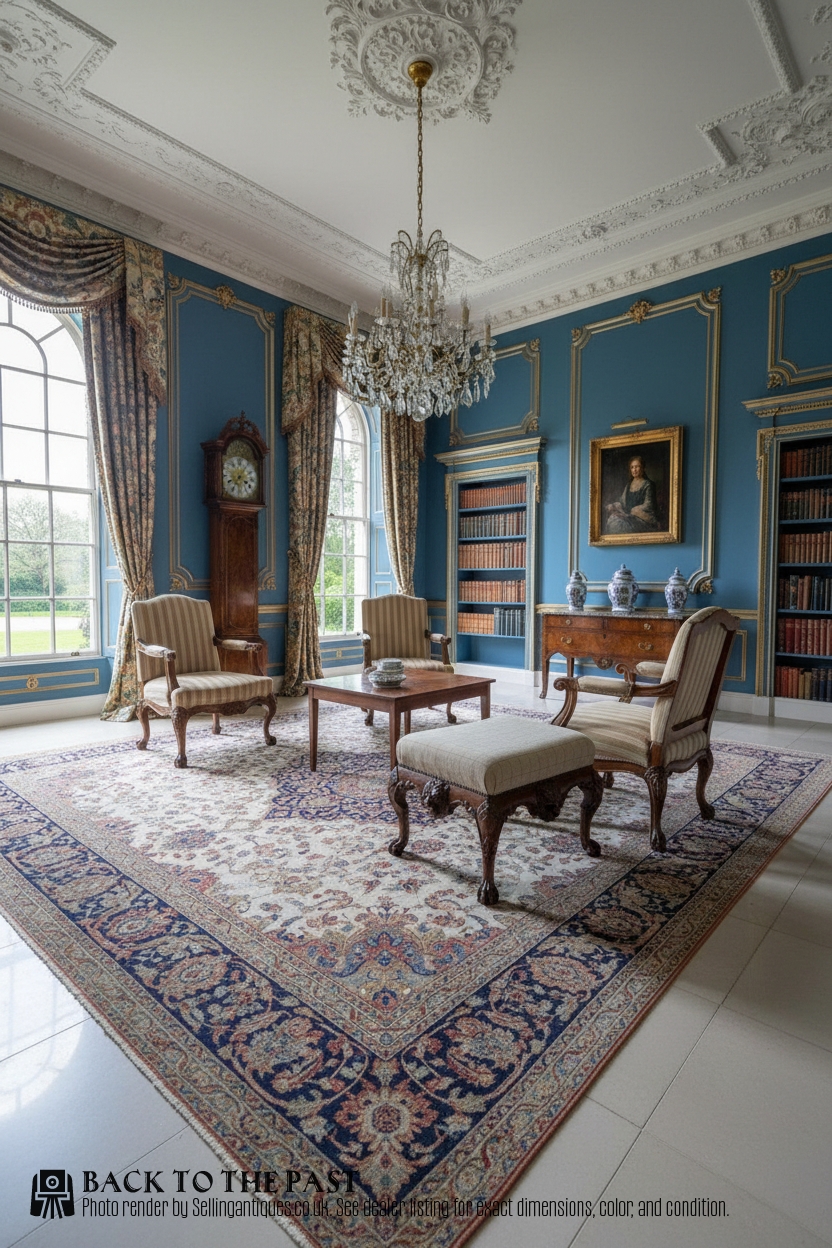
How They Were Made
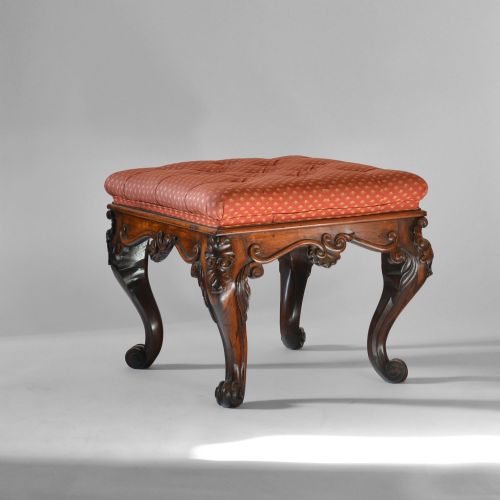
Cabinetmakers constructed the frames using solid woods such as walnut, mahogany, oak and rosewood, applying hand-carving techniques to legs, rails and borders.
Upholstered elements incorporate textile, needlepoint, beadwork, velvet, fabric and leather, secured over stuffing to form buttoned or flat seats.
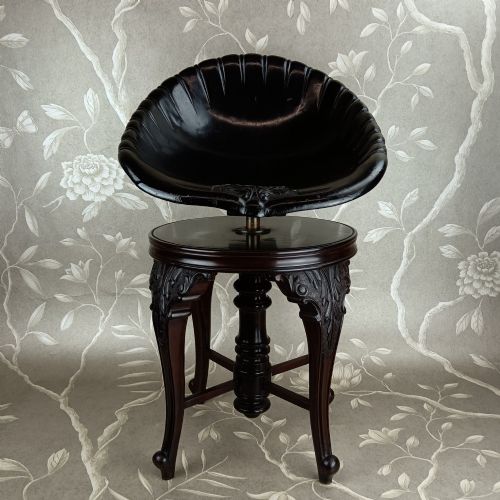
Specialised mechanical elements feature in revolving piano stools and adjustable seating, combining timber frames with functional turning mechanisms.
Victorian Carved Stool Retail Price Guide 2026
Typical asking prices for victorian carved stool among the pieces listed under this phrase on Sellingantiques today, from the lower quarter to the upper quarter. They describe what is for sale here now, not the wider market.
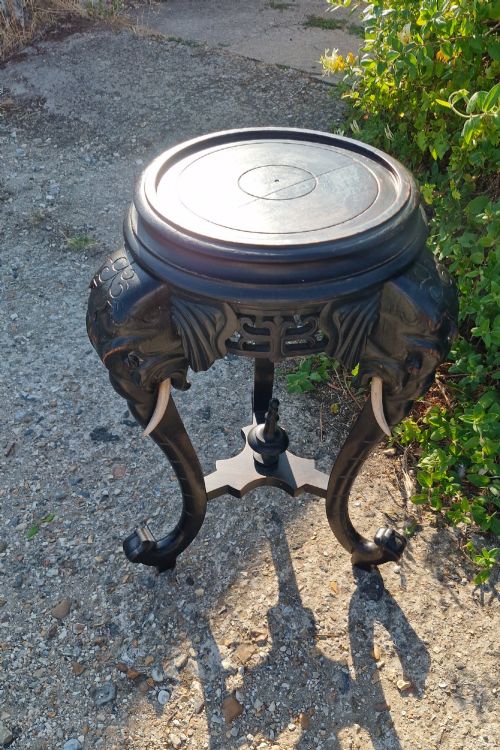
Unusual survivals include carved wooden tusks, heraldic lion ramps and elaborate grotto motifs on revolving music stools.
What Varies in Quality
The depth and crispness of the hand-carving distinguish standard joinery from superior examples, particularly on cabriole legs, scrollwork and heraldic motifs.
Timber selection dictates the presence of rich grain patterns in figured walnut and rosewood, elevating the visual weight of the frame.
The integrity of original upholstery materials, needlepoint or leather upholstery, alongside sound structural joinery, separates finer surviving specimens.
Jennens and Bettridge·Waring and Gillows·Jas Shoolbred
The Victorian Carved Stool Glossary
- Cabriole leg
- A furniture leg that curves outward at the knee and tapers inward to an ankle, frequently terminating in a hoof or claw foot. This form draws upon classical design and dominates nineteenth-century seating supports.
- Needlepoint
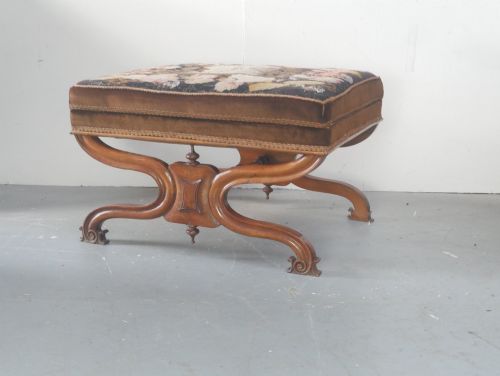
- Canvas worked with wool or silk threads in counted-stitch embroidery to create dense decorative seat covers. Such textiles survive from the nineteenth century on fireside footstools.
- Revolving mechanism
- An internal pivot system allowing the seat top to spin, commonly engineered into piano and music stools. This hardware permits height adjustment or rotation during performance.
- X-frame
- A structural base formed by intersecting curved or straight members creating an X shape beneath the seat. This form provides robust support for occasional stools and benches.
- Giltwood
- Timber coated with a thin layer of gold leaf or gilt paint to simulate solid gold enrichment. This treatment accentuates carved mouldings on revival pieces.
Victorian Carved Stool: Frequently Asked Questions
How do I date a Victorian carved stool?
Dating relies on observing timber choices, joinery methods and prevailing revival styles recorded in the nineteenth century. Walnut and rosewood frames often align with mid-century production, whilst specific turned or carved motifs point to decades between eighteen-fifty and nineteen-hundred.
Secondary clues emerge from upholstery techniques and the wear patterns on exposed wood feet and stretchers. Comparing the piece to documented examples helps narrow its decade of origin.
Were piano stools adjustable?
Many piano and music stools feature mechanical screw mechanisms beneath the seat top that allowed musicians to alter their seating height. These functional pieces combine turned wooden columns with sturdy tripod or four-legged bases.
Fixed-height upholstered stools also served music rooms, but adjustable variants remained popular for daily domestic performance throughout the period.
What woods were commonly used?
Walnut and mahogany represent the primary timbers utilised by cabinetmakers for these seating forms. Rosewood appears frequently in finer pieces, alongside oak for country and provincial variants.
Exotic woods like goncalo alves occasionally feature in specific dressing table stools, adding distinct grain patterns to the visible frame.
How do I use a footstool today?
These compact pieces adapt easily to modern living spaces as fireside footstools, low coffee tables or occasional seats. Their sturdy wooden frames and upholstered tops provide functional support without dominating a room.
Placing a needlepoint or leather-topped stool beside low seating introduces period texture and practical surface utility to an interior.