



Antique Folding Mirror
These antique folding mirror pieces offer clever engineering and daily utility, translating period craftsmanship into versatile glass panels that fold neatly away.
Antique Folding Mirror
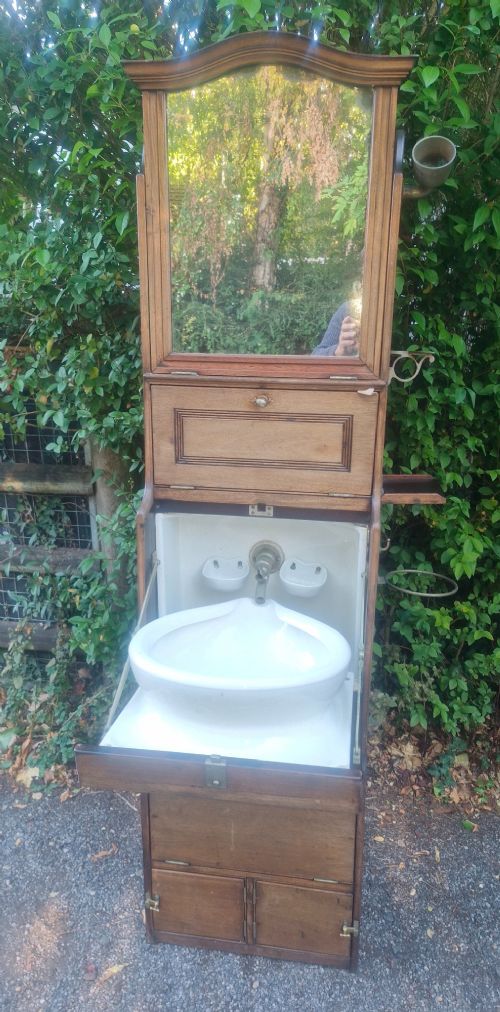
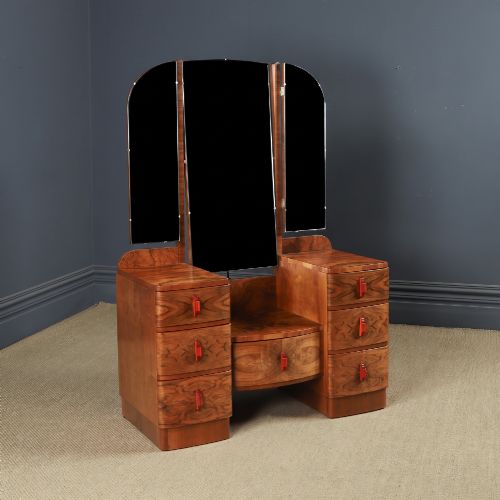
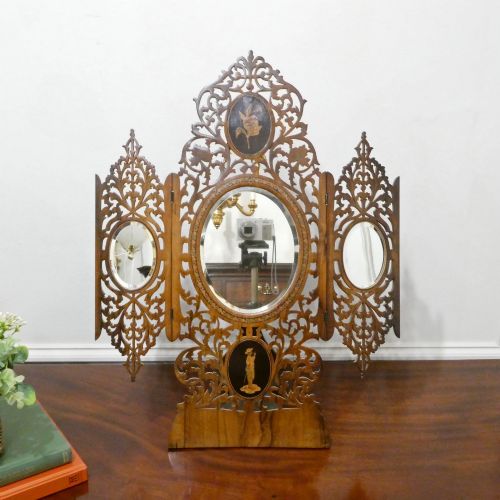
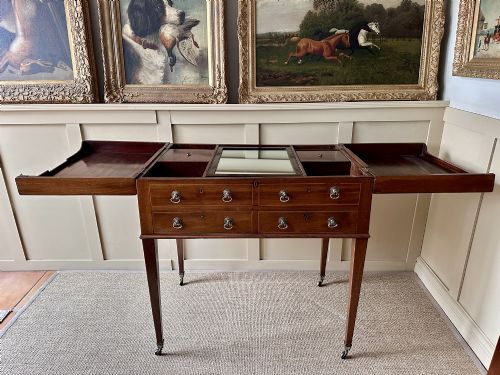
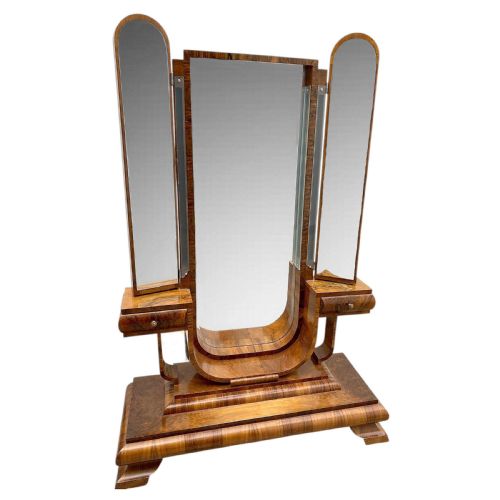
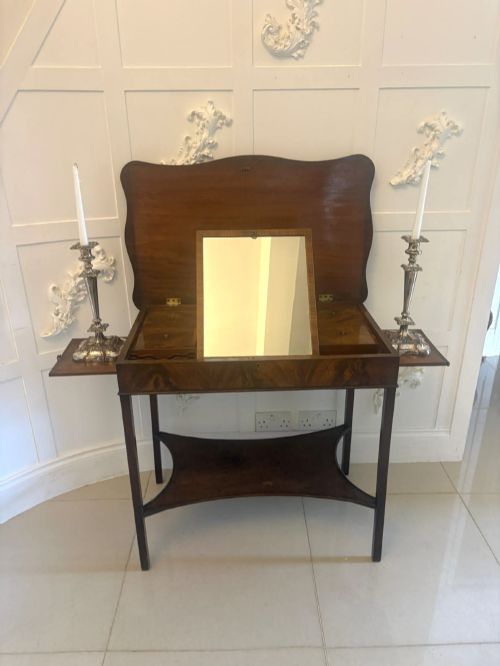
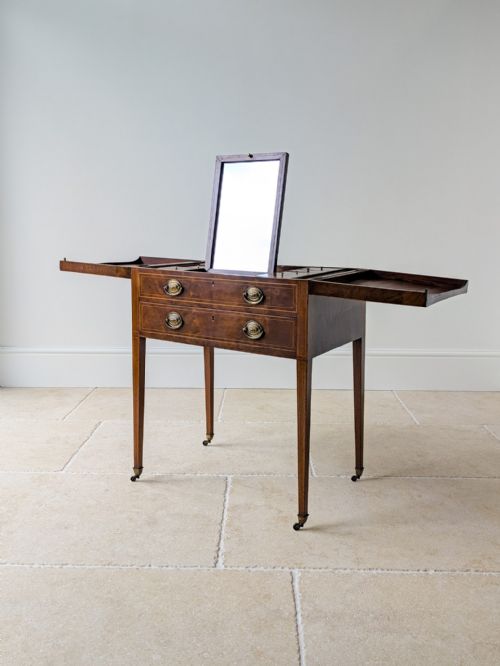
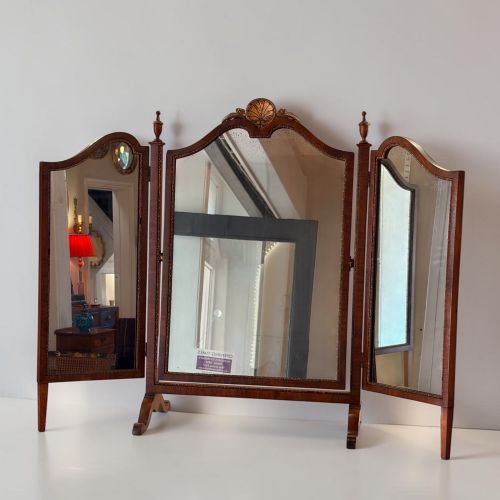
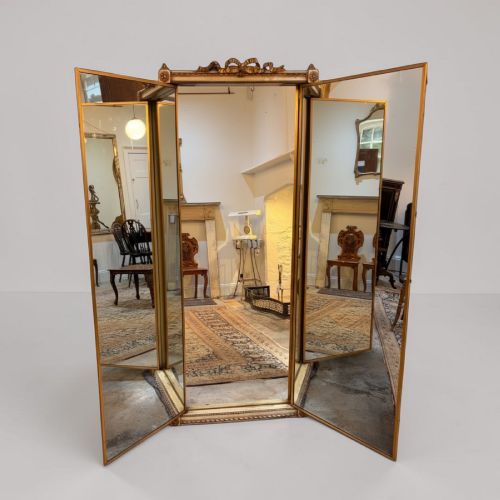
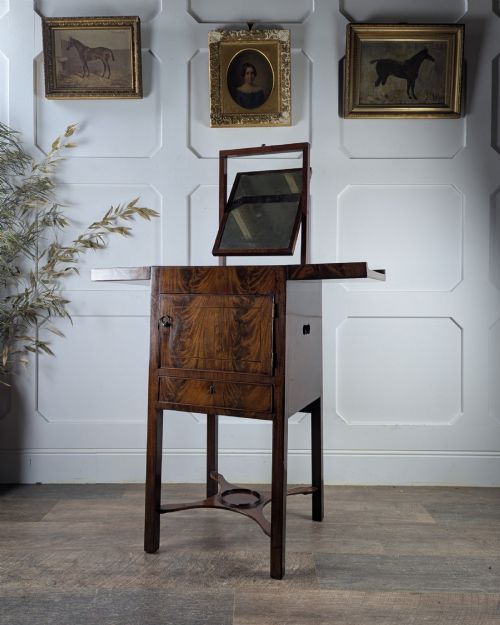
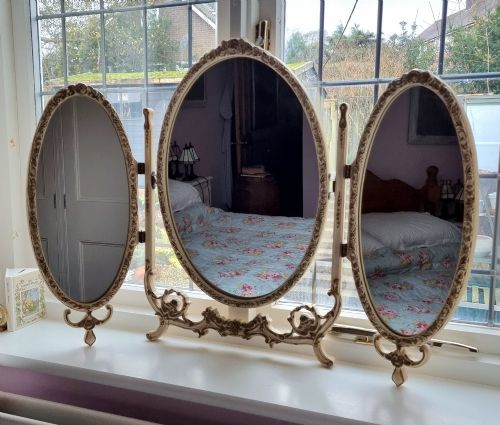
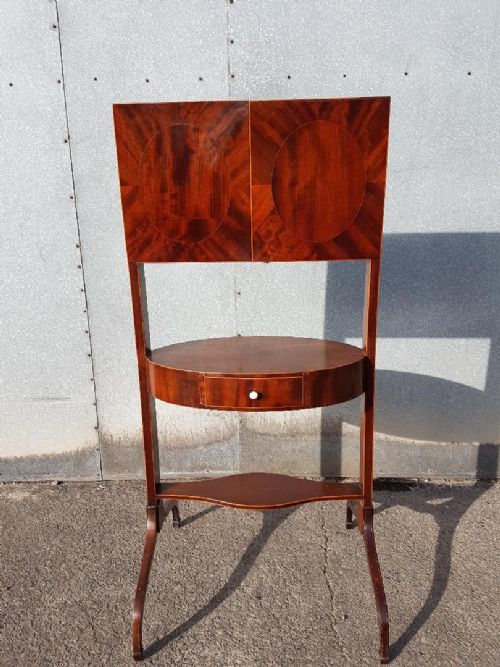
An antique folding mirror comprises portable and dressing table forms designed with hinged panels or travel cases, appearing frequently across Georgian, Victorian, Edwardian and early twentieth century periods. You encounter pieces ranging from simple campaign shaving boxes in mahogany and walnut to elaborate gilt triptychs and French brass vanity designs.
The objects serve multiple domestic roles, functioning as portable grooming kits, washstand attachments and dressing table centrepieces. Surviving examples demonstrate how makers combined functional folding mechanisms with decorative woods, brass frames and adjustable glass.
How they were made
Cabinet makers utilised dense hardwoods such as mahogany, walnut, satinwood, kingwood and rosewood, often employing crossbanding, inlay and polished finishes. Brass hinges, catches and frames provided the necessary structural joints for folding panels and portable campaign kits.
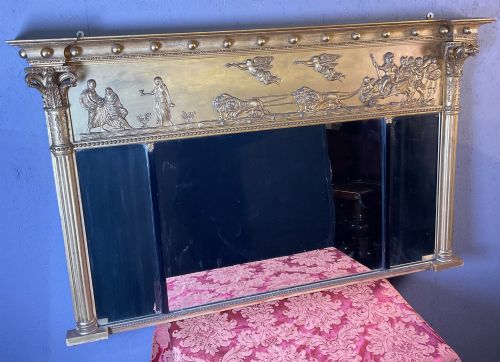
Makers set bevelled or flat glass plates into wooden surrounds, gesso mouldings or cast brass frames, integrating folding struts to support adjustable angles. Skilled joinery ensured that hinged doors and travel lids aligned precisely with the internal compartments and mirrors.
Antique Folding Mirror Retail Price Guide 2026
Typical asking prices for folding mirror among the pieces listed under this phrase on Sellingantiques today, from the lower quarter to the upper quarter. They describe what is for sale here now, not the wider market.
Some travel mirrors pack neatly into pocket-sized campaign kits designed to keep a gentleman's chin smooth on the move.
What varies in quality
The standard of timber selection, grain figure and veneer work defines the upper tiers of production, alongside the weight and finish of cast brass hardware. Superior pieces display crisp mechanical joints and unblemished plate glass that retains its original mercury or silver backing.
Construction details distinguish workshop standards, from hand-cut dovetails in portable shaving boxes to the precision of the hinges on triple triptych frames. Finer examples maintain smooth articulation across every folding joint without looseness in the brasswork.
Miroir Brot
The Antique Folding Mirror Glossary
- Campaign mirror
- A portable folding mirror designed for travel, typically fitted into a compact wooden box with brass corners.
- Triptych mirror
- A three-panel folding mirror where the two outer wings adjust to angle the reflection.
- Gesso
- A plaster-based material applied to wood and carved or gilded for decorative frames.
- Crossbanding
- A decorative border of veneer laid across the grain of the primary wood.
- Triplate
- A mirror constructed from three separate glass panels joined in a folding frame.
Antique Folding Mirror: Frequently Asked Questions
How do I care for an antique folding mirror?
Keep wooden frames away from direct heat sources and excessive moisture to protect the polished finish and veneer.
Clean the glass gently with a dry microfiber cloth, avoiding harsh chemical sprays near old silvering and brass hinges.
Were campaign mirrors meant for military travel?
Officers and gentlemen utilised portable folding mirrors during travel and military campaigns for daily grooming.
Robust woods and brass reinforcement protected the glass while stored inside fitted travel boxes.
How can I distinguish a Georgian mirror from a later copy?
Examine the construction methods, timber patination and the characteristics of the glass plate.
Georgian examples display period joinery techniques and hand-bevelled glass rather than modern machine production.
Where should I place a triptych mirror at home?
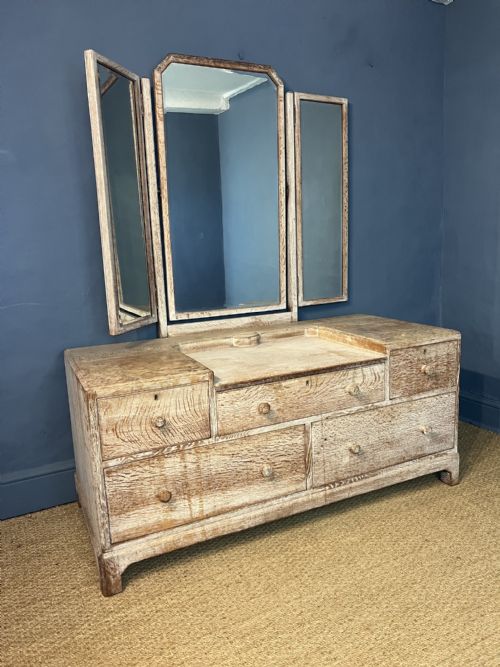
Position the piece on a dressing table, chest of drawers or sideboard where light can catch the adjustable panels.
Ensure stable placement so the folding wings remain balanced when adjusted to different angles.