



Vintage Grooming Mirror
These vintage grooming mirror pieces are practical dressing companions that bring period character to a washstand or dressing table.
Vintage Grooming Mirror
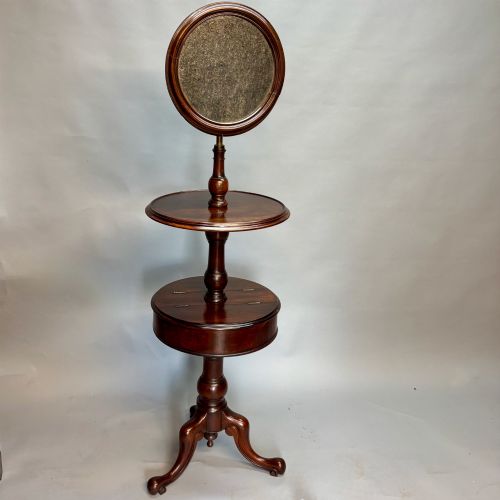
A vintage grooming mirror serves the daily ritual of shaving and personal upkeep, combining a reflective glass with a supportive stand, table, or cabinet. The selections appearing here span from the mid-nineteenth century through the Edwardian period and into the early twentieth century.
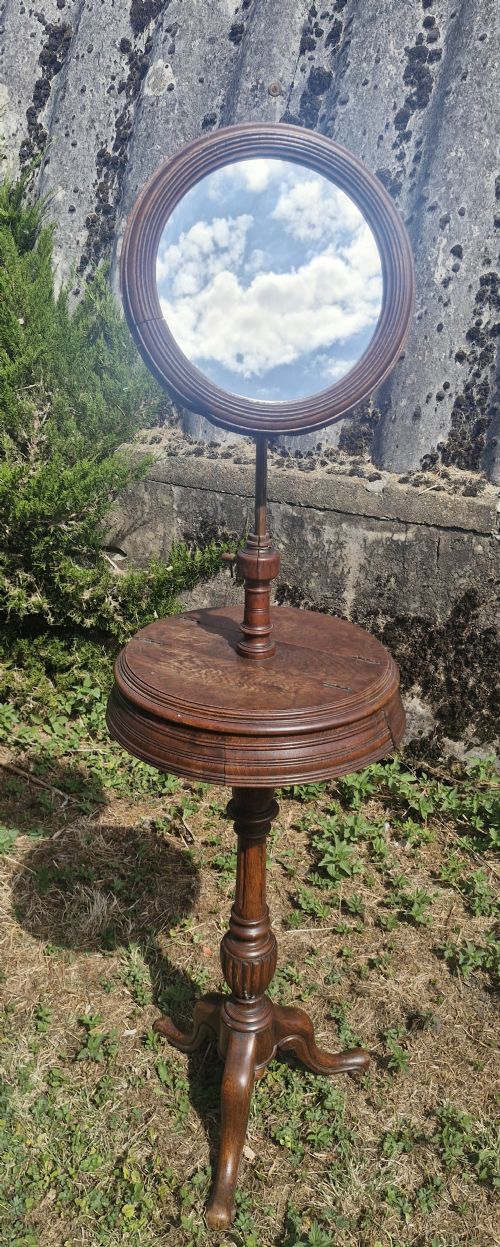
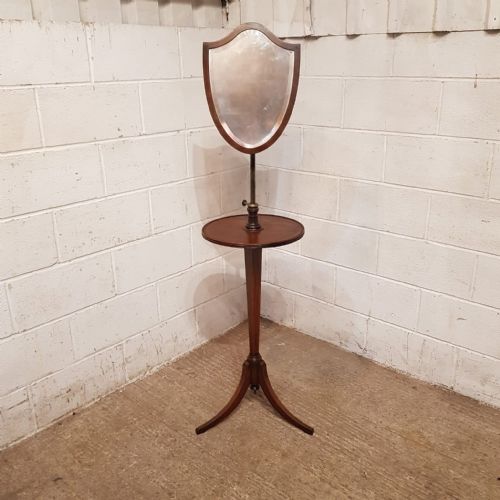
Most examples take the form of adjustable shaving stands, tabletop mirrors, or vanity tables designed for gentlemen and households. Materials range from solid timber frames to brass hardware and integrated glass mirrors.
The dominant forms you are most likely to meet on this page are freestanding mahogany or oak shaving stands featuring pivoting mirrors. These pieces reflect the domestic habits of the Victorian and Edwardian eras when personal grooming required dedicated furniture.
How they were made
Cabinetmakers constructed these grooming mirrors using hardwoods such as mahogany, oak, and walnut, often employing turned supports and adjustable brass mechanisms to alter the angle of the glass. The incorporation of ebony, painted metal, and silver details appears across various items.
Joinery techniques matched the period styles, from late Victorian robustness to the clean lines of Vienna Secession design. Glass panels were bevelled or flat-set into wooden frames, supported by pivoting arms or fixed stands designed to hold firm during daily use.
Vintage Grooming Mirror Retail Price Guide 2026
Typical asking prices for vintage grooming mirror among the pieces listed under this phrase on Sellingantiques today, from the lower quarter to the upper quarter. They describe what is for sale here now, not the wider market.
Listings feature mahogany, oak, and walnut timbers alongside brass and glass across Victorian and Edwardian periods.
What varies in quality
The distinction between ordinary and superior pieces rests on the choice of timber and the precision of the adjusting mechanisms. Solid mahogany and oak frames with smooth brass swivels indicate a higher standard of manufacture than simpler pine or softwood constructions.
Design complexity also separates standard items from exceptional ones, particularly where inlay work, integrated cupboards, or multi-tiered valet arrangements are present. Well-preserved original mirror glass and stable joinery elevate the overall calibre of a piece.
James Shoolbred
The Vintage Grooming Mirror Glossary
- Shaving Stand
- A dedicated piece of furniture featuring an adjustable mirror, often with built-in storage or a shelf for shaving accessories. These items date predominantly from the Victorian and Edwardian periods.
- Valet Set
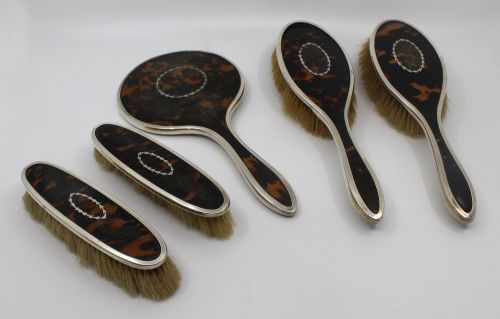
- A matched collection of personal grooming items, which can include a mirror and hand brushes housed together for travel or home use. They are frequently found in Edwardian materials such as ebony.
- Bevelled Glass
- Mirror glass with angled edges cut and polished to a thinner perimeter, adding a decorative border. This technique appears on better-quality Victorian and Edwardian looking glasses.
- Vienna Secession
- An art movement associated with the early twentieth century, characterised by geometric forms and refined craftsmanship. Pieces from this style bring a distinct continental aesthetic to grooming furniture.
Vintage Grooming Mirror: Frequently Asked Questions
What is a vintage grooming mirror?
A vintage grooming mirror is a functional antique designed for personal hygiene, incorporating a glass plate held by a stand, frame, or cabinet.
These objects range from compact tabletop accessories to large floor-standing shaving units used in nineteenth-century and early twentieth-century homes.
How were shaving stands used?
Shaving stands provided a dedicated space for men to complete their morning routine before electric lighting became common.
The adjustable mirrors directed natural light onto the face, while integrated shelves or cupboards held mugs, brushes, and razors.
How do I date a grooming mirror?
Dating relies on identifying the timber species, construction methods, and stylistic cues present in the woodwork and metal fittings.
Victorian pieces often display heavier proportions and dark mahogany, whereas Edwardian examples tend towards lighter oak or inlaid mahogany.
Can I use these mirrors daily?
Most of these pieces remain sturdy enough for everyday use provided they are handled with reasonable care.
Adjustment screws and pivoting arms should be turned gently to preserve the original nineteenth-century and early twentieth-century brass hardware.