

Antique Flower Stand Table
An antique flower stand table holds heavy ceramic pots and trailing stems, bringing garden greenery right into the drawing room.
Antique Flower Stand Table
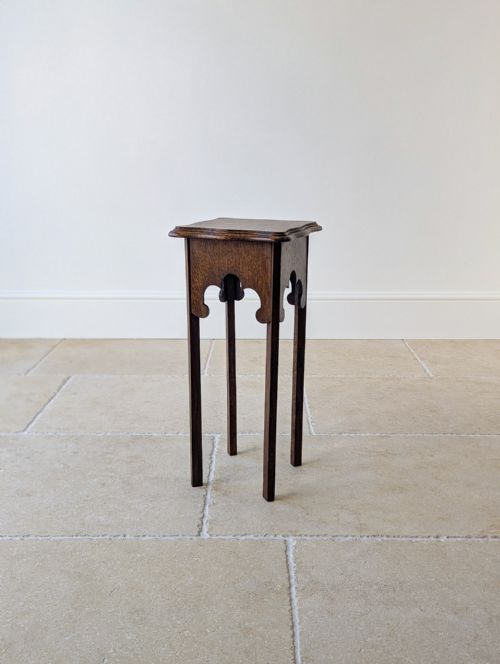
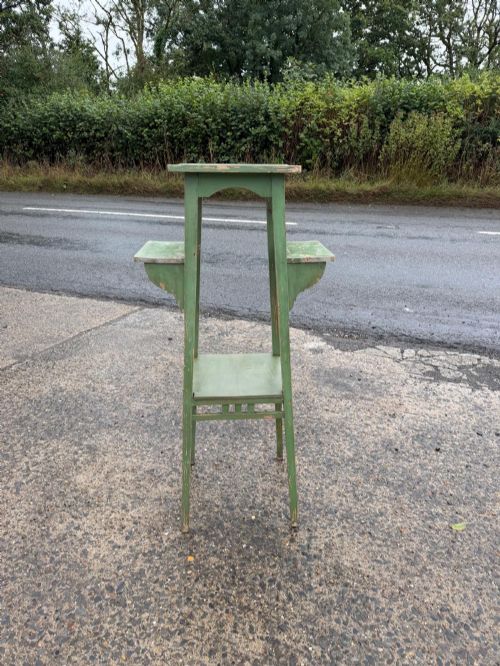
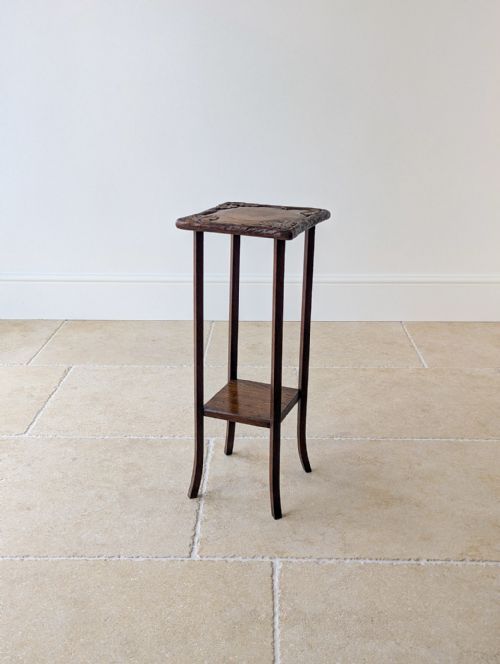
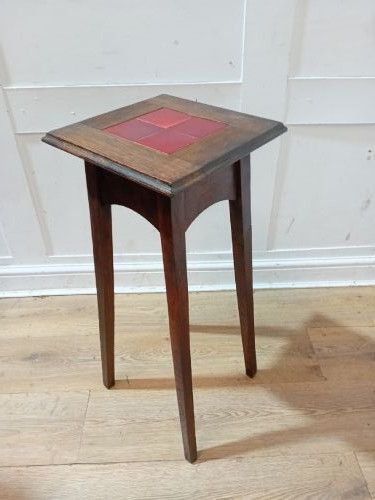
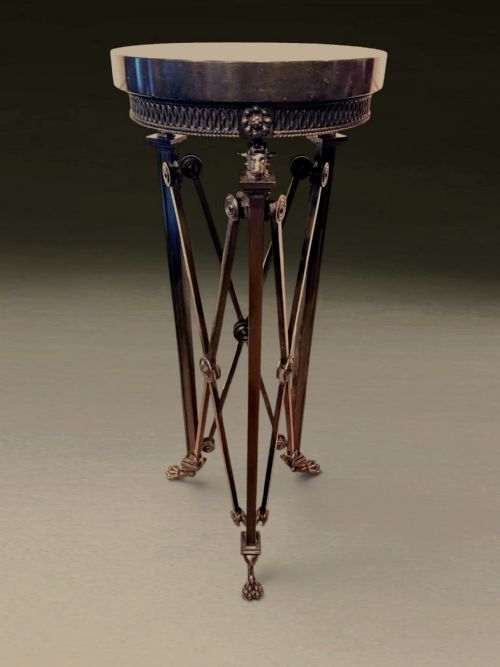
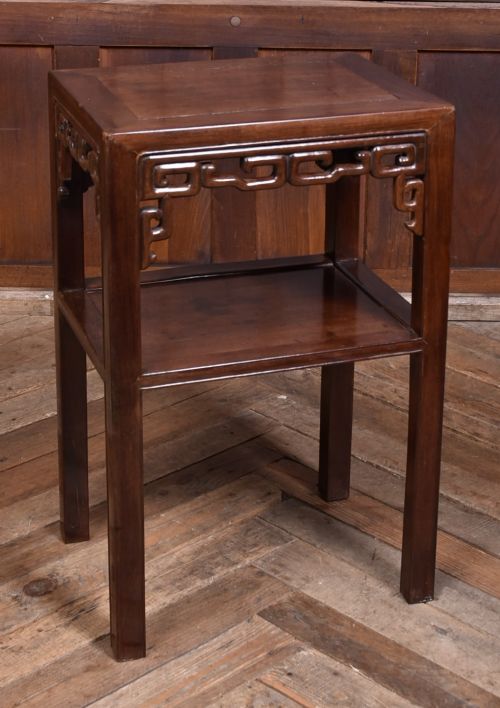
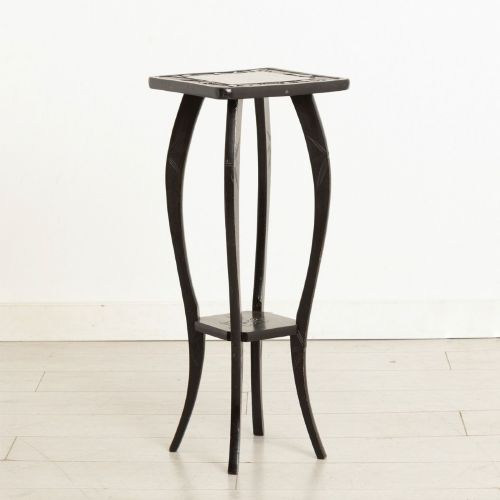
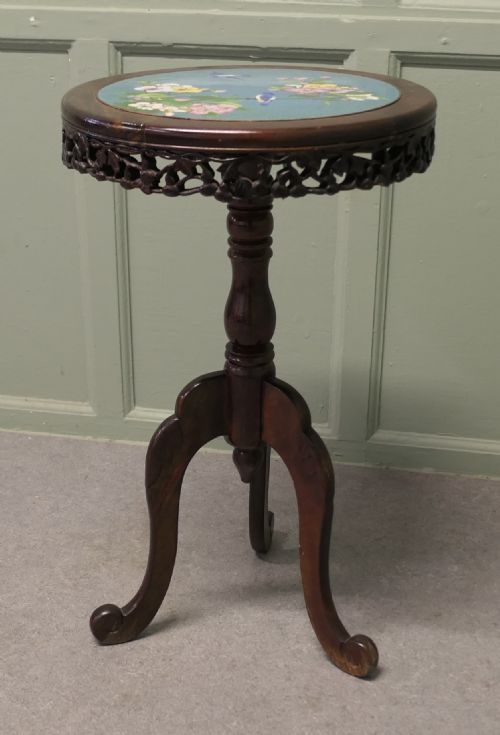
When you search for an antique flower stand table, you encounter a surprisingly varied group of decorative furniture designed specifically to elevate plants and floral arrangements in interior spaces. The selection includes tall plant stands, low jardiniere tables, occasional tables, and elaborate table-centre epergnes intended for display. You meet everything from sturdy English oak and mahogany designs to intricately carved Chinese hardwood and marble-topped pedestals.
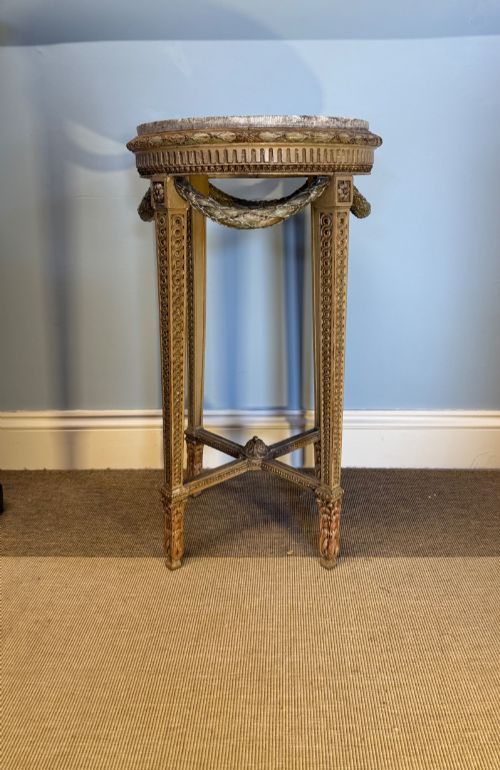
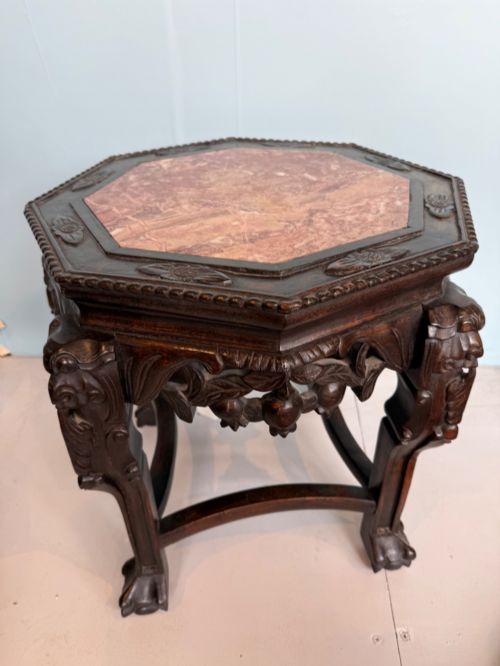
The nineteenth century and the Edwardian era provide the majority of these pieces, spanning styles from Arts and Crafts simplicity to ornate Louis XVI revival and Chinese Export craftsmanship. Many examples feature inset variegated marble or onyx tops designed to withstand damp soil and water splashes from potted ferns and flowering plants. Others take the form of small side tables or multi-tiered plant stands with inlaid detail and turned barley twist legs.
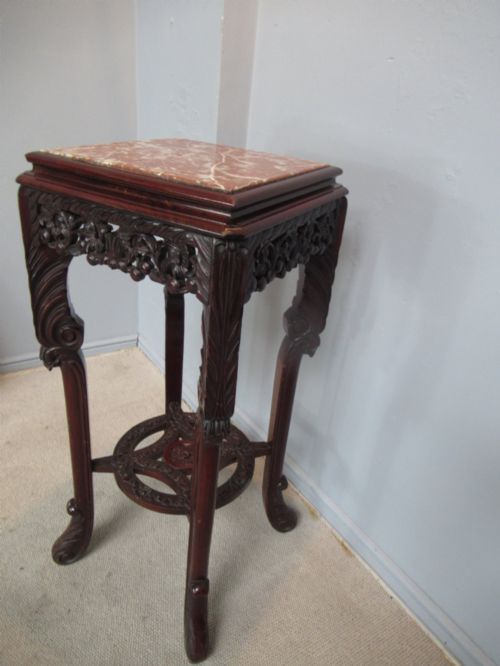
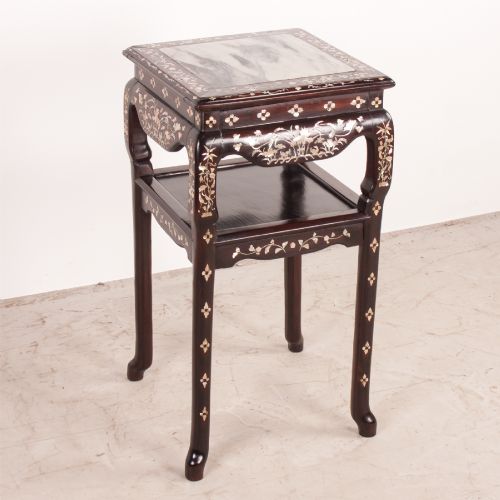
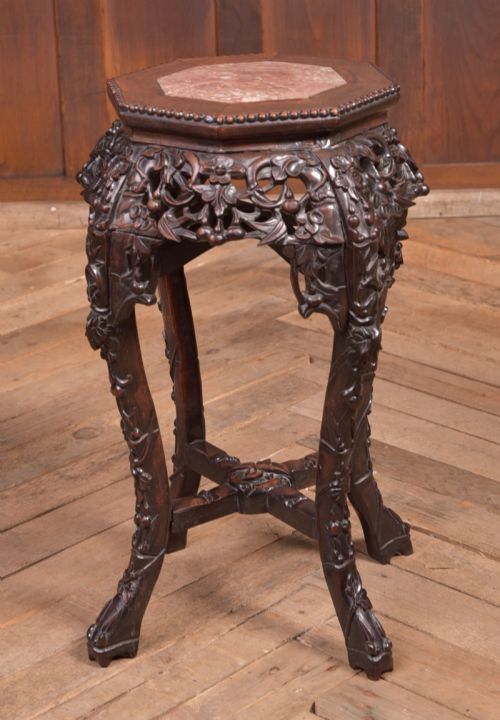
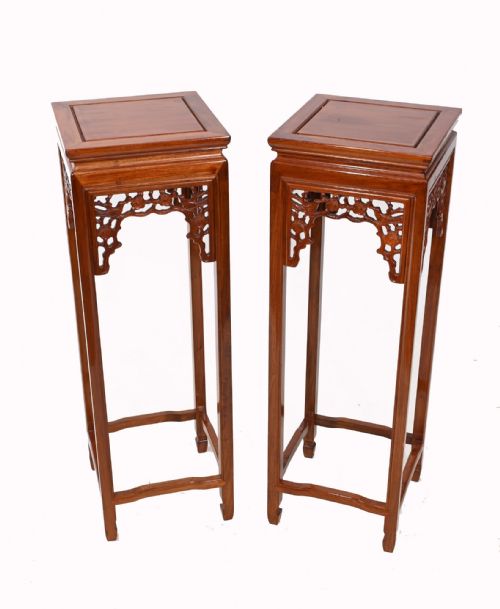
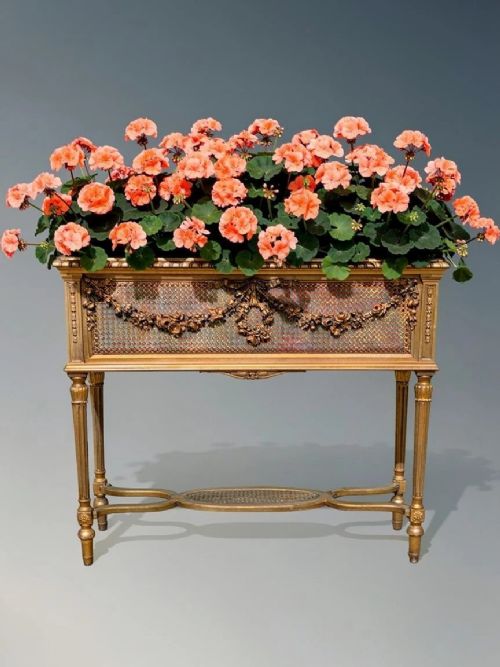
Asian imports dominate a large portion of the available items, particularly carved hardwood, rosewood, and padouk stands from the Qing Dynasty alongside Japanese hand-carved pieces. European makers contribute French ebonised planters, giltwood stands, and occasional tables featuring chiseled brass, bronze mounts, and mother-of-pearl inlay. Whether you need a tall corner pedestal for a trailing fern or a low table for a ceramic jardiniere, the form follows the practical needs of Victorian and Edwardian indoor gardening.
Assessing quality in construction and design
Quality rests primarily in the density of the timber and the crispness of the hand-carved details found around the aprons and legs. Superior Chinese hardwood and padouk examples display deep, undercut carving that retains sharp relief, whereas lesser pieces show softer, shallower moulding. The choice of top material also indicates grade, with solid variegated marble and finely fitted onyx representing higher workshop standards than plain timber tops.
Structural integrity separates functional decorative items from fragile items, particularly in tall, slender pedestals that must bear top-heavy loads securely. Fine joinery ensures that legs remain rigid without excessive wobbling, and metal mounts fit flush against the wood without visible gaps. The presence of original paint, untouched patination, and maker signatures or attribution details elevates the standing of an individual piece.
Current listings feature items spanning the 19th century, Edwardian era, and early 20th century, utilising materials from marble and brass to heavy Chinese hardwoods.
Liberty of London·Walker & Hall·Gillows
The Antique Flower Stand Table Glossary
- Jardiniere
- A decorative pot or stand designed to hold a plant or flower arrangement indoors. It typically sits low to the ground on short legs or rests on a matching base table.
- Epergne
- A large table centerpiece featuring multiple branching holders for fruit, sweetmeats, or cut flowers. Victorian examples often combine silver-plated frames with etched cranberry glass trumpets.
- Hongmu
- A traditional Chinese term denoting dense, dark hardwoods used for fine furniture and display stands. These heavy timbers take a high natural polish without requiring dark stains.
- Cloisonne
- An ancient metalworking technique where enamel is applied within compartments created by soldered wire strips. It appears on decorative tables and planter inserts.
Antique Flower Stand Table: Frequently Asked Questions
What is the difference between a jardiniere and a plant stand?
A jardiniere usually refers to the vessel or the low stand specifically built to hold a potted plant with room for drainage. Plant stands are generally taller pedestals or multi-tiered tables designed to elevate greenery off the floor.
Both forms served similar decorative functions in Victorian and Edwardian drawing rooms, often utilising moisture-resistant marble or tiled tops to protect the underlying wooden structure.
Can these antique tables safely hold heavy modern plant pots?
Most nineteenth-century stands were engineered to support heavy ceramic pots, stone jardiniere bowls, and damp soil without structural failure. Hardwood frames and solid marble inserts provide exceptional load-bearing capacity for substantial indoor plants.
It remains wise to check individual joinery stability and ensure that modern saucers prevent water from directly contacting vulnerable antique wood surfaces during routine watering.
How do I distinguish Chinese export stands from European pieces?
Chinese export stands typically utilise dense tropical hardwoods like padouk, rosewood, or hongmu featuring deep, organic carvings of prunus blossom or dragons. They frequently incorporate inset marble tops and robust, interlocking frame construction.
European equivalents from the same period more commonly employ oak, mahogany, or ebonised wood with applied brass mounts, gilding, or revival styles such as Louis XVI and Arts and Crafts.
Were these stands only used for flowers and plants?
While botanical display was their primary purpose, households frequently repurposed them as occasional tables for lamps, decorative ceramics, and serving wine. Their compact footprints made them ideal for filling empty corners or narrow window spaces.
Many surviving examples show versatile proportions that suit modern living rooms as bedside tables, lamp stands, or display surfaces for ornaments.