


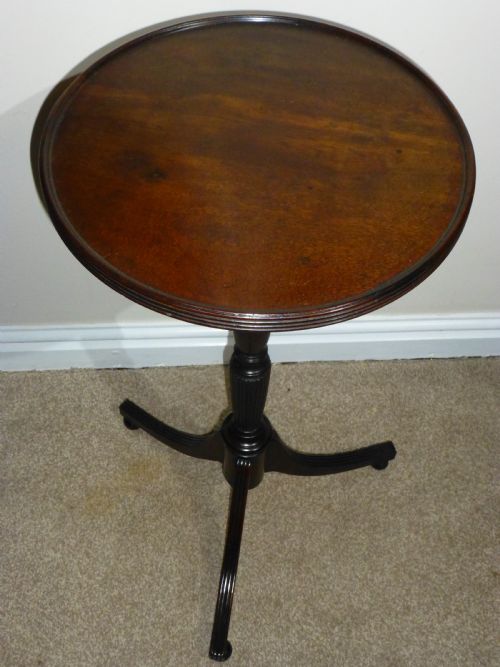


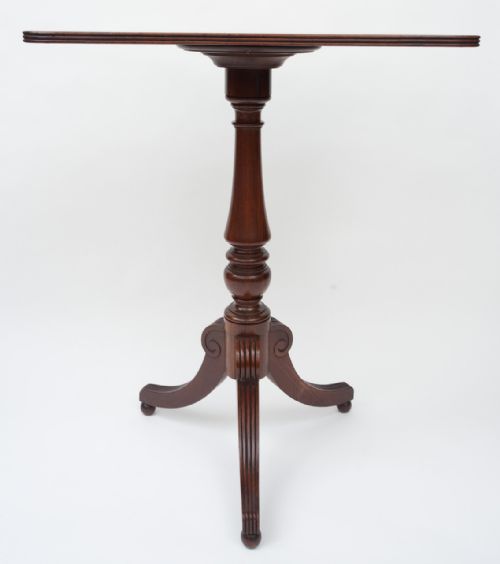

Gillows Tripod Table
A gillows tripod table combines precise Lancashire cabinet-making with versatile domestic portability, making it a prized centrepiece for traditional and modern interiors alike.
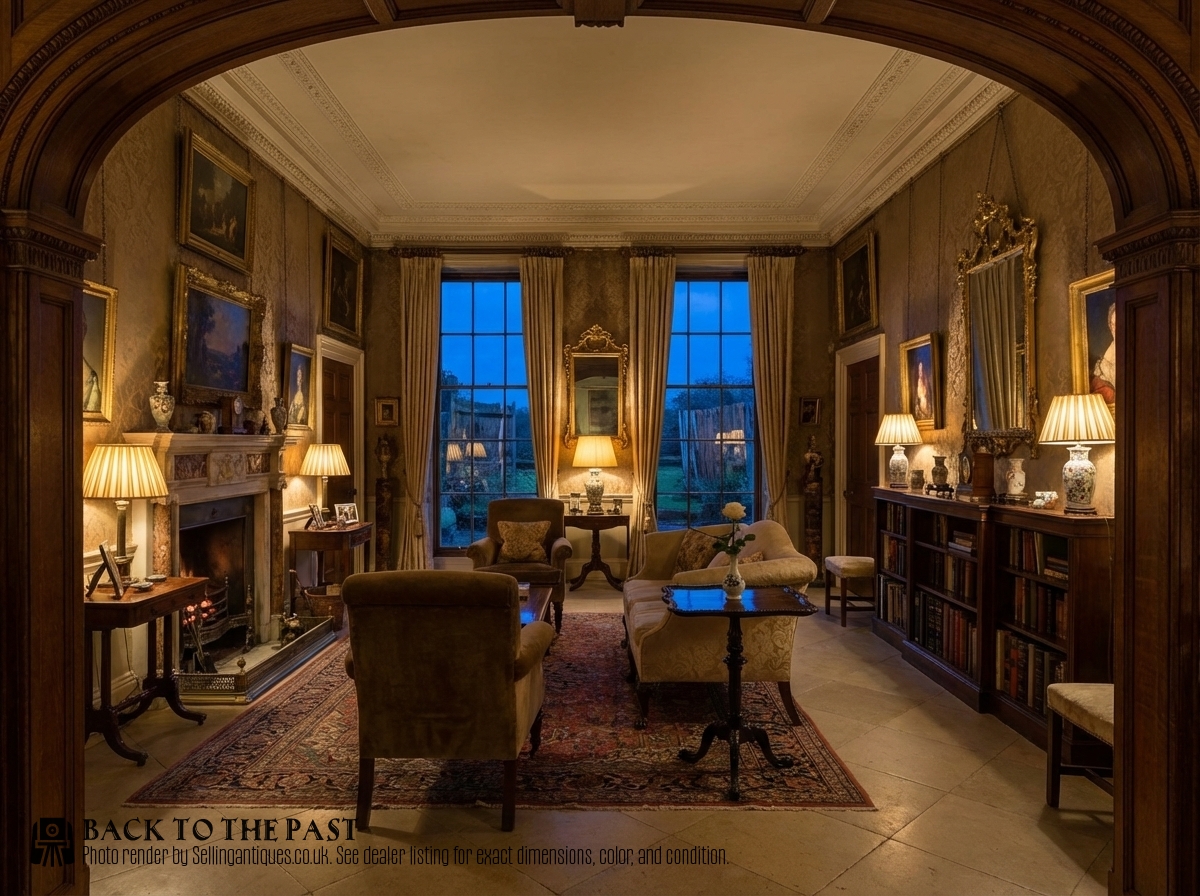
Gillows Tripod Table
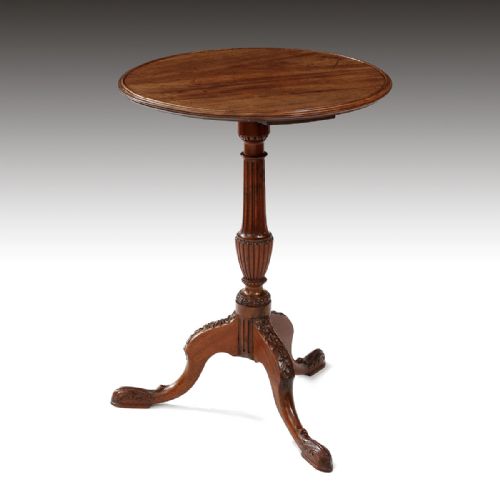
A gillows tripod table is a compact support piece designed for occasional service, wine serving, or writing, anchored by a three-legged base. When searching for a gillows tripod table, you encounter pieces spanning the Georgian, Regency, William IV, and Victorian periods.
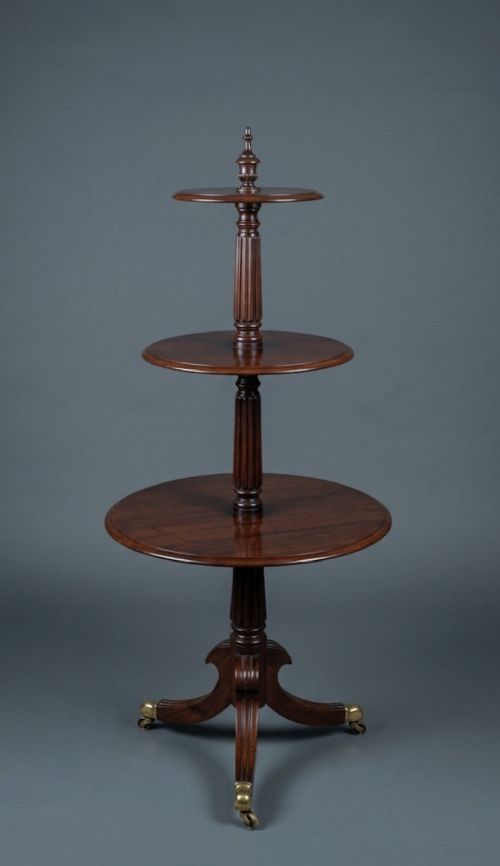
Mahogany forms the core of these listings, alongside rosewood, satinwood, goncalo alves, and oak. Forms range from simple circular wine and lamp tables to complex two-tier dumb waiters, tilt-top fire screens, and flower tables.
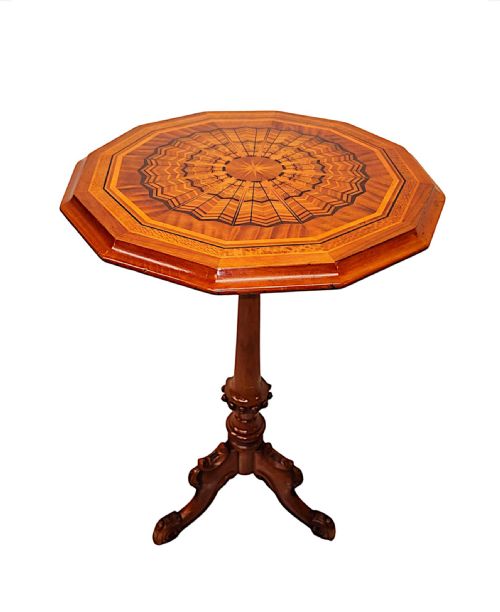
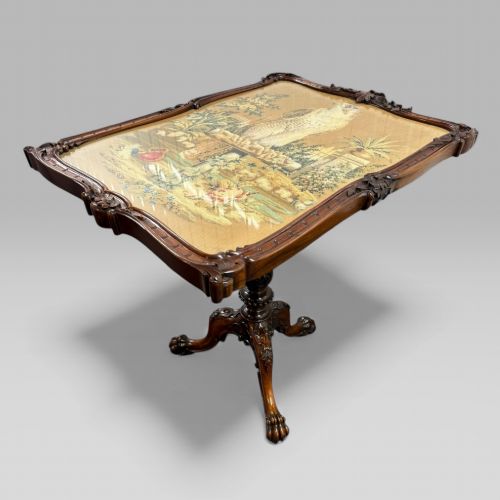
Most examples originate from the Regency era, often carrying attribution to the Lancaster and London workshops rather than a signature. Pieces emerge in varied guises, including rectangular tops, octagonal formats, and inlaid satinwood surfaces.
Materials and construction methods
Cabinet-makers utilised dense native and exotic timbers, selecting flame mahogany, rosewood, and yew for their grain patterns. Surfaces frequently incorporate intricate inlay, brass details, and papier-mâché elements.
Construction relies on stable pillar-and-tripod supports, often featuring carved legs and tilt-top mechanisms. Multi-tiered structures and revolving dumb waiter sections demonstrate advanced joinery designed for fluid domestic movement.
Several tables transform unexpectedly into fire screens or flower stands, proving Regency designers loved multitasking furniture just as much as we do.
Measures of quality in cabinet-making
The distinction between standard workshop output and exceptional pieces rests upon timber selection and secondary wood usage. Superior examples display carefully matched veneers and dense hardwoods like goncalo alves or thuyawood rather than plain secondary stock.
Carving execution defines the upper tier, where tripod legs transition smoothly from pedestal to foot without clumsy proportion. Subtle details such as inlaid banding, operable tilt mechanisms, and well-turned columns elevate the standing of an individual table.
Gillows of Lancaster
The Gillows Tripod Table Glossary
- Tripod table
- A small stand supported by a central pillar resting on three legs. This format allows the table to stand steady on uneven floors.
- Tilt-top
- A tabletop hinged to pivot vertically when not in use. This mechanism permitted easy storage against a wall.
- Dumb waiter
- A multi-tiered serving table with rotating or fixed circular trays. These tiers provided extra surface space for dining and entertaining.
- Goncalo alves
- A dense exotic hardwood with striking contrasting dark brown grain patterns. Makers utilised this timber for decorative occasional pieces.
- Satinwood
- A lustrous yellowish timber used extensively for fine inlay and veneering. It brings a bright visual weight to Regency surfaces.
Gillows Tripod Table: Frequently Asked Questions
What were tripod tables used for?
These versatile stands served multiple domestic functions throughout the day, functioning as portable surfaces for holding candles, books, or writing materials.
In dining rooms and drawing rooms, wine tables and dumb waiters held glassware and decanters, easily moved beside seating areas as needed.
How do I date a Regency piece?
Dating relies on combining stylistic markers, timber choices, and structural hardware. Regency pieces often feature rosewood, brass inlay, and sabre legs.
Earlier Georgian examples tend to use mahogany with birdcage actions, while later Victorian items incorporate heavier carved ornament and oak.
Can I use a tilt-top table daily?
These tables function well in modern homes as lamp or side surfaces, provided you place them away from direct heat sources and strong sunlight that might dry the timber.
Operating the tilt mechanism should be done with care to protect the original brass catch and the hinge block beneath the top.