
Antique Floral Vessel
An antique floral vessel brings plant and blossom motifs into interior spaces through centuries of ceramic, glass, and metalwork traditions.
Antique Floral Vessel
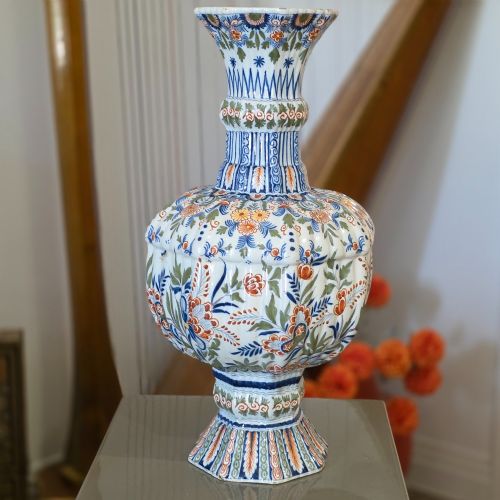
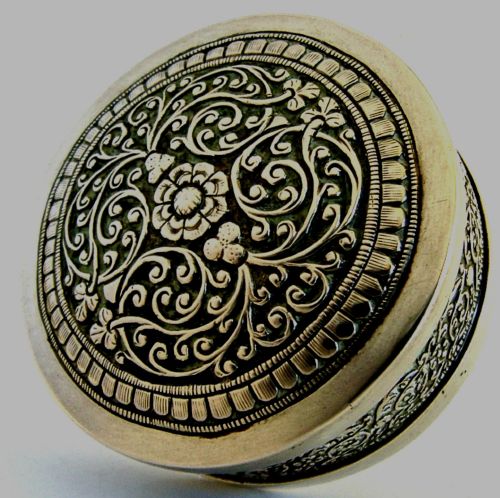
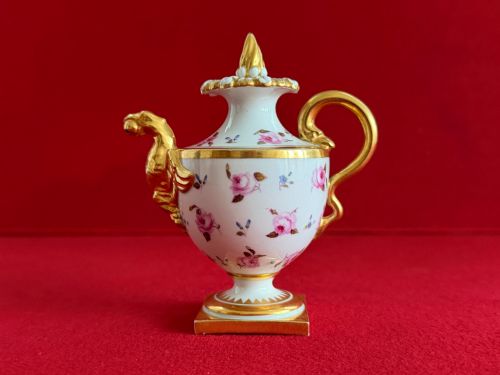
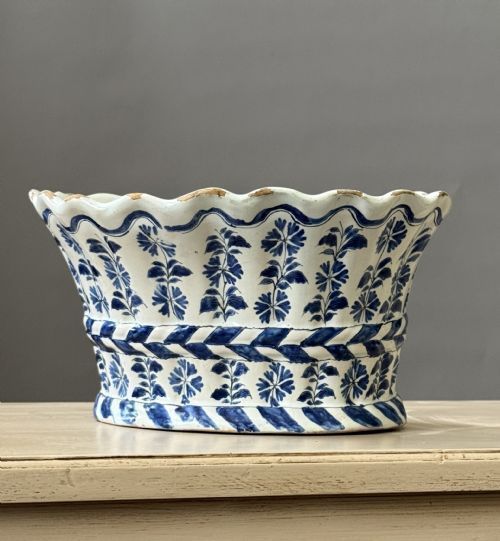
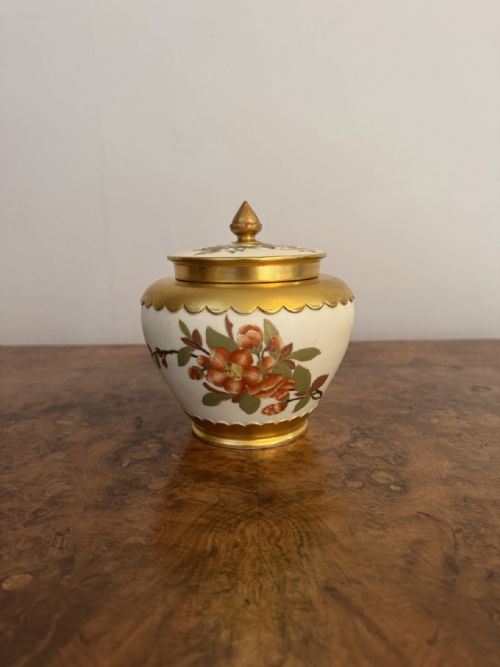
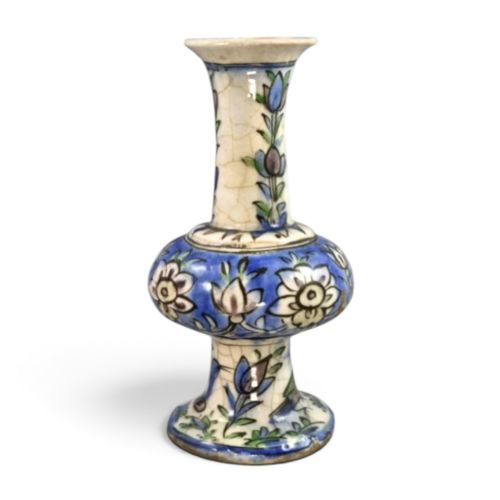
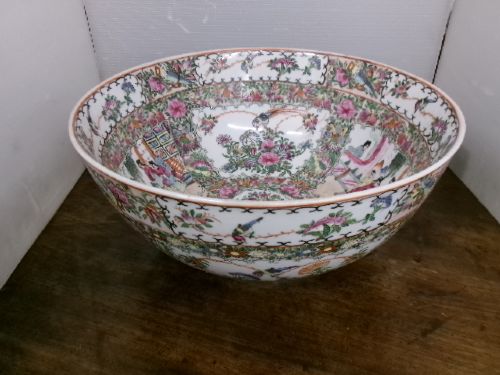
An antique floral vessel encompasses items designed to hold water, display stems, or ornament a room with plant motifs. When searching for an antique floral vessel, buyers encounter objects ranging from small porcelain sprinklers and lidded pots to large earthenware jardinieres and bronze floor vases. The selections span centuries, drawing on British earthenware, European faience, and Asian export works.
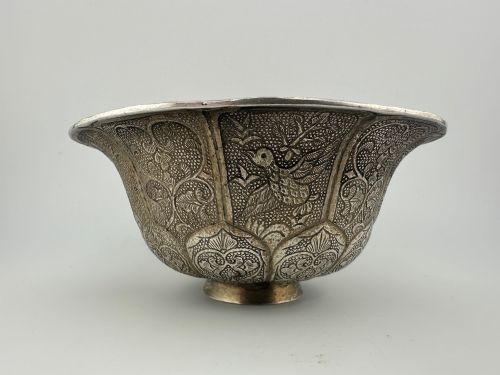
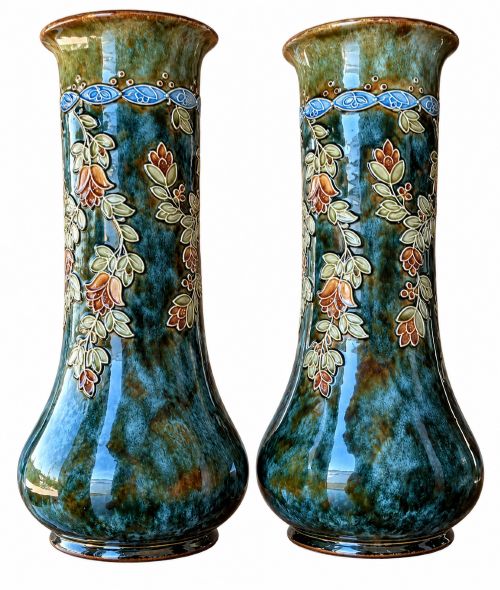
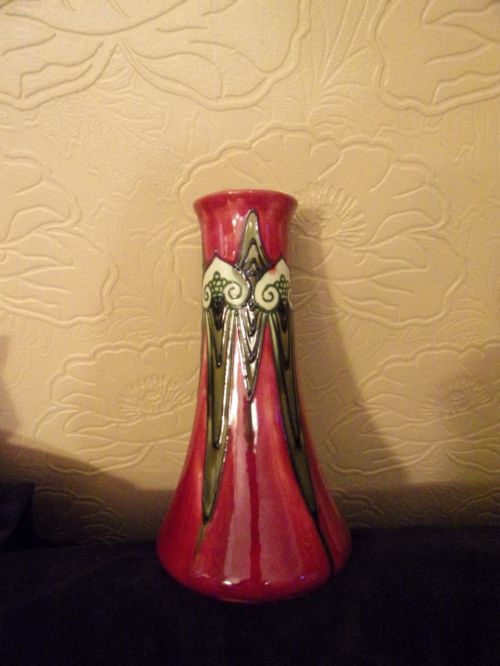
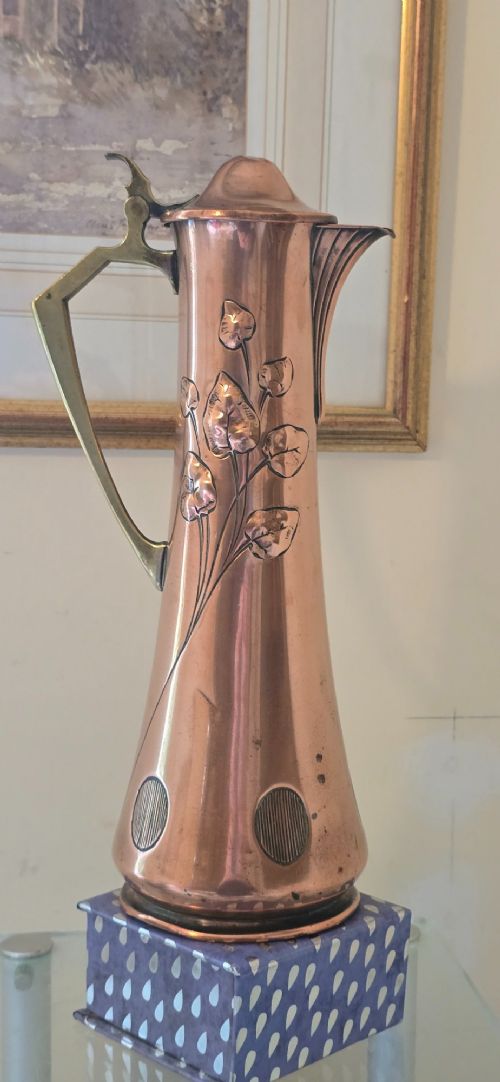
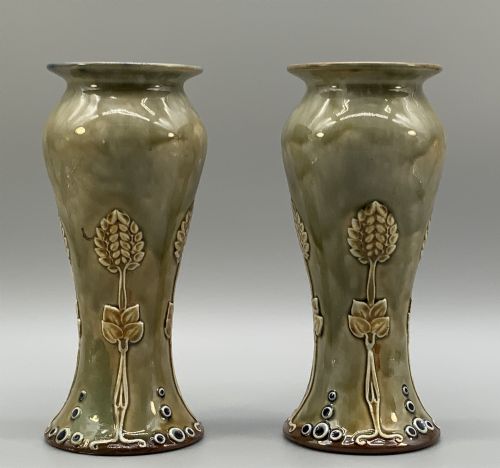
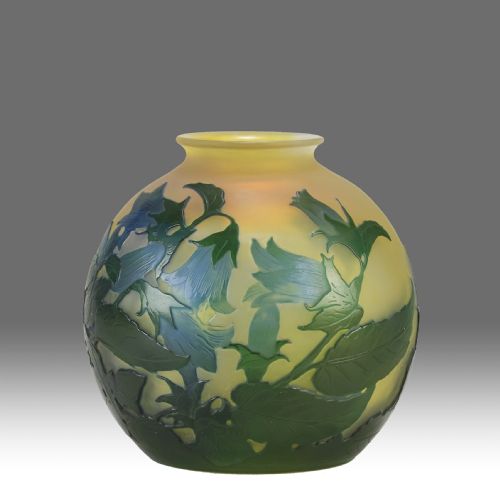
Vessels take many forms, including stoneware ewers, copper jugs, cameo glass vases, and silver bowls decorated with incised or painted foliage. Pieces from the eighteenth and nineteenth centuries frequently feature botanical hand-painting, whilst later Edwardian examples adopt the curved stems and naturalistic lines of the period. Stoneware items from makers such as Royal Doulton represent a durable category often seen within this group.
Materials and construction
Makers shaped these items using ceramic bodies, glass-blowing techniques, and metal casting or hammering. Porcelain, earthenware, and stoneware formed the base for painted glazes, whilst copper and bronze provided rigid structures for enamel work and relief carving.
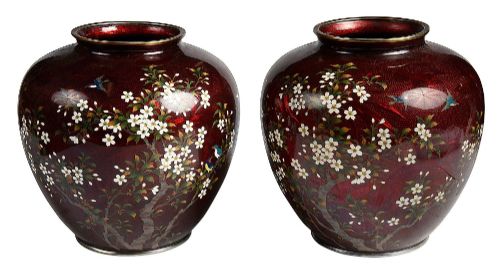
Decoration involved hand-painting, tube-lining, cameo layering, and cloisonne wirework to isolate enamel colours within metal cells. Artisans applied gold leaf, polychrome glazes, and silver inlays to enhance the surface textures of porcelain, marble, and base metals.
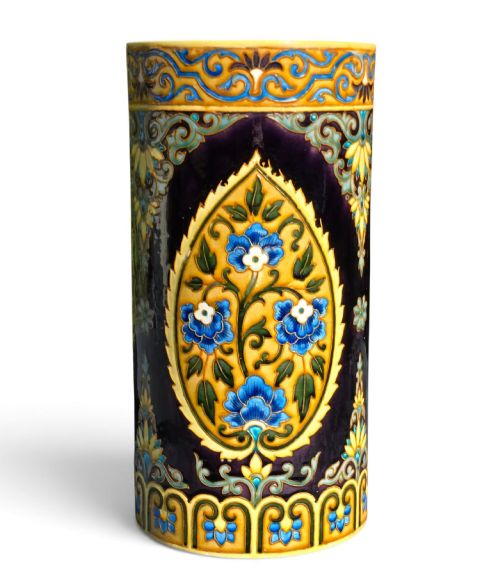
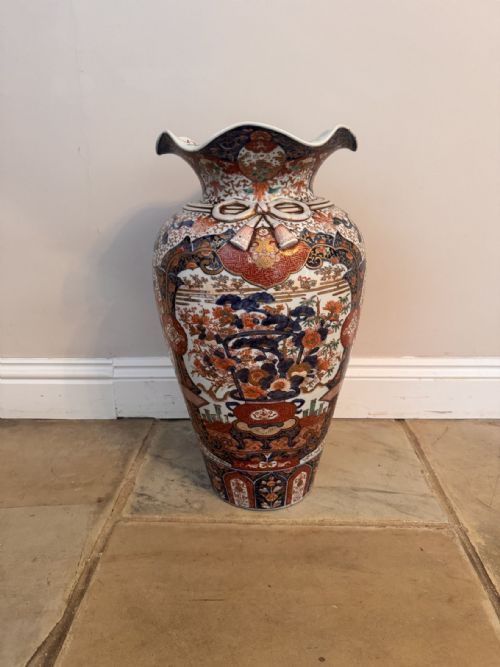
Botanical enthusiasm reached such heights that nineteenth-century makers turned even umbrella stands into blossoming field displays.
Distinctions in craftsmanship
The standard of a piece rests upon the precision of its botanical detailing and the mastery of its glaze or enamel application. Finer ceramic and glass specimens display controlled firing temperatures and delicate brushwork that captures the natural asymmetry of foliage without heavy-handed outlines.
Metal vessels and cloisonne works demonstrate quality through the tightness of wire cells and the absence of pitting in the surface finish. Pieces bearing artist signatures or studio marks often reflect a higher tier of design execution than unmarked commercial output.
Royal Doulton·Flight Barr And Barr·Emile Galle·Spode
The Antique Floral Vessel Glossary
- Tube-lining
- A ceramic decoration technique where clay slip is squeezed through a nozzle onto a vessel body to form raised outlines before glazing. This creates a distinct barrier between different coloured enamel fills.
- Cloisonne
- A metalworking process where flat metal wires are soldered to a base to form compartments that are subsequently filled with enamel paste and fired. The resulting surface displays intricate patterns delineated by thin metallic lines.
- Faience
- Tin-glazed earthenware produced in various European traditions, often featuring painted floral motifs over an opaque white background. It bridges the gap between utilitarian pottery and decorative art.
- Jardinieres
- Large ornamental pots designed to hold growing plants or flower arrangements rather than cut stems. They appear frequently in stoneware and ceramic materials from the nineteenth century onward.
- Cameo glass
- A vessel construction method involving two or more fused layers of contrasting glass colours, carved away to create relief designs. This technique achieved prominence during the Art Nouveau period.
Antique Floral Vessel: Frequently Asked Questions
How do I clean an antique ceramic vase?
Dust surfaces gently with a dry microfiber cloth to remove surface particles without disturbing older glazes or enamel work.
Avoid immersing antique earthenware or vessels with exposed metal leaf in water, as moisture can penetrate porous bodies and cause structural damage.
What periods do these floral vessels cover?
The available selection spans from the seventeenth century through the Edwardian era and into the early twentieth century.
Most items originate in the Victorian and Meiji periods, reflecting nineteenth-century industrial ceramics and traditional Asian export methods.
Are these vessels suitable for holding water?
Many glazed ceramic, porcelain, and metal vessels remain watertight, but older porous earthenware and unglazed stoneware can seep moisture.
Use a discreet glass or plastic insert inside delicate or porous antique containers if you wish to display fresh cut stems safely.
How can I distinguish Art Nouveau pieces?
Art Nouveau floral vessels display asymmetrical plant stems, curved botanical lines, and stylised blossom motifs inspired by natural growth patterns.
Look for tube-lined glazes and cameo glass profiles produced around the turn of the twentieth century by studios such as Royal Doulton and Emile Galle.