
Antique Floral Tapestry
An antique floral tapestry brings centuries of textile artistry indoors, offering rich botanical motifs woven into seating, screens and wall hangings.
Antique Floral Tapestry
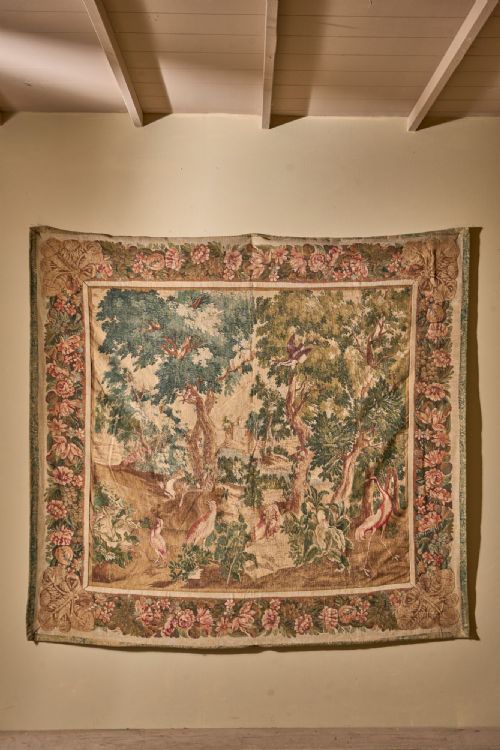
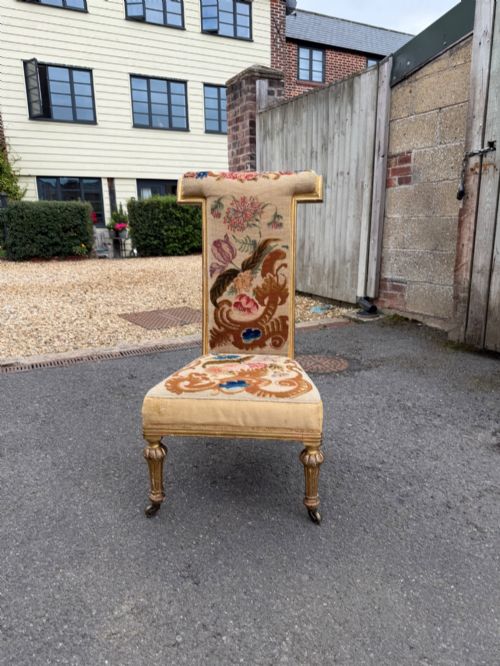
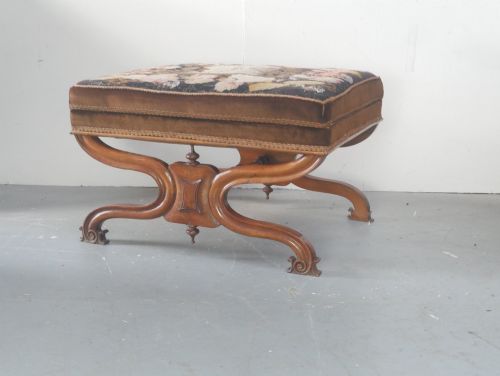
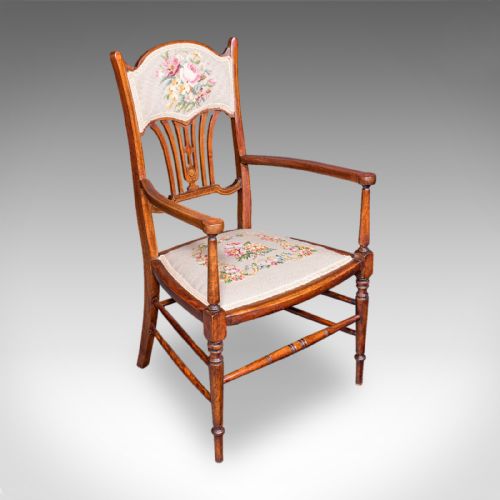
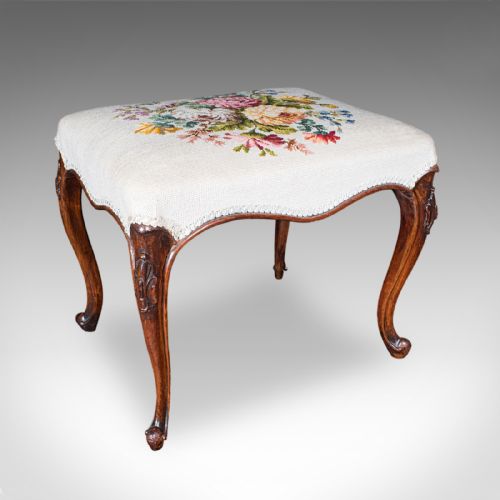
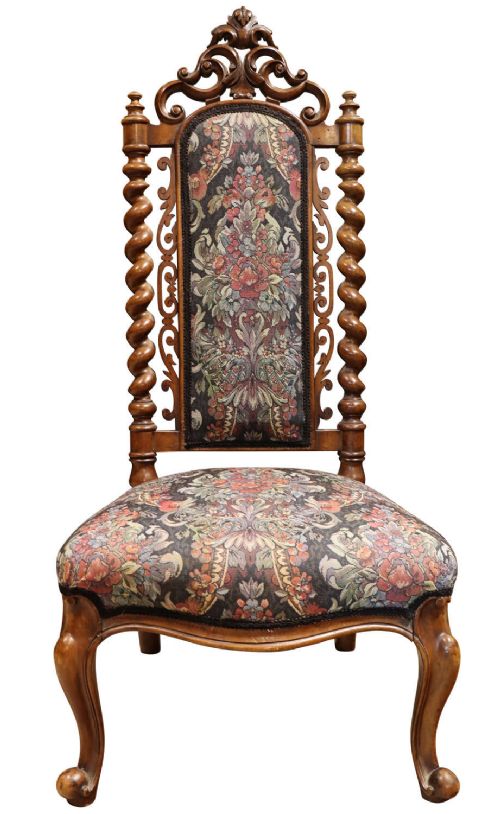
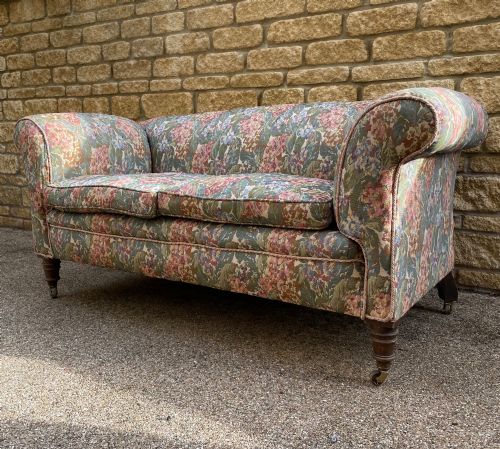
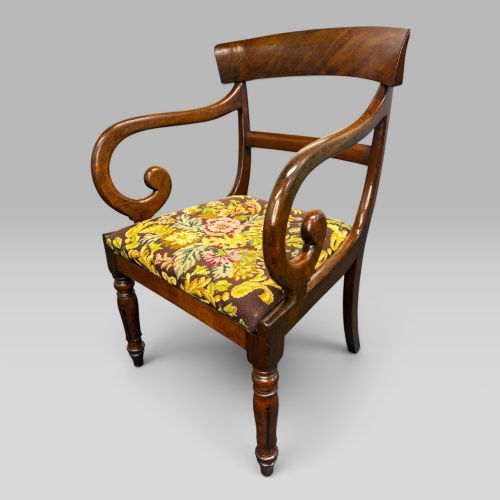
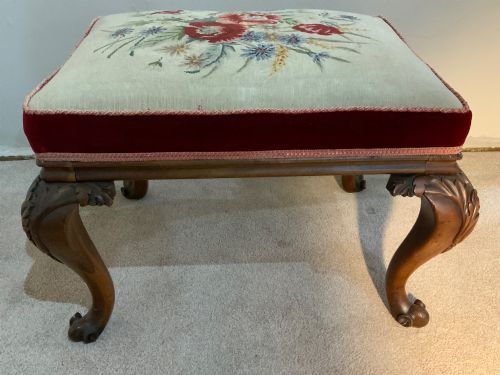
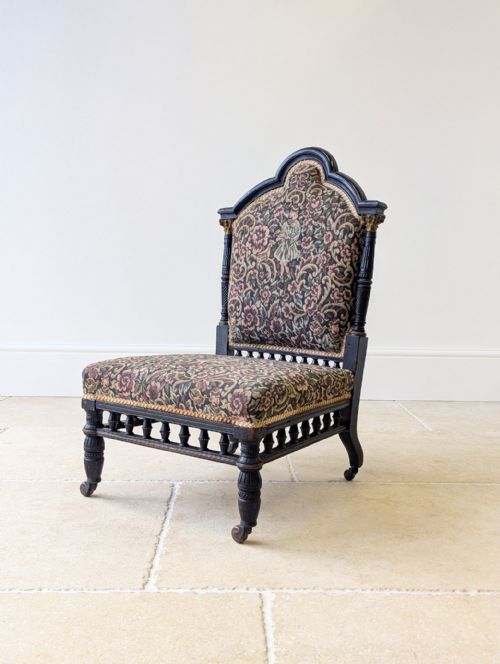
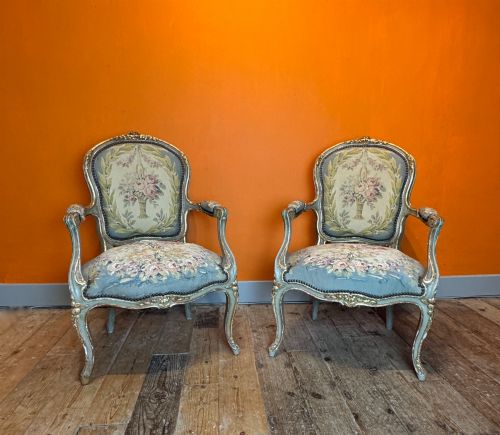
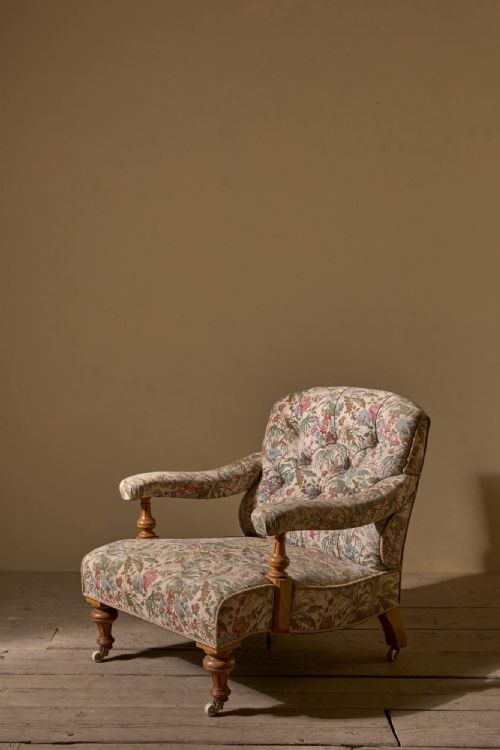
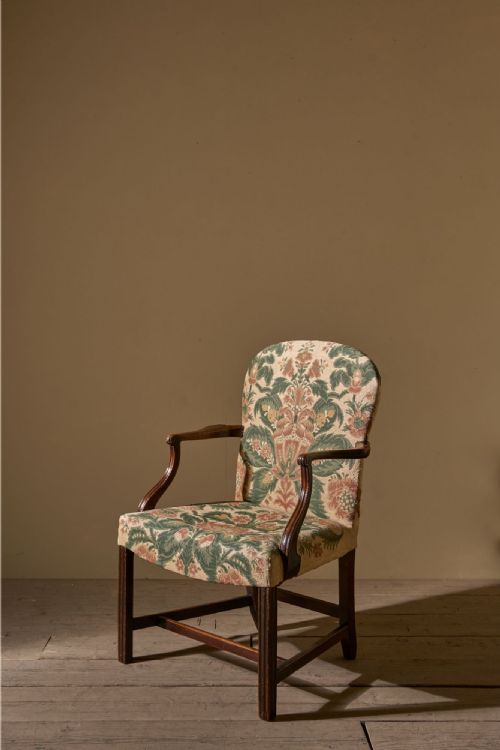
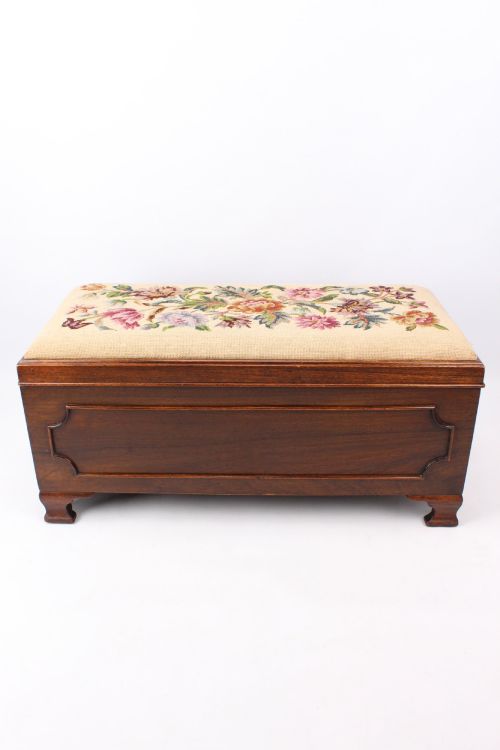
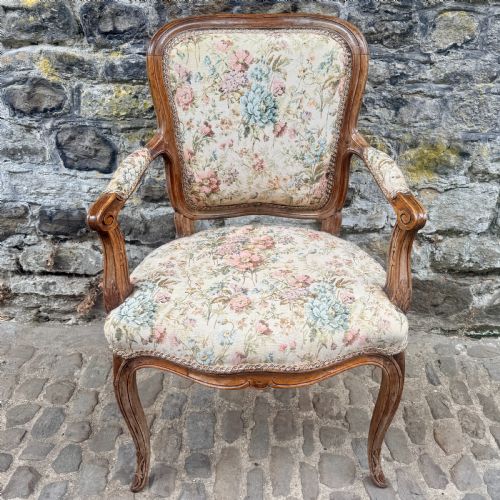
An antique floral tapestry appears most frequently as upholstery on nineteenth-century armchairs, salon chairs, footstools and sofas, alongside framed wall hangings and firescreens. These textiles transform functional furniture into decorative centrepieces through intricate botanical designs.
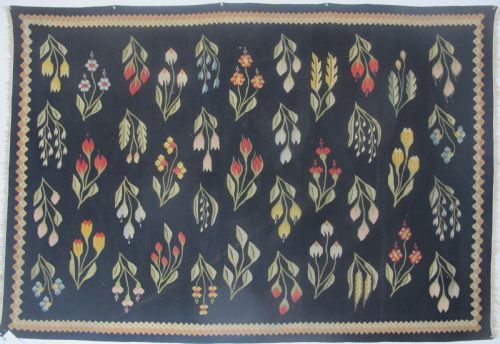
The selection ranges from Victorian walnut and mahogany seating covered in wool needlepoint to European wall panels and Central Asian embroidered suzanis. Pieces span several centuries, with nineteenth-century examples forming the core of the available items alongside earlier European and regional textiles.
How they were made
Maker's workshops employed wool, silk, and cotton threads worked onto supportive textile foundations, often mounted on robust hardwood frames of walnut, mahogany, beech, or pitch pine. Weaving and needlework techniques varied from flat tapestry weaves to raised needlepoint and crewelwork stitches.
Structural elements incorporated brass details, giltwood, and carved woodwork to complement the textile panels. Frameworks were joined using traditional cabinet-making methods suited to the demands of daily use.
Listings feature wool, silk, cotton, and tapestry textiles mounted on walnut, mahogany, and beech frames across the Victorian, Georgian, and seventeenth-century periods.
What varies in quality
Quality rests in the precision of the needlework or weaving, the complexity of the botanical composition, and the integrity of the supporting wooden frame. Tighter stitch density and more nuanced colour blending separate standard production items from finer workshop pieces.
The relationship between the textile and its mount dictates the overall standard. Original upholstery integrated harmoniously with carved walnut or mahogany structures demonstrates a higher degree of initial craftsmanship than later adaptations.
The Antique Floral Tapestry Glossary
- Needlepoint
- A form of counted thread embroidery stitched onto an open-weave canvas foundation. It provides the firm, durable surface seen on many nineteenth-century footstools and chair seats.
- Crewelwork
- Embroidery executed using wool yarn on a linen or cotton twill fabric. This technique creates textured botanical patterns across seventeenth-century and later English textiles.
- Pole screen
- A freestanding wooden screen featuring an adjustable vertical panel designed to shield a person's face from the heat of an open fireplace. The panel frequently contains a tapestry or needlework picture.
- Giltwood
- Wood that has been coated with a thin layer of gold leaf or gold paint. It appears on the frames of fine French and English armchairs and wall panels.
Antique Floral Tapestry: Frequently Asked Questions
How do I clean an antique floral tapestry?
Surface dust can be removed gently using a soft brush or a low-suction vacuum applied through a protective mesh screen. Professional textile conservators should handle deeper cleaning to prevent fibre damage.
Water and standard detergents risk shrinking the wool and cotton threads or destabilising the underlying frame structures. Dry brushing remains the safest routine maintenance method.
Are these tapestries suitable for daily use?
Sturdier footstools and armchairs with dense wool needlepoint withstand light daily seating if placed away from direct sunlight. Wall hangings and pole screens experience virtually no physical wear.
Delicate silk-on-silk examples and historic wall panels function best as decorative display items rather than heavily used furniture.
How do I date a tapestry upholstered chair?
Dating relies on examining the timber frame, carving style, and upholstery construction methods together. Victorian and William IV pieces display distinct cabinet-making characteristics.
The weave structure and material composition of the textile itself offer further clues to the period of manufacture.
Where were these textiles originally made?
The pieces originate from diverse workshops across Britain, France, and Central Asia. European items often reflect English country house or French court aesthetics.
Central Asian suzanis represent regional tribal traditions with distinct architectural and botanical symbolism.