
Antique Tapestry Art
Antique tapestry art brings centuries of woven narratives and needlework into domestic spaces, offering rich textures and historical depth.
Antique Tapestry Art
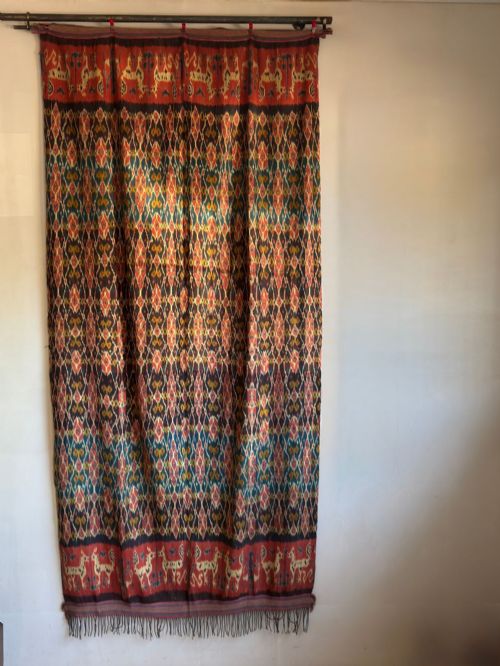
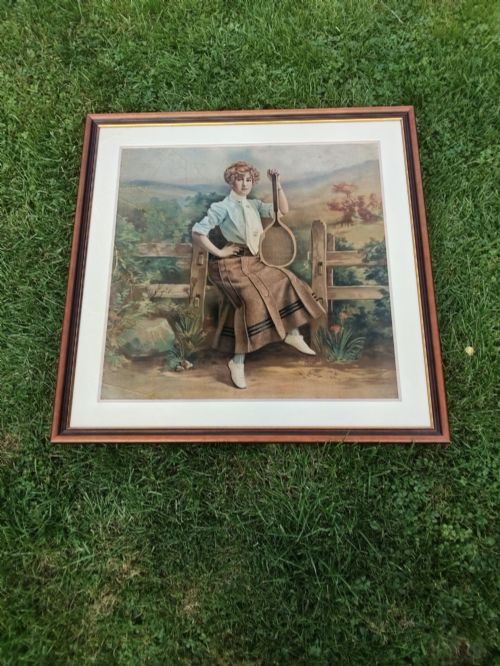
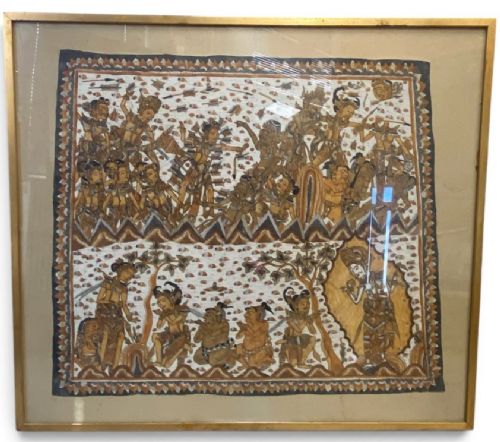
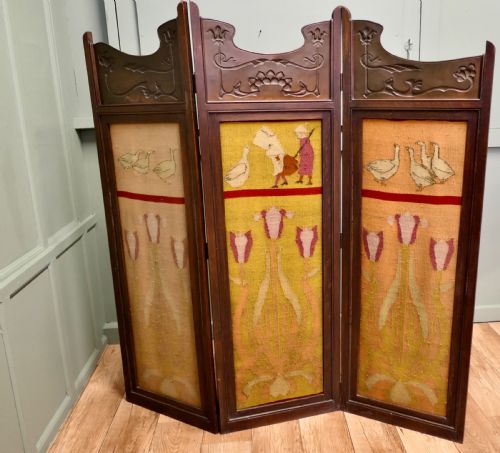
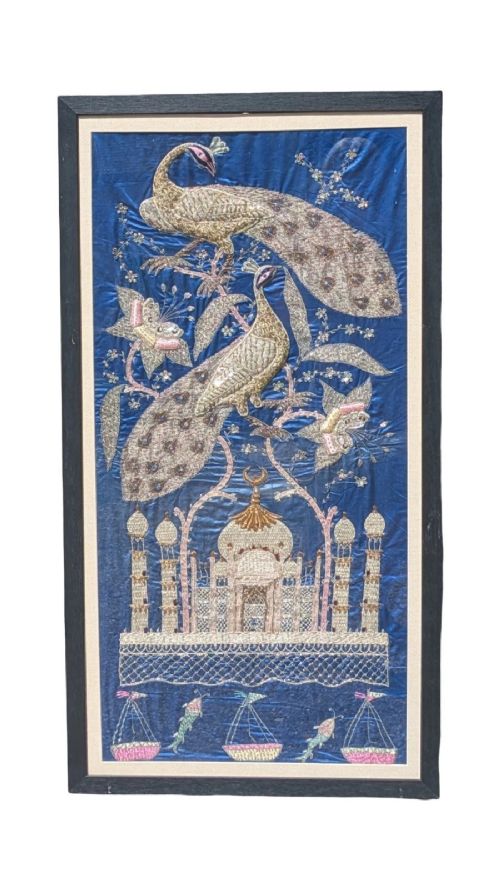
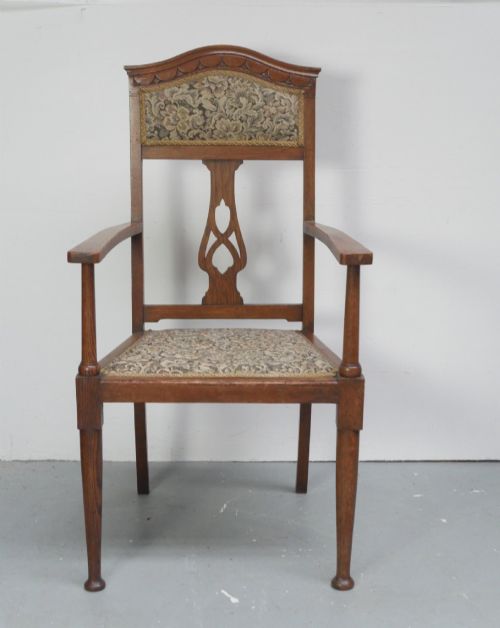
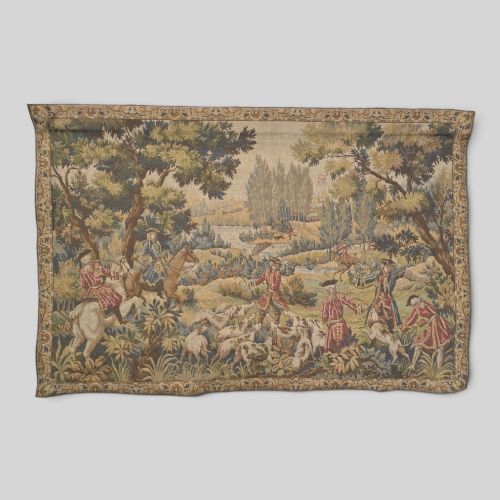
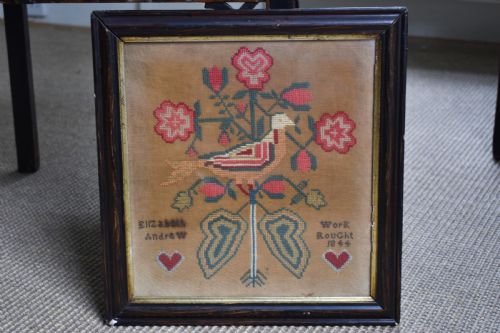
When you search for antique tapestry art, you encounter a diverse range of textiles spanning from the seventeenth century through to the Edwardian era. The pieces include framed needlework panels, wall hangings, samplers, and embroidered panels originating from Europe, Central Asia, and East Asia.
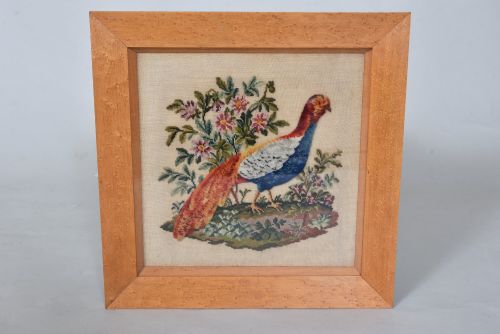
You are most likely to meet nineteenth-century wool work pictures, tribal embroideries, and framed Berlin work on this page. These items reflect the domestic and ceremonial handcrafts of various traditions, presented as wall art or textile pieces.
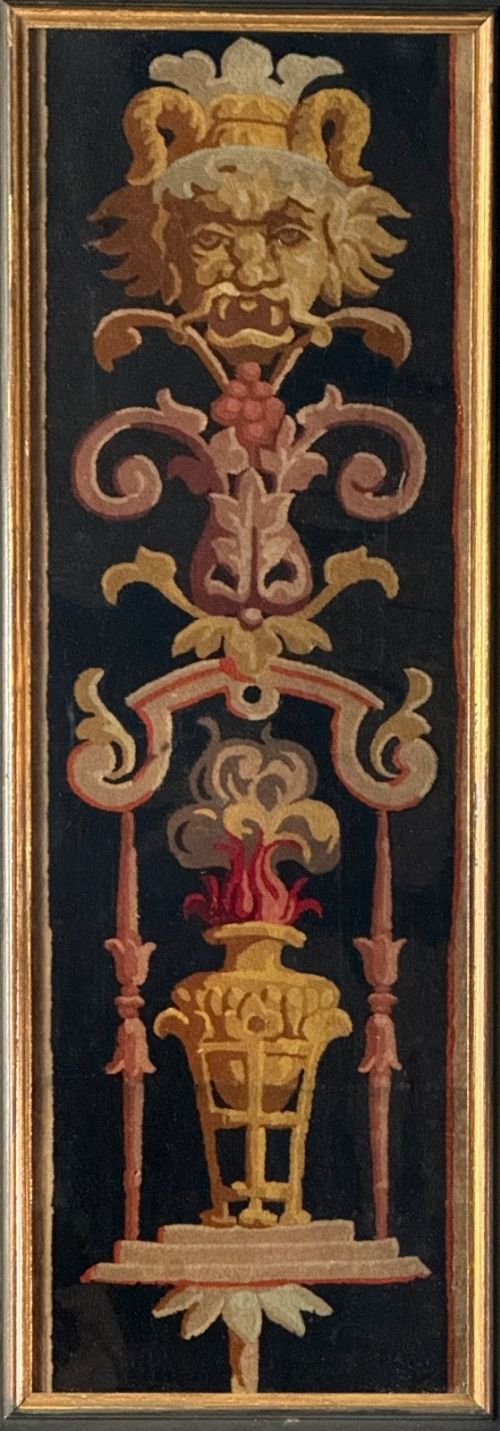
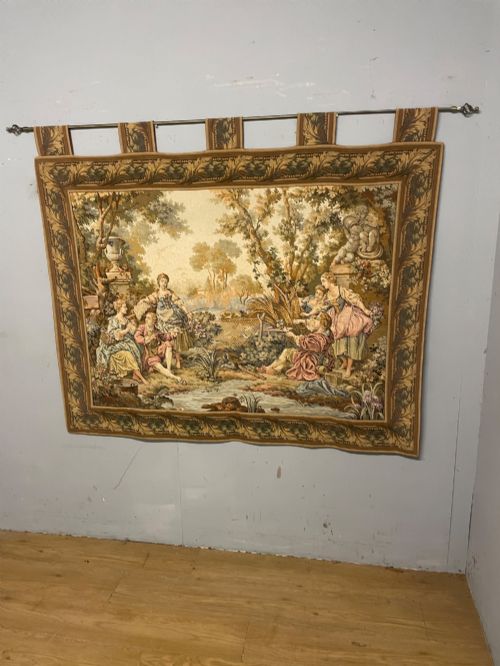
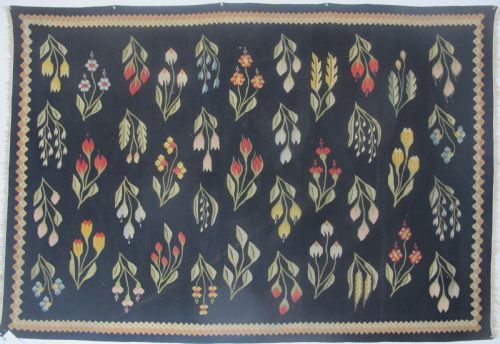
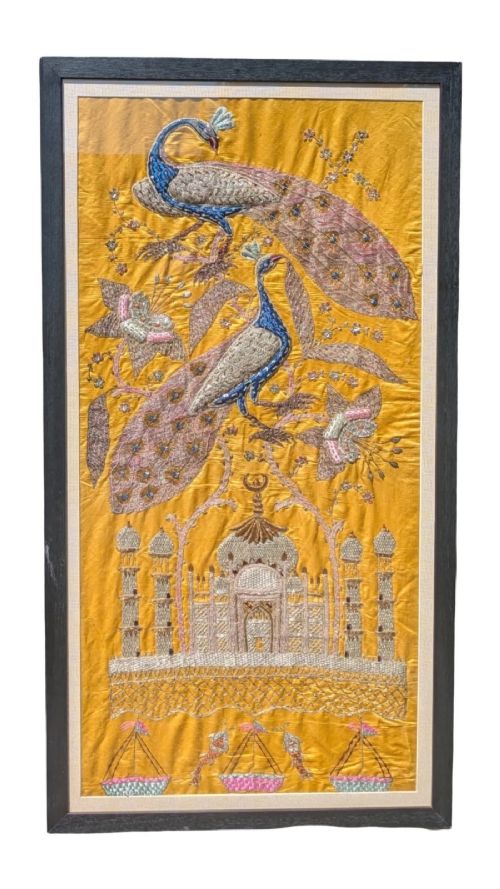
The selection ranges from French verdure fragments and Flemish panels to Uzbek dowry embroideries and Turkmen asmalyks. Each piece represents a specific regional technique and period, whether European classical embroidery or Central Asian tribal craft.
Materials and construction
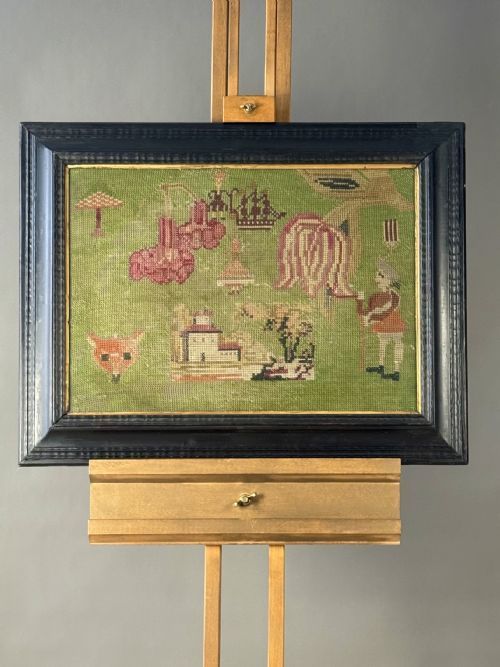
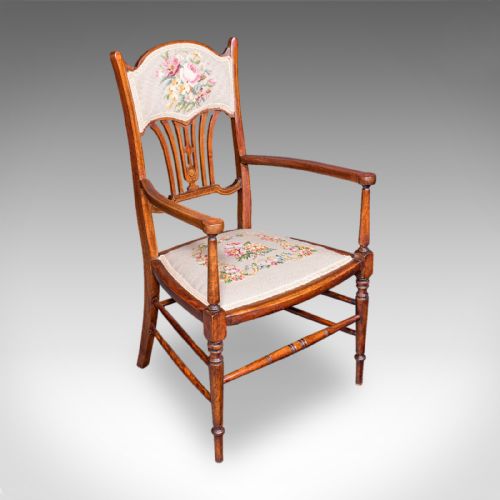
The construction relies heavily on natural fibres such as wool, silk, cotton, and linen, often worked upon canvas or heavy textile backings. Stitching techniques vary from fine silk embroidery and crewelwork to plushwork and Berlin wool work.
Many European and Asian pieces incorporate hand-spun threads dyed with natural pigments, mounted on linen or framed behind glass in original wooden surrounds like burr maple. Loom-woven panels utilise complex weaving structures alongside hand-stitched embellishments.
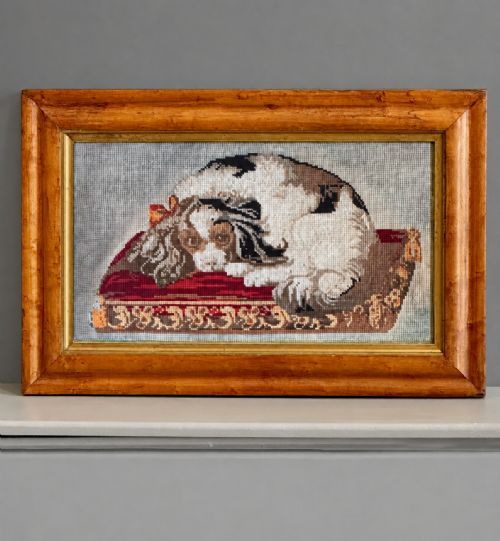
A King Charles spaniel immortalised in nineteenth-century wool work stares out from an original burr maple frame.
Evaluating quality and execution
Quality rests upon the fineness of the stitch, the complexity of the design, and the integrity of the textile support. Finer needlework displays tighter tension, intricate shading, and well-preserved pictorial composition.
Condition and originality dictate distinction, particularly the survival of original framing, uncompromised fibre strength, and minimal restoration. Pieces retaining their original context and vibrant natural dyes stand apart from heavily altered examples.
The Antique Tapestry Art Glossary
- Berlin work
- A popular nineteenth-century needlework method using printed grid patterns and coloured wools. It allowed makers to create detailed pictorial scenes with geometric precision.
- Verdure tapestry
- A woven wall hanging featuring a stylized landscape design, often dominated by foliage, trees, and occasionally animals or architectural elements.
- Samplers
- Practice pieces created by needleworkers to demonstrate proficiency in various stitches and alphabets. They often include dates, maker names, and decorative motifs.
- Suzani
- A type of embroidered tribal textile from Tajikistan, Uzbekistan, and other Central Asian nations. They are traditionally made by brides as part of their dowry.
- Asmalyk
- A pentagonal or hexagonal camel caparison used in Turkmen weddings. They are woven in pile or embroidery techniques to adorn ceremonial animals.
Antique Tapestry Art: Frequently Asked Questions
How do I hang heavy textile art?
Heavy textiles and framed tapestries require secure wall anchors and proper weight distribution to avoid straining the fabric. Using a concealed wooden batten or professional framing ensures the weight hangs evenly without tearing the ancient fibres.
Keep woven pieces away from direct sunlight and damp environments to preserve the integrity of the wool and silk threads over time.
How are antique tapestries cleaned?
Cleaning antique textiles requires specialist conservation methods rather than standard domestic washing. Gentle surface dusting with a soft brush is usually the limit of safe home maintenance.
Professional textile conservators should handle any deep cleaning or stain removal to prevent shrinking, dye bleeding, or structural damage to fragile stitches.
What is the difference between embroidery and tapestry?
Tapestries are woven structures where the design is created on a loom by interlacing warp and weft threads together. The image is built directly into the fabric during the weaving process itself.
Embroidery involves stitching designs onto an already existing foundation fabric, such as linen, canvas, or cotton, using a needle and various thread types.