


Antique Floral Serving Platter
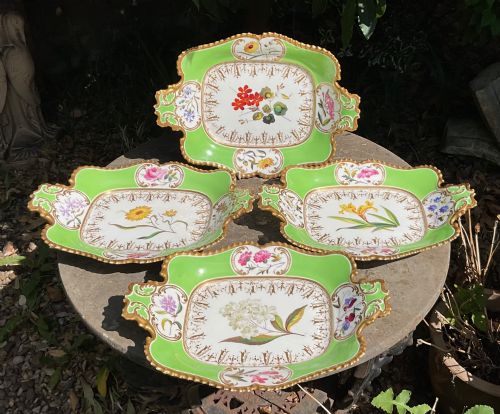
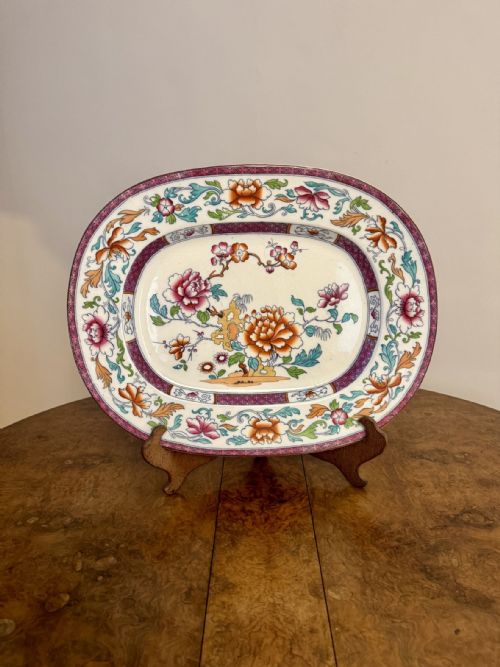
An antique floral serving platter brings hand-painted petals and generous proportions to the table, offering a decorative surface for meat, cheese or fruit.
Antique Floral Serving Platter
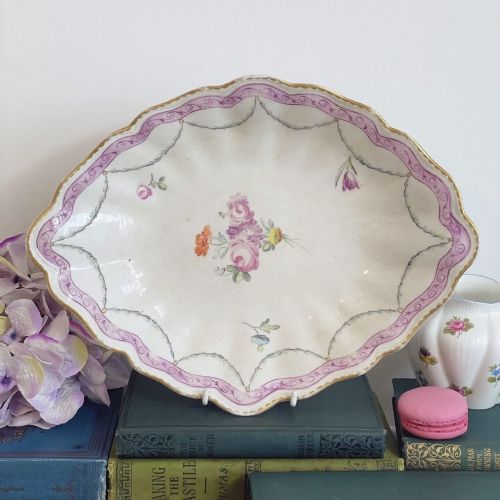
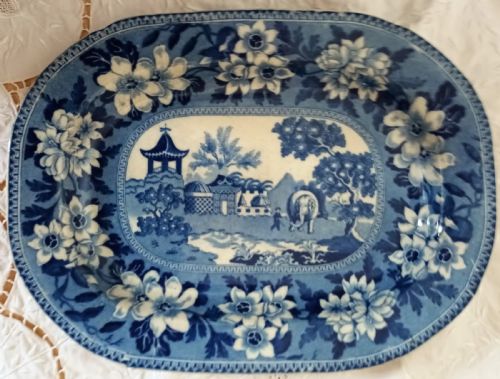
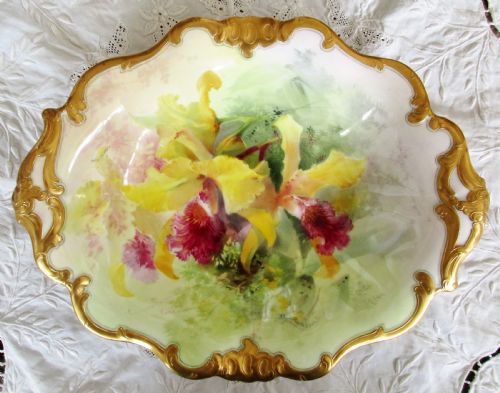
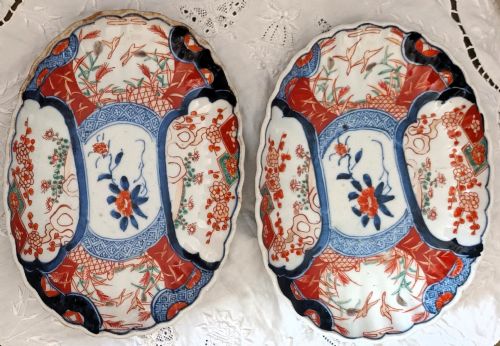
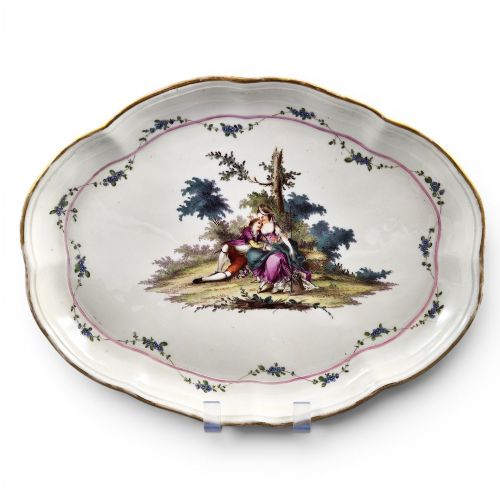
When searching for an antique floral serving platter, a buyer encounters a diverse group of large ceramic plates, porcelain dishes and papier-mâché or metal trays designed for presentation at the table. These pieces span the 18th century through the early 20th century, emerging from English potteries, European porcelain manufactories and Japanese kilns. The selection on this page ranges from deep earthenware meat platters transfer-printed with botanical motifs to finely painted porcelain serving dishes bearing polychrome flower sprays.
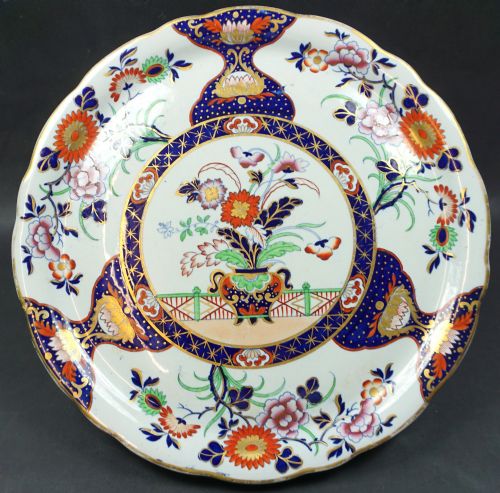
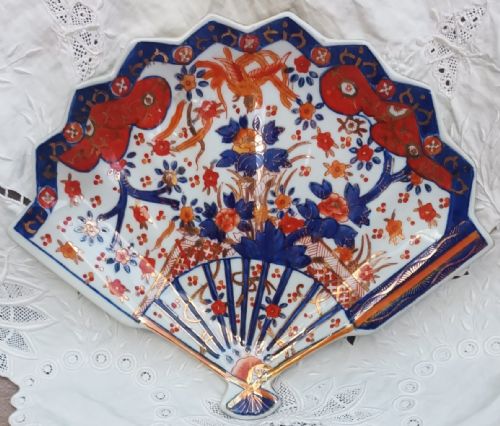
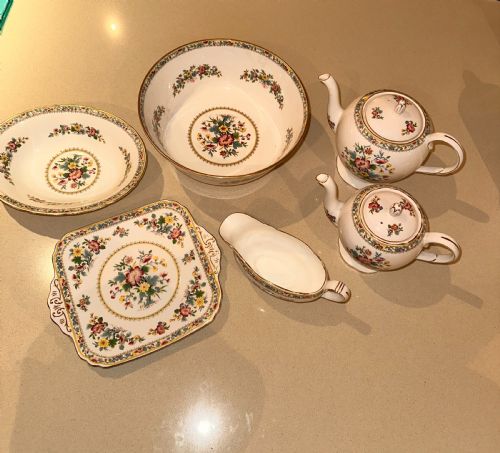
Many examples originate from notable English establishments like Derby, Coalport and Chamberlains Worcester, alongside Continental factories and Japanese Meiji period workshops. Forms vary from substantial oval meat dishes and deep chargers to rectangular serving trays and multi-piece dinner services. Whether decorated with blue and white transfer prints, hand-coloured floral patterns or Japanese Imari designs, each piece serves the historical function of carrying food or displaying provisions.
Materials and methods
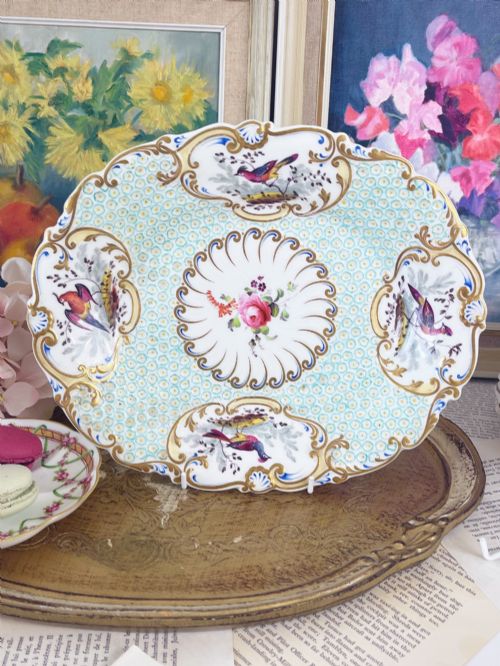
Potters and artisans produced these serving vessels using ceramic, earthenware and porcelain, shaping bodies on wheels or pressing them into moulds before applying glaze. Decoration was achieved through underglaze blue painting, intricate polychrome enamelling, transfer printing and gilding with gold leaf. Japanese pieces utilised specialised firing techniques for Imari and Kutani wares, while English makers relied on refined bone china and pottery bodies.
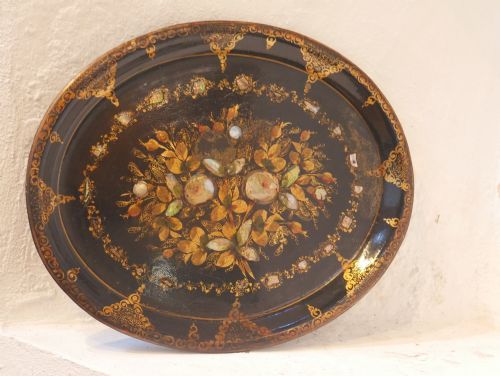
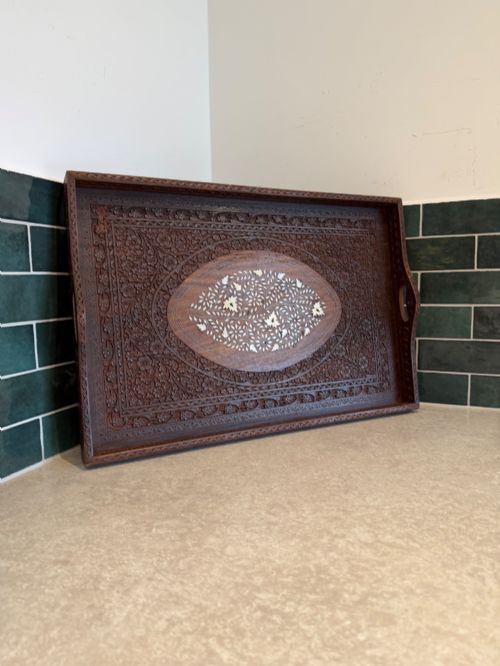
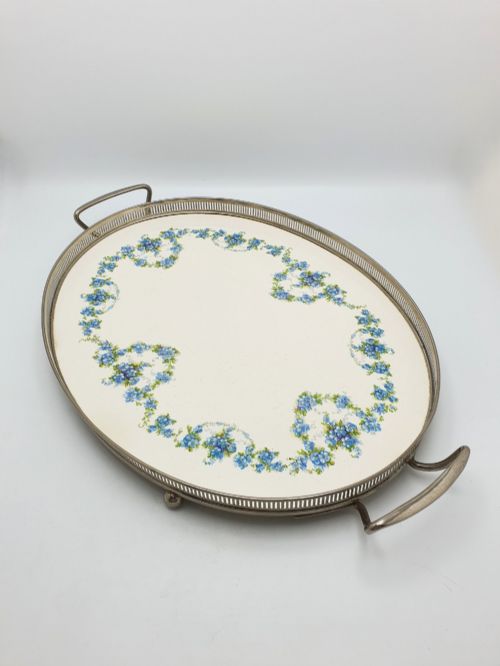
Alternative forms of serving trays were constructed from papier-mâché, lacquer and metals such as silver plate, Sheffield plate and sterling silver. Papier-mâché trays involved layering paper pulp and size, pressing it into rigid forms, and finishing the surface with dark lacquer, hand-painted floral reserves and gilt borders. Metal platters and chargers required skilled silversmithing, engraving and surface plating to achieve polished decorative finishes.
Listings feature porcelain, earthenware, ceramic, and enamel materials paired with gold leaf and glaze across multiple centuries.
Assessing the execution
Quality in these platters rests upon the precision of the hand-painting, the clarity of the transfer print and the crispness of the moulded or shaped edges. Superior porcelain and earthenware display refined clay bodies with minimal kiln distortion, even glaze coverage and tightly controlled polychrome enamels. Lesser examples may exhibit blurred transfer lines, uneven glaze pooling or crude hand-touching on mass-produced bodies.
The sophistication of the floral decoration dictates the upper tier of the range, particularly where artists incorporated delicate botanical studies, fancy birds or intricate gilt borders. On metal and papier-mâché trays, quality appears in the depth of the engraving, the durability of the lacquer and the intact preservation of the gold leaf. Pieces bearing recognizable factory marks or attributed artist signatures demonstrate a higher level of workshop execution.
H & R Daniel·Derby·Chamberlains Worcester·Hicks & Meigh·John Rogers & Son·Royal Doulton·Joseph Gaspard Robert·Minton·Carlton Ware·Walker & Hall·Padley Parkin·Coalport·Müller Volkstedt
The Antique Floral Serving Platter Glossary
- Polychrome
- Decorated in multiple colours. This technique involved hand-painting floral sprays in various enamel shades across the glazed ceramic surface.
- Transfer printing
- A method of applying a detailed printed design to pottery from an engraved copper plate via tissue paper. It allowed complex patterns to be reproduced consistently.
- Imari
- A style of Japanese export porcelain characterised by a palette of underglaze blue, iron red and gold. These pieces frequently feature intricate floral and bird motifs.
- Papier-mâché
- A composite material made from reinforced paper pulp or layers of paper glued together, compressed and dried. It provided a lightweight yet durable base for painted serving trays.
- Charger
- A large decorative plate or platter. These items often sat beneath smaller dishes or served as central display pieces on a table or sideboard.
- Gilt
- Covered thinly with gold leaf or gold paint. This finish highlighted rims, handles and borders on porcelain and lacquer trays.
Antique Floral Serving Platter: Frequently Asked Questions
Were these platters meant for daily dining?
Many of these vessels were produced as functional items for dining tables, serving joints of meat, vegetables or desserts during large family meals. Earthenware meat platters and porcelain dinner services handled heavy everyday use in domestic households.
Other decorative trays, particularly those made of papier-mâché, lacquer or precious metals, served primarily for carrying tea or presenting items in drawing rooms rather than direct contact with heavy food.
How should I clean an antique serving dish?
Ceramic and porcelain platters require careful hand-washing in lukewarm water with mild soap to protect the glaze and hand-painted enamels. Abrasive sponges and modern dishwashers must be avoided, as harsh detergents and high heat degrade old glazes and gold leaf.
Metal and papier-mâché trays need gentle dusting and dry cleaning methods rather than soaking in water. Moisture can damage the papier-mâché core and cause lacquered surfaces to lift or craze.
How do I identify the period of a platter?
Dating relies on examining the backstamps, factory marks, ceramic body composition and stylistic clues within the floral artwork. 18th-century pieces often feature soft-paste porcelain bodies and hand-painted underglaze blue marks, while Victorian examples show distinct transfer-printed registry marks or heavier earthenware bodies.
Comparing the painting style and border motifs to documented examples from known makers provides a reliable window for production dates. Changes in manufacturing technology, such as the shift from hand-thrown to mould-pressed pottery, also help narrow the era.
Can I use these platters for serving food today?
Most ceramic and porcelain platters remain suitable for serving dry foods, fruits or breads when handled with care. However, older lead-glazed earthenware or pieces with significant surface wear require caution regarding direct contact with acidic or greasy foods.
Metal, papier-mâché and lacquer trays function best for display, dry service or holding decorative items rather than carrying hot or wet dishes.