

Antique Floral Pottery
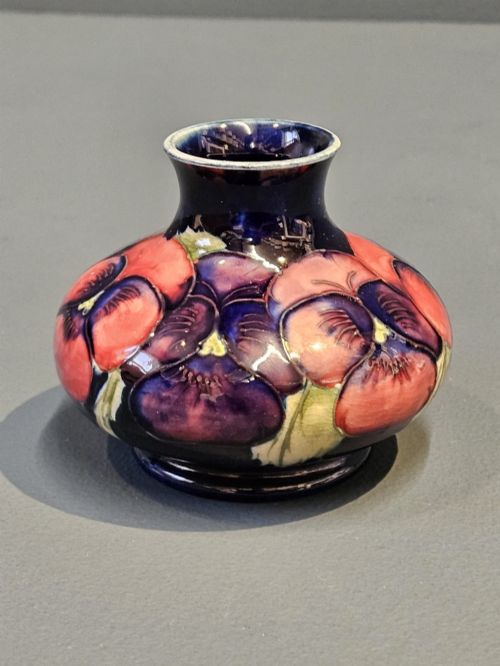
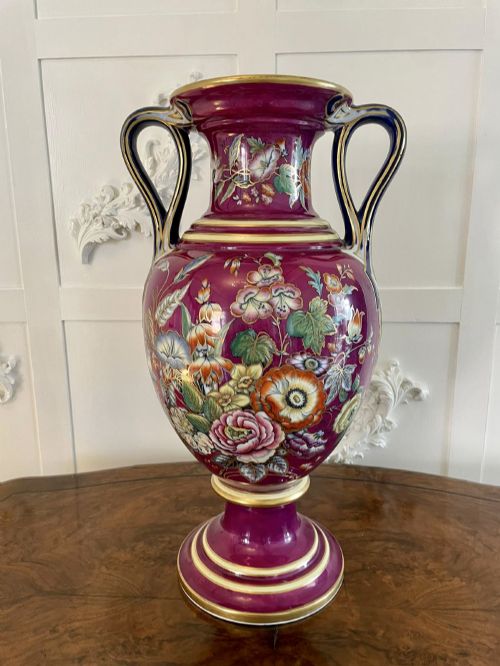
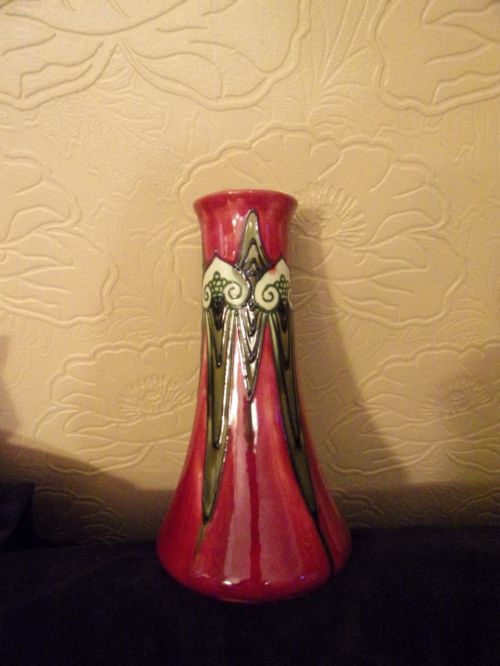
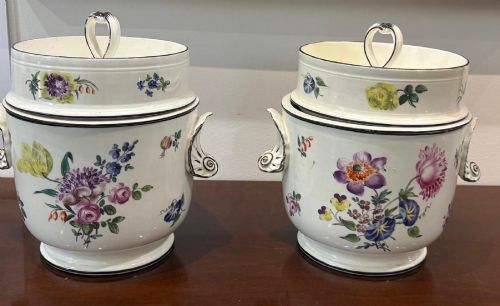
Antique floral pottery brings centuries of botanical decoration into the home through hand-painted vases, chargers, and jugs.
Antique Floral Pottery
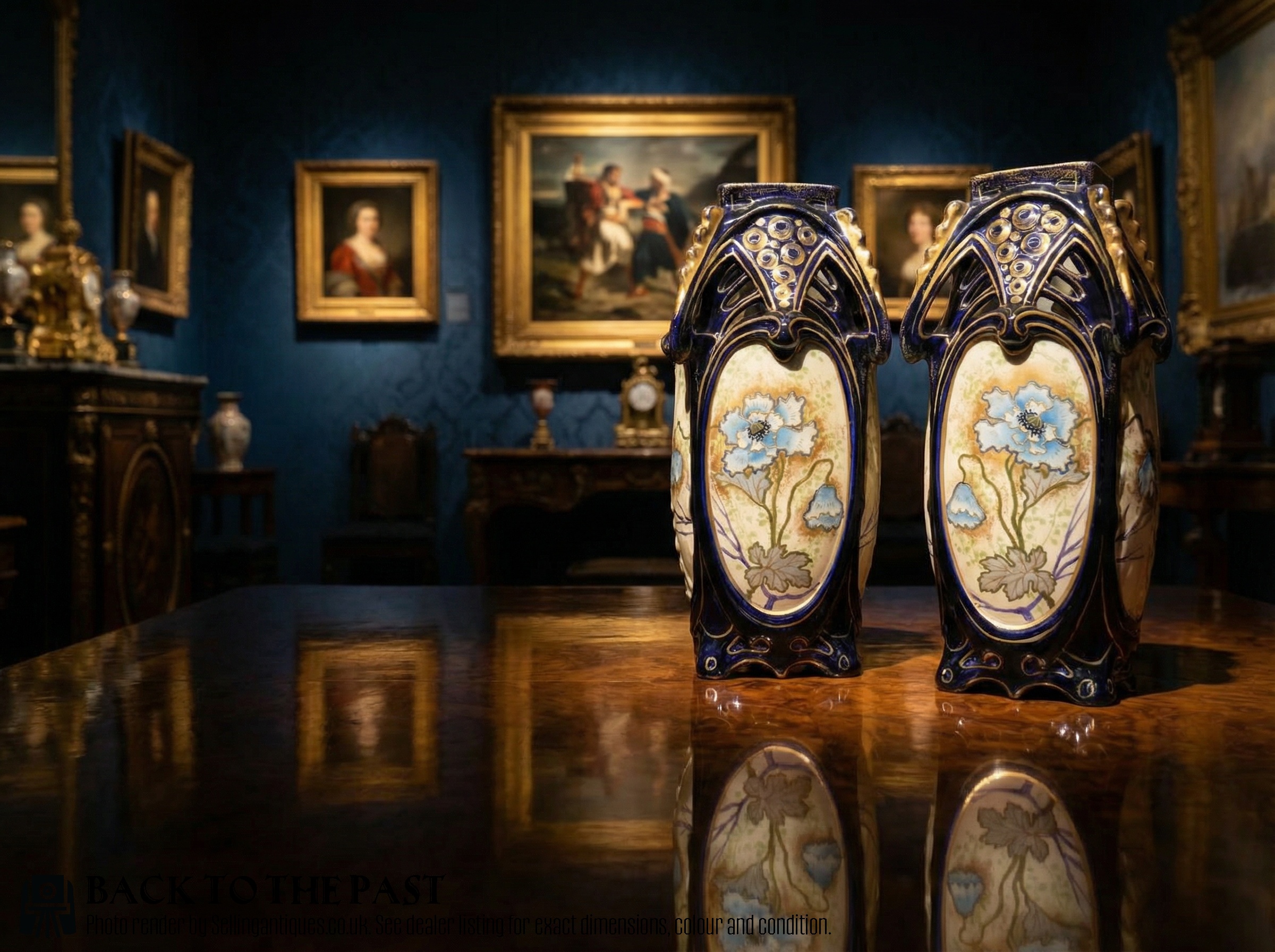
Antique floral pottery encompasses a diverse selection of ceramic objects decorated with plant and flower motifs, spanning multiple centuries and origins. When buyers search for antique floral pottery, they encounter everything from domestic earthenware jugs to decorative porcelain vases and chargers.
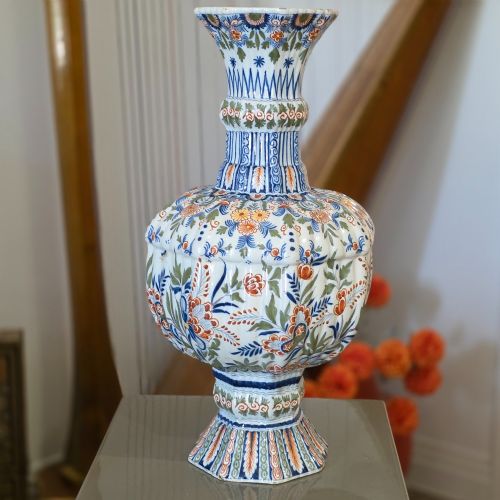
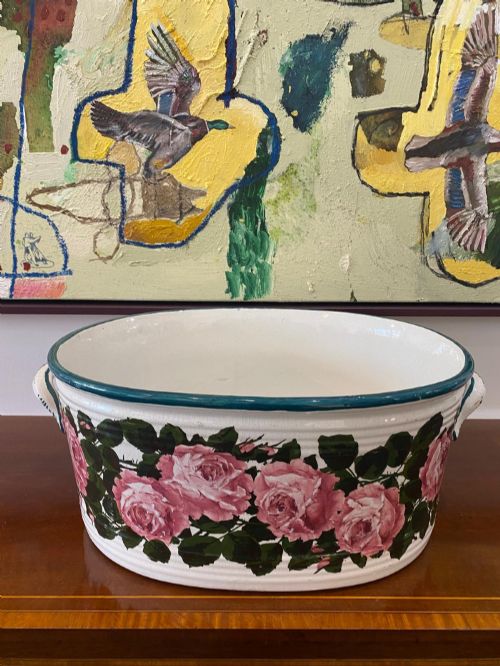
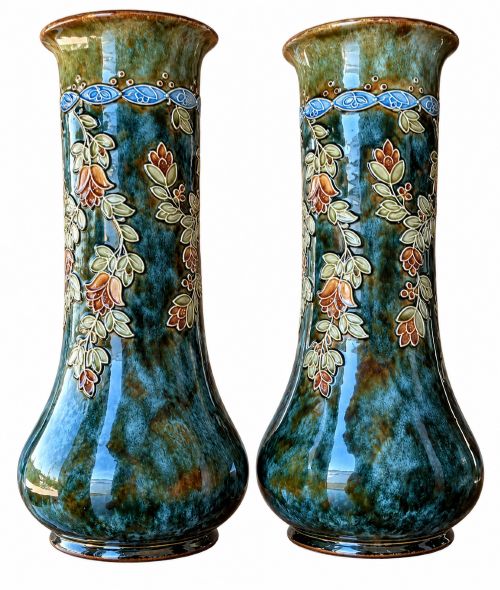
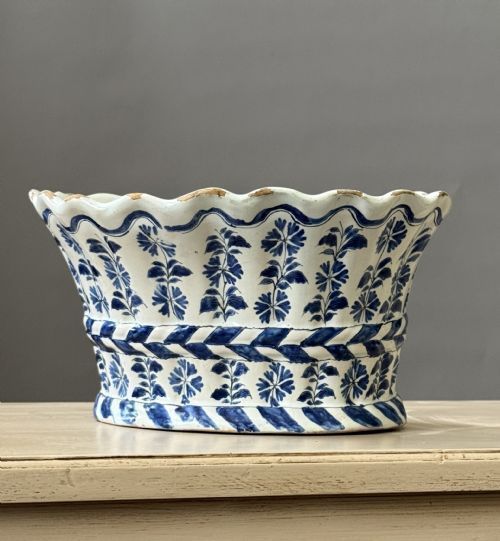
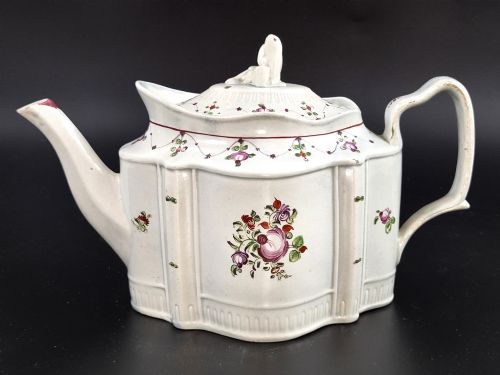
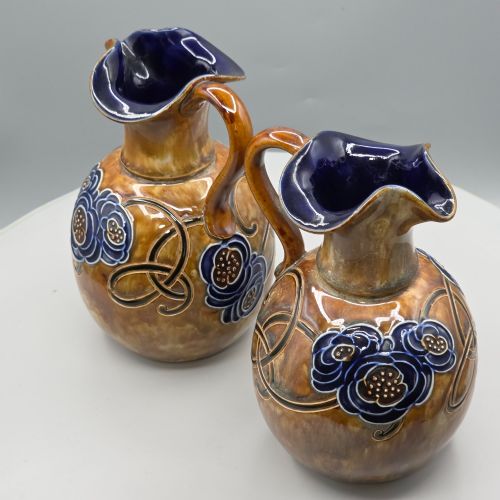
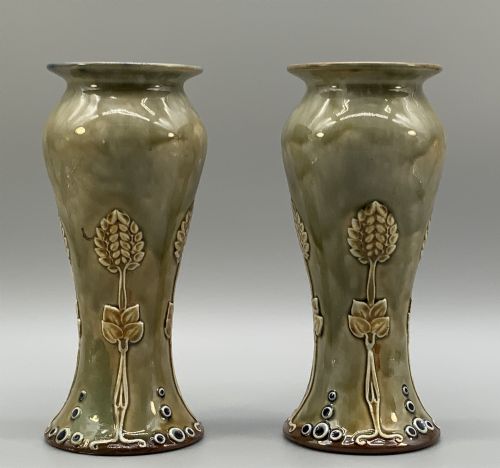
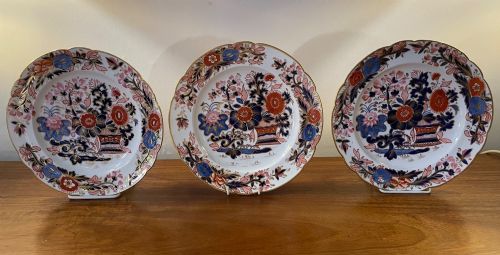
The pieces represented on this page lean heavily towards nineteenth-century Staffordshire wares, Victorian jugs, and Arts and Crafts stoneware, alongside Dutch and English delftware from earlier periods. Vases and decorative plates dominate the forms, offering robust options for interior display and collection.
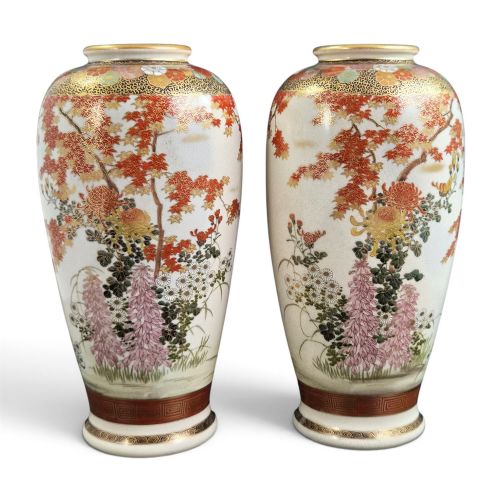
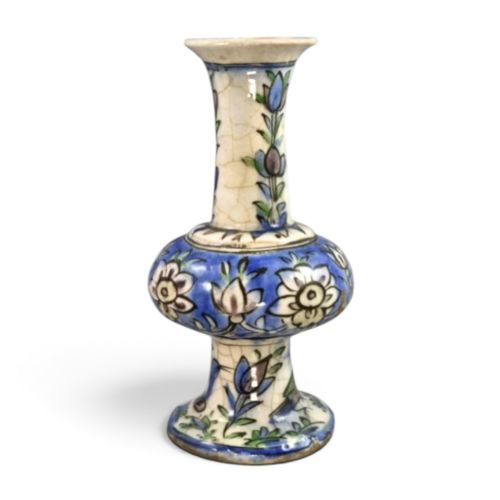
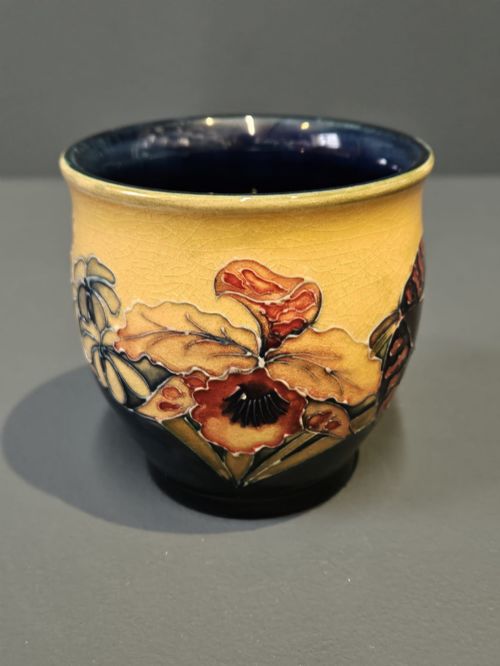
Makers from various traditions, including Royal Doulton, Moorcroft, and Minton, populate the listings alongside Chinese export porcelain and Japanese Satsuma ware. This mix provides a comprehensive view of how different cultures interpreted botanical subjects across ceramic mediums.
How they were made
Potters relied on earthenware, stoneware, and porcelain bodies, shaping them on the wheel or forming them in moulds before firing. Glazes and enamel colours were then applied, sometimes enhanced with gold leaf, gilt, or copper lustre to catch the light.
Decoration techniques varied widely from cobalt blue underglaze painting on delftware to intricate tube-lining and polychrome transfer printing. Artisans employed hand-painted enamels to render naturalistic flowers, birds, and geometric borders across various functional and ornamental forms.
Listings feature robust nineteenth-century earthenware jugs alongside delicate eighteenth-century delftware dishes and Japanese porcelain chargers.
What varies in quality
Quality in these ceramics often rests on the crispness of the moulded form and the precision of the hand-painted or transfer-printed botanical details. Pieces that exhibit a confident brushstroke and well-defined glaze separation stand apart from standard production items.
The complexity of the palette and the ambition of the design, such as multi-fired enamels or raised tube-lined patterns, signal finer workshop execution. The integration of complementary ground colours and disciplined gilding further distinguishes exceptional items from ordinary vessels.
Royal Doulton Lambeth·Moorcroft·Minton·John Rogers and Son·James Wallace and Co·Keeling and Co·Maruni Kobe
The Antique Floral Pottery Glossary
- Creamware
- A fine-grained, cream-coloured earthenware developed in eighteenth-century England. It provided a smooth, pale surface ideal for transfer-printed and hand-painted floral motifs.
- Delftware
- Tin-glazed earthenware produced in Holland and England from the seventeenth century onwards. It is typically recognised by a white opaque glaze painted with blue floral designs.
- Tube-lining
- A ceramic decoration technique where lines of clay slip are squeezed through a nozzle onto the vessel. This creates raised outlines that contain subsequent enamel colours.
- Transfer printing
- A method of applying complex decorative patterns to pottery from an engraved copper plate via paper. This allowed intricate botanical scenes to be replicated consistently across domestic wares.
Antique Floral Pottery: Frequently Asked Questions
Can I use these vases for fresh flowers?
Many antique vases and jugs were originally designed for functional use with water and flowers. However, older porous earthenware bodies and hairline cracks can leak or be damaged by prolonged moisture exposure.
It is safest to place a discreet glass or plastic liner inside fragile or porous vessels if you wish to display fresh stems.
How do I date an antique ceramic piece?
Examine the base for maker's marks, impressed registration numbers, or factory ciphers that correspond to historical ceramic archives. The style of the floral decoration and the type of ceramic body also offer strong clues to the period of manufacture.
Comparing the glaze characteristics and manufacturing techniques with documented examples helps narrow down the decade of production.
What is the difference between earthenware and porcelain?
Earthenware is fired at lower temperatures, resulting in an opaque, porous ceramic body that requires a glaze to become watertight. It is typically thicker and heavier than other ceramics.
Porcelain is made from refined clay containing kaolin, fired at much higher temperatures until vitreous and translucent. It rings when tapped and absorbs no moisture even without glaze.