






Antique Floral Porcelain Platter
These antique floral porcelain platter pieces bring hand-painted botanicals and centuries of table tradition straight to your home.
Antique Floral Porcelain Platter
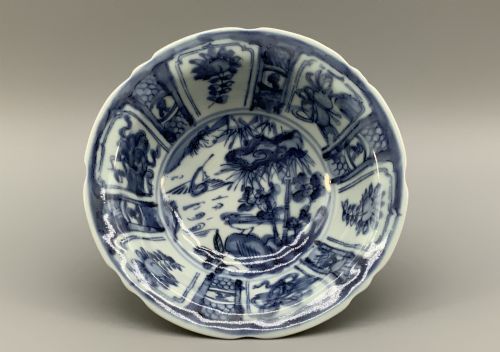
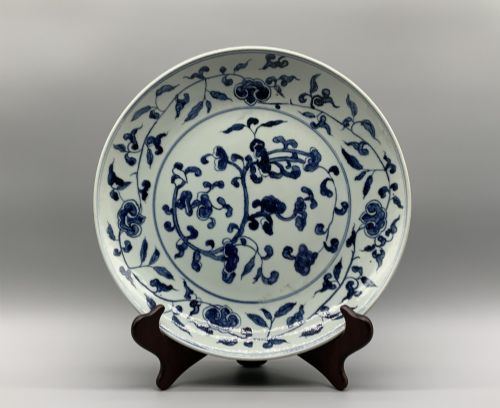
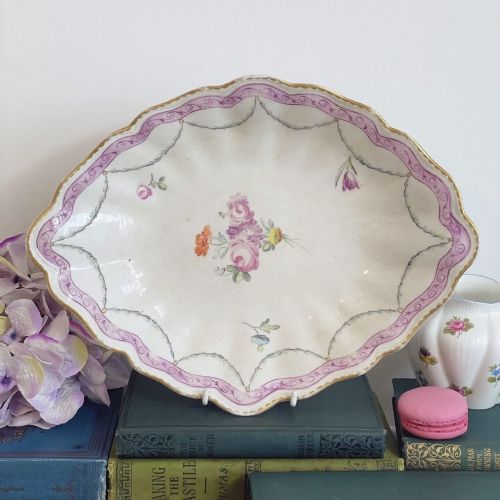
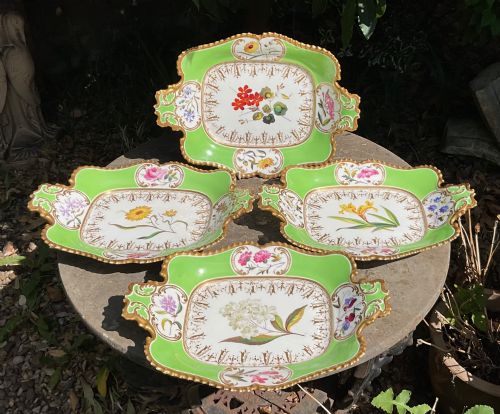
When you search for an antique floral porcelain platter, you find a wide range of serving dishes, chargers, and decorative plates spanning from the eighteenth century into the twentieth century. These domestic and display items cross English, Continental, and Japanese traditions, including pieces from periods such as the Georgian, Victorian, and Meiji eras.
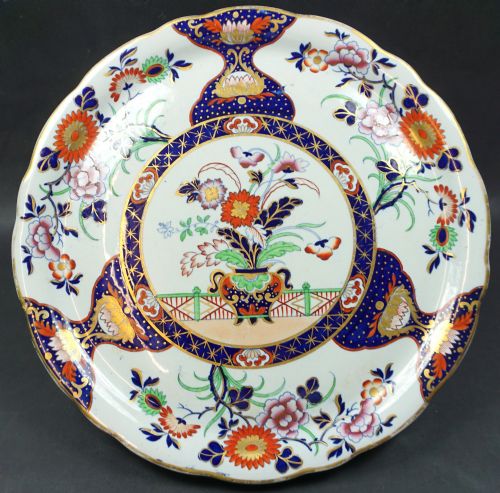
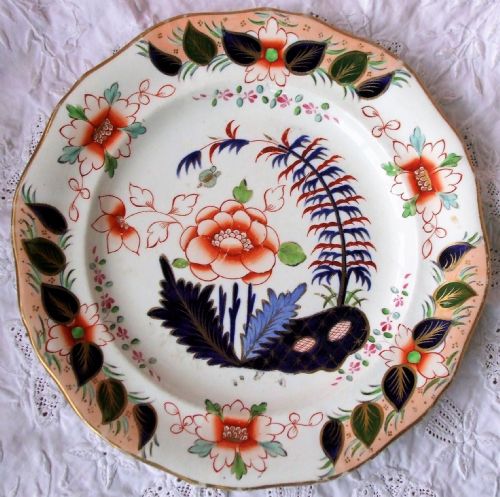
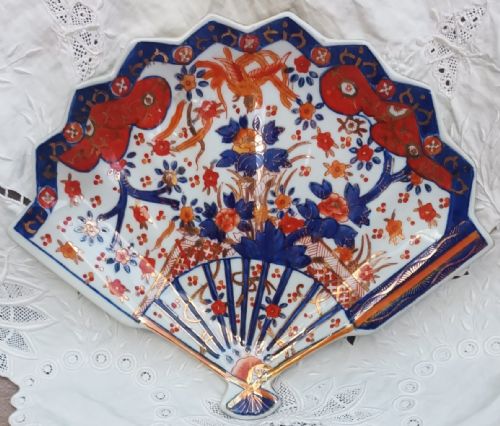
The English examples frequently showcase hand-painted polychrome flowers and botanical studies from notable factories like Derby, Coalport, and Chamberlains Worcester. Alongside these domestic works, Japanese Imari chargers and dishes appear regularly, bringing cobalt blue, iron red, and gilt floral designs to the selection.
How they were made
Makers shaped these pieces from ceramic and porcelain bodies, applying liquid glaze to create a smooth, vitreous surface before firing them in kilns. Artisans then hand-painted the floral motifs directly onto the ware, often incorporating cobalt blue underglaze pigments or enamel colours.
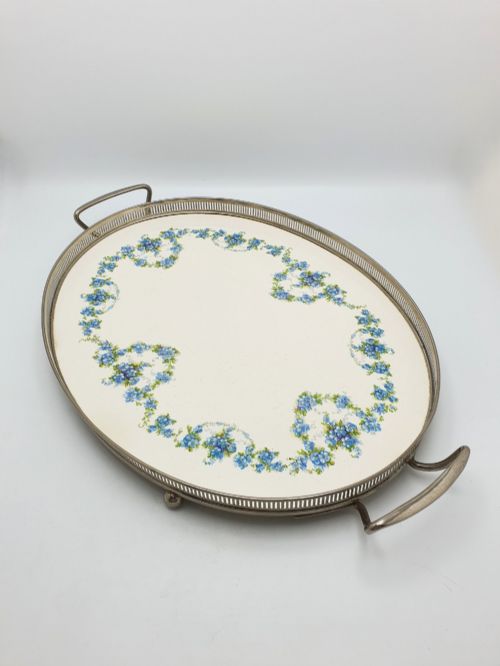
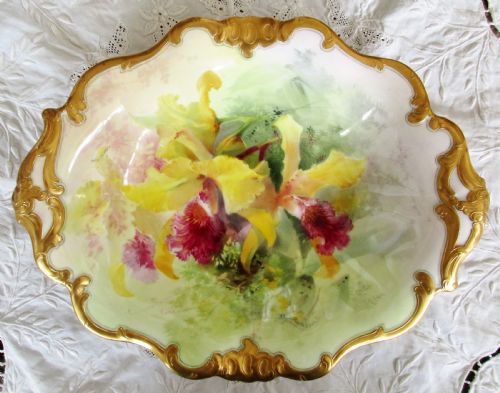
Many items received additional enrichment through the application of gold leaf and gilt highlights, particularly around the rims and patterned panels. Potters used moulded or scalloped edges on shapes ranging from oval serving trays to large round chargers.
Periods represented span from the 1700s through the Georgian, Victorian, Regency, and Meiji eras up to the 1920s.
What varies in quality
The finesse of the hand-painting dictates much of the distinction between standard production and superior examples, particularly in the rendering of botanical details and avian subjects. Crispness in the moulded or scalloped edges of the porcelain and the controlled application of cobalt glaze and gold leaf also separate finer items.
Origin and maker attribution play a significant role, with documented works from established English factories or finely potted Japanese Meiji period pieces holding particular regard among collectors.
H & R Daniel·Chamberlains Worcester·Hicks & Meigh·John Davenport·Müller Volkstedt
The Antique Floral Porcelain Platter Glossary
- Charger
- A large decorative plate or serving dish, typically exceeding traditional dinner plate dimensions and often displayed on walls or stands.
- Imari
- A style of Japanese porcelain originating from Arita, characterised by a palette of cobalt blue, iron red, and gilt highlights, frequently copied by European potteries.
- Polychrome
- Decoration employing multiple distinct colours, commonly seen in hand-painted floral ceramic designs.
- Gilt
- A thin layer of gold applied to the surface of porcelain or ceramic wares, often used to accent rims and borders.
- Underglaze
- Pigment applied to a ceramic piece before it receives its final glassy coating and kiln firing, protecting the design from wear.
Antique Floral Porcelain Platter: Frequently Asked Questions
How were these platters used originally?
These pieces served practical dining functions, holding large joints of meat, seasonal vegetables, or desserts at formal tables. Serving dishes and trays carried food from kitchens to dining rooms, while larger chargers often acted as under-plates or decorative centerpieces.
Over time, many of these ceramic and porcelain items transitioned from active dining service into display pieces, hung on walls or placed on cabinets to showcase their hand-painted floral decorations.
How do I care for antique porcelain?
Wash antique porcelain and ceramic pieces gently by hand using warm water and a mild detergent, avoiding harsh scrubbing or modern dishwashers. Protecting the enamel, glaze, and delicate gold leaf highlights requires avoiding abrasive cloths and sudden temperature changes.
Display these serving dishes and chargers away from direct, harsh sunlight to prevent any fading of the hand-painted polychrome pigments over the years.
How can I tell English pieces from Japanese Imari?
English pieces from factories like Derby, Coalport, or Chamberlains Worcester typically use fine porcelain or earthenware bodies with Western botanical arrangements and specific factory marks. Their floral motifs often reflect native flora or formal garden studies painted in European palettes.
Japanese Imari pieces from the Edo and Meiji periods rely on traditional East Asian compositional layouts, incorporating cobalt blue underglaze and iron red with distinct gilt detailing. The paste, potting weight, and characteristic scalloped edge shapes also point clearly to their Arita origins.
What is the difference between a plate and a charger?
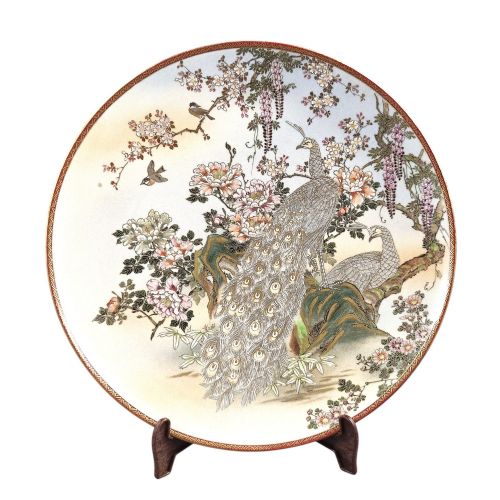
A plate is generally sized for individual dining portions, whereas a charger is a substantially larger round dish meant to anchor a tablescape or carry multiple items. Chargers provide a broader surface area for complex hand-painted floral and bird designs.
Because of their grand scale, chargers from the eighteenth and nineteenth centuries were frequently produced for decorative display rather than daily dining use.