


Antique Floral Earthenware
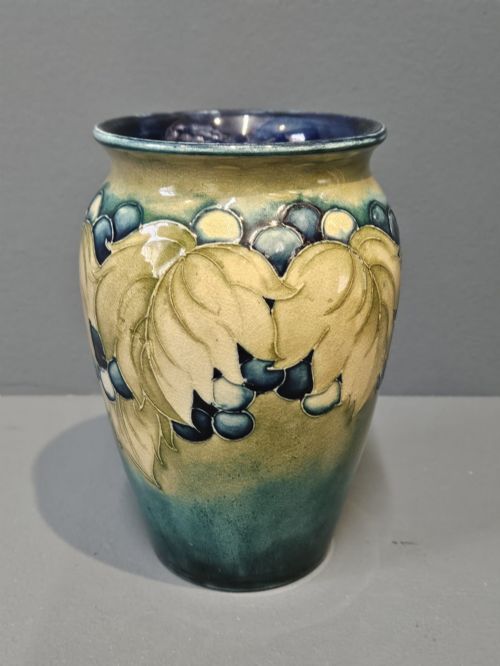
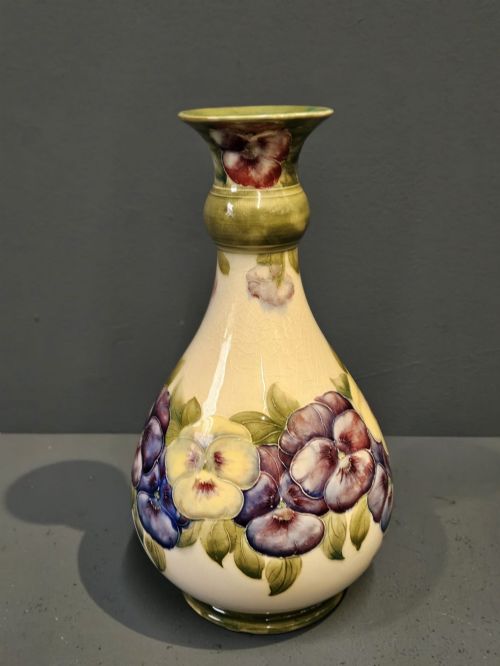
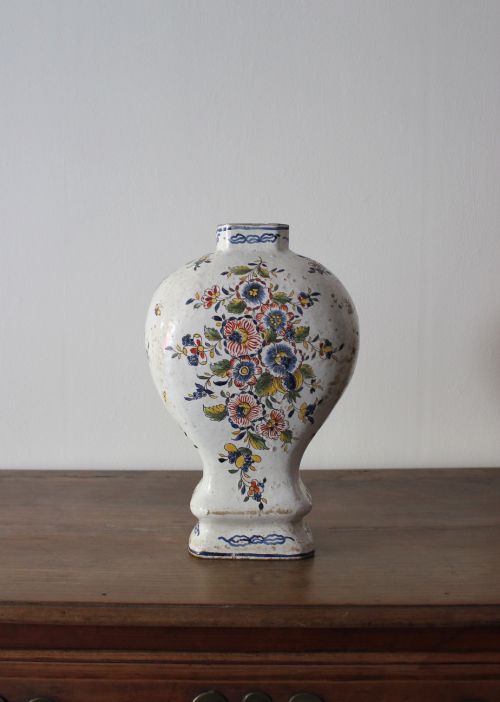
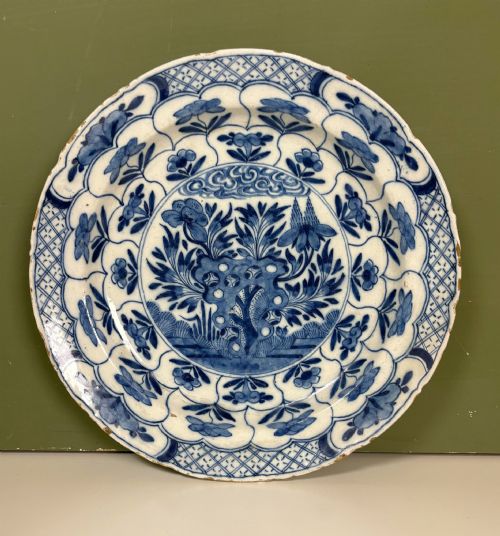
Antique floral earthenware brings together centuries of painted ceramic vessels, chargers and basins decorated with botanical motifs.
Antique Floral Earthenware
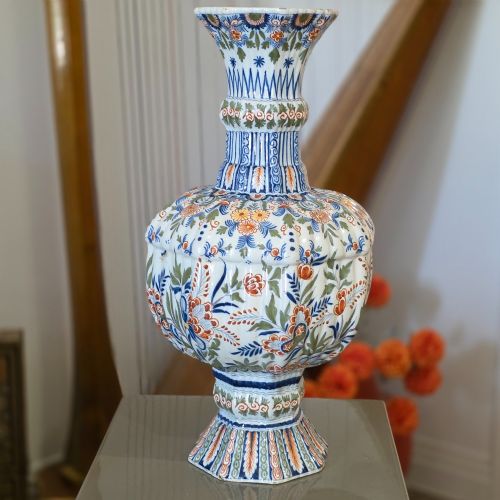
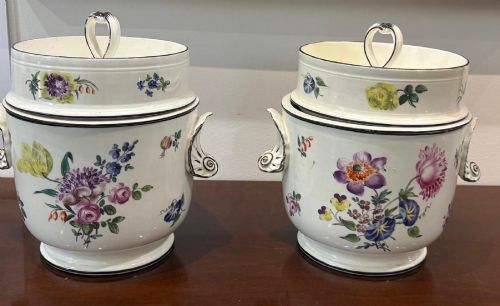
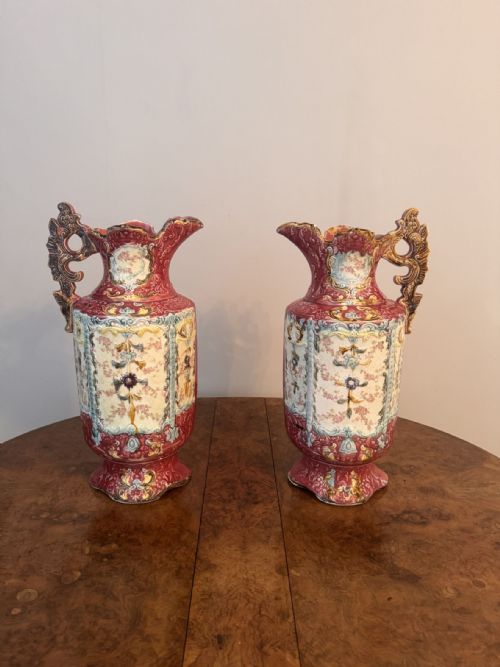
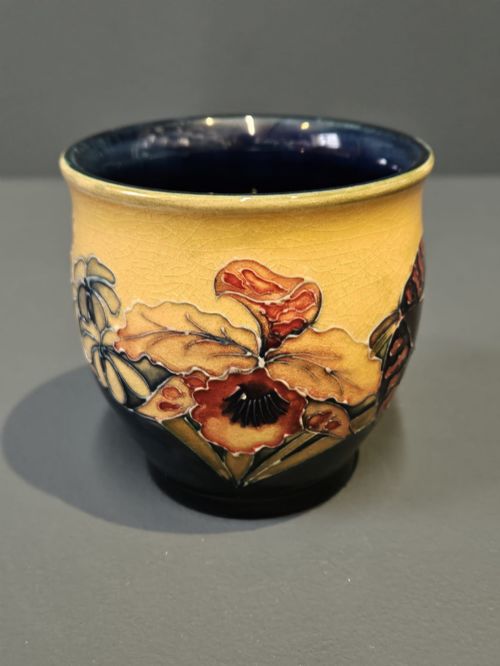
When you search for antique floral earthenware, you encounter items ranging from seventeenth-century tin-glazed chargers to Victorian and Edwardian domestic ware adorned with painted or transferred botanical designs. The selection spans utilitarian vessels like jugs, basins and cheese dishes alongside purely decorative pieces such as vases and bough pots.
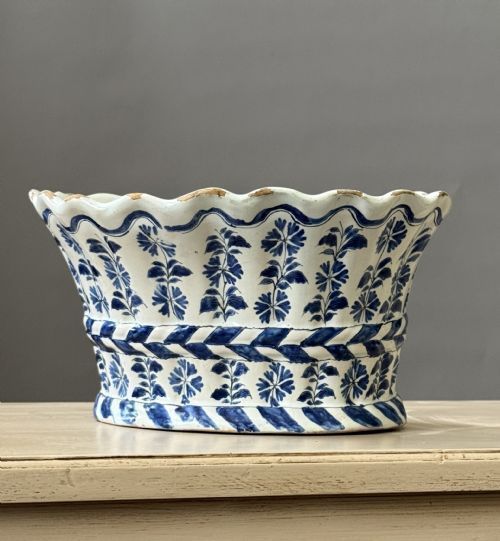
The varieties met most frequently on this page belong to the nineteenth century, encompassing Staffordshire transferware, Gaudy Welsh patterns and Doulton faience. Earlier examples from the eighteenth century appear in the form of English and Dutch delftware, whilst French faience and Japanese Satsuma represent international iterations of the ceramic tradition.
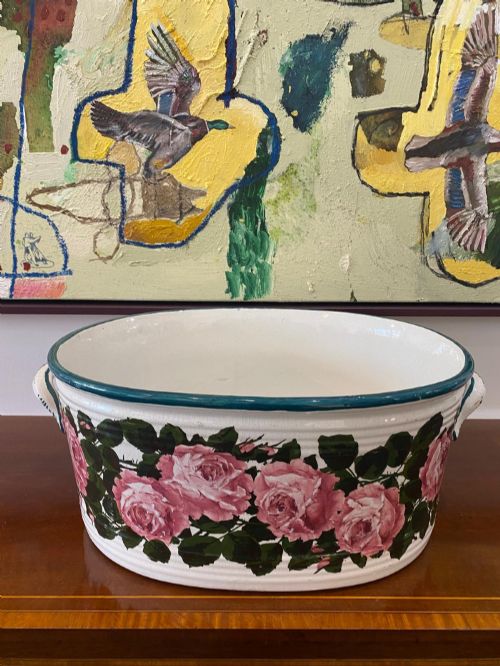
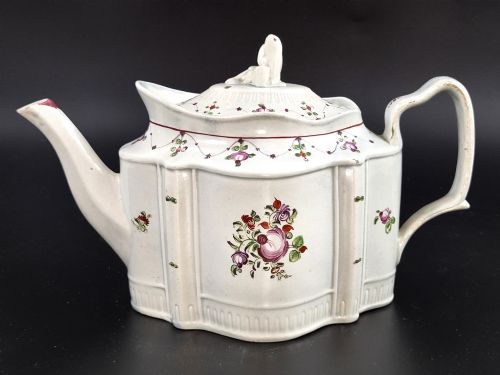
Forms vary from small posset pots and teapots to substantial footbaths, serving platters and jardinières. Each object displays floral ornamentation executed through hand-painting, enamel work or blue and white transfer printing.
Materials and methods of manufacture
The foundation of these pieces is earthenware, a porous ceramic body fired at lower temperatures than porcelain and typically rendered impermeable through the application of a tin or lead glaze. Over this surface, artisans painted floral motifs using mineral pigments and enamels.
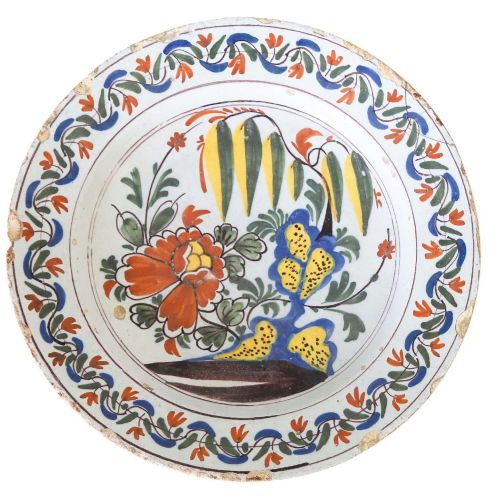
Transfer printing developed during the Georgian period, allowing intricate blue, magenta or polychrome floral patterns to be applied from copper plates onto the ceramic body before glazing and firing. Hand-painted delftware relied on direct brushwork onto an opaque white tin glaze, while later faience and Satsuma wares utilised raised slip or moriage decoration for tactile botanical details.
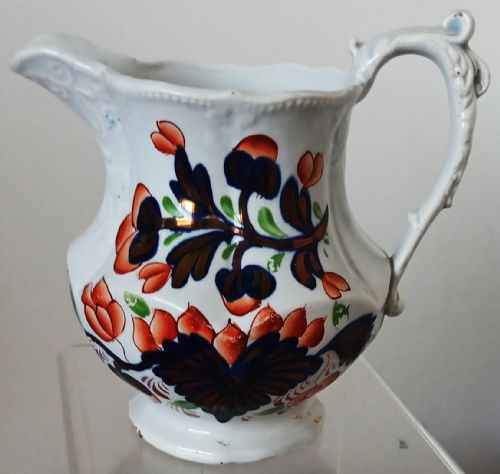
Several Victorian jugs on display are named after Welsh towns like Harlech, Gower and Bethesda.
Assessing quality in ceramic pieces
Quality in these ceramics rests upon the crispness of the transfer or the fluidity and control of the hand-painted brushwork. Superior items exhibit balanced composition, vibrant enamel retention and precise alignment during the printing or glazing stages.
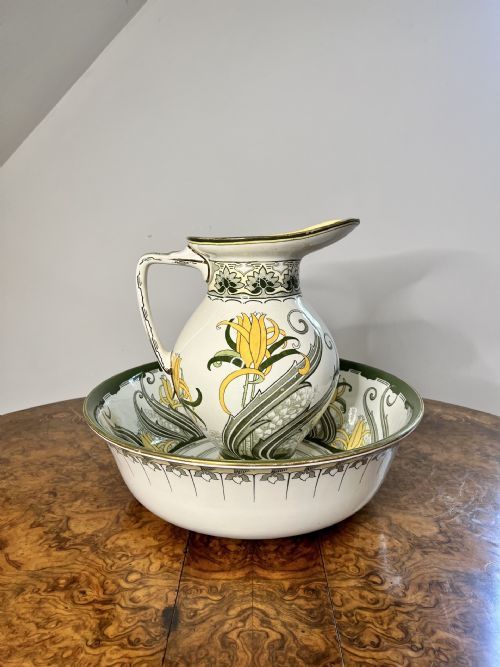
The refinement of the earthenware body itself distinguishes finer outputs, where thinner walls and clean potting indicate greater technical skill from the maker. Substantial decorative pieces, such as large footbaths or multi-piece toilet sets, demonstrate higher ambition in both scale and firing capability.
John Rogers and Son·James Wallace and Co·Keeling and Co·Doulton Lambeth·Wemyss
The Antique Floral Earthenware Glossary
- Earthenware
- A porous ceramic body fired at a relatively low temperature, requiring a glaze to hold liquids. It forms the base material for the vast majority of pieces listed here.
- Tin glaze
- An opaque white glaze containing tin oxide, providing a smooth canvas for painted decoration on delftware and faience. It absorbs cobalt and enamel pigments during firing to create sharp lines.
- Transferware
- A pottery decoration technique where an engraved copper plate stamps a pattern onto tissue paper, which is then transferred onto the unglazed or bisque ceramic body. This method enabled mass production of complex floral scenes.
- Faience
- European tin-glazed earthenware, encompassing both English delftware and continental wares from France. The term frequently applies to decorative vases and boxes with coloured enamel finishes.
- Moriage
- A Japanese ceramic decorating technique using piped clay slip to build up raised decorative surfaces. It appears on Satsuma vases and chargers to give botanical elements a three-dimensional texture.
Antique Floral Earthenware: Frequently Asked Questions
What is antique floral earthenware?
Antique floral earthenware comprises ceramic vessels and tableware made from porous clay bodies coated in glazes and decorated with plant and flower motifs.
These pieces range from functional kitchen and toilet ware to decorative chargers and vases produced across several centuries.
How do I care for antique earthenware?
These items require gentle hand washing in lukewarm water with mild soap, avoiding dishwashers and harsh abrasive scourers.
Because the earthenware body is porous beneath the glaze, any existing hairline cracks can absorb moisture and worsen if soaked for extended periods.
What periods do these ceramics cover?
The listings encompass items spanning from the late seventeenth century through the Georgian and Victorian eras up to the early twentieth century.
Nineteenth-century Victorian and Edwardian pieces form the largest portion of the available selection.