


Floral Japanese Urn
A floral japanese urn brings intricate botanical motifs and traditional forms into an interior through 19th century porcelain and bronze.
Floral Japanese Urn
A floral japanese urn encompasses decorative vessels, ginger jars, and vases shaped during the Meiji, Edwardian, and Victorian eras. These pieces typically display traditional forms such as double gourds or floor standing profiles produced in Japanese workshops.
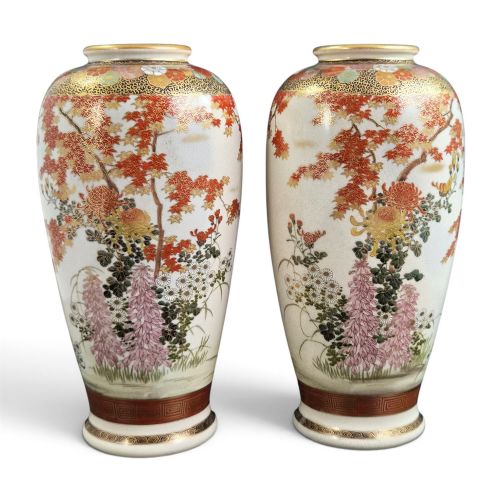
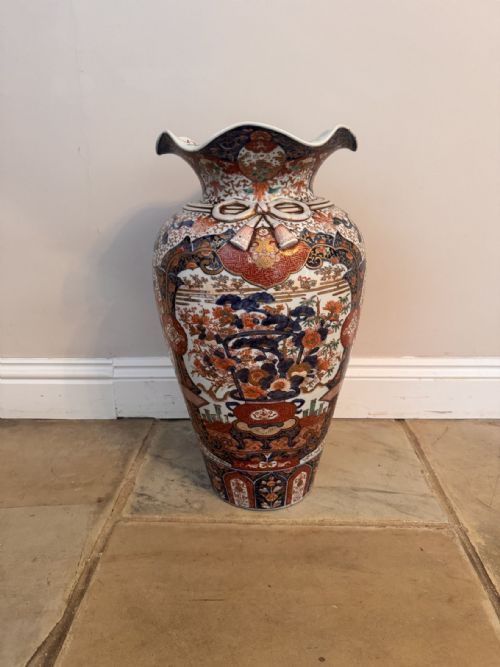
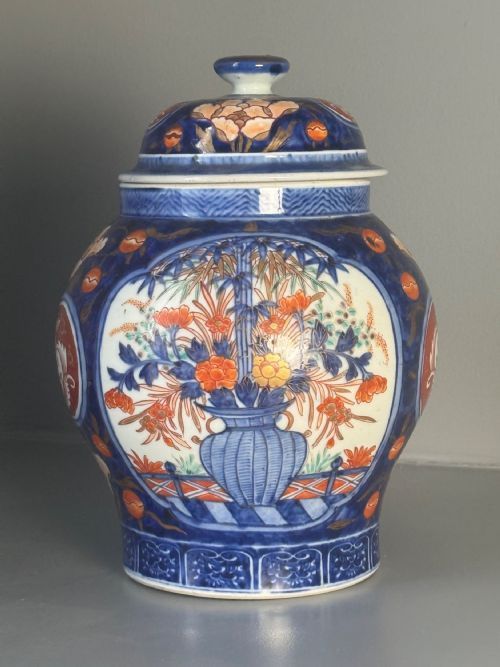
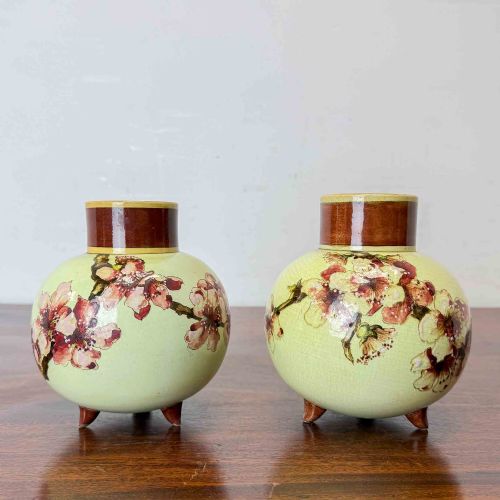
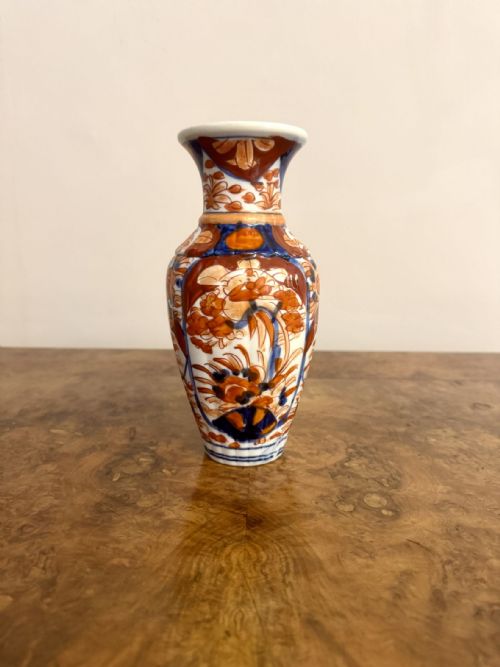
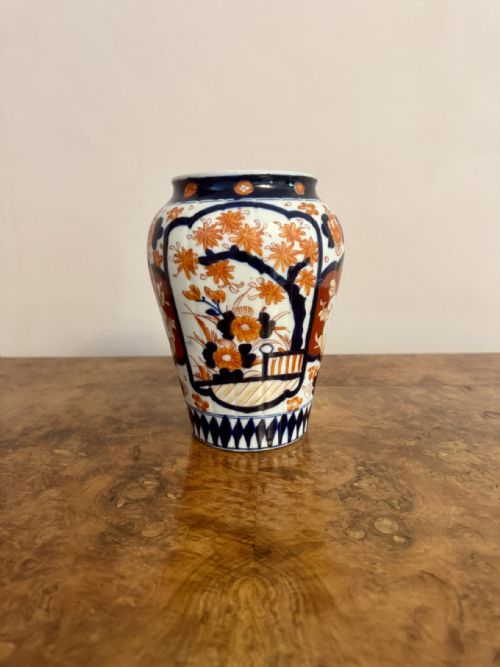
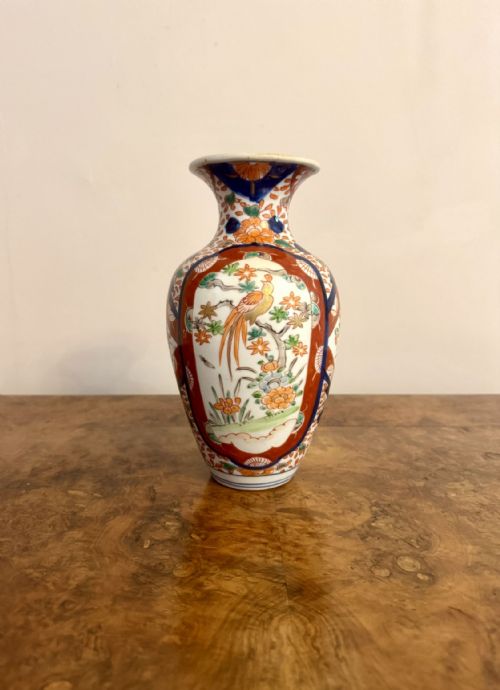
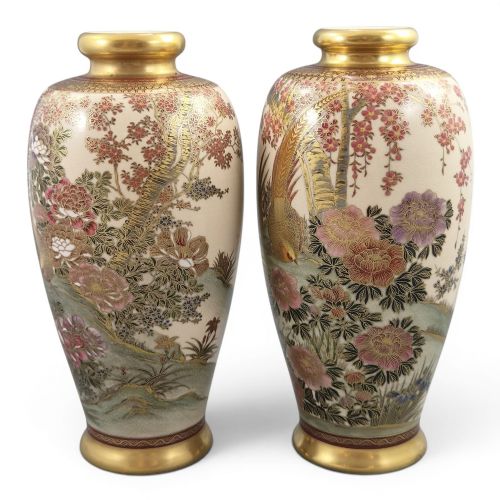
The version most commonly met on this page is the Japanese Imari porcelain vase or Satsuma earthenware jar decorated with hand-painted floral motifs and gilding. Such pieces range from miniature cabinet items to large garnitures created for export during the late 19th and early 20th centuries.
Materials and construction
Makers utilised high-fired porcelain, earthenware, and cast bronze as the primary bodies for these vessels, applying glazes and underglaze pigments before a secondary firing. Mixed metal details, copper wires, and gold leaf were frequently added to surface designs.
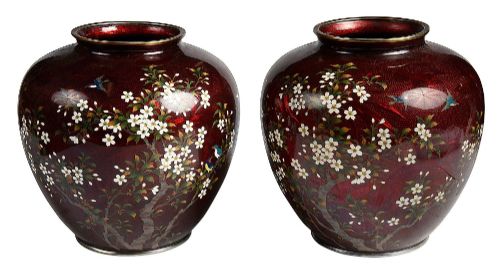
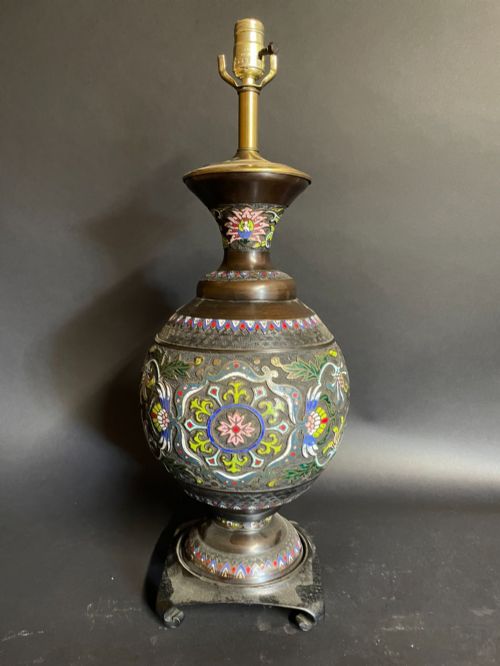
Cloisonné and champlevé techniques involved soldering fine metal strips to form compartments that were subsequently filled with coloured enamel paste. Satsuma wares relied on earthenware bodies finished with cream-coloured cracked glazes and overglaze enamel painting.
Evaluating workmanship
The standard of painting and the precision of applied decoration distinguish superior vessels from ordinary production. Finely executed Satsuma and Imari pieces demonstrate controlled brushwork, clear registers, and rich gilding that remain crisp across complex surfaces.
The weight and stability of the bronze or porcelain body, alongside the crispness of chased metal details and enamel work, indicate the skill of the original workshop. Signed pieces by recognised makers often display greater attention to detail in secondary areas.
Maruni Kobe·Manpei·Hakusan·Tagawa·Kinkozan·Hododa
The Floral Japanese Urn Glossary
- Imari
- A style of Japanese porcelain featuring a palette of underglaze blue, iron red, and gold, named after the port from which the ceramics were shipped.
- Satsuma
- A type of earthenware originating from the Satsuma Province, characterised by a crackle glaze and decorative enamel patterns often enhanced with gold.
- Cloisonné
- A decorative technique where metal wires are applied to a base to create cells, which are then filled with enamel and fired.
- Garniture
- A set of three or more matching vases or jars designed to be displayed together on a mantelpiece or sideboard.
- Mon
- A Japanese emblem or crest used to identify families, clans, or governmental organisations.
Floral Japanese Urn: Frequently Asked Questions
How are these urns cleaned?
Dust surfaces gently with a soft dry cloth to protect delicate overglaze enamels and gold leaf from abrasion.
Avoid liquid cleaners or submersion, particularly on earthenware bodies and cloisonne wirework, as moisture can penetrate old glazes.
Where should an urn be displayed?
Place heavier ceramic or bronze vessels on stable sideboards, pedestals, or mantels away from direct foot traffic.
Ensure large pieces receive balanced natural light to highlight the intricate details of their painted floral panels.
Are lids original to the jars?
Examine the fit, glaze consistency, and matching decorative motifs between the main body and the cover to confirm continuity.
Many surviving ginger jars retain their matched covers, though replacements occurred frequently during long export histories.
What defines a Satsuma piece?
Satsuma wares utilise an earthenware body covered with a characteristic ivory or cream glaze marked by fine network crackles.
These pieces feature dense polychrome enamel painting and extensive gilding depicting floral gardens or historical scenes.