






Antique Floral Display Plate
An antique floral display plate brings hand-painted botanicals, armorial crests, and export patterns to a wall or cabinet.
Antique Floral Display Plate
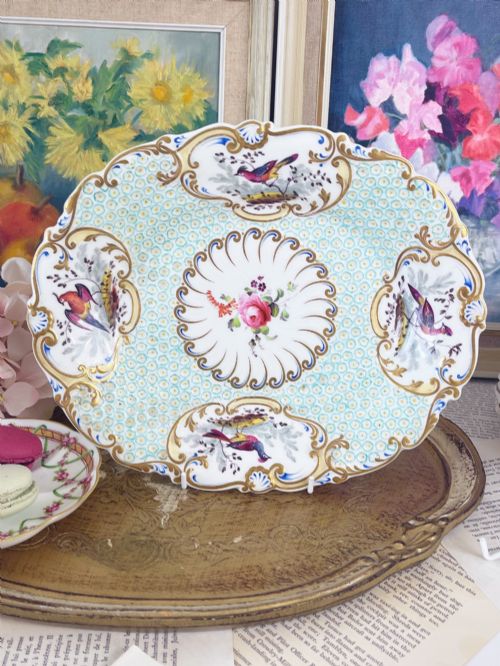
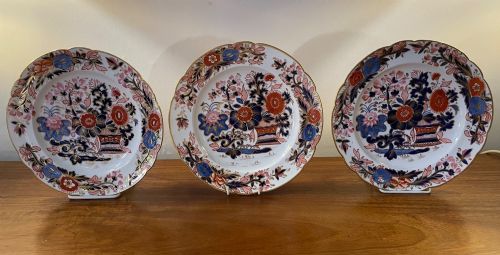
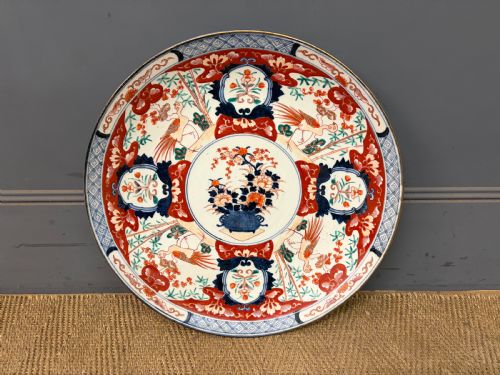
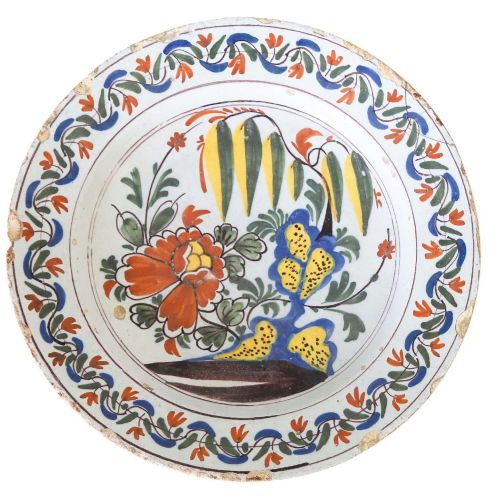
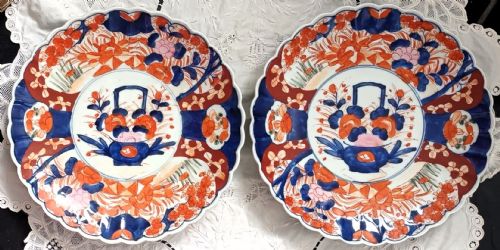
An antique floral display plate is a decorative ceramic piece meant for visual admiration rather than daily dining. These items range from cabinet dishes and platters to large chargers designed to sit on sideboards or hang on walls. The selection spans 18th-century English Delftware and Georgian ironstone to Victorian porcelain and Meiji period Japanese Imari. Most examples encountered here are robust porcelain or earthenware chargers featuring hand-painted botanical or traditional Imari motifs.
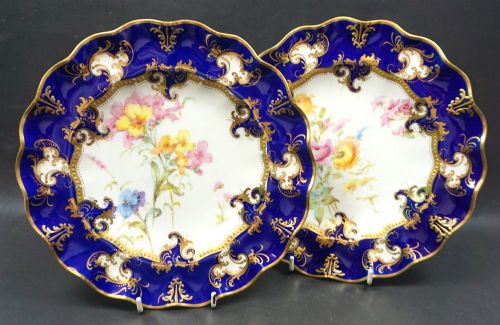
Makers and factories from English, French, and Asian traditions shaped these forms over centuries. Pieces frequently showcase polychrome enamels, cobalt blue underglaze, and gilt highlights applied to ceramics. Buyers often find sets of plates alongside individual cabinet dishes intended to anchor a room's decorative scheme. The variety encompasses scalloped edges, hexagonal shapes, and wide circular rims tailored for display.
How they were made
Potters formed these pieces using porcelain, earthenware, or ironstone, shaping them on wheels or pressing them into moulds. Artisans applied glazes and pigments by hand, utilising cobalt underglaze and overglaze enamel colours such as iron red and gold leaf. Many items underwent multiple firings in kilns to set the intricate patterns and metallic gilding.
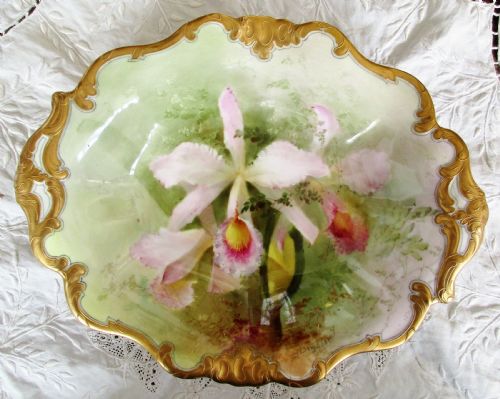
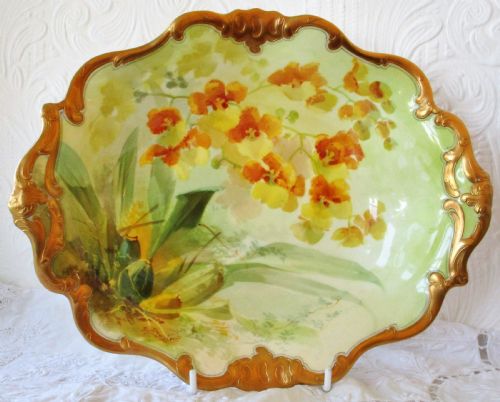
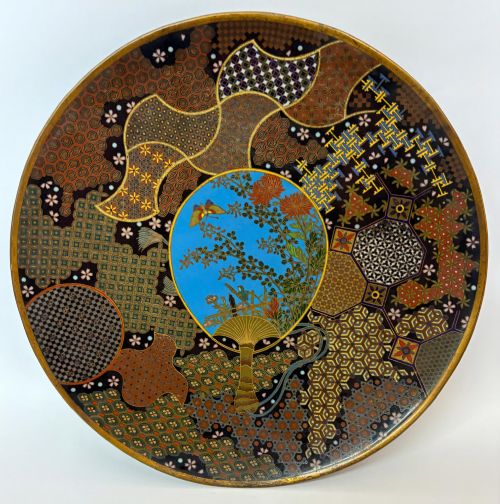
Cloisonne examples involved soldering flat metal wires onto a metal base to create cells, which were then filled with enamel paste before firing and polishing. Porcelain cabinet dishes relied on meticulous brushwork for botanical studies like orchids or fancy birds, while transfer printing and hand-painting frequently overlapped in 19th-century English manufactories.
What varies in quality
Quality rests in the precision of the hand-painted brushwork and the vibrancy of the enamel palette. Superior pieces exhibit crisp details in floral motifs, birds, and armorial crests, whereas lesser examples show hurried lines or muddy glaze mixing. The depth of the cobalt blue and the intactness of the gilding or gold leaf distinguish finer cabinet dishes.
The complexity of the ceramic body and edge shaping also dictate standing. Scalloped edges, hexagonal forms, and heavy porcelain bodies demand greater skill from the potter than simple round platters. Well-preserved armorial detailing and named botanical studies elevate the stature of an individual charger.
H & R Daniel·Royal Crown Derby·Royal Doulton·John Ridgway
The Antique Floral Display Plate Glossary
- Cabinet plate
- A decorative ceramic plate intended strictly for display in a cabinet or on a wall rather than for practical table use. These often feature hand-painted scenes or botanicals.
- Charger
- A large ornamental plate used historically beneath service courses or displayed upright on a sideboard. They measure considerably wider than standard dining plates.
- Imari
- A style of Japanese porcelain exported from Arita, characterised by a palette of cobalt blue, iron red, and gold. European factories frequently copied these distinct patterns.
- Armorial
- A ceramic design bearing a family crest, coat of arms, or heraldic insignia. These were usually commissioned custom by wealthy households.
- Cloisonne
- An enamelwork technique where metal wires form small compartments on a surface to hold coloured pastes before firing. It yields a smooth, patterned decorative finish.
Antique Floral Display Plate: Frequently Asked Questions
How were antique floral display plates used?
These pieces served primarily as decorative accents in dining rooms, parlours, and drawing rooms. Wealthy households mounted large chargers on walls or displayed cabinet plates on specialised shelves.
They were rarely used for actual dining, particularly delicate porcelain and cloisonne examples. Instead, their purpose was to showcase wealth, artistic taste, and fashionable motifs like Japanese Imari or botanical studies.
Can I hang these plates on the wall?
Many chargers and cabinet plates were manufactured with display in mind, though period mounting hardware is uncommon. Modern coated wire hangers or specialised display brackets securely hold the rim.
Care must be taken to select a hanger that fits the depth of scalloped or hexagonal edges safely. Wall placement should avoid direct sunlight to protect hand-painted enamels and gold leaf.
What is an armorial plate?
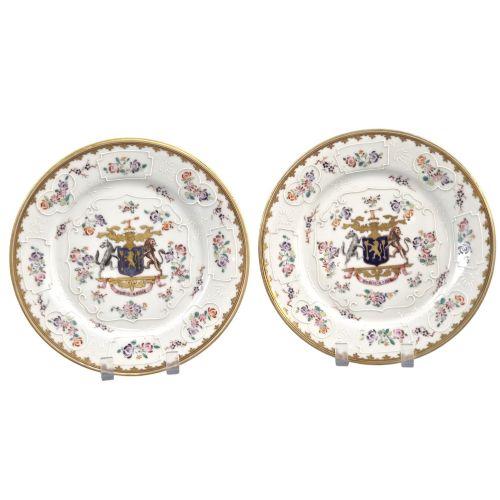
An armorial plate is a ceramic dish painted with a specific family crest, coat of arms, or heraldic device. Wealthy families commissioned these custom services from European and Asian kilns.
They represent a distinct branch of antique display plates where the focus shifts from general florals to personal genealogy and prestige. The crests were meticulously researched and painted by hand.