

French Rococo Porcelain
French rococo porcelain pieces bring ornate 18th-century exuberance to interiors through curved gilt bronze mounts and hand-painted ceramic plaques.
French Rococo Porcelain
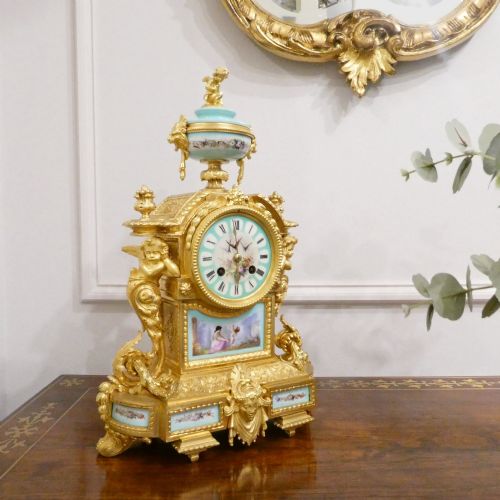
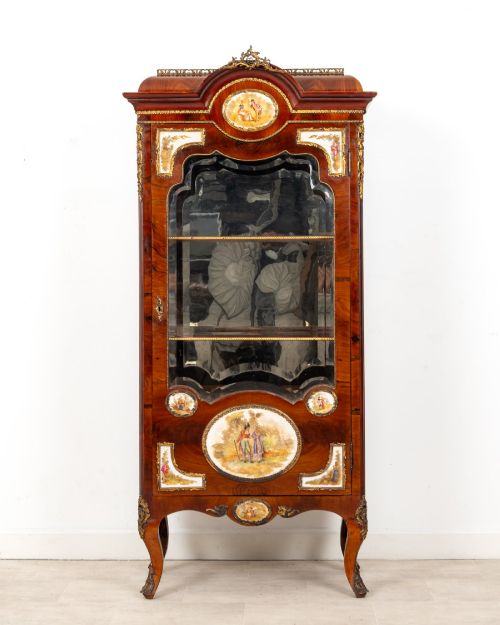
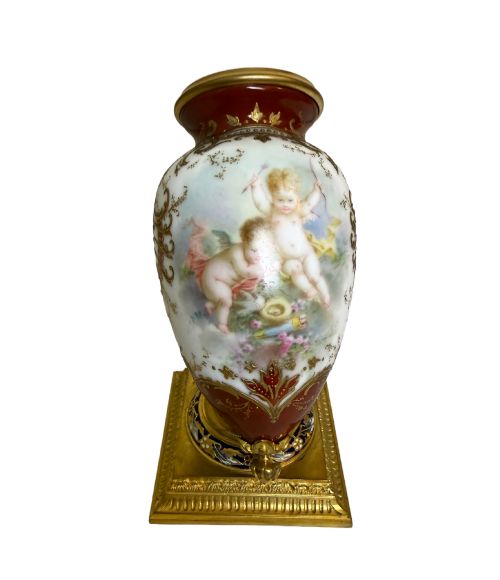
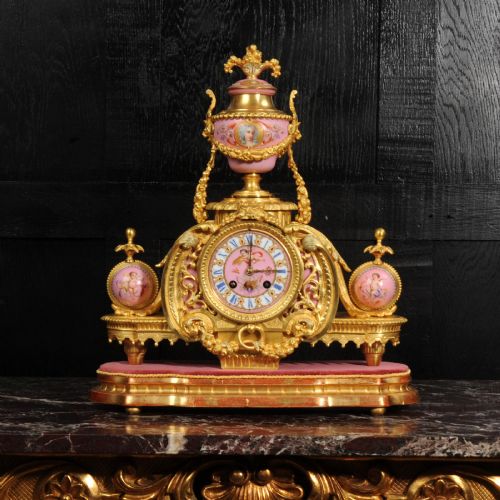
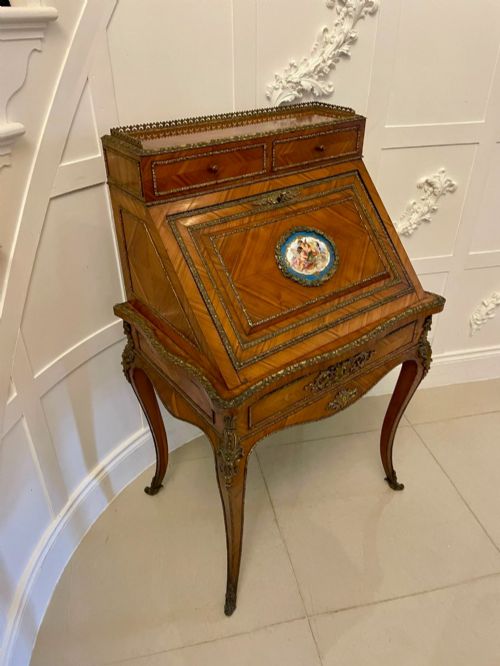
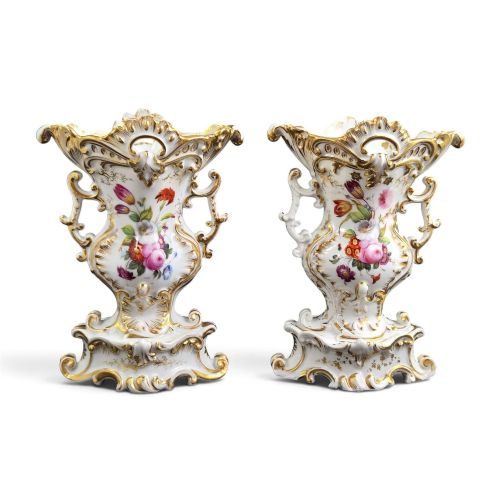
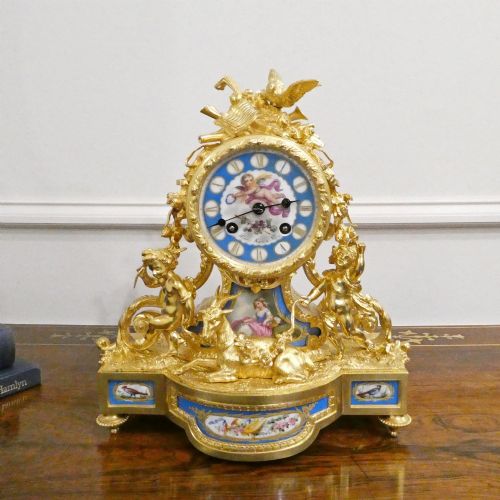
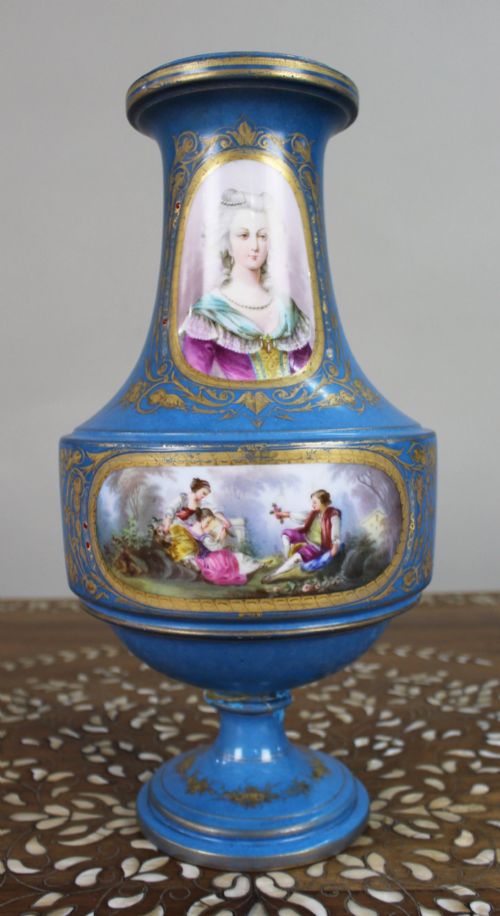
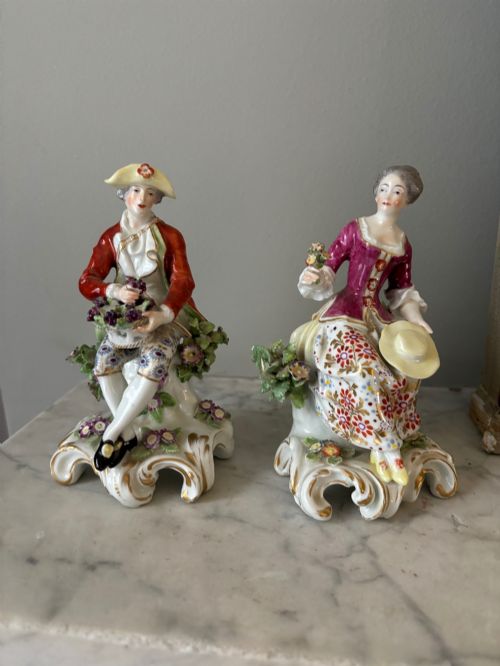
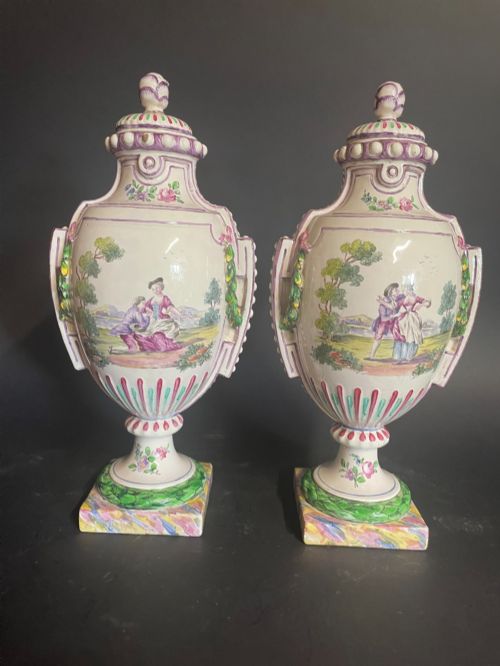
When searching for french rococo porcelain, buyers encounter a diverse array of decorative objects spanning mantel clocks, vases, urns, figurines, and mounted furniture such as cabinets and writing desks. These pieces showcase the undulating lines, asymmetrical scrolls, and naturalistic motifs characteristic of the style.
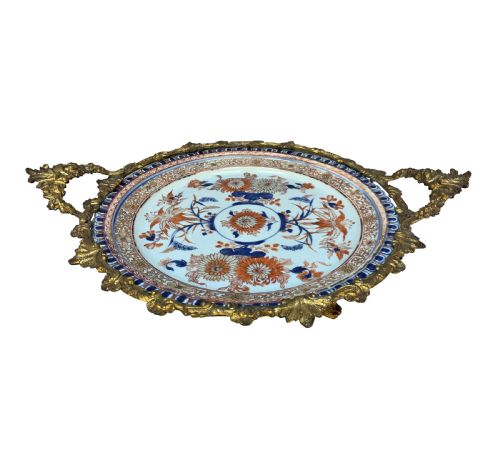
The items found here frequently date from the 19th-century revival periods, particularly the Napoleon III and Victorian eras, alongside select 18th-century originals from periods like Louis XV. Mantel clocks set with porcelain plaques and ormolu mounts appear alongside sculptural biscuit porcelain groups and decorative tableware.
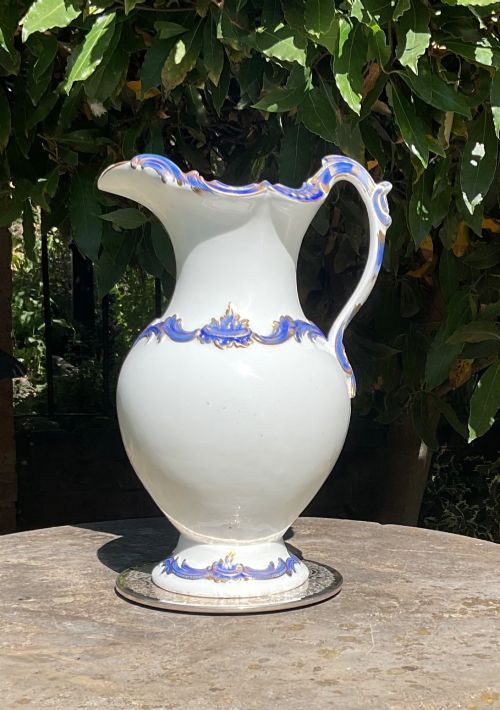
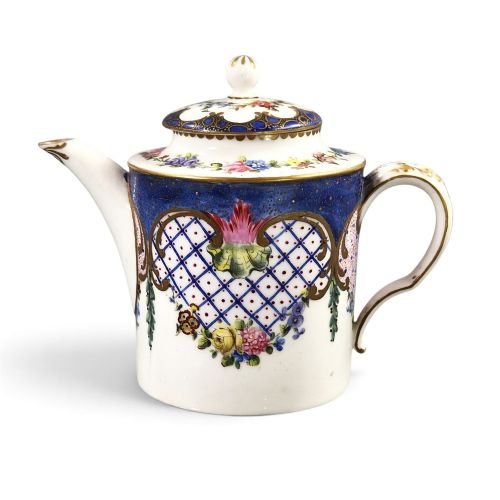
Origins represented in these listings extend across major French production centres, including Sèvres, Vieux Paris, and pieces by makers such as Jacob Petit and Samson Paris working in earlier aesthetic tastes. Forms range from utilitarian items like teapots and water jugs to purely decorative garnitures and wall sconces.
Materials and manufacturing techniques
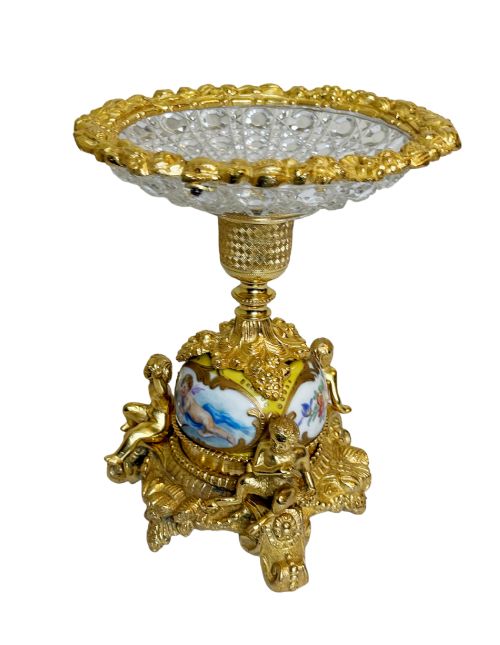
The construction of these works combines ceramic bodies with cast metal mounts, predominantly utilising porcelain paired with gilt bronze or ormolu. Artisans shaped hard-paste and soft-paste porcelain into intricate figurines, vessels, and flat plaques before hand-painting them with cobalt blue, bleu céleste grounds, and polychrome floral details.
Metalworkers cast bronze into elaborate rococo frames, scrolling foliage, and cherubic mounts, finishing the surface with fire-gilding or gold leaf. Cabinetmakers integrated these porcelain plaques into kingwood, rosewood, walnut, and giltwood furniture frames, securing them with precision-cast brass and bronze hardware.
Listings feature items from the 18th century through the Victorian era, incorporating porcelain, ormolu, gilt bronze, and kingwood.
Distinctions in quality
Quality in these works resides in the crispness of the bronze chasing and the fidelity of the porcelain modelling. Finer examples display deeply undercut ormolu mounts with sharp leaf and scroll detailing, whereas lesser pieces exhibit softer, shallower casting marks.
The artistic merit of the hand-painting on the ceramic surfaces creates another clear division, with superior items showing finely articulated miniature portraits and vibrant enamel glazing. Additionally, the integration between the porcelain plaque and its metal frame indicates the maker's skill, where top-tier items fit flush without excess adhesive or awkward gaps.
Jacob Petit·Samson Paris·Achille Brocot·Henry Marc·Japy Frères·Joseph Gaspard Robert·Delettrez
The French Rococo Porcelain Glossary
- Ormolu
- Gilt bronze mounted onto decorative objects or furniture. The technique involves applying a finely ground mercury and gold amalgam to cast bronze before heating to drive off the mercury.
- Biscuit porcelain
- Unglazed ceramic fired to a matte finish that resembles fine marble. This material highlights the sculptural details and contours of figures and relief groups.
- Bleu céleste
- A bright sky-blue enamel ground colour developed at the Sèvres factory. It serves as a vibrant backdrop for gilt embellishments and hand-painted floral reserves.
- Cartonnier
- A decorative desk-top cabinet designed for holding papers and documents. These pieces frequently feature leatherette files and ornamental mounts.
- Litron
- A cylindrical porcelain cup with straight sides and a straight handle, produced in soft-paste porcelain during the 18th century.
French Rococo Porcelain: Frequently Asked Questions
How do I identify a reproduction?
Examine the weight and detail of the metal mounts alongside the ceramic markings. Authentic period pieces generally feature hand-chased bronze work and factory stamps beneath the glaze rather than modern printed marks.
Inspect the wear patterns on the gilding and the construction joints of the wooden carcass if mounted on furniture. Genuine antique examples display consistent oxidation and hand-cut joinery appropriate to their stated century.
How should I clean porcelain plaques on furniture?
Dust the ceramic surfaces gently using a soft, dry artist's brush to remove particulate matter without abrading the enamel. Avoid harsh chemical cleaners or excess moisture that could seep into hairline cracks or damage the surrounding wood.
Polished metal mounts require careful isolation from the porcelain during cleaning to prevent chemical reactions. Professional conservation is recommended for pieces with fragile or degraded gilding.
What distinguishes Sèvres-style from genuine Sèvres?
Authentic Sèvres pieces bear specific royal or factory ciphers denoting the year of manufacture and decorator marks from the French royal manufactory. Sèvres-style items were produced by other factories, such as Samson in Paris, paying homage to the famous aesthetic without claiming direct origin.
Both categories hold distinct collector interest depending on the quality of the painting and the precision of the bronze mounts. Documentation and maker marks guide the distinction between primary factory output and later revival tributes.