





Antique Floral Ceramic Wall Plate
An antique floral ceramic wall plate brings centuries of hand-painted botanicals and rich traditions from English, European, and Asian kilns straight to your interior.
Antique Floral Ceramic Wall Plate
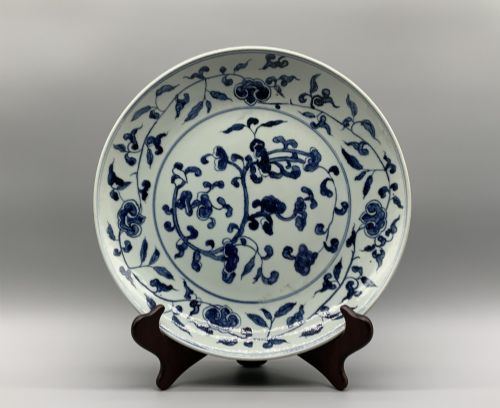
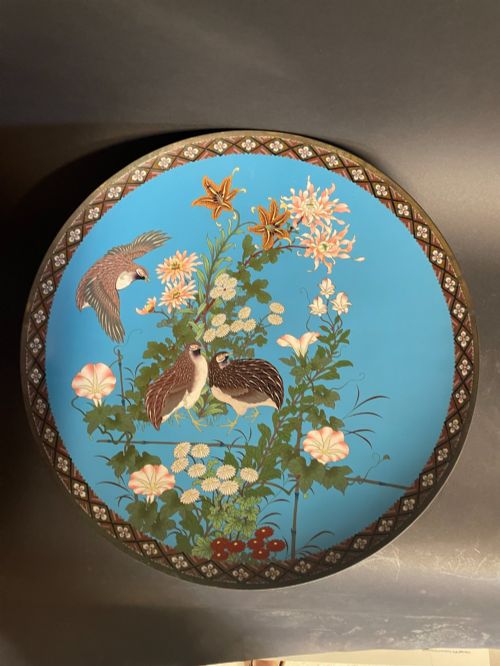
An antique floral ceramic wall plate encompasses everything from large decorative chargers to delicate cabinet plates displaying botanical and floral motifs across various periods. When you search for this phrase, you meet pieces originating from English earthenware manufactories, European porcelain houses, and Japanese workshops.
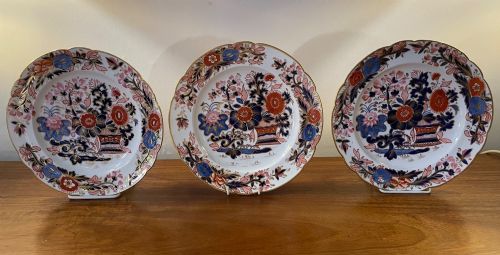
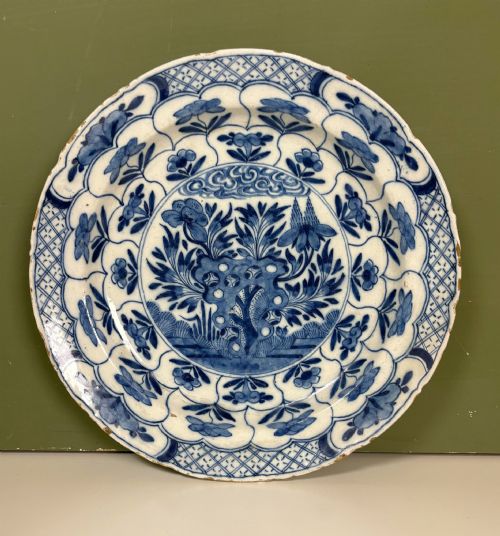
The selection ranges from early eighteenth-century Delft dishes and Chinese porcelain chargers to nineteenth-century Japanese Imari patterns and English Ironstone. These items were originally made for display or dining, and today they function primarily as striking wall art or cabinet showpieces.
How They Were Made
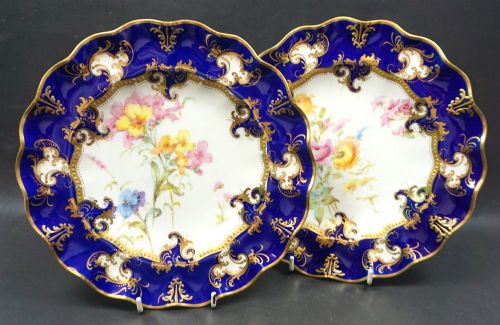
Potters shaped these vessels using clay bodies such as fine porcelain, earthenware, and ironstone, applying opaque or translucent glazes to seal the surface. Cobalt pigment and polychrome enamels provided the colour palette, often enhanced with gold leaf or gilt detailing.
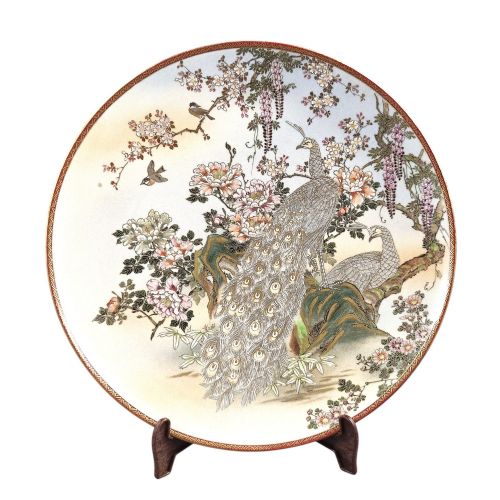
Skilled artisans hand-painted floral designs directly onto the raw or fired glaze before subjecting the pieces to high kiln temperatures. Techniques like Moriage added raised enamel details to create tactile floral and avian scenes.
Listings feature items spanning from the early 1700s through the Victorian era, utilising porcelain, earthenware, glaze, and cobalt pigment.
What Varies in Quality
The distinction between standard domestic wares and top-tier examples lies in the precision and complexity of the hand-painted brushwork. Superior pieces display crisp cobalt blues, vibrant polychrome enamels, and meticulous detailing that remains sharp across the entire surface.
The purity of the porcelain body and the richness of the glaze application also dictate worth. Early items featuring balanced compositions and well-preserved gilt or gold leaf demonstrate superior workshop output.
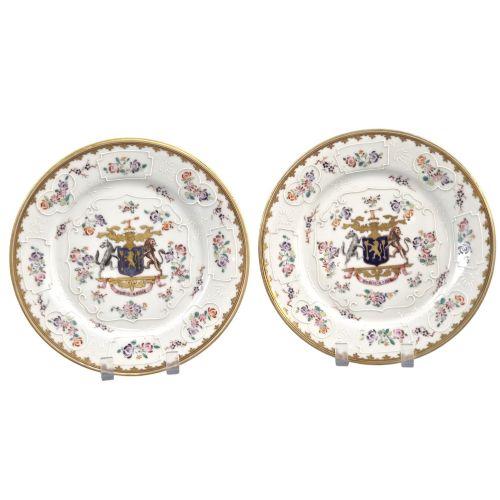
Edmé Samson & Cie·John Davenport of Longport·Royal Crown Derby·Pucher Deroche
The Antique Floral Ceramic Wall Plate Glossary
- Charger
- A large ornamental plate designed primarily for display on a sideboard or wall rather than for everyday dining. These sizeable pieces often showcase the most elaborate artistry of their period.
- Imari
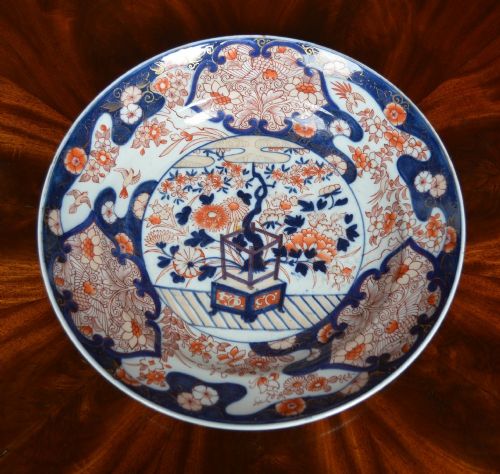
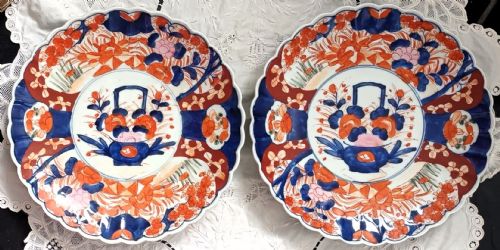
- A style of Japanese porcelain and ceramic decoration characterised by a palette of underglaze blue, iron red, and gilt highlights. The pattern typically incorporates dense floral and garden motifs.
- Delftware
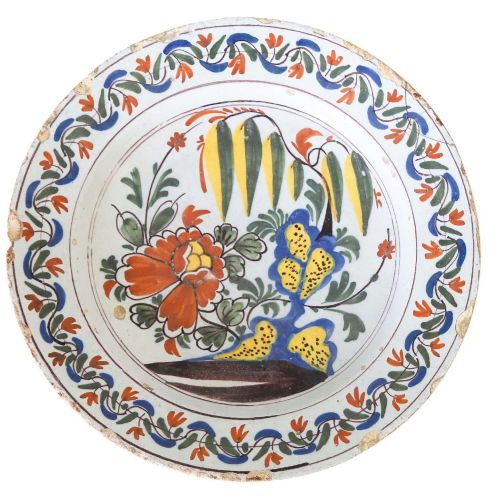
- Tin-glazed earthenware produced in England and the Netherlands, notable for its absorbent white surface and hand-painted blue or polychrome floral decoration. It often exhibits a warm, slightly irregular profile.
- Ironstone
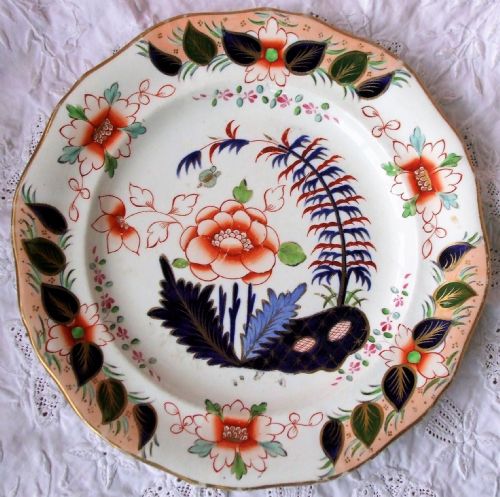
- A heavy, durable type of earthenware patented in the nineteenth century to imitate porcelain. It provides a robust ground for rich botanical and armorial transfer-printed or hand-painted patterns.
- Cabinet Plate
- A fine decorative plate intended for display inside a glass-fronted cabinet rather than practical table service. These pieces usually exhibit exceptional painting quality and delicate borders.
Antique Floral Ceramic Wall Plate: Frequently Asked Questions
How do I hang a wall plate safely?
Utilise a spring-loaded brass plate hanger that grips the rim securely without causing structural stress to the ceramic body. Ensure the wall fixing is anchored firmly to support the weight of larger chargers.
Avoid adhesive disk hangers on antique earthenware or plates with unstable glazes, as removing them can damage the historic surface or backing.
What is the difference between a plate and a charger?
A charger is substantially larger than a standard dining or cabinet plate, measuring well over thirty centimetres in diameter. They served as decorative centerpieces or under-plates on formal dining tables.
Plates are smaller and were produced for individual service or specific cabinet display, featuring tighter, more intricate border patterns suited to close inspection.
How do I identify Imari decoration?
Look for a distinct colour scheme combining deep underglaze blue, rusty iron red, and supplementary gold leaf or gilt outlines. The motifs frequently feature floral gardens, vases, and intricate brocade borders.
True antique Imari items originate from Japanese kilns or later nineteenth-century European interpretations that emulated traditional East Asian export styles.