


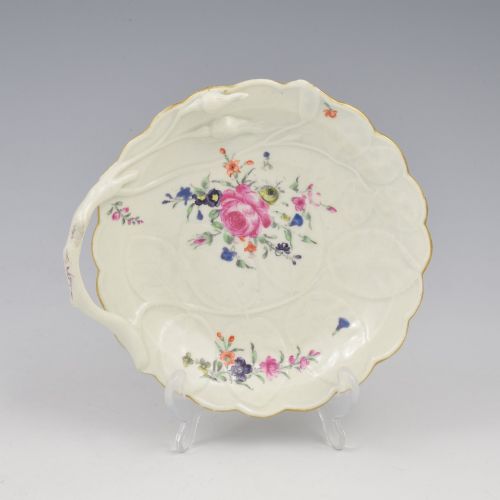

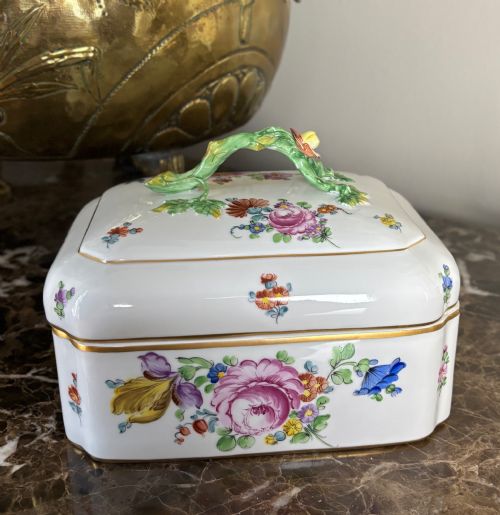
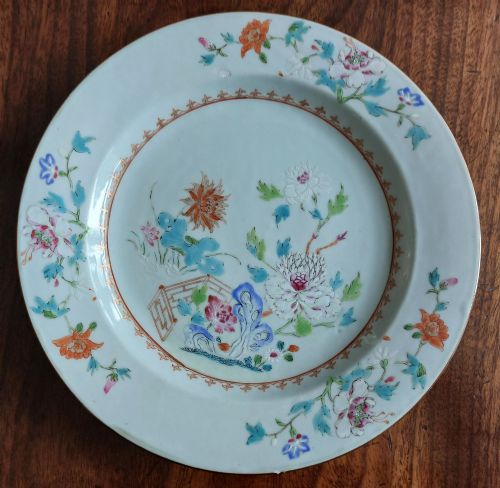

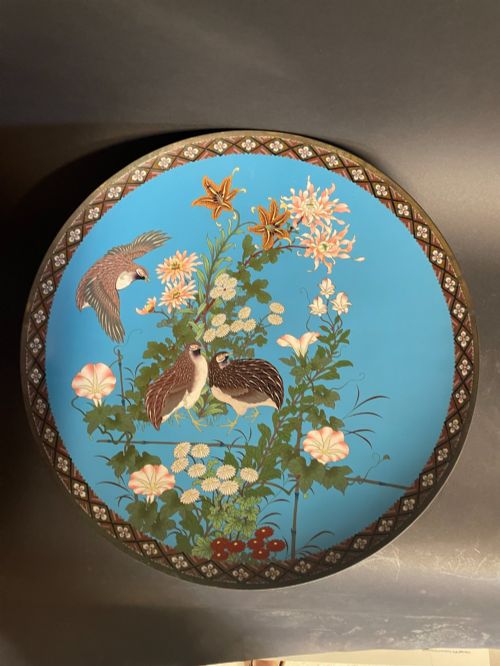
Antique Floral Ceramic Dish
When you handle an antique floral ceramic dish, you touch centuries of hand-painted botanical art shaped for the table.
Antique Floral Ceramic Dish
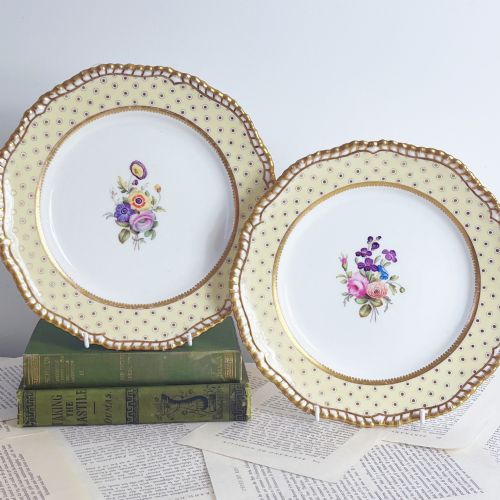
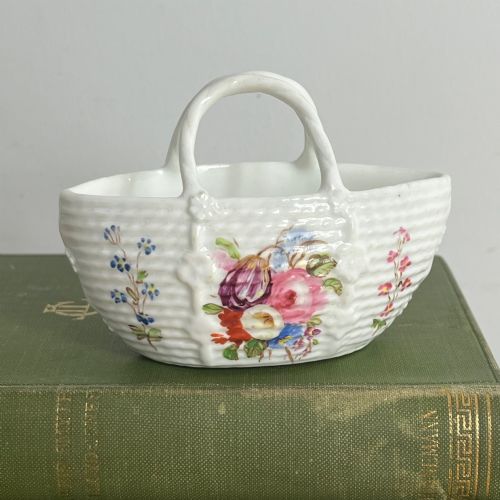
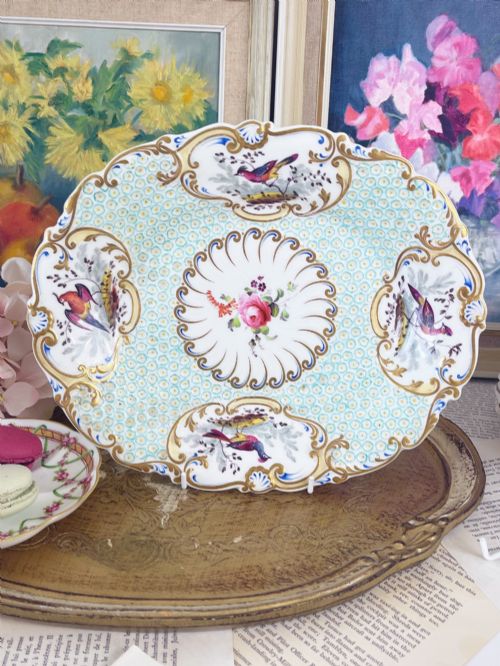
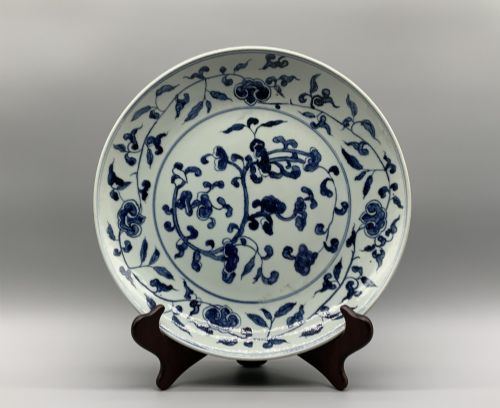
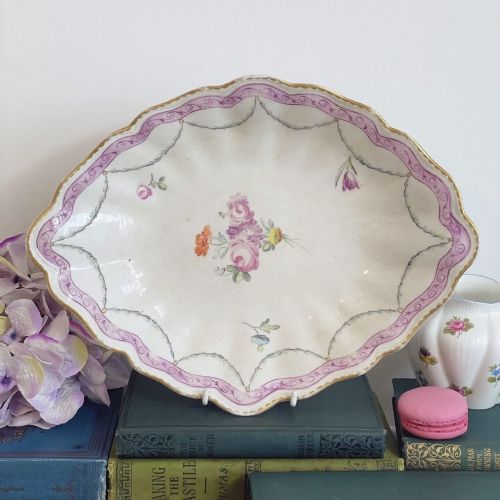
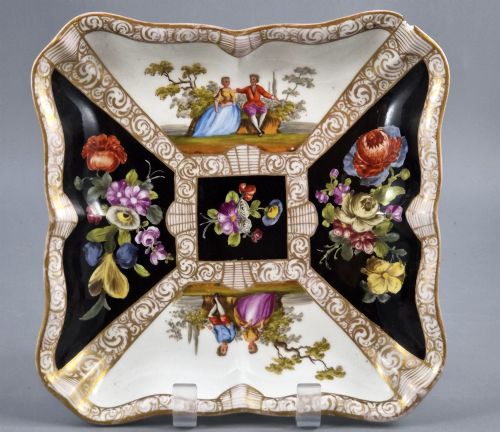
An antique floral ceramic dish covers a broad range of domestic vessels, from deep chargers and serving platters to delicate dessert plates and sweetmeat dishes. The pieces on this page span the eighteenth, nineteenth, and early twentieth centuries, bringing together English factories, continental European kilns, and East Asian workshops.
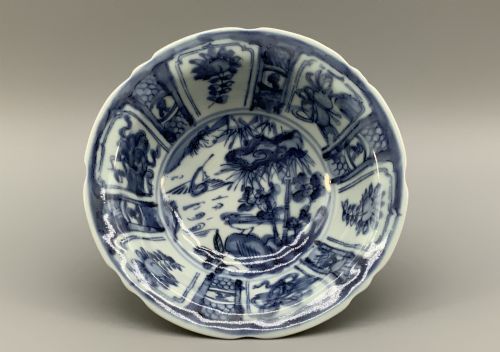
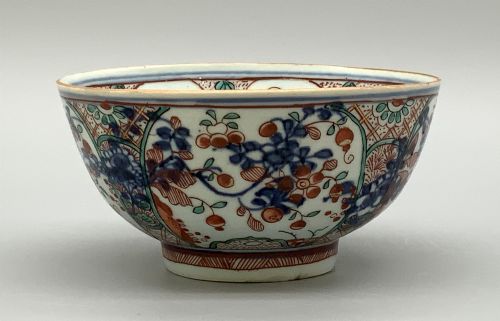
The most common examples you will encounter include English porcelain and earthenware plates bearing hand-painted or transfer-printed floral motifs alongside imported Japanese Imari and Chinese blue and white wares. These items were originally made for functional dining or decorative display in period interiors.
Makers represented range from eighteenth-century Worcester and Derby manufactories to nineteenth-century Staffordshire potteries and international ceramic centres such as Meissen, Sèvres, and Dresden. Each workshop applied distinct regional traditions to the enduring subject of painted flowers.
Materials and methods
Potters shaped these dishes using body compositions such as soft-paste porcelain, hard-paste porcelain, refined earthenware, ironstone, and tin-glazed delftware. Each clay body required specific kiln temperatures to achieve the vitrified finish necessary for holding food and liquids.
Decoration relied on underglaze cobalt blue painting, overglaze polychrome enamel colours, and metallic highlights in gold leaf or gilding. Skilled artisans applied these pigments by hand with fine brushes, occasionally combining transfer-printing outlines with hand-coloured infills.
Certain eighteenth-century Worcester dishes depict remarkably plump beetles sharing the floral stems with butterflies.
Assessing quality
Quality rests primarily on the crispness of the porcelain or earthenware body and the execution of the painted botanical decoration. Finer pieces demonstrate superior control in the brushwork, displaying subtle tonal gradations in the floral petals and leaves rather than flat, mechanical application.
The sophistication of the glaze and the purity of the white ground separate standard domestic wares from high-status cabinet pieces. Superior items often feature intricate moulded borders, hand-gilded accents, and well-documented factory marks from prominent ceramic artists.
Spode Felspar·Flight Barr & Barr Worcester·H & R Daniel·Meissen Porcelain·Dresden·Royal Crown Derby·Chamberlains Worcester·Limoges·Royal Doulton
The Antique Floral Ceramic Dish Glossary
- Imari
- A Japanese style of porcelain decorated in underglaze blue, iron red, and gilt, which heavily influenced European factories. It is widely recognised by its dense, compartmentalised floral and geometric patterns.
- Soft-paste porcelain
- A glassy ceramic composite fired at lower temperatures than true hard-paste porcelain. It possesses a warm, slightly creamy appearance beneath the glaze.
- Polychrome
- Multicoloured decoration applied to ceramics using various enamel pigments. This technique allowed artists to render naturalistic floral sprays in vibrant hues.
- Transfer printing
- A mechanical method of applying complex designs to pottery by transferring ink from an engraved copper plate onto tissue paper and then onto the ceramic body. It revolutionised production speed in nineteenth-century English factories.
- Delftware
- Tin-glazed earthenware produced in England and the Netherlands, typically featuring an opaque white surface painted with blue or polychrome motifs. The porous body requires careful handling to preserve the glaze.
Antique Floral Ceramic Dish: Frequently Asked Questions
Can I use these dishes for serving food?
Many nineteenth-century and eighteenth-century pieces were designed for functional dining use. However, wear, hairline cracks, and degraded glazes can make certain antique dishes unsuitable for modern consumption.
Inspect the interior glaze for chemical degradation or historical repairs before placing wet or greasy foods onto the surface.
How do I date an antique floral dish?
Examine the base of the vessel for factory marks, pattern numbers, and impressed ciphers. Comparing the style of the floral painting and the composition of the ceramic body to documented factory timelines helps narrow the period.
Unmarked pieces often rely on stylistic clues, such as the shape of the footrim or the specific palette of the enamel colours used.
What is the difference between porcelain and earthenware?
Porcelain is fired at extremely high temperatures until the clay body vitrifies, becoming hard, dense, and translucent. Earthenware uses a more porous clay body fired at lower temperatures, requiring an opaque glaze to seal the surface.
Dishes made from earthenware tend to feel heavier and thicker than their delicate porcelain counterparts.