
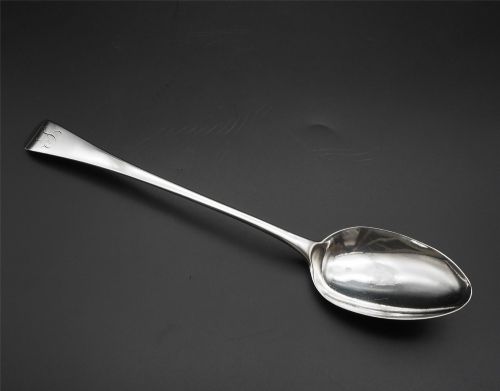
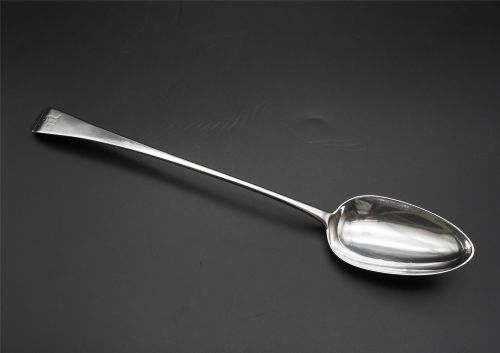
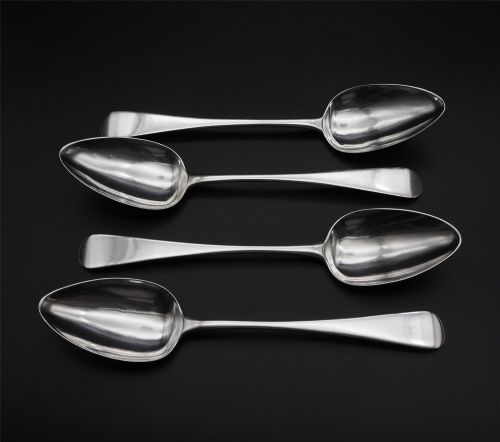
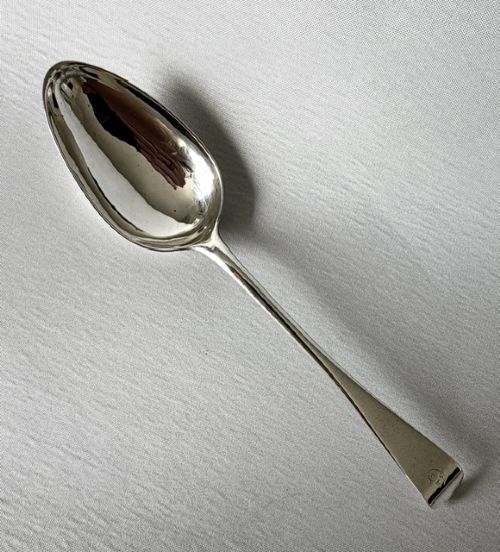
Antique Flatware Serving
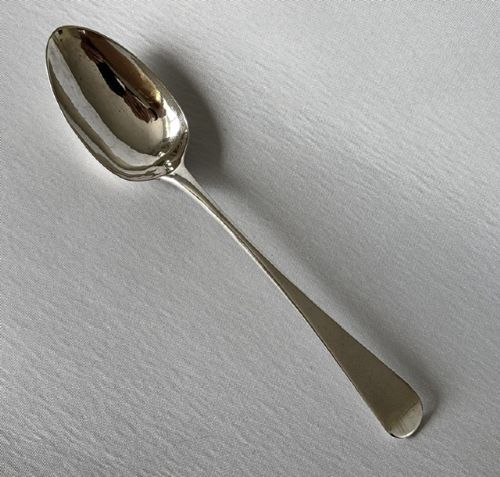
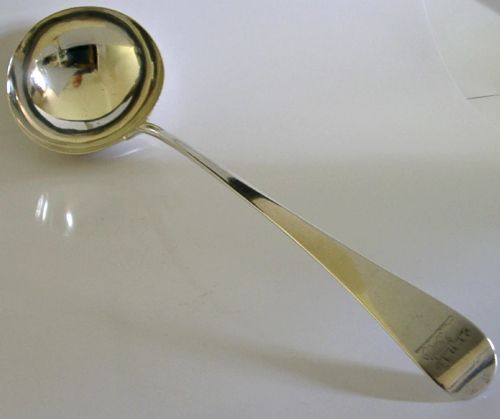
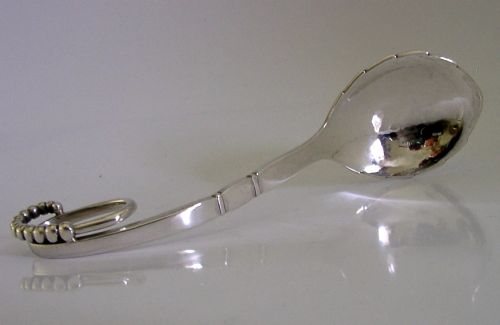
These antique flatware serving pieces bring heavy silver spoons, ladles, and tongs to the table, fashioned to handle formal meals with substance.
Antique Flatware Serving
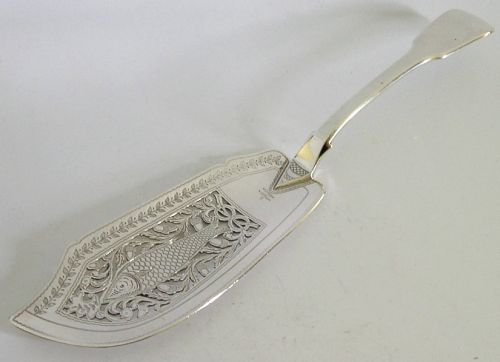
When you search for antique flatware serving, you encounter substantial silver pieces designed for passing food at the table, from hefty basting spoons to fish slices and sauce ladles.
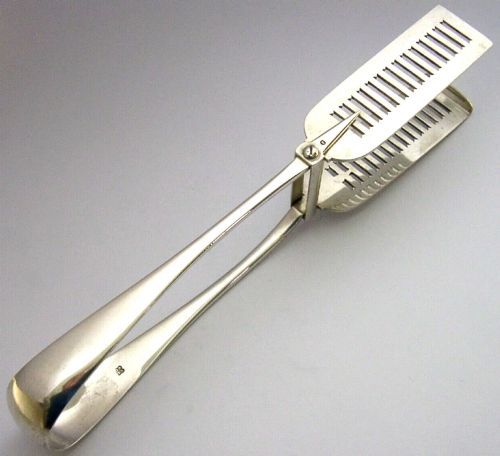
The pieces appearing most often span the Georgian, Victorian, and Edwardian periods, frequently taking the form of large serving spoons, soup ladles, and specialised tongs.
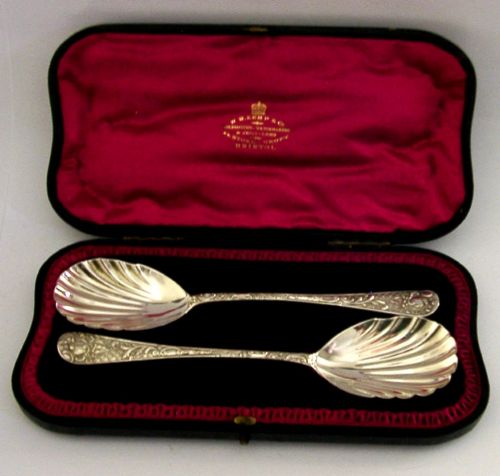
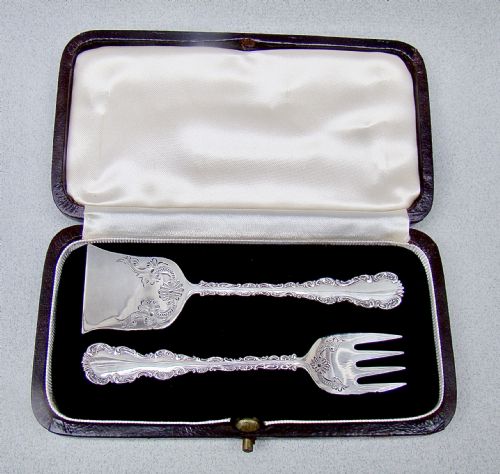
Makers from London, Sheffield, and continental workshops produced these utensils in sterling silver and silver gilt, often supplying them in fitted cases lined with velvet, silk, or satin.
Materials and construction
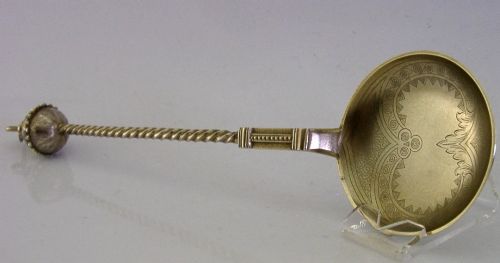
Silversmiths utilised sterling silver and solid silver for the bowls and blades, frequently applying silver gilt to create a rich gold-washed finish on special presentation pieces.
Handles incorporated traditional metals alongside organic elements such as agate, while presentation cases lined with velvet, silk, satin, and leatherette protected the metalwork from tarnish and damage.
Early eighteenth-century metalware brings an unexpected touch to the table with a plain pewter dog nose single spoon.
Factors of quality
Quality rests upon the weight of the silver and the crispness of the chased, engraved, or cast ornamentation, distinguishing heavy basting spoons and fish servers from lighter utensils.
Maker attribution and the presence of original fitted presentation cases significantly elevate a piece, particularly when crests and cresting engravings remain sharp and clear.
Peter And Jonathan Bateman·Hester Bateman·Georg Jensen·Henry Wilkinson·Tiffany And Company
The Antique Flatware Serving Glossary
- Basting spoon
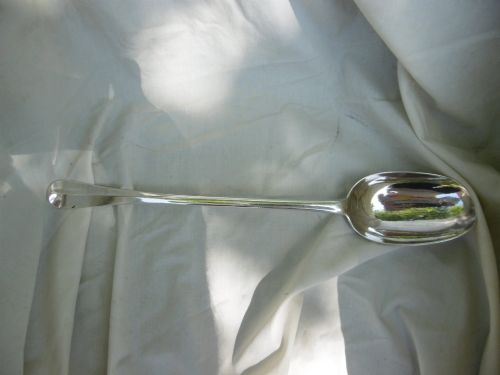
- A large spoon originally used to spoon juices over meat during roasting, which evolved into a standard serving implement on the dining table.
- Silver gilt
- Sterling silver that has been coated with a thin layer of gold, providing a rich yellow lustre often seen on baptismal and luxury serving spoons.
- Fish server
- A wide, flat blade designed specifically for serving fish portions at the table, often pierced or engraved with scrollwork and patterns.
- Sifter spoon
- A ladle featuring a perforated bowl intended for sprinkling sugar over food or straining liquids.
- Fiddle pattern
- A nineteenth-century flatware handle design characterised by a narrow stem widening towards the end in the silhouette of a fiddle.
Antique Flatware Serving: Frequently Asked Questions
What were antique serving ladles used for?
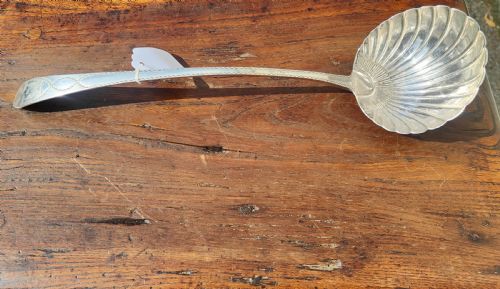
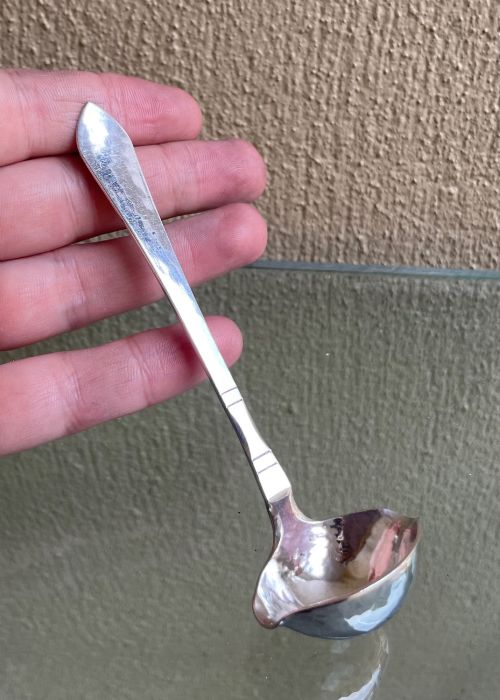
Serving ladles portioned out soups, sauces, and gravies at formal meals from deep bowls designed to hold generous amounts of liquid.
Their substantial length kept hands clear of hot contents while matching the design patterns of the accompanying flatware.
How do I identify Georgian serving pieces?
Georgian pieces display hallmarks specific to the eighteenth and early nineteenth centuries, often featuring crisp crests and traditional patterns like Old English or Hanoverian.
Heavy gauge silver and hand-engraved details typify this era of British silversmithing before industrial stamping became common.
Are silver gilt serving spoons solid gold?
Silver gilt spoons consist of solid sterling silver coated with a thin layer of real gold through a chemical or electrochemical process.
This treatment protected the silver from tarnishing in specific uses while offering the rich appearance of solid gold.
What is the difference between a basting spoon and a serving spoon?
Basting spoons measure considerably longer and heavier than standard spoons, engineered originally for kitchen hearths before moving to the dining room table.
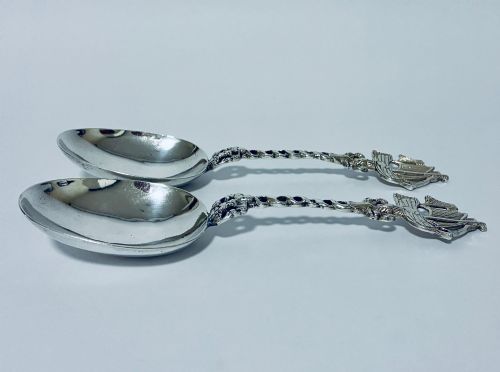
Serving spoons generally exhibit more decorative engraving and varied bowl shapes suited for passing vegetables and meats.
How should I store cased silver servers?
Keep cased sets in dry environments away from direct sunlight to protect the interior velvet, silk, satin, and leatherette linings from degrading.
Leaving the utensils inside their fitted boxes helps shield the silver surface from airborne sulphur that accelerates tarnishing.