
Antique Fire Fender
When furnishing a hearth, an antique fire fender sets the boundary between room and grate with character and substance.
Antique Fire Fender
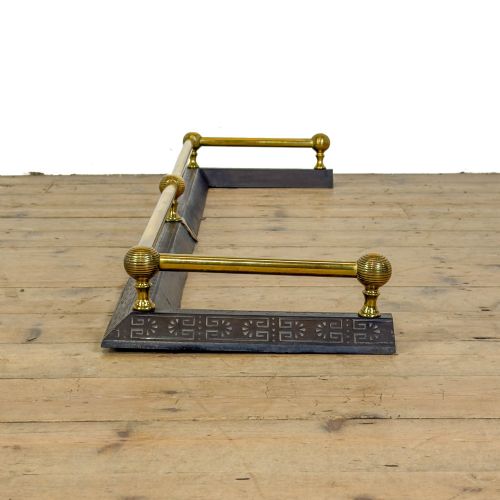
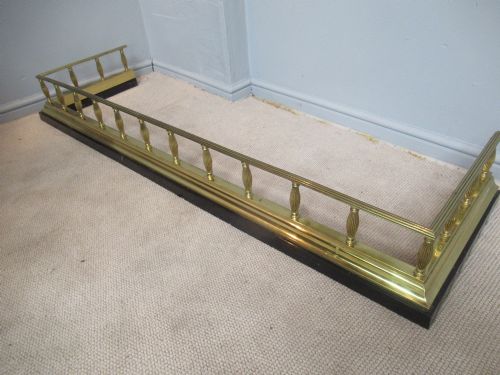
An antique fire fender forms the low metal or wooden barrier placed around a hearth to contain embers and protect the surrounding floor. These pieces range from simple low kerbs to elaborate seating structures designed for the fireside.
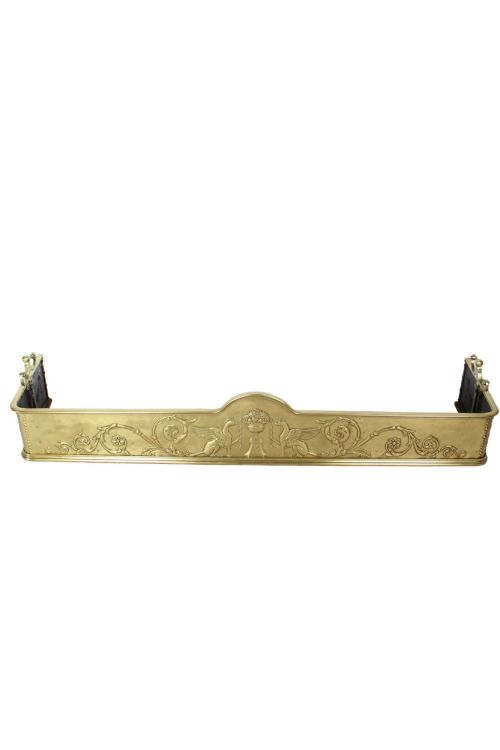
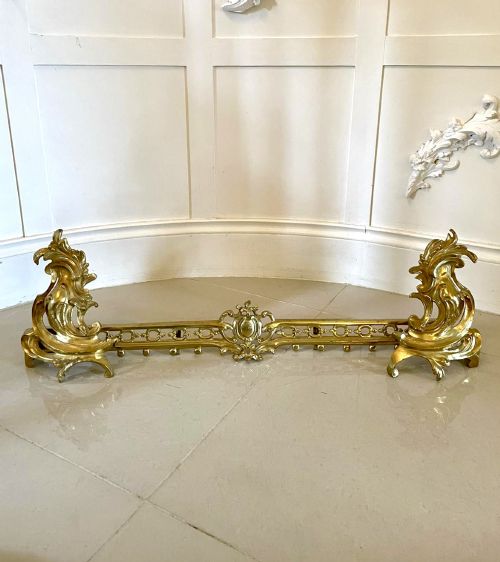
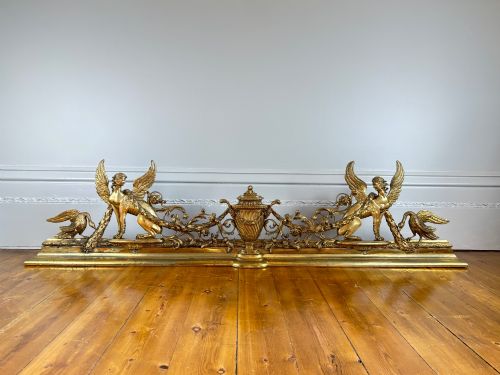
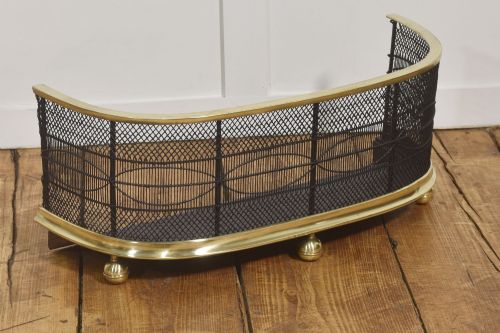
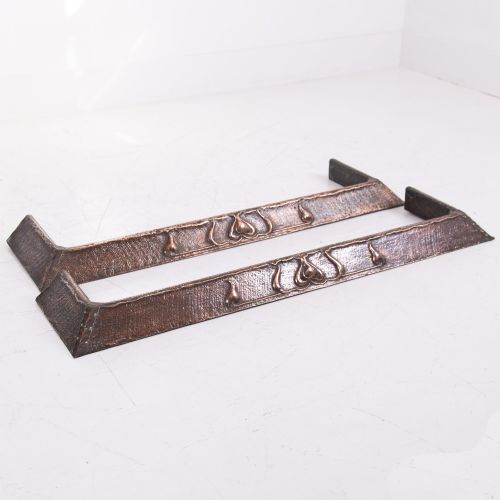
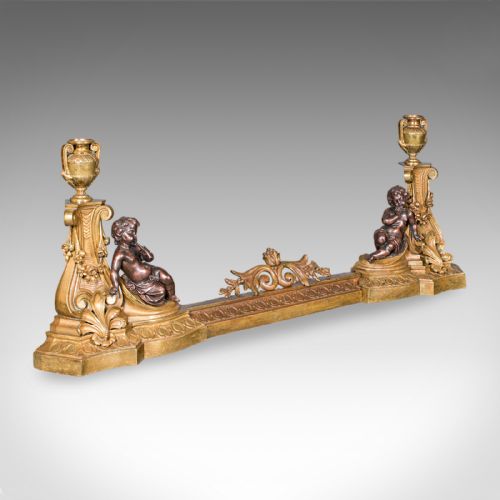
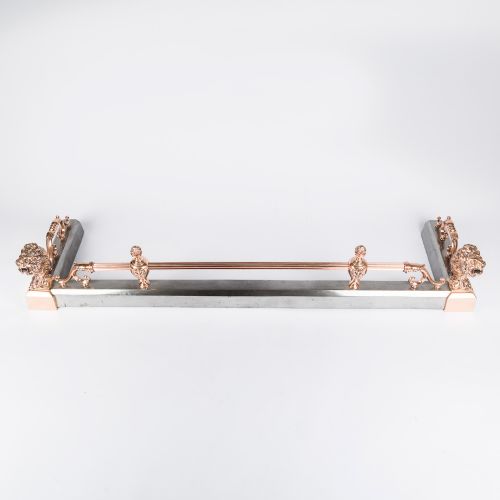
Design vocabulary stretches from restrained Georgian serpentine shapes to ornate French Rococo casting and decorative Arts and Crafts copper work. Originating mostly from English and French workshops, these items mirror the domestic priorities of their eras.
Materials and construction
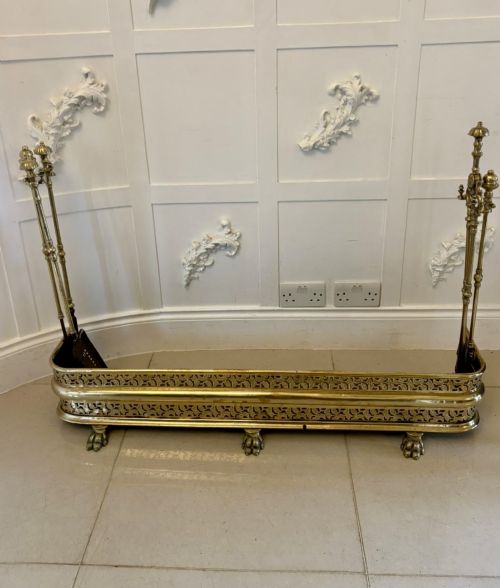
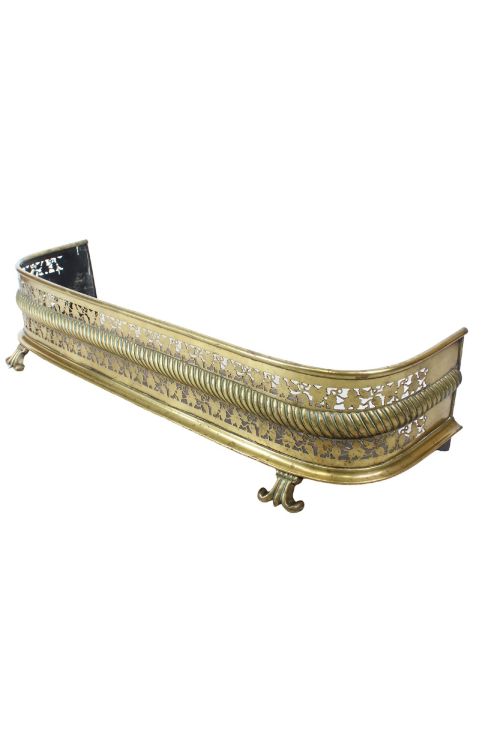
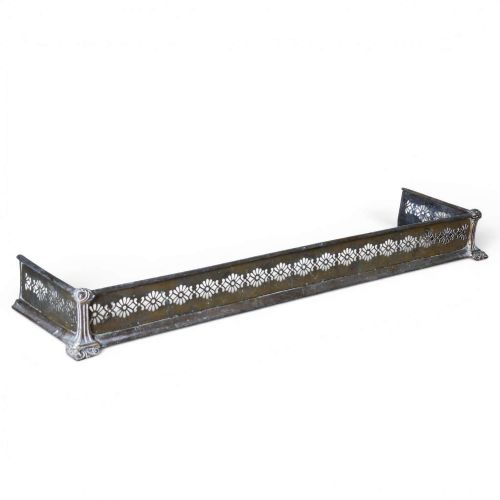
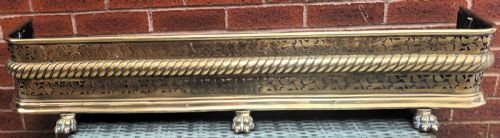
Makers shaped heavy sheet brass, cast iron, and polished steel into rigid borders using techniques like piercing, fretwork, and riveting. Pierced brass panels reveal intricate geometric or floral patterns designed to let heat radiate into the room while catching the firelight.
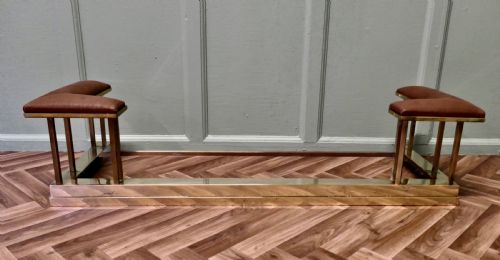
Club versions incorporate substantial oak or mahogany internal frames fitted with leather upholstery fixed by brass studs. Many examples utilise adjustable mechanisms, allowing the metal and leather structure to lengthen or shorten to fit particular fireplace openings.
Antique Fire Fender Retail Price Guide 2026
Typical asking prices for fire fender among the pieces listed under this phrase on Sellingantiques today, from the lower quarter to the upper quarter. They describe what is for sale here now, not the wider market.
Some nursery fenders include integrated rails specifically designed for drying children's wet woollen mittens by the fire.
Assessing craftsmanship and finish
Superior examples display crisp casting and deep engraving, particularly on serpentine steel fronts and heavy brass mouldings where lines remain sharp and clean. Lesser pieces rely on thin gauge metals that lack rigidity and show shallow, poorly defined surface decoration.
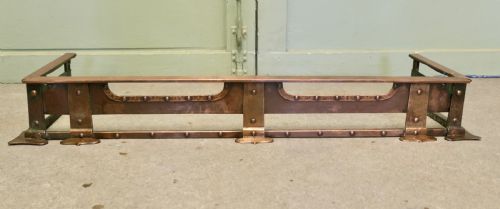
The integration of secondary materials defines the upper tier, seen in thick leather hides secured with traditional hand-hammered tacks and heavy bronze mounts. Fenders retaining original fittings like fire irons, matching andirons, or integrated clothes rails demonstrate greater original integrity.
E F Caldwell New York
The Antique Fire Fender Glossary
- Club fender
- A low fireside seat built over a metal frame with padded leather top rails. These allowed people to sit directly beside the hearth.
- Fire kerb
- A low border defining the edge of the hearth without enclosing the space fully. This style focuses purely on containing stray coals.
- Patera
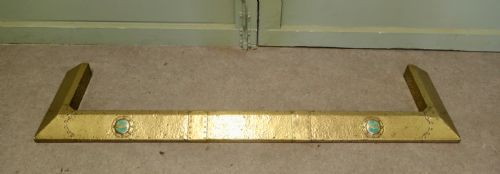
- A circular decorative ornament resembling a flat carved flower or medallion. Makers applied these frequently to the corners of brass and copper frames.
- Serpentine
- A gentle undulating curve shaped into the front bar of the fender. This contour mirrors the polite geometry of period fireplace grates.
- Spark guard
- A fine wire mesh screen attached to or placed behind the fender. It prevents flying embers from reaching surrounding carpets.
Antique Fire Fender: Frequently Asked Questions
What is a club fender?
A club fender is a hearth barrier featuring integrated upholstered seats along the top rails. These provided practical seating right next to the fire in nineteenth-century drawing rooms.
They combine metal support structures with leather cushions, often built with adjustable widths to fit specific chimney breasts.
How do I measure for a fender?
Measure the width and depth of your hearth stone while accounting for the clearance needed around your fireplace surround. Take measurements from the outside edges where the barrier will sit.
Keep in mind that many period pieces feature adjustable frames, which offer flexibility if your masonry dimensions are slightly unusual.
Are these fenders adjustable?
Many nineteenth-century examples incorporate sliding mechanisms within the metal frame. This engineering allowed households to alter the width to suit different rooms or grate sizes.
Fixed-size pieces remain common, particularly among grander Georgian and Victorian designs made for specific hearth proportions.
What materials were used?
Polished brass, cast iron, and steel form the primary structure of most hearth barriers. Copper, bronze, and wire mesh appear frequently in decorative panels and spark guards.
Upholstered seating sections utilise hardwoods like oak or mahogany paired with leather hides secured by brass studding.