

Antique Fire Curb
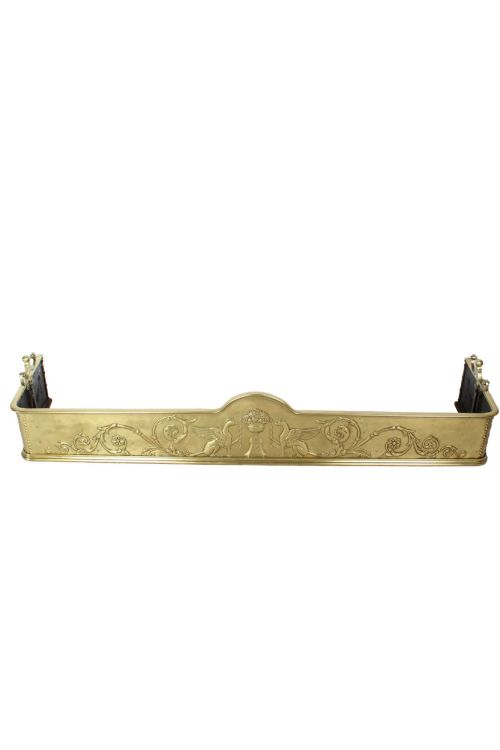
An antique fire curb frames the hearth, combining heavy metals and pierced brass to finish a Victorian or Georgian fireplace.
Antique Fire Curb
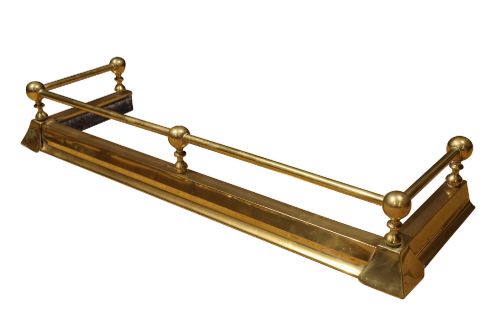
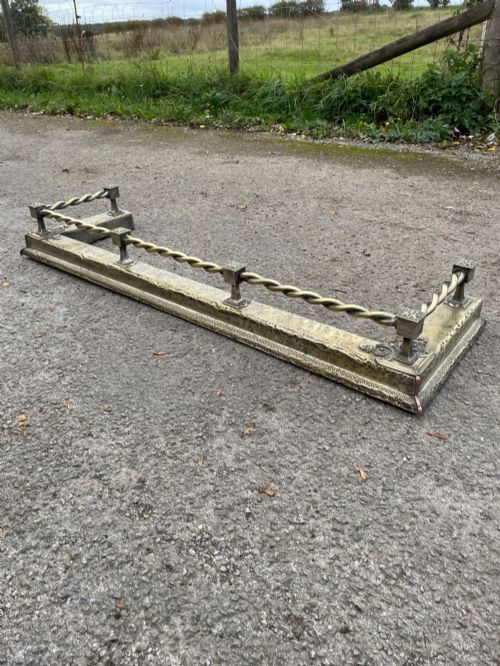
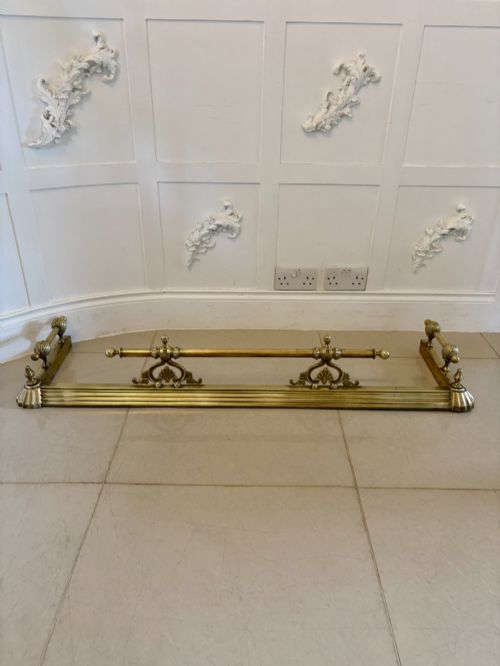
An antique fire curb defines the hearth boundary, keeping embers safely contained within the fireplace. The pieces encountered here span the Victorian, Georgian, and Edwardian periods, taking forms from simple adjustable rails to ornate club fenders.
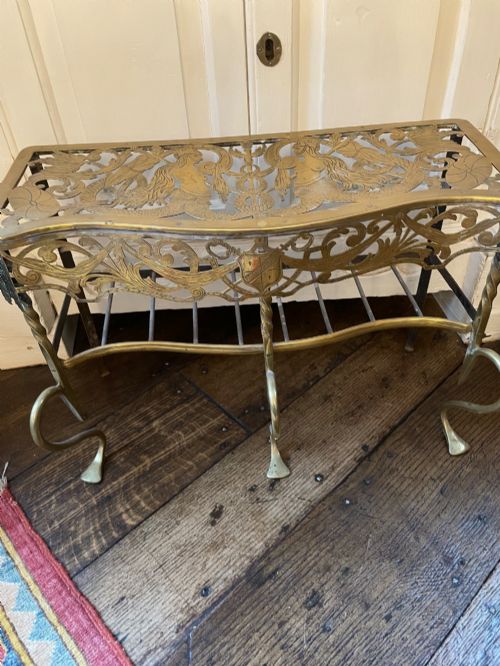
Makers fashioned these guards in steel, brass, and copper, often incorporating seating into club designs or piercing the metal with intricate decorative patterns. Buyers select them to anchor a period fireplace with authentic metalwork from the nineteenth century and surrounding decades.
Materials and Construction Techniques
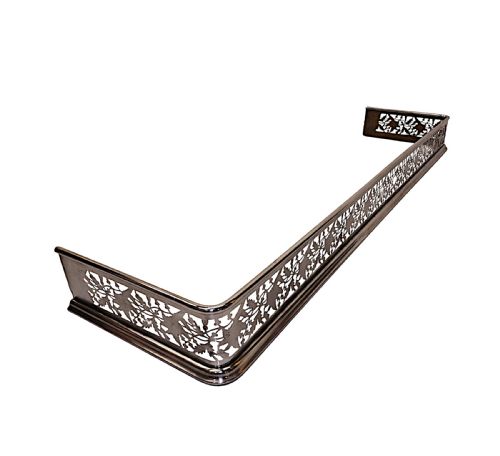
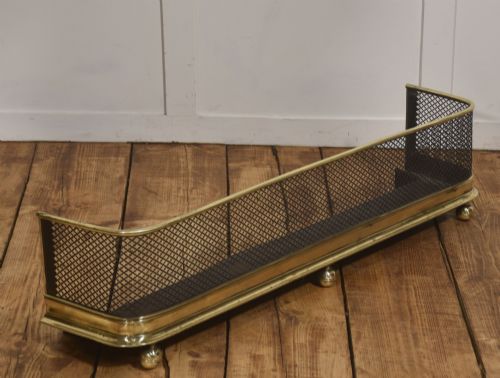
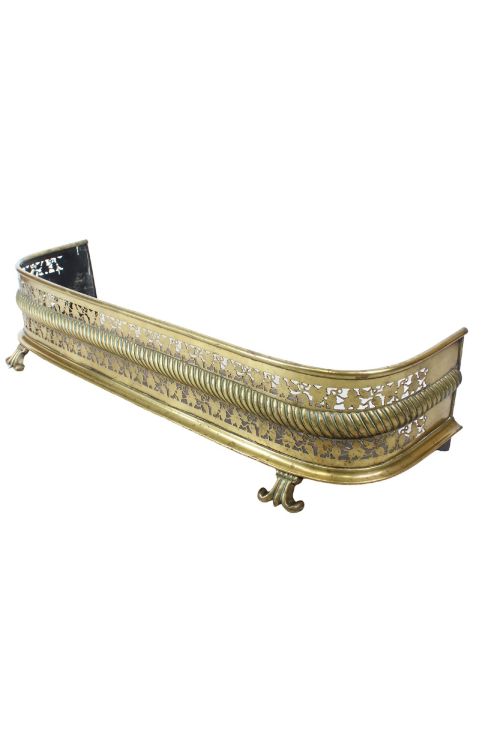
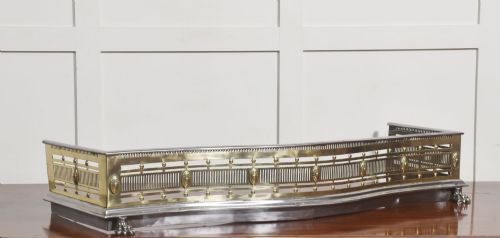
Smiths and metalworkers shaped heavy cast iron, steel, and brass into serpentine fronts and rigid corners. Many examples utilise pierced sheet brass, beaten copper panels, or riveted construction to add texture to the hearth boundary.
Makers applied fire gilding, ormolu, and parcel gilt finishes to bronze frames, whilst others integrated leather upholstery into club fender seats. Components were frequently joined using mechanical rivets or adjustable brackets to fit varying hearth dimensions.
Antique Fire Curb Retail Price Guide 2026
Typical asking prices for fire curb among the pieces listed under this phrase on Sellingantiques today, from the lower quarter to the upper quarter. They describe what is for sale here now, not the wider market.
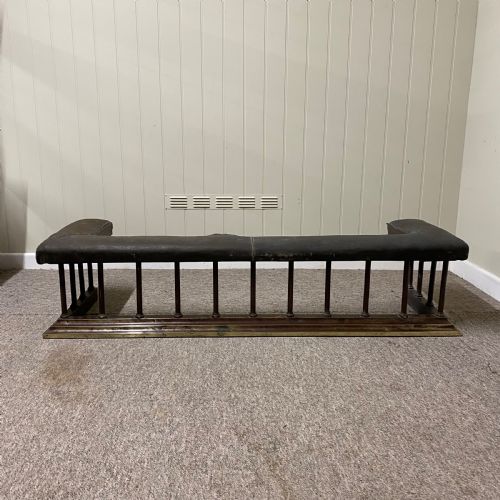
Some heavy metal fenders include built-in seats so you can warm your toes right at the hearth edge.
Distinctions in Quality and Make
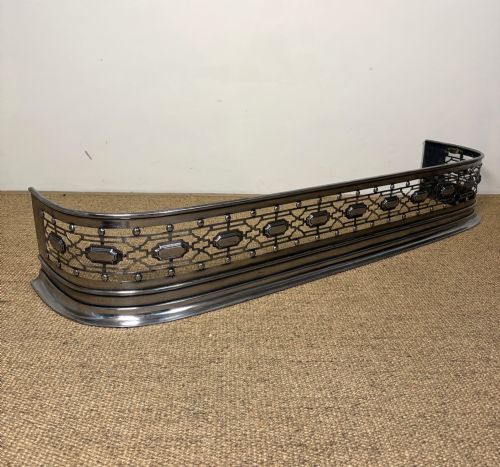
Quality rests upon the weight of the metal gauge and the crispness of pierced or engraved decoration. Heavy cast brass and thick hand-beaten copper display superior structural integrity compared to lighter, stamped sheet alternatives.
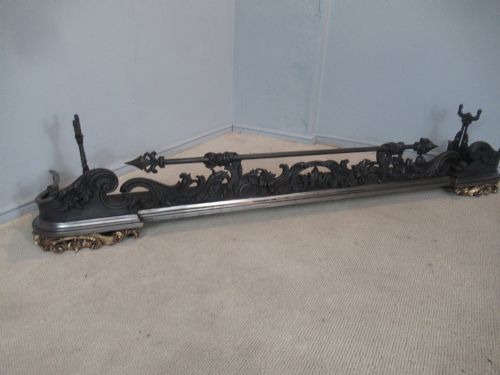
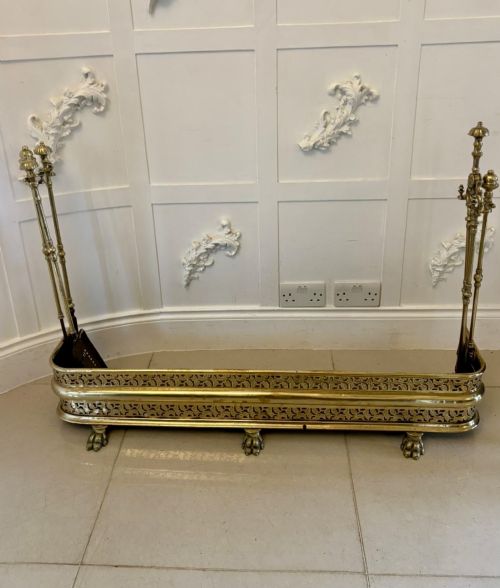
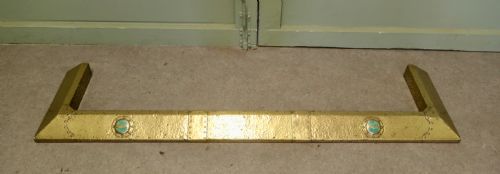
The sophistication of the design distinguishes standard production pieces from exceptional works, such as those featuring green enamel cabochons, original fire irons, or detailed French rococo cast mounts.
E F Caldwell New York
The Antique Fire Curb Glossary
- Club fender
- A low, U-shaped hearth guard featuring upholstered leather top seats designed for sitting beside the fire.
- Patera
- A circular decorative relief carving or stamping resembling a classical disc, often featuring floral motifs.
- Ormolu
- Gilded bronze, where finely ground gold is applied to a bronze base using a mercury amalgamation technique.
- Serpentine
- A gently undulating curved front line characteristic of finer eighteenth and nineteenth century metalwork.
- Pierced
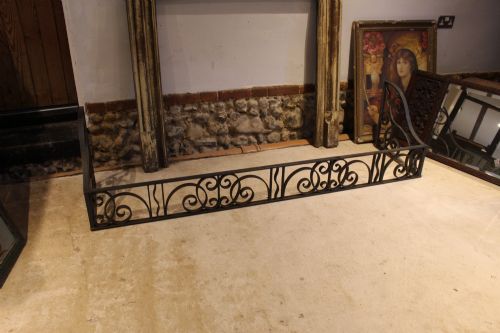
- Metalwork perforated with decorative cut-out patterns to allow light through and lighten the visual weight.
Antique Fire Curb: Frequently Asked Questions
What is an antique fire curb?
An antique fire curb is a metal barrier placed on the floor around a fireplace hearth to contain hot ash and burning embers.
They serve both a protective function and a decorative role, framing the fireplace opening with period materials like brass, steel, and copper.
How do I choose the right size?
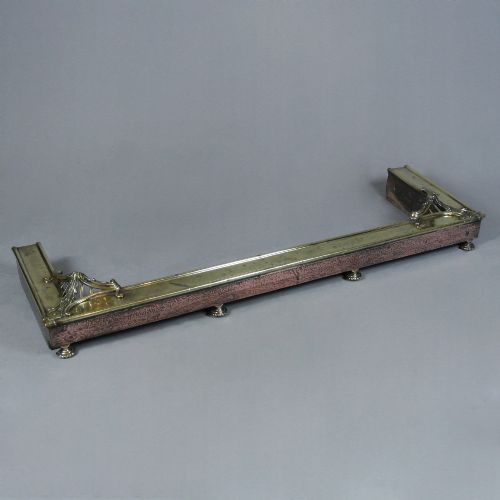
Measure the width and depth of your hearth space carefully before selecting a fender, noting that many nineteenth-century examples feature adjustable mechanisms.
Consider whether you need a fixed-length serpentine piece or an extending model that can be adjusted to fit the exact opening of your fireplace.
What materials were commonly used?
Makers constructed these hearth guards primarily from brass, cast iron, and steel, often combining them with copper, bronze, or ormolu details.
Some pieces incorporate supplementary materials such as oak timber frames, leather seat squabs, or decorative enamel cabochons.
How do I care for antique metal?
Maintain brass and copper surfaces by dusting them regularly with a soft cloth and avoiding abrasive cleaning agents that strip patination.
Preserve the natural aged finish of the metal rather than attempting to polish it to a modern, mirror-like shine.