







Antique Ethnic Throw
These antique ethnic throw selections bring together hand-woven textiles, embroidered shawls and panels that add texture and history to any interior.
Antique Ethnic Throw
When you search for an antique ethnic throw, you encounter a variety of traditional textiles, panels and cushions originating from Central Asian, Anatolian, South Asian and Southern African makers. These pieces span from the mid-nineteenth century through the early twentieth century, offering distinct cultural patterns and textile traditions.
Buyers look for these items to introduce authentic regional craftsmanship into modern living spaces. Each textile carries the distinct visual language of its weaving tradition, whether that is the geometric repeat of a kilim or the floral embroidery of a Suzani.
Materials and technique
Makers utilised natural materials including cotton, wool and silk, often combining silk thread embroidery with cotton grounds as seen in Central Asian Suzanis. Weavers and embroiderers employed traditional hand-weaving and needlework techniques passed down through generations.
The materials recorded in these listings include cotton, wool, silk, silk thread and hardwood.
What varies in quality
The standard of an antique ethnic throw depends on the precision of the hand-weaving and the complexity of the needlework. Full-work embroidery and tightly woven kilim structures represent superior craftsmanship compared to simpler or more sparse decorative execution.
Condition and visual impact also distinguish pieces at different levels of quality. Strong colour preservation and intact structural integrity elevate a textile panel or cushion, while handling marks reflect its age and prior utilitarian use.
The Antique Ethnic Throw Glossary
- Suzani
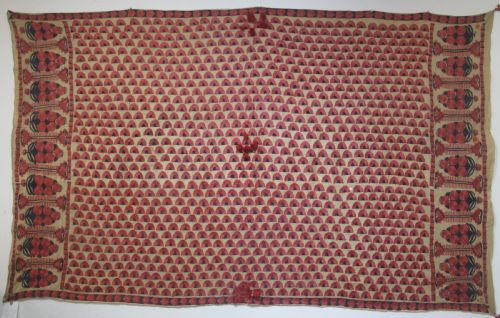
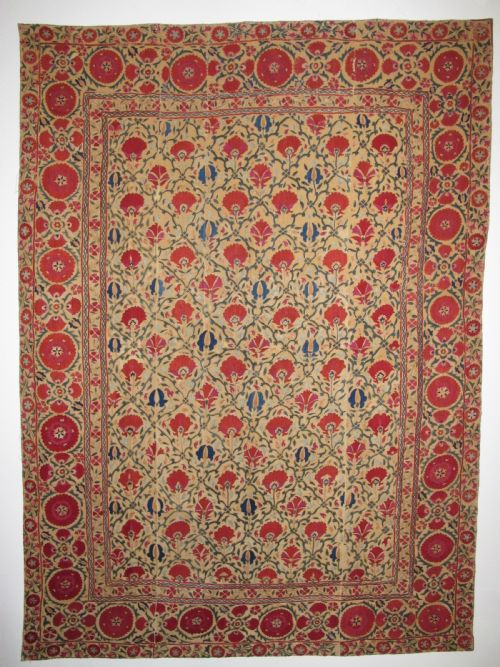
- An embroidered textile panel originating from Central Asia, typically featuring silk thread needlework on a cotton ground. These large decorative hangings often display elaborate floral and medallion motifs.
- Kilim
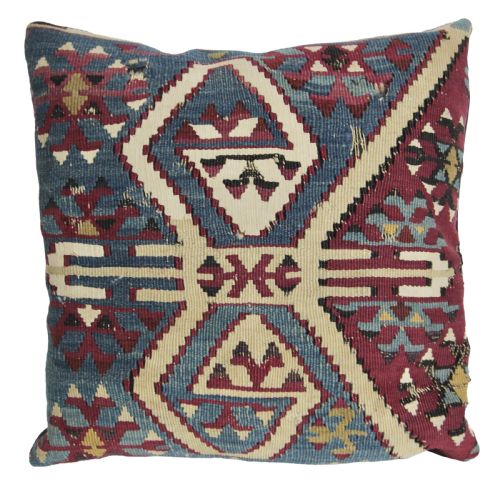
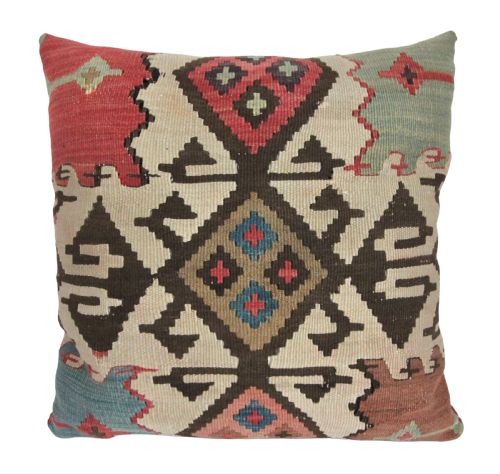
- A flat-woven carpet or rug lacking a pile, frequently repurposed into cushions and decorative throws. This technique produces a durable fabric with sharp geometric patterns.
- Ikat
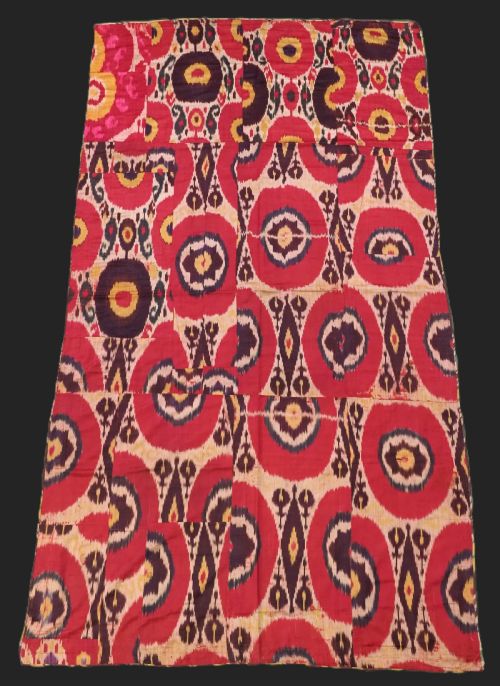
- A dyeing and weaving technique where threads are tie-dyed before being woven into fabric. This process creates characteristic feathered edges along the pattern designs.
- Knobkerrie
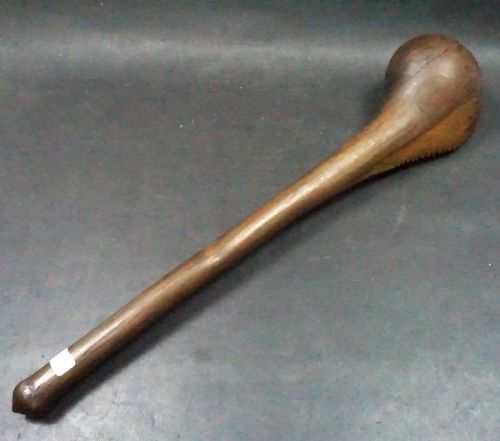
- A traditional wooden club from Southern Africa featuring a heavy knob at the end. These items served functional roles in hunting and combat.
Antique Ethnic Throw: Frequently Asked Questions
How do I clean an antique textile?
Professional specialist cleaning is recommended for delicate antique wool, cotton and silk textiles. Avoid immersion washing or mechanical agitation to protect fragile historic fibres.
Surface dust may be gently removed with low suction through a mesh screen. Keep these items away from direct sunlight to prevent fading of natural dyes.
What is a Suzani used for?
Traditionally created as part of a bride's dowry in Central Asia, Suzanis were used as wall hangings, bed covers or ceremonial cloths. Today they function as decorative interior panels or throws.
Their intricate silk embroidery brings rich colour and historical texture to living spaces when displayed carefully.
How are kilim cushions constructed?
Kilim cushions are made by cutting sections of flat-woven carpets and backing them with durable fabric to form cushion covers. This practice repurposes older woven fragments into functional home accessories.
The flat-weave surface remains visible on the front, retaining the original geometric patterns.
Can I use these textiles daily?
Many textile panels and cushions handle gentle daily use in low-traffic areas of the home. However, fragile silk embroideries benefit from placement where they experience minimal friction.
Rotating cushions regularly helps distribute wear evenly across the woven surface.