
Hand Embroidered Textile
When you search for a hand embroidered textile, you enter a diverse world of needlework, from Central Asian tribal panels to English crewelwork.
Hand Embroidered Textile
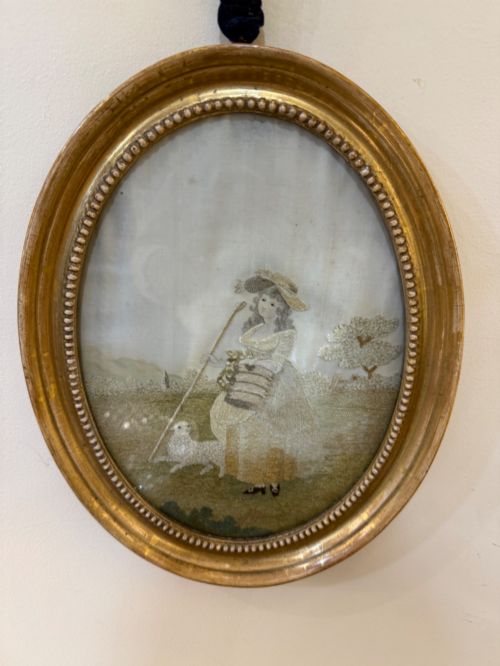
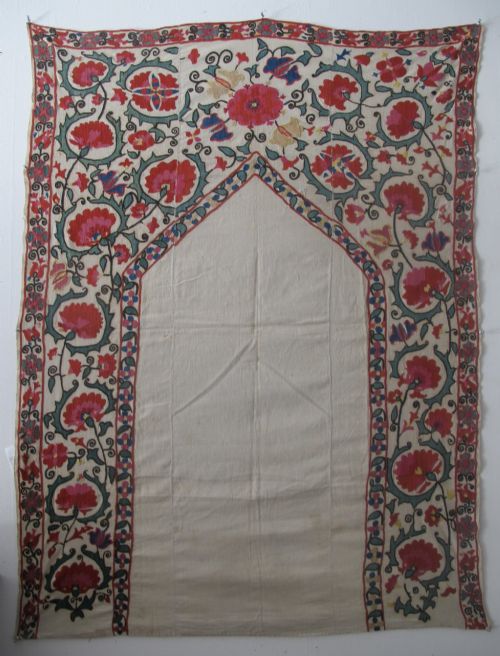
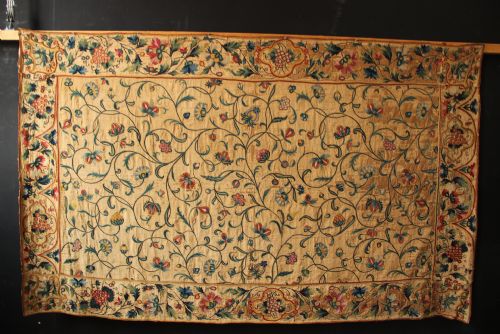
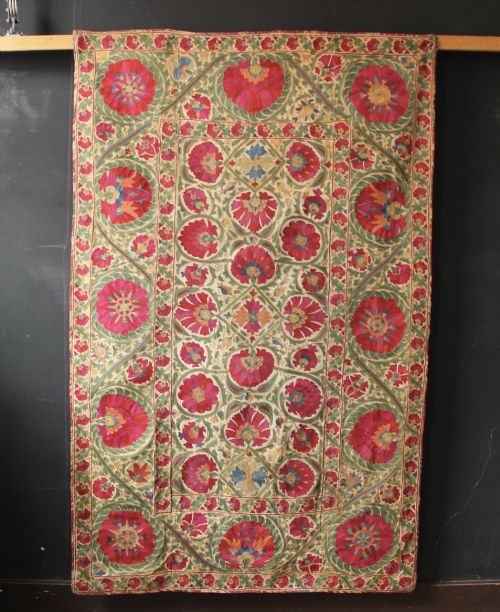
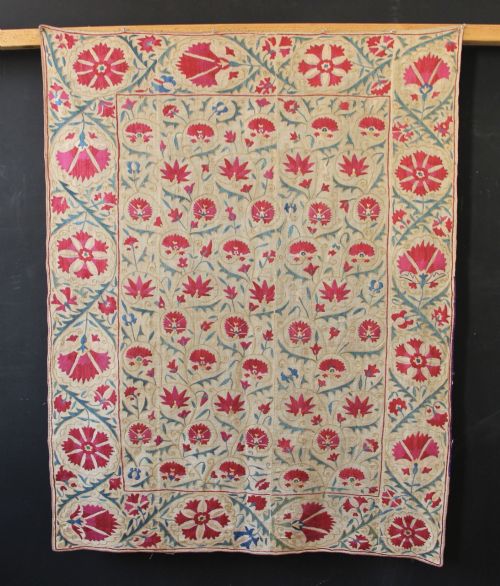
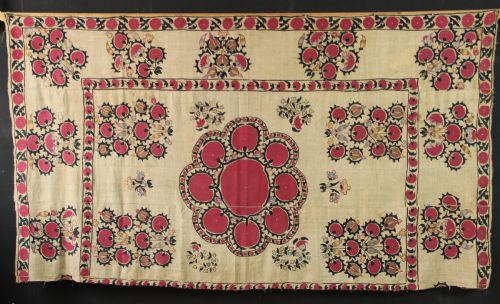
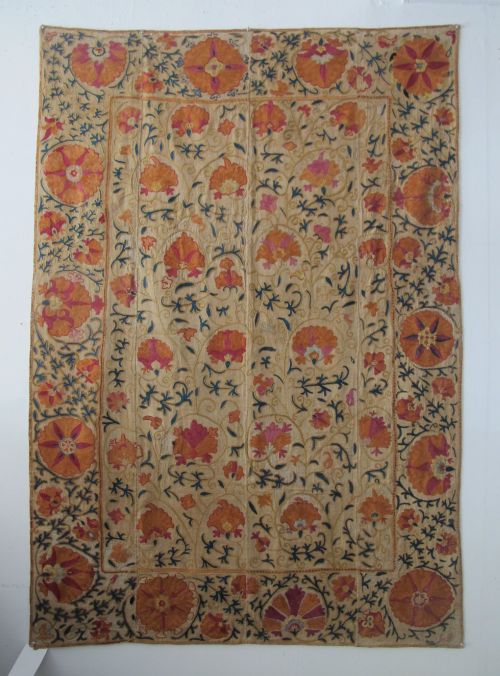
A hand embroidered textile encompasses a wide array of historical needlework, wall hangings, and decorative panels originating from regions such as Central Asia, Greece, and England. Buyers frequently encounter nineteenth-century Uzbek suzanis, tribal felt rugs, and English crewelwork pieces.
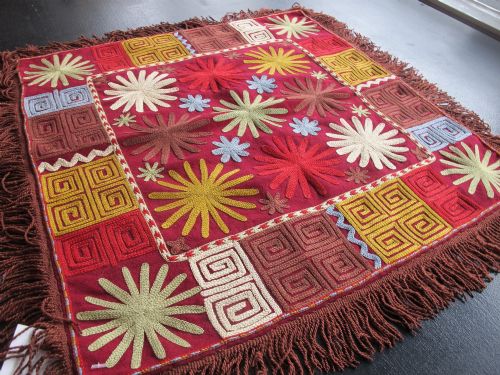
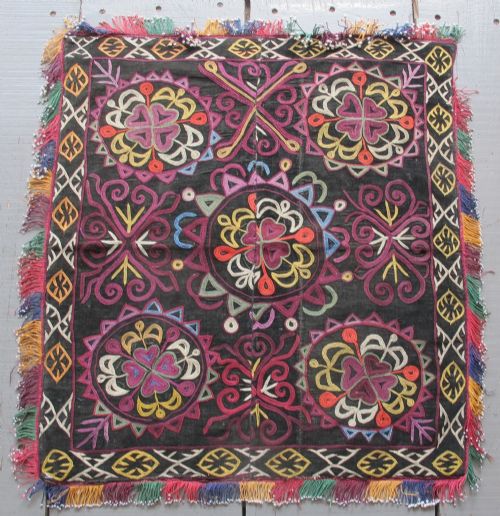
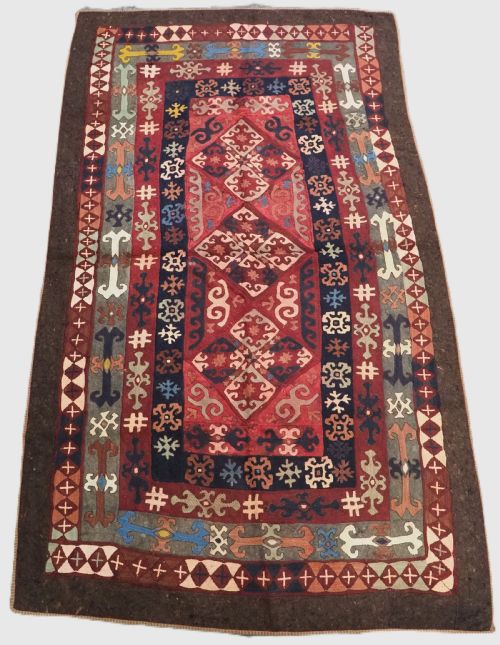
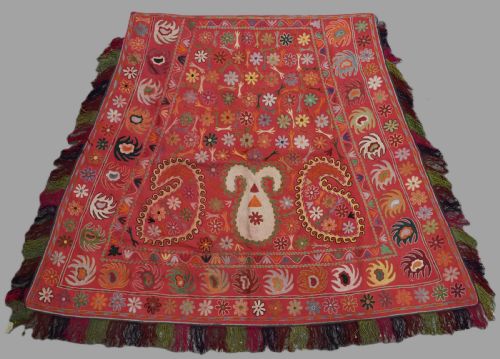
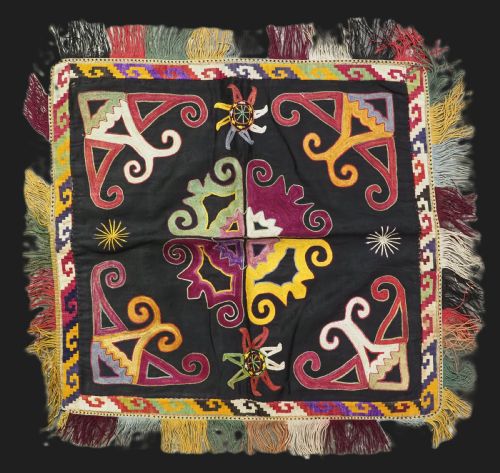
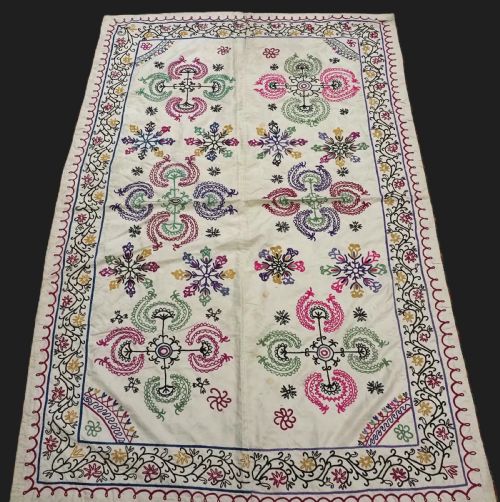
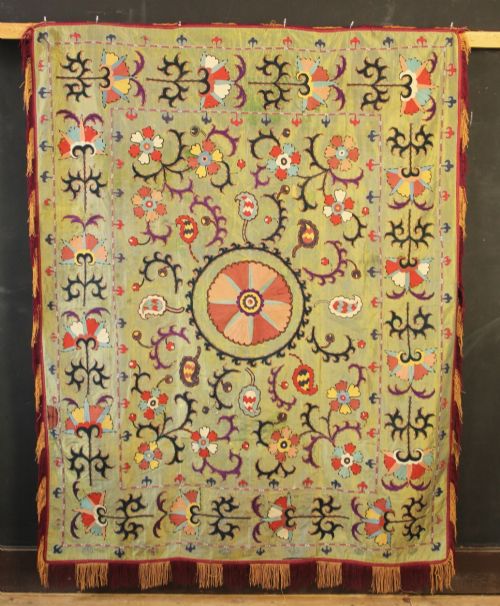
The selection ranges from large architectural suzanis and yurt wall hangings to smaller mirror covers, dowry items, and saddle rugs. These pieces reflect distinct regional traditions, utilising specific motifs like medallions, floral patterns, and tribal symbols.
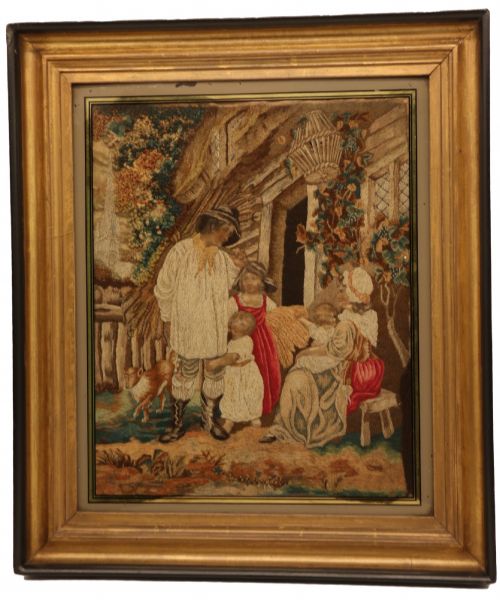
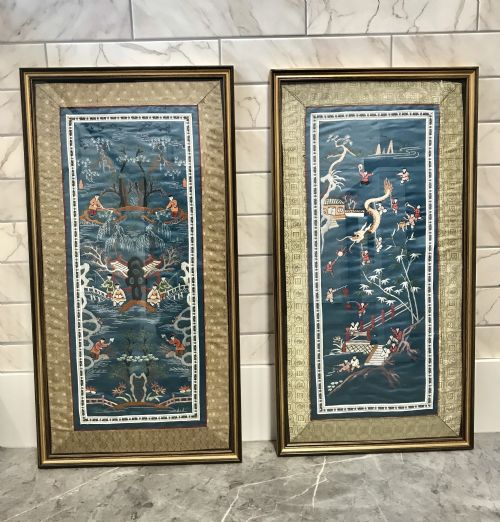
Domestic English pieces from the Georgian period and earlier appear alongside folk art traditions from Greece and Pakistan. Each object serves as a tangible record of historical needlecraft and cultural expression.
How they were made
Maker communities employed natural fibres including silk, cotton, wool, and linen as the primary grounds for their needlework. Silk thread frequently provides the vibrant detailing seen on suzanis and decorative panels.
Techniques varied by region, combining fine stitchwork on woven cotton or silk with heavier wool applique and felt construction in tribal pieces. Artisans also incorporated glass elements and hand-painted sections to enrich the visual texture.
Nomadic horse covers disguised as domestic wall art.
What varies in quality
Quality rests upon the fineness and density of the stitchwork, alongside the integrity of the ground fabric. Superior examples display precise execution in complex patterns, such as early English crewelwork or finely worked Bokhara suzanis.
The choice of materials and the preservation of original dyes dictate the visual impact of a piece. Finer textiles maintain structural stability in their threads and grounds, preserving the balance of the original design.
The Hand Embroidered Textile Glossary
- Suzani
- A large, embroidered tribal wall hanging from Central Asia, typically worked in silk thread on a cotton or silk ground. These textiles often feature elaborate floral or medallion designs created for dowries.
- Crewelwork
- A traditional form of surface embroidery utilising wool yarn on a linen or cotton twill fabric. English examples from the seventeenth century onward showcase intricate scrolling vines and flora.
- Ilgich
- A small Central Asian dowry embroidery used for wall hanging purposes. These pieces are frequently associated with the Lakai Uzbek tribes.
- Tush Kyiz
- A large, elaborately embroidered Kyrgyz yurt wall hanging made to celebrate the marriage of a son or daughter. They often feature symbolic plants and birds rendered in bright felt and silk.
- Torba
- A small hanging bag or trapping produced by nomadic groups in Central Asia. They display distinctive tribal motifs and careful needlework.
Hand Embroidered Textile: Frequently Asked Questions
What is a suzani used for?
Suzanis served primarily as dowry textiles and decorative wall hangings in Central Asian homes. Families used them to adorn living spaces and mark significant life events.
Over time, these large embroidered panels have transitioned into collectible decorative art displayed directly on walls.
How do I care for antique textiles?
Protect delicate needlework from direct sunlight to prevent the fading of natural silk and wool threads. Keep them away from high humidity and excessive heat.
Mount or hang pieces carefully to distribute their weight evenly across the fabric ground without straining old stitches.
What is crewelwork embroidery?
Crewelwork involves stitching with wool yarn onto a sturdy woven foundation fabric like linen or cotton twill. This technique allows for textured, high-relief patterns.
Historical examples often depict scrolling trees, exotic flowers, and mythical creatures in rich monochromatic or polychrome palettes.
Where did Lakai embroidery originate?
Lakai embroidery comes from the Lakai Uzbek nomadic tribes primarily located in regions of Central Asia. Their work stands apart through bold tribal symbols and felt applique.
These pieces frequently took the form of horse covers, saddle rugs, and small dowry items rather than large domestic wall hangings.