

Antique English Porcelain Pair
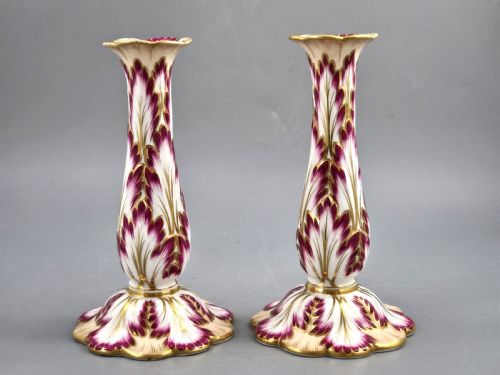
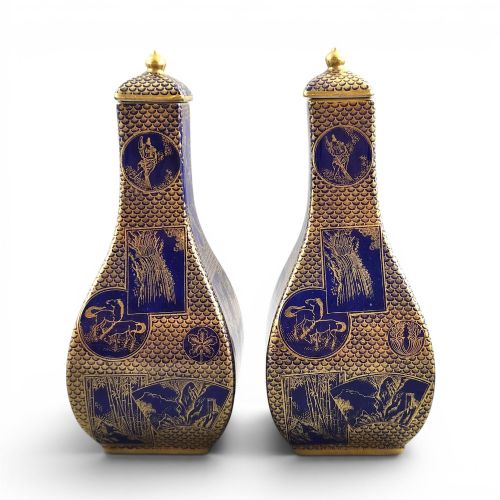
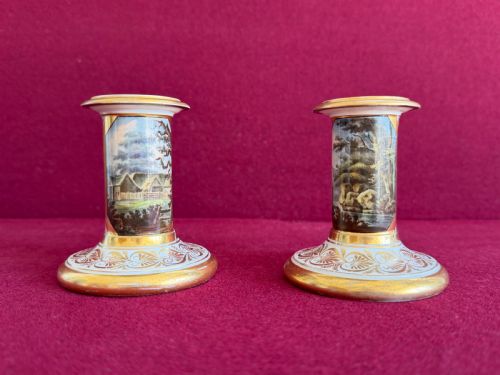
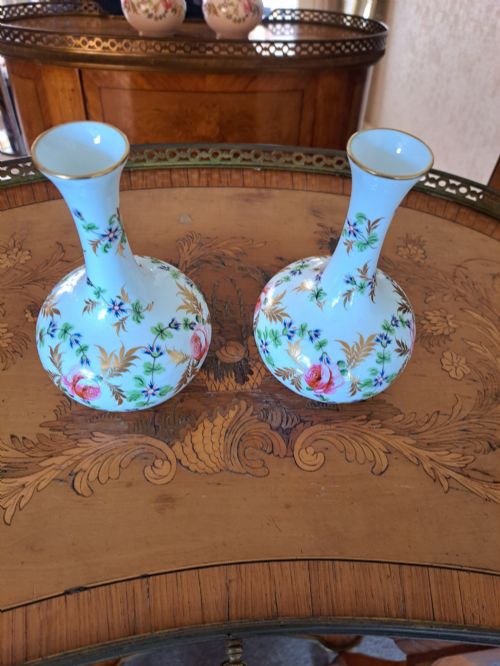
An antique english porcelain pair brings balanced symmetry to a room, offering matched displays of Georgian vases, Victorian figures, and Regency tableware crafted by historic factories.
Antique English Porcelain Pair
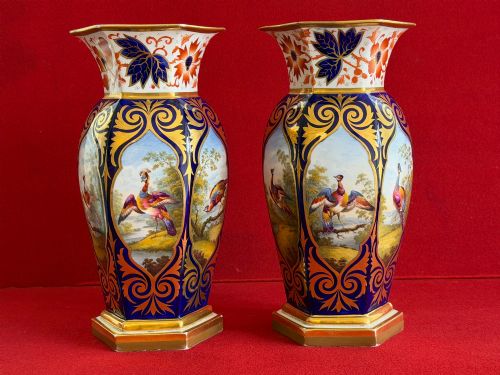
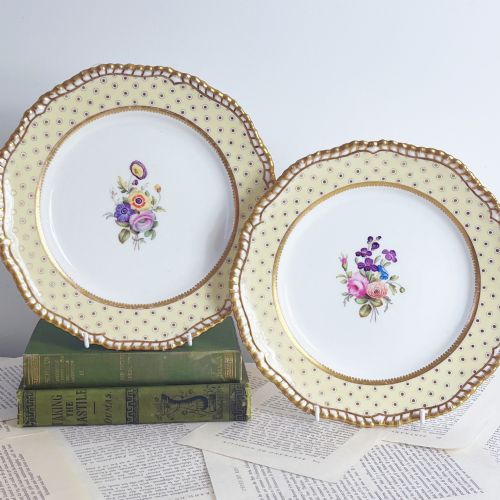
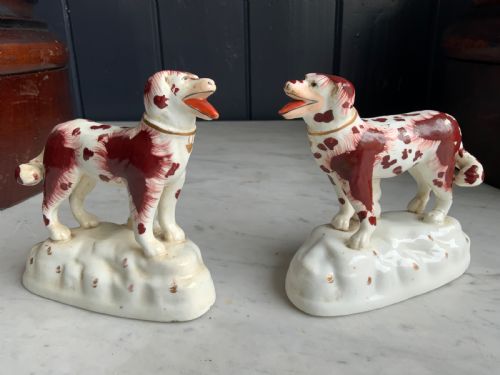
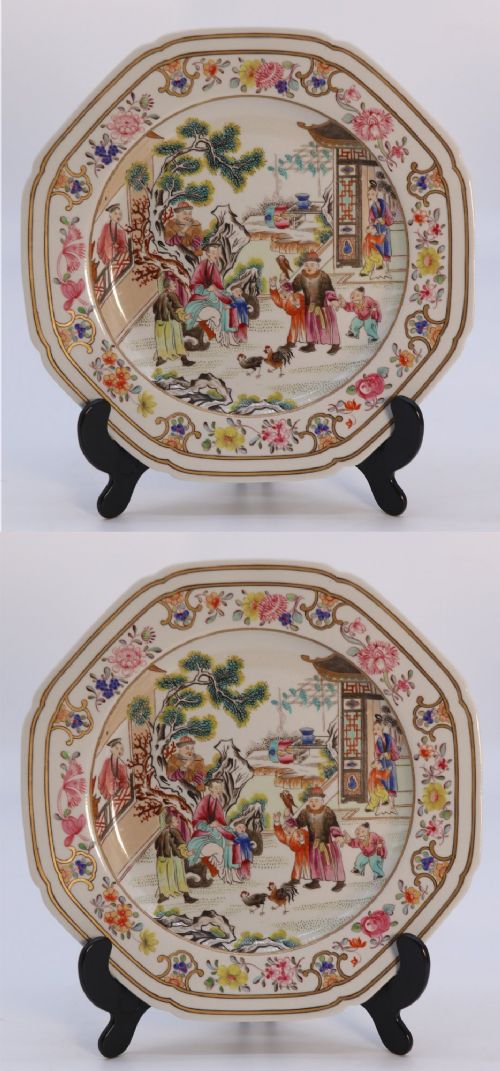
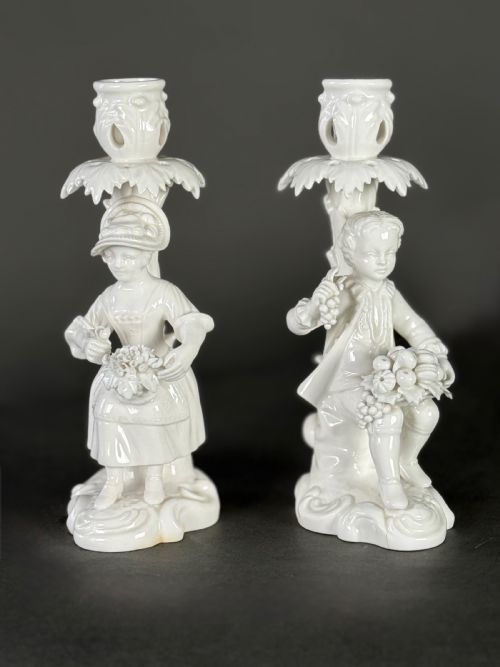
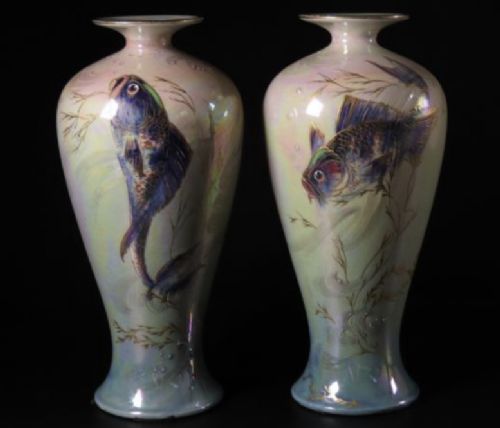
An antique english porcelain pair comprises two matched decorative or utilitarian ceramic objects designed to sit symmetrically on mantelpieces, sideboards, or dining tables. When exploring this selection, buyers encounter everything from 18th Century Worcester chestnut baskets and Bow element figures to 19th Century Spode cabinet plates, Derby animal models, and Staffordshire comforter spaniels.
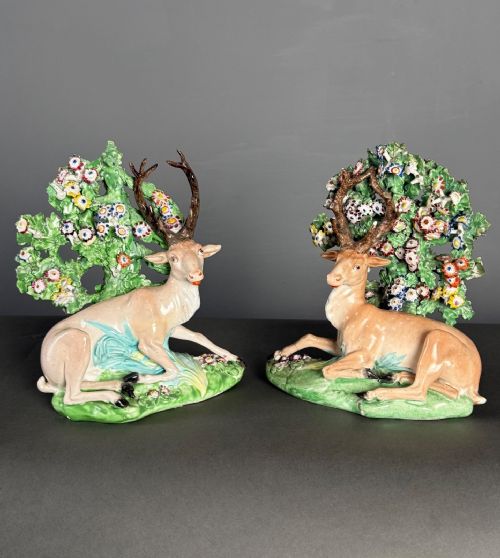
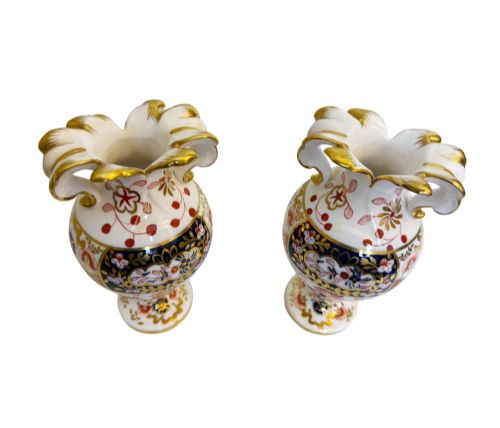
The material spectrum spans delicate hard-paste porcelain and bone china through to robust ironstone and pearlware, decorated with hand-painted landscapes, floral sprays, or transfer-printed views. Forms vary widely between utilitarian vessels like ice pails, sauce tureens, and campana vases, and purely ornamental objects such as candlesticks, recumbent stags, and bocage figures.
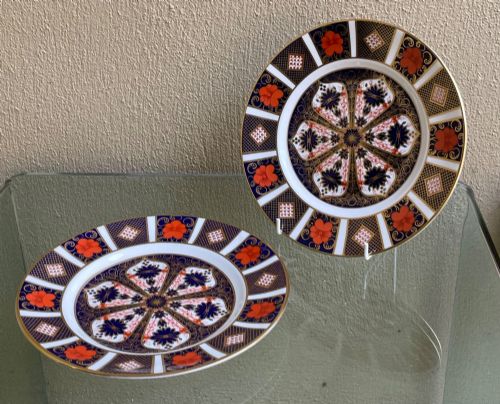
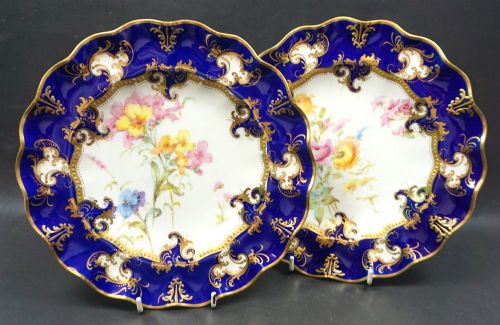
Most entries date from the Georgian, Regency, and Victorian eras, reflecting the peak periods of English ceramic production across factories in Derby, Worcester, Staffordshire, and Stoke-on-Trent. Buyers frequently find matching pairs of dessert plates, twin-handled vases, and mantel dogs that retain their original corresponding forms and companion designs.
Materials and manufacturing methods
Potters shaped these pieces using ceramic bodies composed of porcelain, ironstone, pearlware, and earthenware, often finished with glossy glazes that provided a smooth surface for painted or printed decoration. Factories like Spode introduced felspar porcelain during the early 19th Century, while earlier 18th Century works at Bow and Derby utilised soft-paste formulations and blanc de chine glazes.
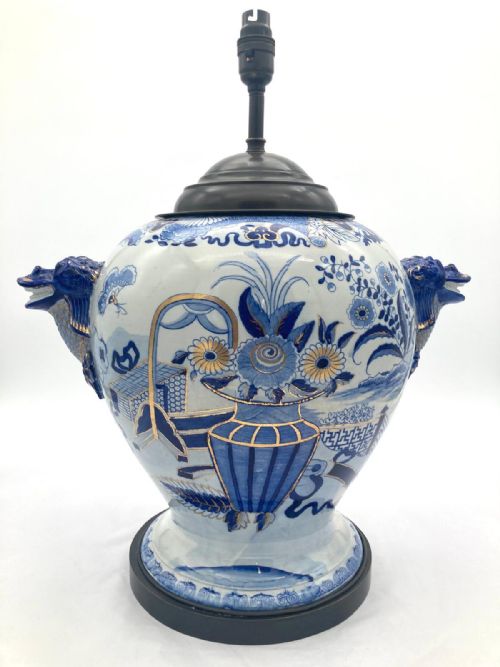
Decoration relied heavily on manual skill, combining hand-applied enamel colours, cobalt blue underglaze painting, and generous applications of gold leaf and gilding to accentuate moulded details. Transfer printing allowed workshops to duplicate intricate landscape views and botanical patterns consistently across both halves of a matched set.
Antique English Porcelain Pair Retail Price Guide 2026
Typical asking prices for english porcelain pair among the pieces listed under this phrase on Sellingantiques today, from the lower quarter to the upper quarter. They describe what is for sale here now, not the wider market.
Listings feature hard-paste porcelain, bone china, ironstone, and pearlware across Georgian, Regency, and Victorian periods.
Factors separating tiers of quality
Superior examples exhibit crisp moulding where fine details like facial expressions, foliage, and relief work remain sharp and unblurred by thick glaze pooling. Master painters at factories such as Chamberlains Worcester or Flight, Barr & Barr executed hand-painted landscapes and botanical studies with precise brushwork and balanced compositions.
The richness and stability of the palette distinguish finer pairs, particularly in the density of gold leaf application, the clarity of cobalt blue underglaze, and the harmonious blending of enamel colours. Inferior or later factory seconds often display uneven glaze application, firing distortions, or crude touch-ups where colours bled during kiln firing.
Completeness and originality dictate the standing of matched sets, especially for figures with delicate applied elements like bocage or slender limbs that frequently sustained historical losses or restorations. Pairs that retain their matching factory pattern numbers, corresponding maker marks, and unaltered companion status command greater appreciation.
Flight, Barr & Barr·Royal Crown Derby·Spode·Derby·Ridgway·Mason's·Barr, Flight & Barr·Crown Derby·Hicks and Meigh·Minton·Chamberlain Worcester·Bloor Derby·Copeland & Garrett·Bow·Dr Wall·Coalport·Royal Worcester
The Antique English Porcelain Pair Glossary
- Campana
- A bell-shaped classical vessel form with a flaring rim and a pedestal foot, frequently utilised for decorative ceramic vases.
- Bocage
- An ornamental background of applied ceramic foliage and leaves, commonly found behind 18th Century figures and animals.
- Ironstone
- A dense, durable ceramic body patented in the 19th Century, bridging the gap between earthenware and true porcelain.
- Pearlware
- A refined earthenware developed in the late 18th Century featuring a pale bluish glaze that pooled in recesses.
- Imari Style
- A decorative scheme inspired by Japanese export wares, utilising deep cobalt blue, iron red, and gilt highlights.
Antique English Porcelain Pair: Frequently Asked Questions
How were antique porcelain figures used?
Historic porcelain figures served primarily as decorative ornaments on mantelpieces, sideboards, and drawing-room tables during the Georgian and Victorian periods. They depicted animals, mythological scenes, and allegorical figures to display refined taste.
While some utilitarian pairs like sauce boats and ice pails served dining functions, sculptural figures and bocage candlesticks remained purely decorative status symbols for wealthy households.
How do I care for antique porcelain pairs?
Display antique porcelain pairs away from direct sunlight to prevent enamel colours and gilding from fading over time. Keep them on stable, level surfaces away from heavy vibrations.
Clean pieces gently with a dry, soft feather duster or a soft-bristled brush. Avoid using water, harsh detergents, or immersion, particularly on pieces with overglaze enamel painting or delicate gold leaf.
How can I tell different factory periods apart?
Distinguishing factory periods relies on examining painted or impressed factory marks on the base, stylistic traits, and the composition of the ceramic body. Early 18th Century pieces often feature soft-paste bodies and hand-painted underglaze blue, while later 19th Century items utilise refined bone china, ironstone, or transfer printing.
Comparing pattern numbers, baseline typography, and known operational dates for makers like Flight, Barr & Barr or Spode helps narrow down the exact decade of manufacture.