
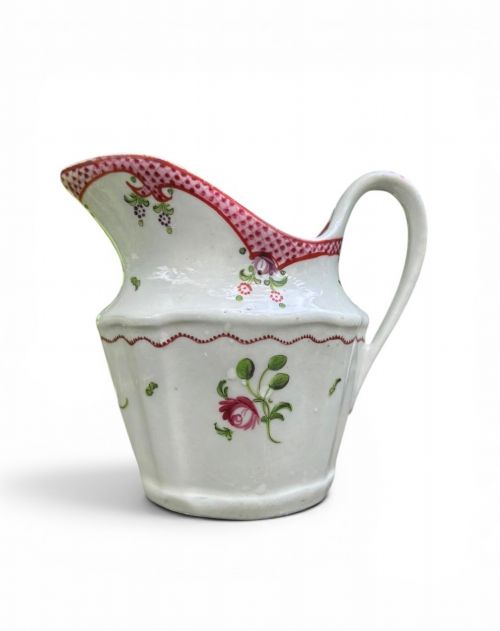


Antique English Porcelain Jug
These antique English porcelain jugs offer delicate craftsmanship and historical charm, bringing cabinet-worthy artistry straight to your table.
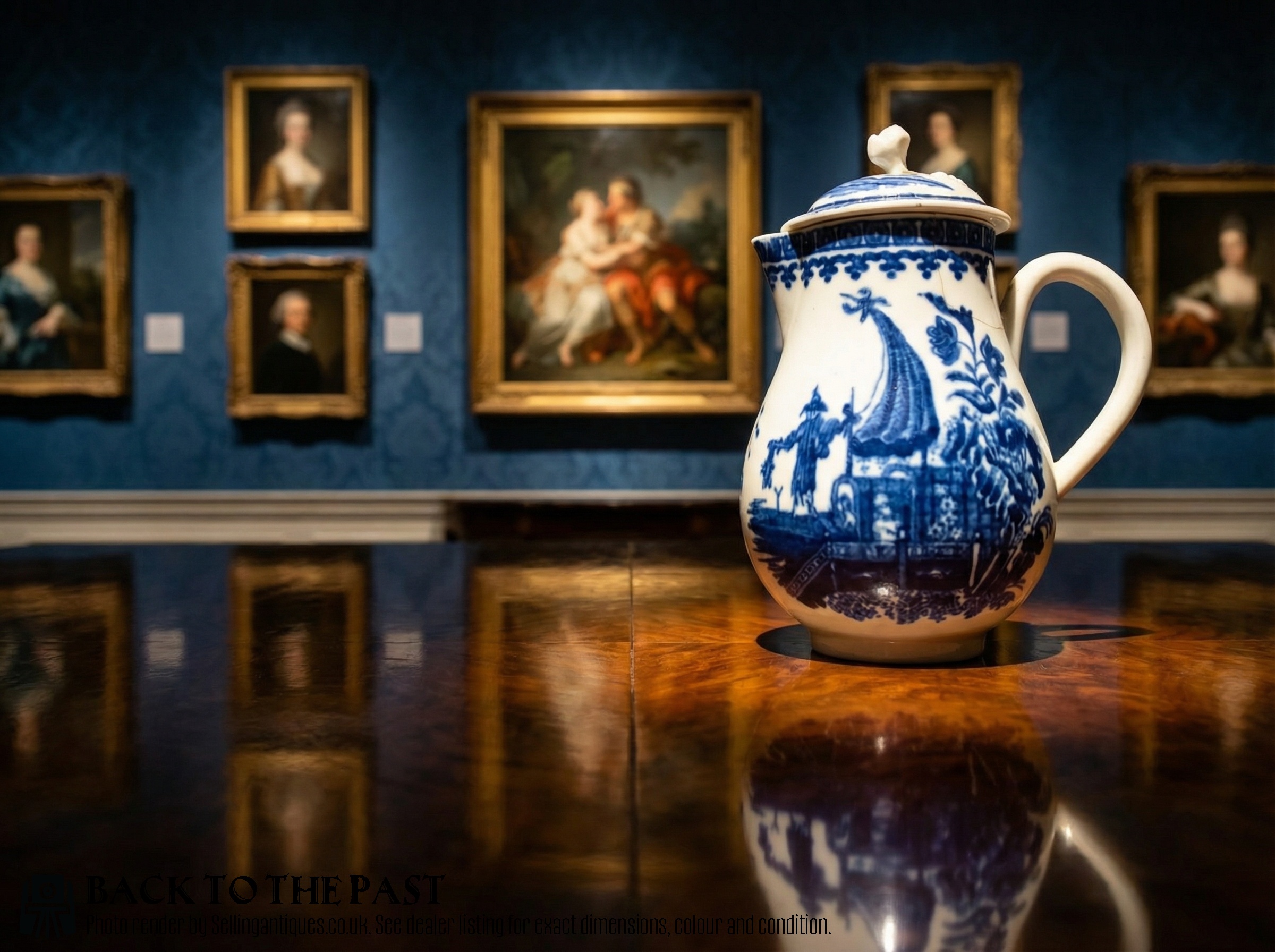
Antique English Porcelain Jug
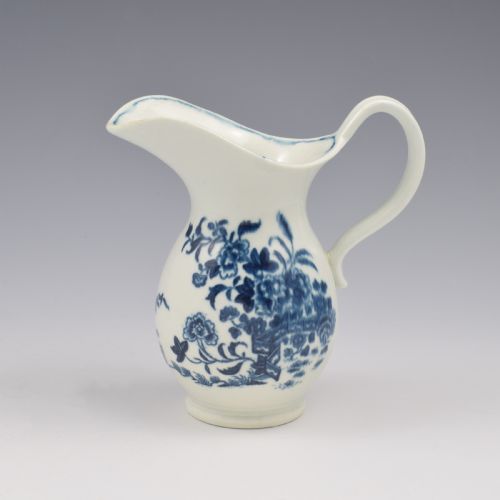
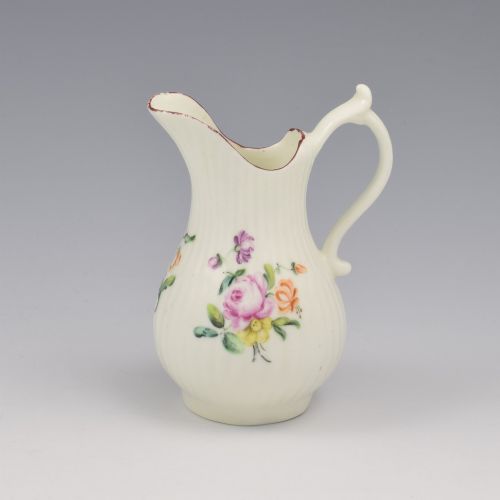
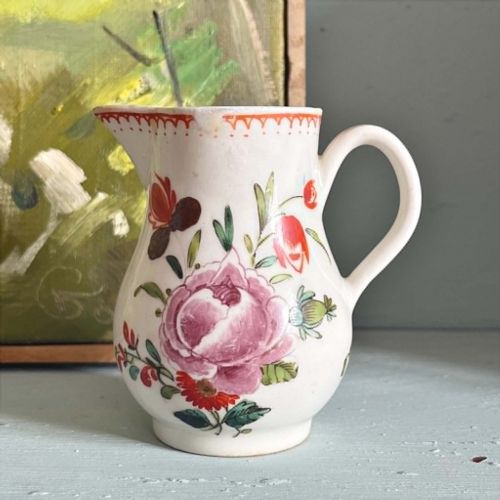
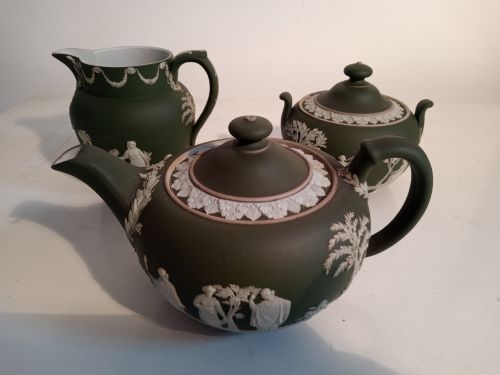
An antique English porcelain jug represents a refined domestic form created across the eighteenth and nineteenth centuries. These pieces encompass delicate cream jugs and cabinet pitchers shaped for daily dining or display.
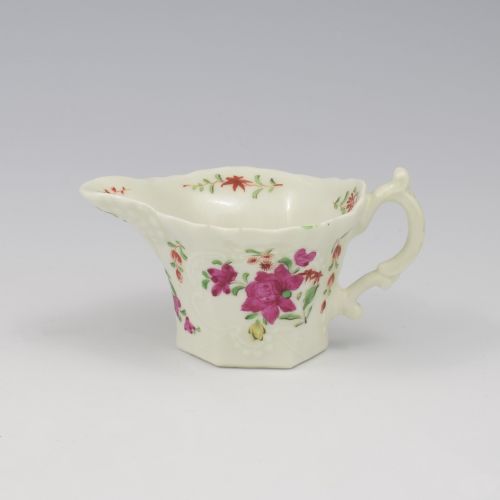
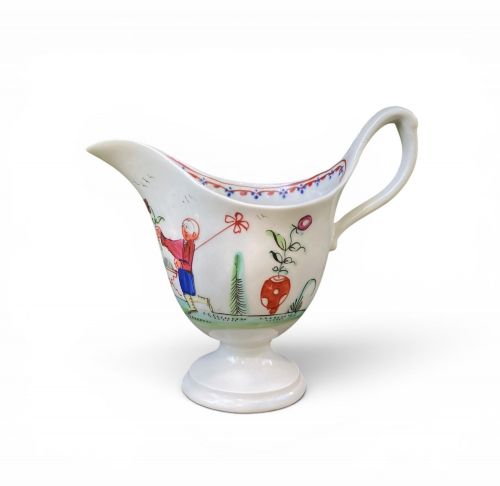
The versions most commonly met on this page span the Georgian and Victorian eras, shifting from early soft-paste bodies to later refined porcelain. They include specialised forms such as sparrow beak jugs and clip handle cream jugs.
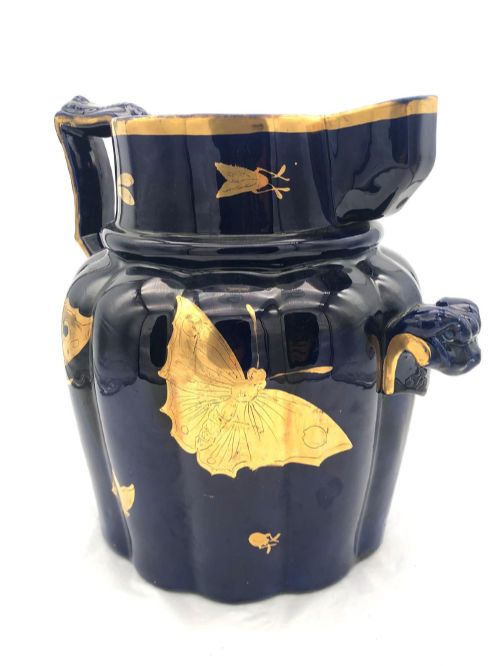
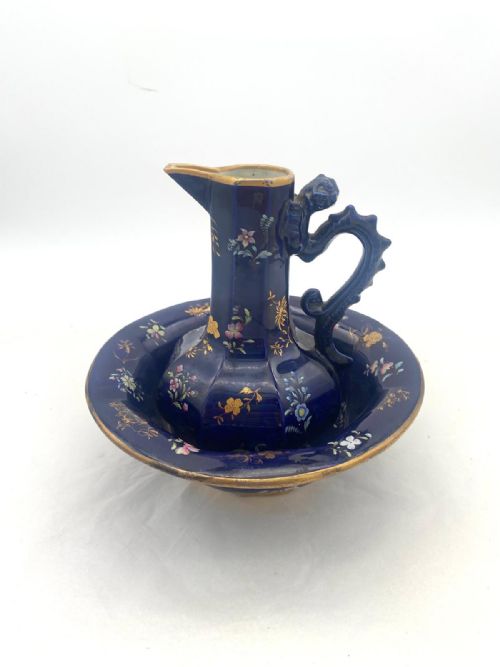
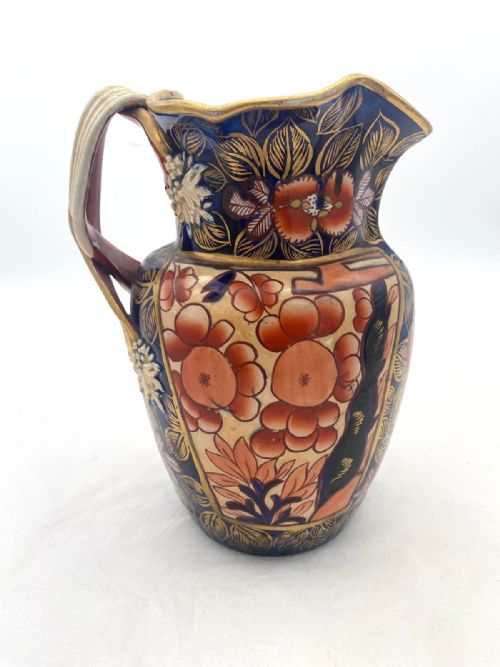
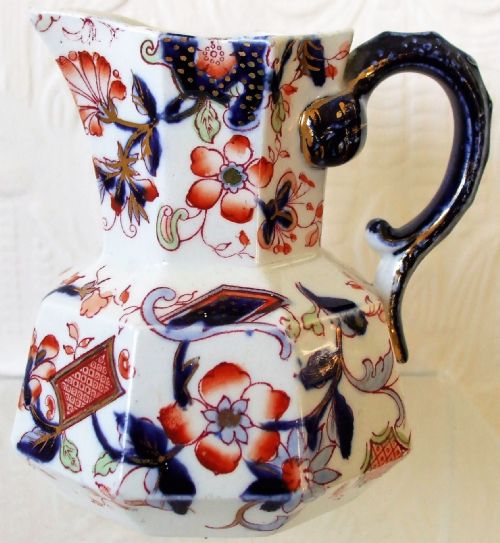
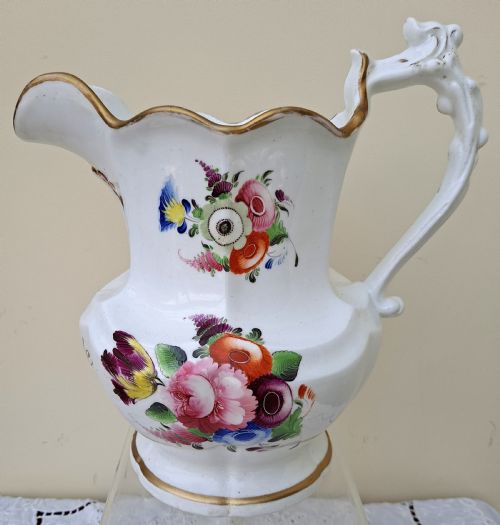
Early examples often display vibrant hand-painted motifs or moulded details like mask spouts and low Chelsea ewers. Later nineteenth-century pieces introduce rich floral panels and generous gilding upon sturdier bodies.
Materials and manufacture
Potters utilised soft-paste porcelain and standard porcelain bodies, shaped by hand or in moulds to create elegant ewers and pitchers. These vessels received smooth glaze coats designed to provide a glossy, protective finish.
Antique English Porcelain Jug Retail Price Guide 2026
Typical asking prices for english porcelain jug among the pieces listed under this phrase on Sellingantiques today, from the lower quarter to the upper quarter. They describe what is for sale here now, not the wider market.
A porcelain parrot pecks eternally at hidden fruit upon one eighteenth-century spout.
Judging quality and execution
Quality rests upon the crispness of the moulding and the delicacy of the hand-painted enamel work. Superior pieces display confident brushwork and precise gilding that has survived generations of handling.
The sophistication of the porcelain body itself dictates the upper tier of the range, distinguishing translucent early soft-paste creations from heavier Victorian wares. Details like modelled mask spouts or intricate floral panels elevate the artistry of the individual vessel.
New Hall·John Rose Coalport·Worcester·Rockingham·Crown Derby
The Antique English Porcelain Jug Glossary
- Soft-paste porcelain
- An early ceramic composition fired at lower temperatures, prized for its warm milky tone and subtle translucency.
- Sparrow beak jug
- A small eighteenth-century cream jug featuring a pinched, beak-like spout designed for precise pouring.
- Clip handle
- A distinctively curved ceramic handle attached closely to the body of Georgian cream jugs.
- Gilding
- The application of gold leaf or powdered gold to highlight rims, handles, and decorative panels.
- Chelsea ewer
- A small pitcher form influenced by early porcelain shapes, often featuring an angled lip and scroll handle.
Antique English Porcelain Jug: Frequently Asked Questions
How do I date an antique porcelain jug?
Dating relies upon examining the paste composition, glaze characteristics, and decorative style visible on the piece. Early eighteenth-century vessels often show soft-paste bodies and hand-painted chinoiserie, whereas Victorian examples display heavier gilding and different potting techniques.
Comparing handle shapes, foot rims, and known factory patterns provides further chronological clues. Examining these physical traits alongside historical styles helps place the jug within the Georgian or Victorian eras.
What is a sparrow beak jug?
A sparrow beak jug is a small eighteenth-century cream jug characterised by its short, sharply pinched spout. This specific form was designed for serving cream at the tea table with precision.
Potteries such as Worcester frequently produced this shape alongside matching tea wares. Collectors prize them for their charming proportions and early manufacturing techniques.
How should I display my porcelain jug?
Display your jug in a stable cabinet or on a secure shelf away from direct sunlight and heavy foot traffic. Ensuring the piece sits on a level surface protects delicate handles and foot rims from accidental knocks.
Good lighting can highlight the translucency of soft-paste porcelain and the detail of hand-painted enamel panels. Keeping the display area dust-free preserves the glaze and gilding over time.