



Antique English Dinnerware
Antique English dinnerware brings centuries of artistry to the table, offering durable ironstone and fine porcelain for daily use or display.
Antique English Dinnerware
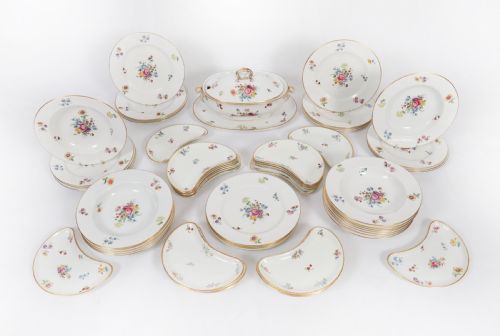
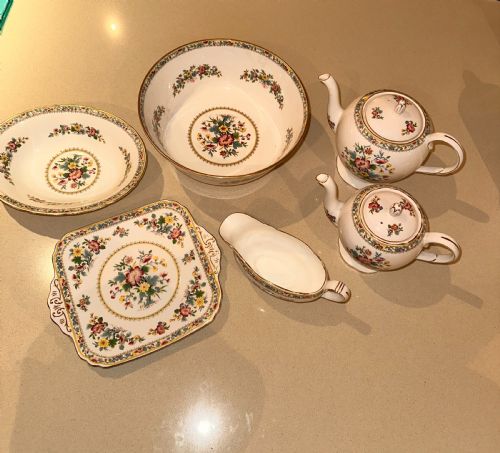
Antique English dinnerware comprises plates, platters, tureens, and complete services created across the eighteenth, nineteenth, and early twentieth centuries. Pieces range from utilitarian ironstone and earthenware to delicate porcelain made for aristocratic dining rooms.
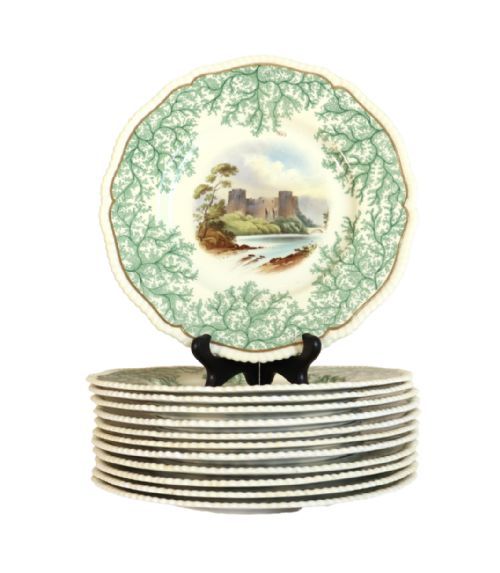
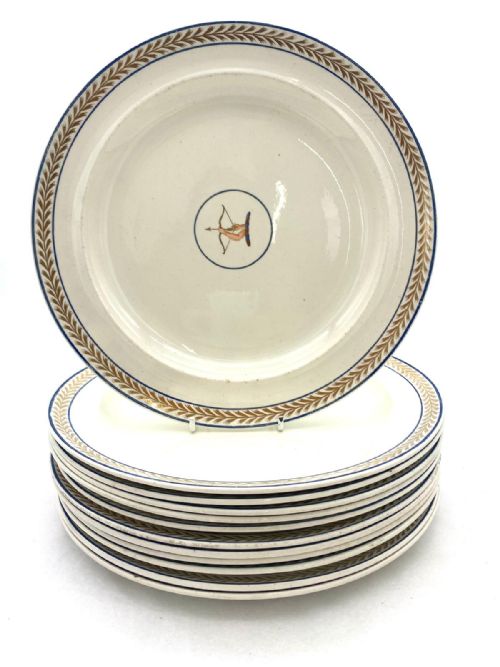
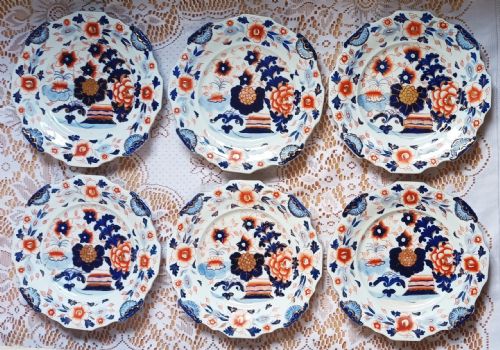
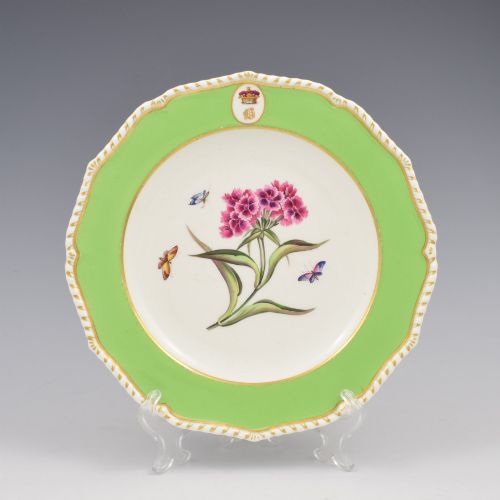
The most common forms on this page are individual plates and large dinner services featuring transfer-printed or hand-painted decoration. Buyers frequently encounter sets from the Georgian, Regency, and Victorian eras, often bearing distinct floral, landscape, or armorial motifs.
These items originate from renowned English factories and potteries operating during periods of immense skill and stylistic development. They reflect changing domestic habits, moving from simple earthenware for hearty meals to elaborate porcelain services for formal display.
Materials and production methods
Potters utilised durable earthenware, ironstone, and refined porcelain bodies shaped by hand or moulded to form plates, bowls, and tureens. Glazes were then applied to seal the ceramic body, providing a smooth surface for subsequent decoration.
Decoration relied on underglaze blue and white transfer printing, hand-painting, and gilding with gold leaf. Artisans also employed specialised techniques such as pate-sur-pate, building up layers of slip to create low-relief white designs on a coloured ground.
Several plates record meals served to the Nawab of the Carnatic, proving that even a dinner table can hold an empire's history.
Assessing quality in historical ceramics
Quality rests in the crispness of the transfer print, the precision of hand-painted details, and the refinement of the ceramic body. Finer services display expert control during kiln firing, resulting in even glazes and minimal distortion.
The presence of hand-applied enamel work, gold leaf accents, and bespoke armorial crests distinguishes superior cabinet pieces from standard utility wares. Maker attribution and documented provenance further elevate the standing of a service or plate.
Spode·Wedgwood·Coalport·Bloor Derby·Booths·Masons·Mintons·Royal Worcester·Flight Barr and Barr·Chamberlains
The Antique English Dinnerware Glossary
- Creamware
- A light-coloured refined earthenware developed in the eighteenth century, celebrated for its warm pale yellow tone and smooth lead glaze.
- Ironstone
- A dense, durable type of earthenware patented in the nineteenth century to rival imported Chinese porcelain in strength.
- Transfer printing
- A method of applying intricate designs to ceramics by pressing paper transfers inked from engraved copper plates onto the biscuit or glazed surface.
- Armorial
- A term for ceramics decorated with a family crest, coat of arms, or heraldic insignia, typically commissioned by landed gentry.
- Pate-sur-pate
- A labour-intensive porcelain decoration technique where liquid clay is painted layer upon layer to form a translucent cameo relief.
Antique English Dinnerware: Frequently Asked Questions
Can I use antique dinnerware every day?
Many sturdy ironstone and earthenware pieces were built for robust daily use and continue to serve meals reliably today. Fine porcelain and gilt-edged cabinet plates require gentle hand-washing to preserve their delicate enamels and gold leaf.
Assessing the glaze condition helps determine suitability for modern dining. Items with extensive surface crazing are best reserved for display or light service.
How do I date an English ceramic mark?
Potters frequently changed their factory names and stamps as partnerships dissolved or royal warrants were granted. Comparing the printed or impressed mark against standard reference guides provides a reliable production window.
Stylistic cues such as border patterns and glaze tones also help narrow down the decade of manufacture. Unmarked pieces are usually attributed by analysing the clay body, form, and painting style.
What is the difference between earthenware and porcelain?
Earthenware is a porous, opaque ceramic fired at lower temperatures, commonly found in robust creamware and ironstone dinner services. Porcelain is a vitrified, denser material fired at high heat, often appearing translucent when held to the light.
Porcelain served wealthy households for formal dining and decorative cabinet display. Earthenware provided durable, practical service for hearty family meals.
How should I clean and store old plates?
Wash antique plates by hand using mild detergent and lukewarm water, avoiding abrasive scouring pads or dishwashers. Dry them thoroughly with a soft cloth to protect the underlying ceramic and any surface decoration.
Store plates vertically in padded racks or stack them with felt separators to prevent chipping the rims. Keep them away from direct sunlight and areas subject to rapid temperature shifts.