
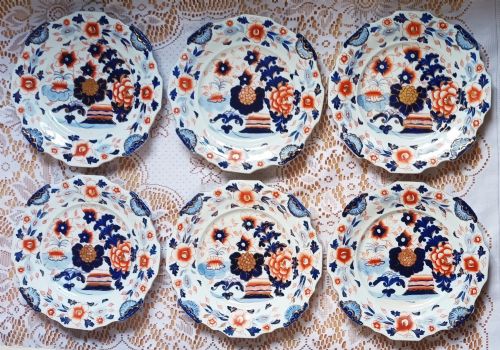


Antique English Dinner Plates
These antique English dinner plates bring centuries of craftsmanship and service to the table, offering both historical depth and practical elegance for daily use or display.
Antique English Dinner Plates
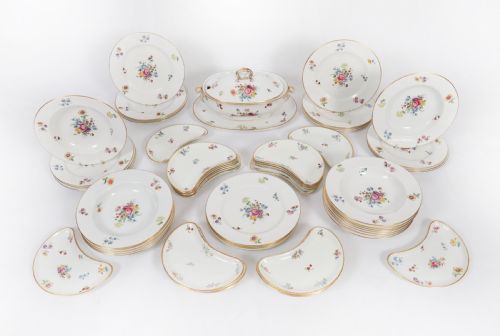
When you search for antique English dinner plates, you encounter a diverse range of forms spanning from the eighteenth century through to the mid-twentieth century. The pieces recorded here cover periods such as Georgian, Victorian, and Edwardian, alongside specific production years from the 1780s onwards. Most commonly, you meet earthenware, creamware, porcelain, and pewter items shaped as dinner plates, cabinet plates, or parts of larger dinner services.
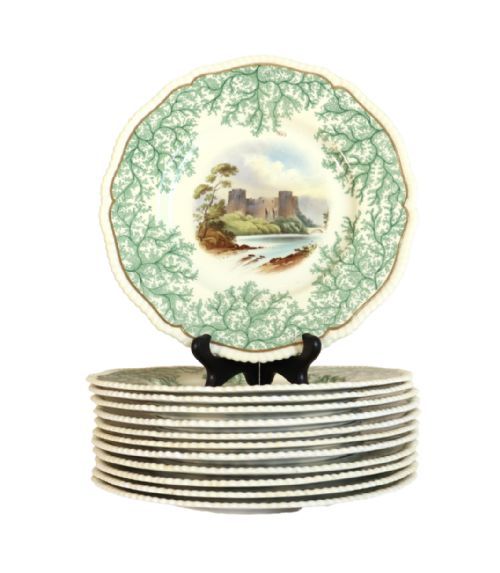
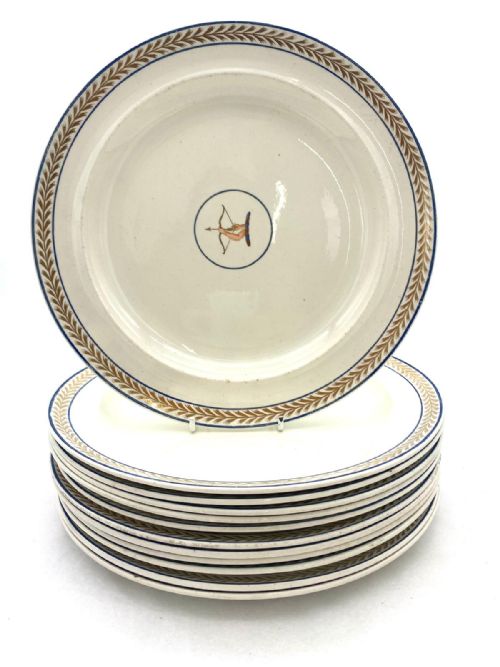
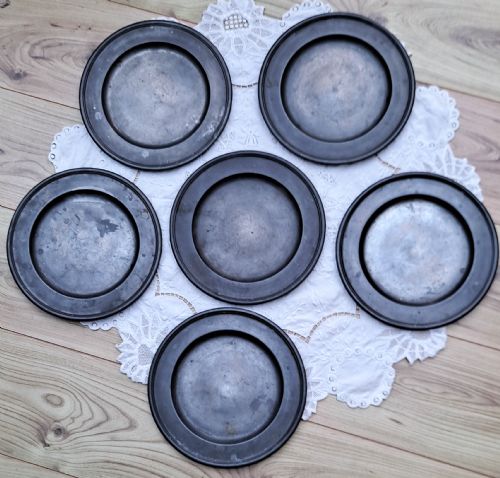
Makers and patterns vary widely across the selection, ranging from Wedgwood armorial creamware and Spode transferware to pewter plates by makers like William Wright and T & H Compton. Styles encompass Georgian Neoclassical, Regency Chinoiserie, and English Traditional, showing how dining habits evolved in British households. Whether you find sets of matching plates or individual decorative pieces, each item reflects the domestic tableware of its respective era.
Materials and Techniques
Potters utilised earthenware, creamware, and porcelain as the primary ceramic bodies, shaping them on wheels or pressing them into moulds. Ironstone china also appears, offering a heavier and more durable alternative for domestic services.
Decoration relied on hand-painted details, transfer printing in blue and white, and applied enamels, sometimes finished with gold leaf highlights. Pewter plates were cast from metal alloys and hammered or turned to achieve the desired thickness and rim profile.
Some nineteenth-century plates feature Windsor Castle views, letting you dine with royal scenery beneath your roast potatoes.
Assessing Quality
Quality in these ceramics rests on the crispness of the transfer print, the delicacy of hand-painted brushwork, and the evenness of the glaze. Earlier creamware and porcelain show refinement in body thickness and the control achieved during kiln firing.
For metal items, the purity of the alloy and the clarity of maker marks stamped into the pewter dictate the standard. Complete sets matching in pattern and tone command greater cohesion than assembled groups.
Spode·Wedgwood·William Wright·Booths·T & H Compton·Coalport·Royal Worcester·Masons Ironstone·Copeland Spode
The Antique English Dinner Plates Glossary
- Creamware
- A refined earthenware with a pale yellowish straw-coloured lead glaze developed in Yorkshire and Staffordshire during the eighteenth century. It replaced heavier salt-glazed stonewares on many dining tables.
- Ironstone China
- A patented ceramic body introduced in the nineteenth century that combined durability with the ability to take rich enamel colours and transfer prints. It mimics porcelain while offering greater resistance to daily wear.
- Transfer Printing
- A technique where an engraved copper plate transfers a design onto tissue paper, which is then pressed onto the ceramic biscuit before glazing and firing. This allowed complex scenes like the Spode Italian pattern to be produced consistently.
- Armorial
- A term describing ceramics decorated with a family crest, coat of arms, or heraldic badge. These were typically commissioned by landed families for their private dining services.
- Pewter
- A malleable metal alloy consisting primarily of tin mixed with copper, lead, or antimony. It was widely used for plates and chargers before ceramic dinner services became dominant.
Antique English Dinner Plates: Frequently Asked Questions
Can I use antique dinner plates for eating?
Many people choose to use antique plates for special meals, provided the glaze is stable and free from heavy wear.
Earthenware and ironstone from the nineteenth century are generally robust, though older soft-paste porcelain and pewter are better reserved for display or light service.
How do I clean antique ceramic plates?
Wash them gently by hand using warm water and a mild detergent, avoiding abrasive sponges or modern dishwashers.
Sudden temperature changes can crack old glazes, so let them dry naturally on a soft towel.
How do I date an English plate?
Examine the base for maker marks, registration diamonds, or impressed letters that correspond to historical factory records.
The style of the rim, the composition of the ceramic body, and the painting technique also provide strong clues to the period of manufacture.
What is the difference between creamware and porcelain?
Creamware is a refined earthenware with a warm, yellowish glaze that offers a sturdy structure suited to everyday historical dining.
Porcelain is a vitrified, denser material that is often translucent when held to the light and rings clearly when tapped.