
Antique English Console Table
When you search for an antique English console table, you enter a world of heavy oak, polished mahogany, and painted pine built to stand against a wall.
Antique English Console Table
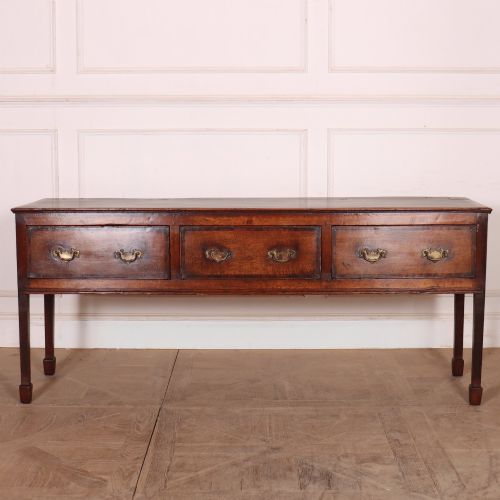
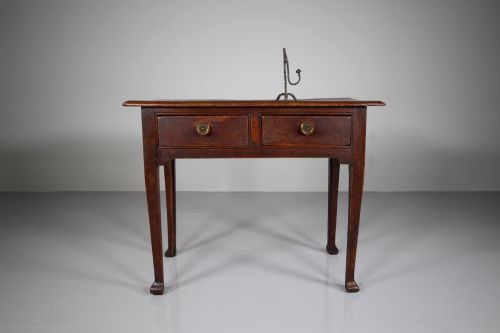
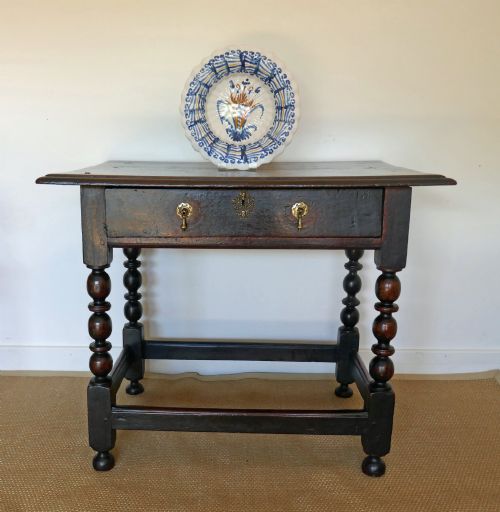
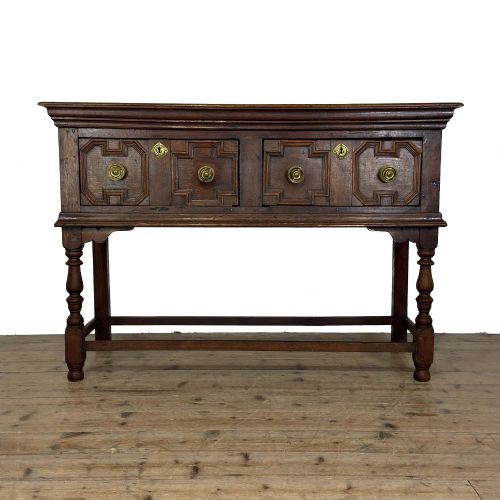
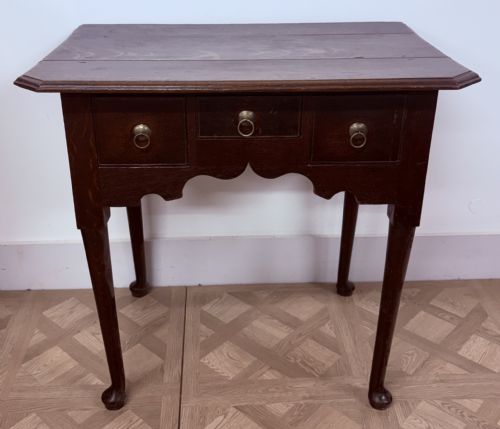
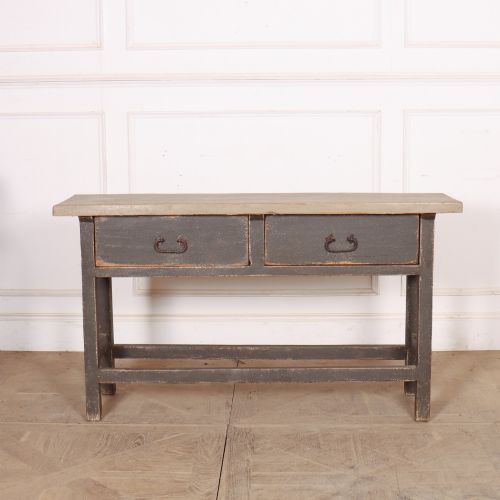
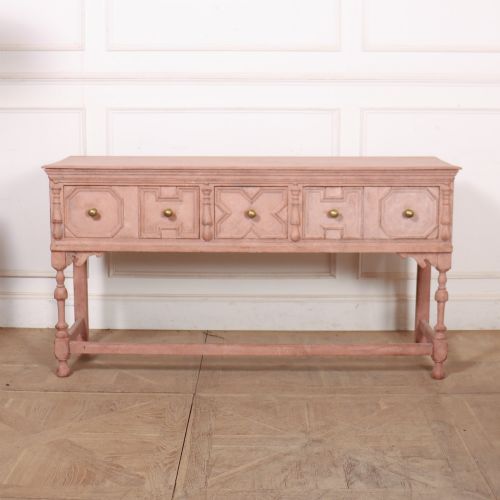
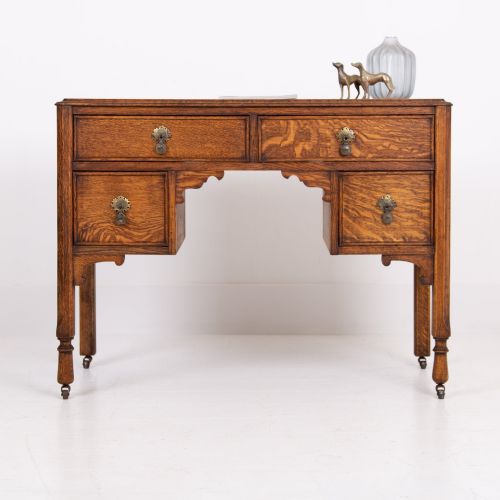
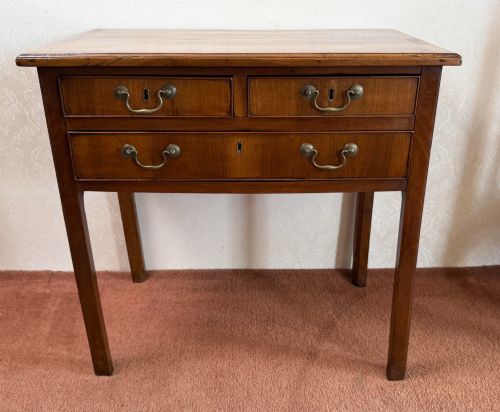
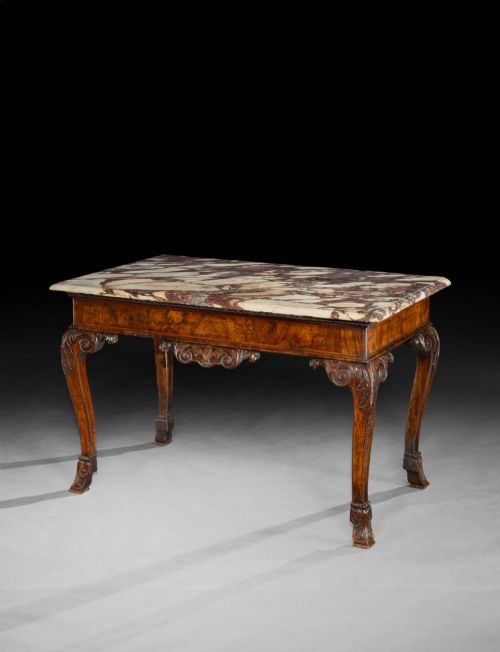
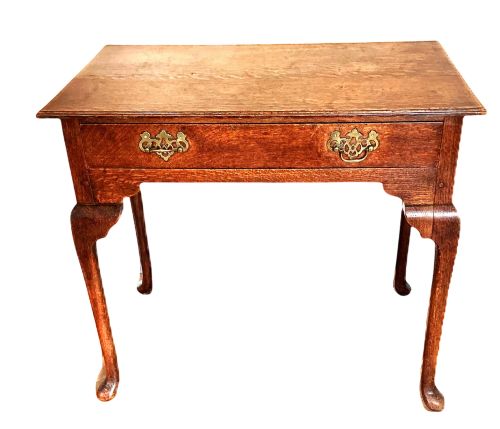
An antique English console table sits flat against a wall, serving as a surface for lamps, serving dishes, or books in a hallway or drawing room. You will encounter forms ranging from rustic 17th-century oak dresser bases and lowboys to formal Georgian and Regency mahogany side tables.
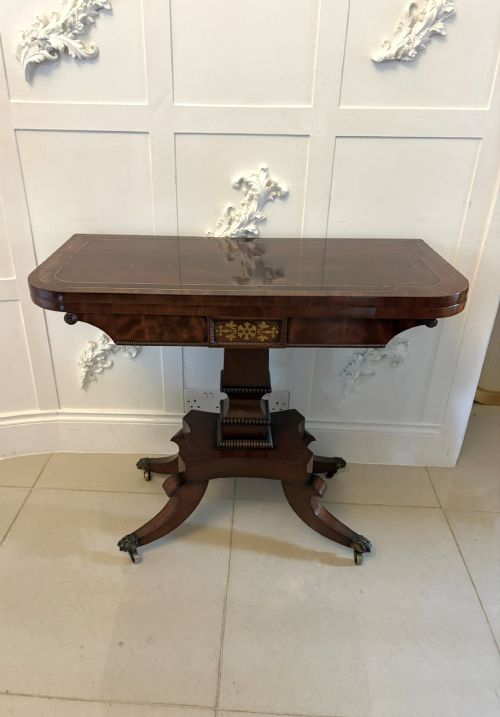
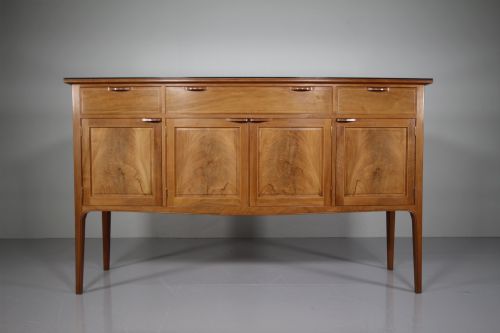
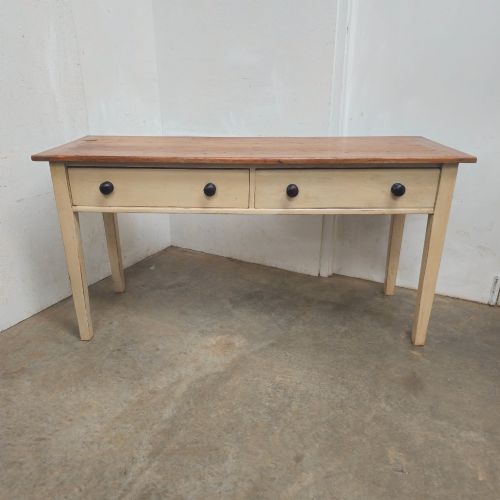
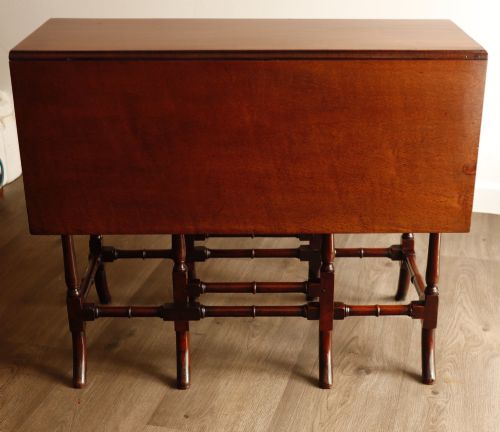
Makers historically shaped these items from native and imported timbers like elm, fruitwood, rosewood, and walnut, adapting them into card tables, serving tables, and drop-leaf formats. The selection spans centuries of domestic life, moving from the dark tones of early Jacobean pieces through the lightness of the Georgian era to Victorian painted finishes.
How they were made
Cabinetmakers utilised solid timbers like oak, mahogany, and pine, often pairing them with veneers of walnut and rosewood on principal surfaces. Joinery relied on traditional methods such as mortise and tenon frames, hand-cut dovetails for drawer construction, and pegged joints on earlier examples.
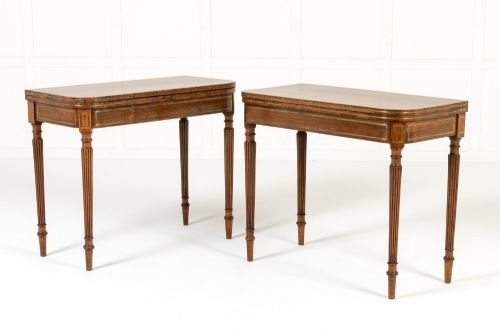
Decoration required precise handcrafting, incorporating brass inlay, intricate carvings, painted faux-marble finishes, and turned legs. Timbers were selected for grain pattern and colour, then finished with wax or polish to protect the wood while revealing its natural figure.
The inventory records functional forms including side tables, lowboys, card tables, serving tables, and potboard dresser bases.
What varies in quality
The distinction between tiers rests upon the selection of materials and the ambition of the design. Dense, highly figured timbers and subtle brass inlay elevate a piece far above utilitarian pine or basic oak variants.
Execution of detail marks the upper standard, where hand-carved mouldings, precise dovetailing, and original hardware remain intact. Lesser examples show simpler construction methods, coarser timber selection, or later alterations to legs and tops.
Hubert Simpson of Kendal·Gillow and Co·Gillows·Epstein
The Antique English Console Table Glossary
- Lowboy
- A small table with one or more drawers, typically standing on four legs and functioning as a dressing or side table.
- Dresser base
- A heavy, low wooden table featuring drawers along the front, originally utilised for food preparation and storage.
- Card table
- A folding table designed for gaming, featuring a hinged top that opens to reveal a baize-lined surface.
- Potboard
- An open lower shelf on a dresser or serving table, traditionally used to store pots and heavy tableware.
- Demi-lune
- A half-moon shape common in the design of side and console tables intended to sit flush against a wall.
Antique English Console Table: Frequently Asked Questions
Where did people put console tables?
These tables stood against hallway walls, in dining rooms for serving food, or in drawing rooms to hold decorative objects and lamps. Their shallow depth allowed them to occupy narrow circulation spaces without blocking passage through the house.
In period interiors, they anchored mirrors hung above them, creating a balanced focal point upon entering a room or within formal reception spaces.
How do I spot a Georgian console table?
Georgian examples frequently feature mahogany or oak construction, straight or cabriole legs, and understated classical mouldings. Proportions tend to be elegant, with careful attention paid to drawer alignment and timber grain.
Later Victorian interpretations often display heavier proportions, darker finishes, or revival styles that borrow from earlier centuries while employing mid-19th-century construction techniques.
Can I use an antique side table daily?
Solid construction in hardwoods like oak and mahogany ensures these pieces handle everyday use as desks, lamp tables, or hallway drop-spots. Regular waxing maintains the finish and protects the wood from daily wear.
Care should be taken with veneered surfaces or painted pine finishes, keeping them away from direct heat and moisture to preserve their historic integrity.