





Regency Mahogany Serving Table
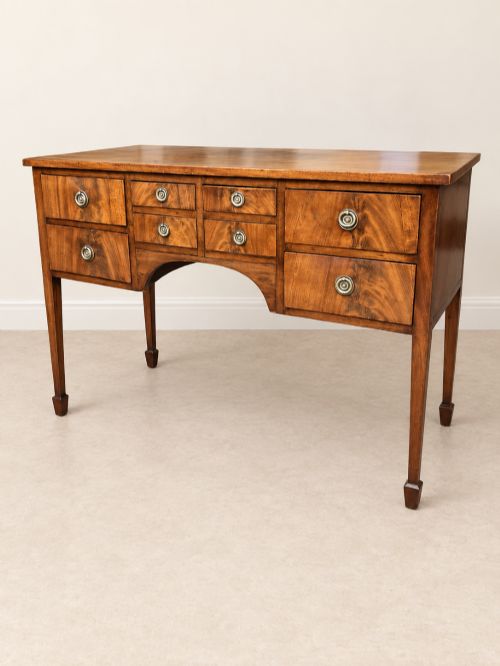
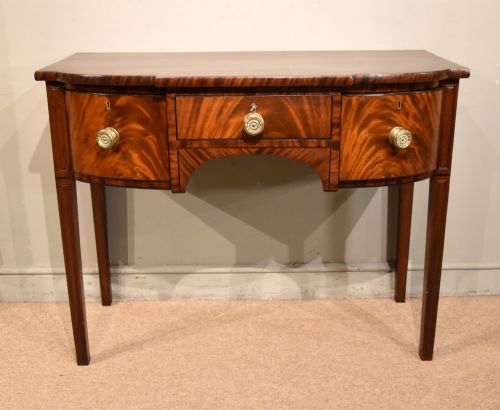
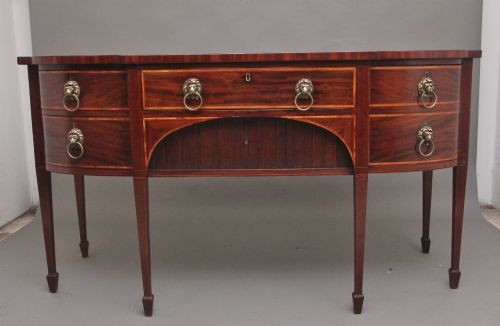
When you need a regency mahogany serving table, you are looking at formal dining furniture designed to hold silver and wine during grand meals.
Regency Mahogany Serving Table
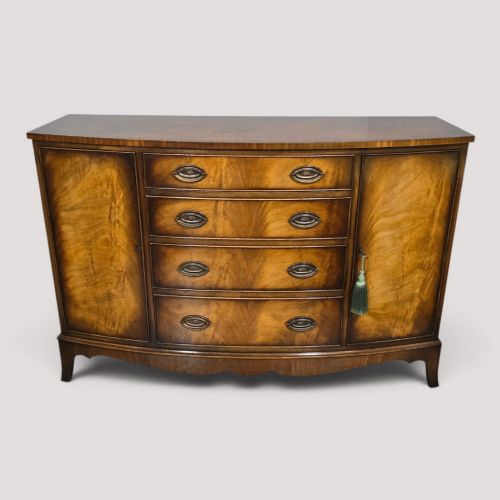
A regency mahogany serving table forms part of the large dining room suite, sitting against the wall to support dishes or drinks during formal occasions.
The pieces on this page span the 19th Century, Georgian, and William IV periods, alongside later revival interpretations, representing the core forms of dining furniture.
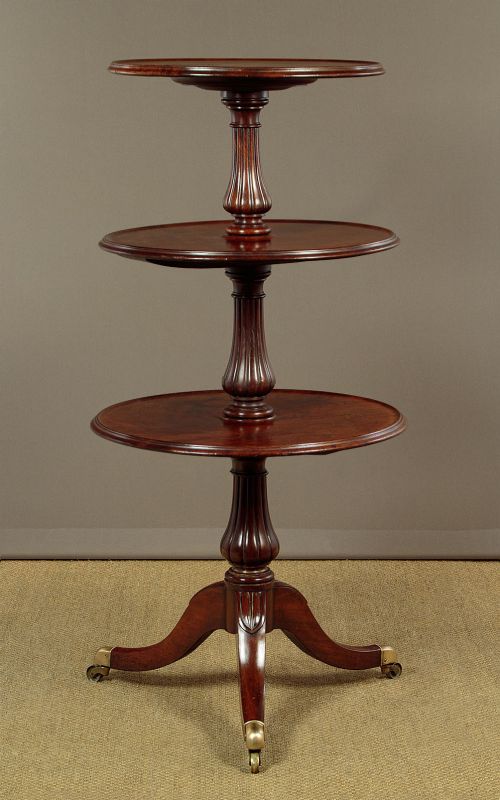
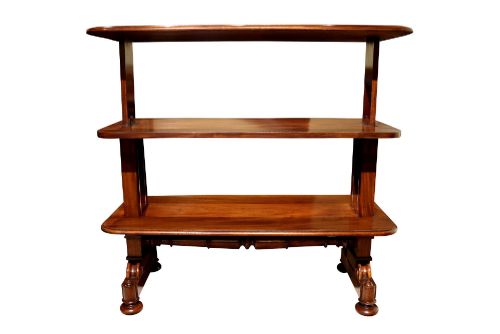
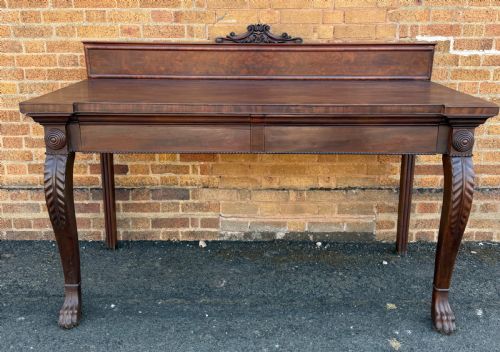
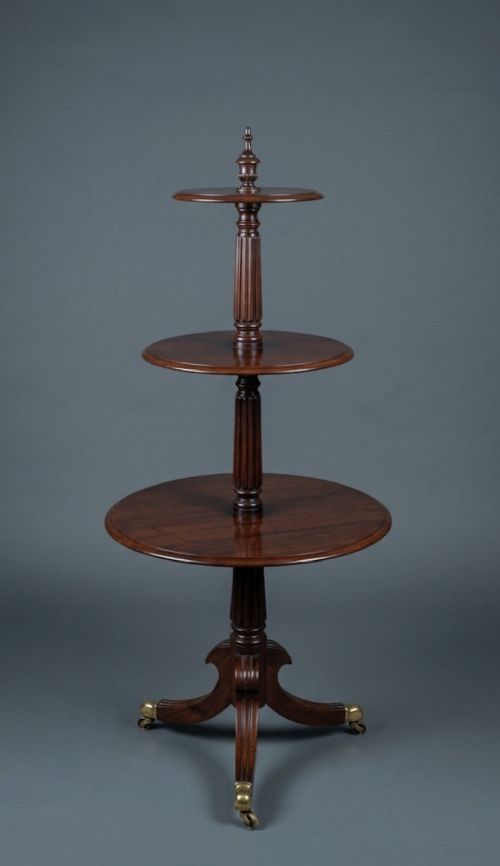
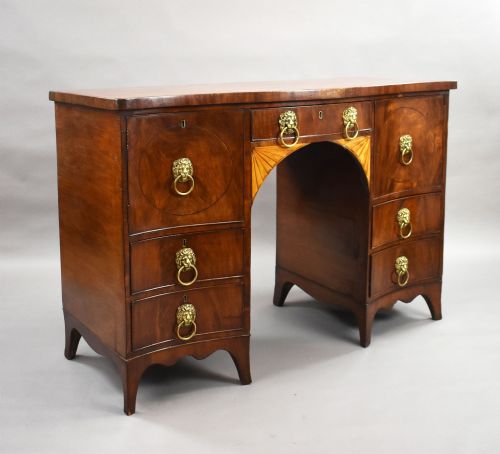
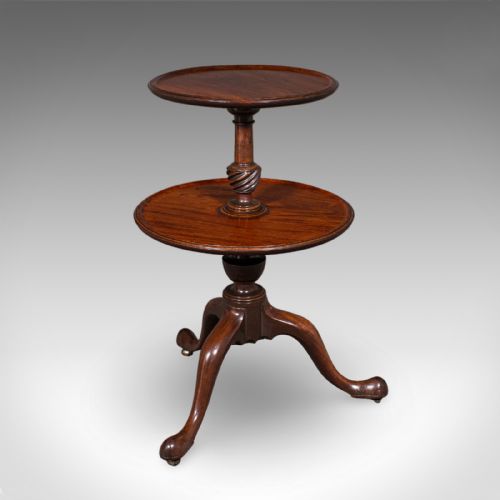
Makers often drew inspiration from classical designs, producing sideboards, console tables, and tiered dumb waiters that share the linear emphasis of the era.
How they were made
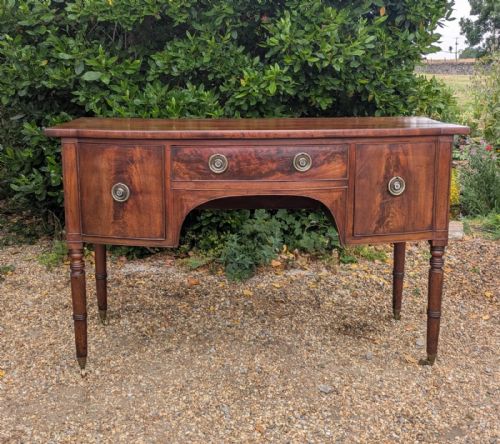
Cabinet makers built these items primarily from solid timber and selected veneers, frequently utilising flame mahogany for visual depth on drawer fronts and top surfaces.
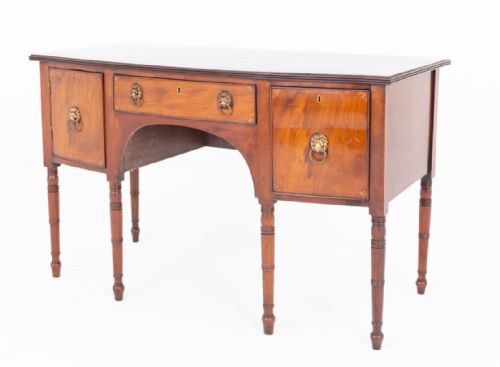
Detailing often incorporated contrasting inlays of boxwood and ebony stringing, alongside cast brass mounts and handles that reflect the metalwork techniques of the period.
Regency Mahogany Serving Table Retail Price Guide 2026
Typical asking prices for regency mahogany serving table among the pieces listed under this phrase on Sellingantiques today, from the lower quarter to the upper quarter. They describe what is for sale here now, not the wider market.
Listings feature mahogany, brass, boxwood, and ebony across pieces dated from the Georgian and Regency eras up to the 1930s.
What varies in quality
The grade of timber selected for the carcase and secondary woods dictates much of the inherent quality, with dense, figured grain commanding attention.
Proportion and the restraint or ambition of the carving determine the standing of an individual piece within its period, alongside the crispness of brass inlays.
Robert Strahan & Co·Mack Williams And Gibton·George Smith·George Oakley·Wilkinson London
The Regency Mahogany Serving Table Glossary
- Flame mahogany
- A veneer cut from the fork of the mahogany tree where the branch joins the trunk, creating a distinctive flamelike pattern.
- Ebony stringing
- A narrow line of dark wood inlaid into the surface of the furniture to create a contrasting border.
- Dumb waiter
- A tiered stand used in dining rooms for holding dishes and bottles without requiring a servant present.
- Breakfront
- A piece of furniture where the central section projects forward from the flanking sections.
- Reeded legs
- Cylindrical furniture legs carved with parallel convex grooves running vertically down the length.
Regency Mahogany Serving Table: Frequently Asked Questions
What is a regency mahogany serving table used for?
These tables served as auxiliary surfaces in the dining room during large meals, holding heavy dishes, silver platters, and decanters. They provided functional support when the main dining table lacked space.
Today, they function well in dining rooms or entrance halls as console surfaces, holding lamps, books, or decorative objects while retaining their original architectural presence.
How do I tell a serving table from a sideboard?
Serving tables generally present a more open architectural frame underneath, often featuring multiple legs and occasional drawers without the heavy enclosed lower cupboards typical of many sideboards. Their primary function was surface utility rather than bulk storage.
Many examples share similar proportions and stylistic vocabulary, leading makers and dealers to use the terms interchangeably in historical and modern inventories.
Are Irish serving tables different from English ones?
Irish serving tables from this period frequently display bolder carving, heavier scale, and more assertive decorative motifs than their English counterparts. They often incorporate regional timber selections and distinct proportions.
These characteristics make Irish examples particularly recognizable to collectors studying provincial variations within the broader Regency style.
How do I care for a mahogany surface?
Mahogany responds well to regular dusting with a soft, dry cloth and occasional applications of traditional wax to nourish the grain and preserve the finish. Avoiding direct sunlight and extreme humidity prevents the timber and veneer from splitting.
Careful handling ensures the antique polish and patina continue to develop character over decades of domestic use.