

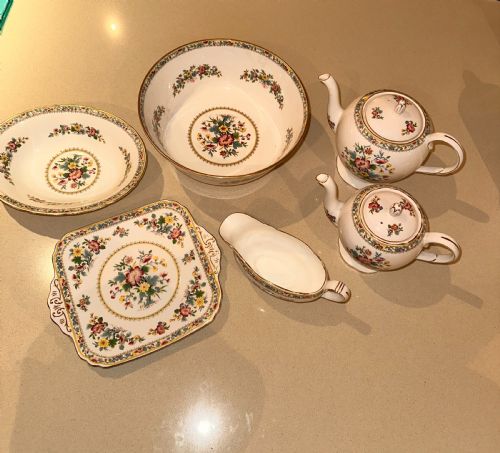


Antique English China Bowl
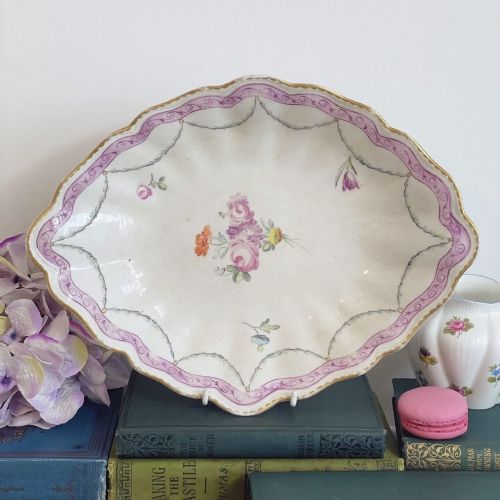
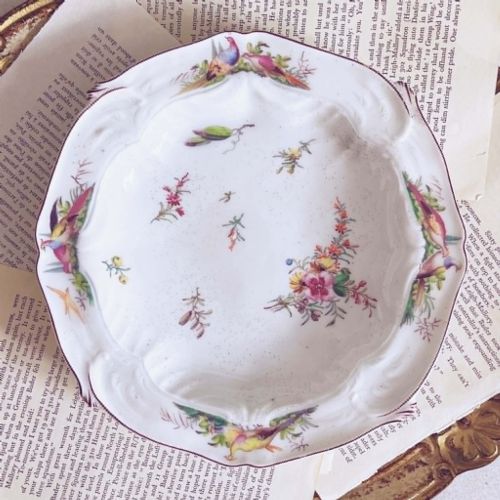
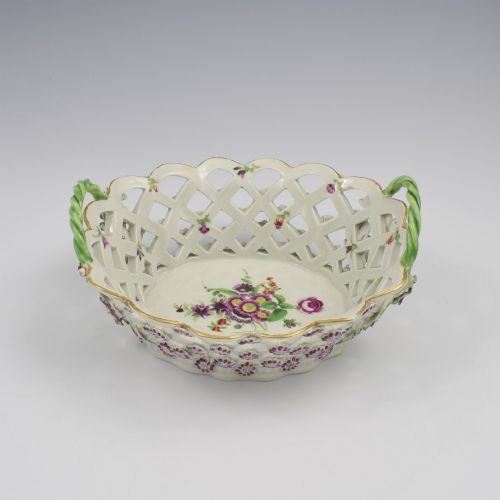
An antique english china bowl brings eighteenth-century hand-painted birds and nineteenth-century ironstone directly to the table.
Antique English China Bowl
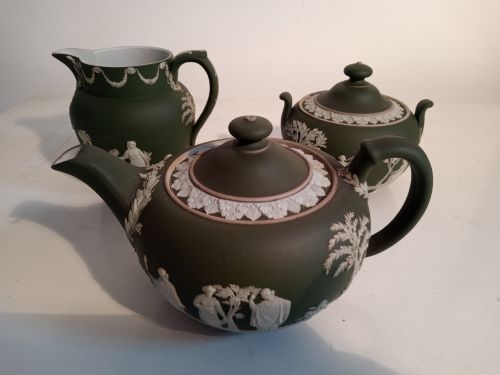
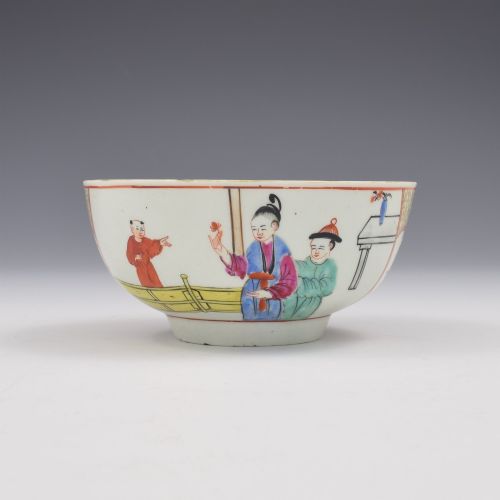
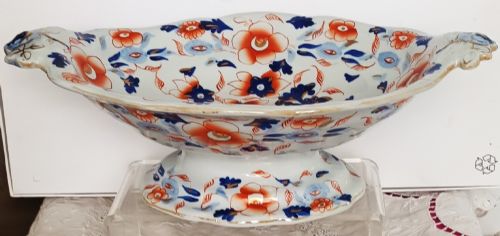
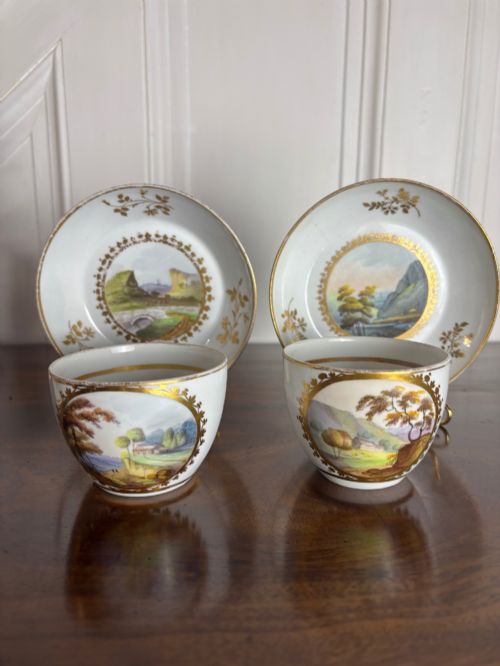
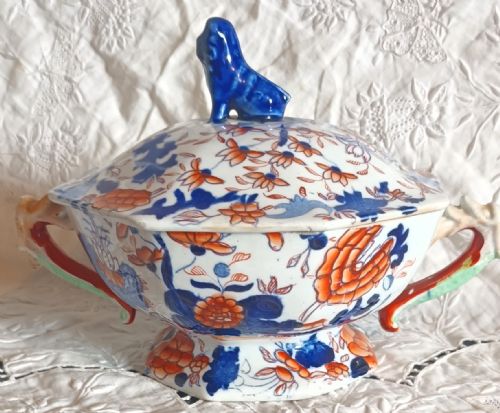
An antique english china bowl spans forms from shallow footed comports to large slop bowls and smaller tea vessels made across the eighteenth and nineteenth centuries. The pieces on this page include Georgian ironstone, soft-paste porcelain from eighteenth-century factories, and later bone china.
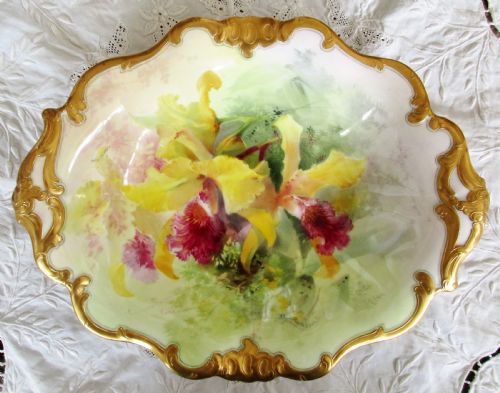
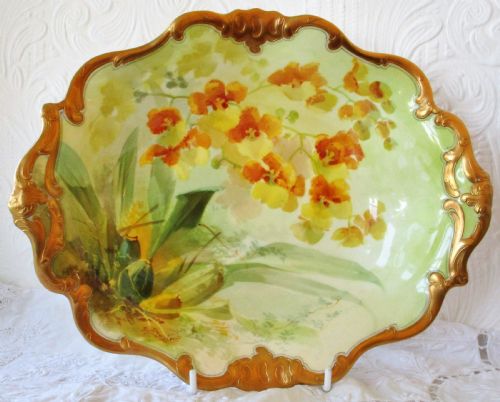
Makers shaped these vessels for functional service at tea and dessert tables, producing everything from utilitarian sugar boxes to decorative cabinet pieces. Stylistic shifts trace a path from classical blue and white transfer prints through vibrant Imari palettes and lush botanical hand-painting.
How they were made
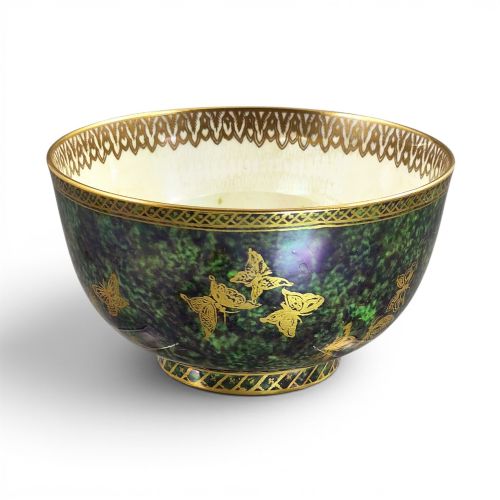
Potters relied on refined bodies of soft-paste porcelain, bone china, and dense ironstone, shaping them into bowls and dishes before applying glazes and underglaze pigments. Many workshops added rich overglaze enamels and applied gold leaf details that required a secondary firing in the kiln.
Hand-painting remained central to early production, seen in polychrome florals and intricate Chinoiserie scenes applied by brush. Transfer printing emerged to place intricate blue and white patterns onto earthenware and ironstone surfaces with consistent precision.
Early tea drinkers discarded spent leaves into dedicated slop bowls, inadvertently leaving behind a rich archaeological record of eighteenth-century household habits.
What varies in quality
The standard of painting determines the upper tier of these vessels, separating mechanical production from master brushwork on cabinet pieces. Crispness of moulding and clarity in polychrome enamels distinguish ambitious factory output from standard utilitarian ware.
Condition and completeness alter the standing of any antique english china bowl, particularly when original gilding remains bright and unrubbed. The sophistication of the ceramic body itself, from translucent early porcelain to robust ironstone, dictates both durability and finish.
Derby·Chelsea·Wedgwood·Worcester·Minton·Mason·Coalport·Royal Doulton·Royal Crown Derby·Booths·Ridgway·Grainger and Co
The Antique English China Bowl Glossary
- Soft-Paste Porcelain
- An early ceramic composition of white clay and glass frit fired at lower temperatures than hard-paste porcelain. It produces a warm, slightly creamy glaze well suited to eighteenth-century brushwork.
- Ironstone
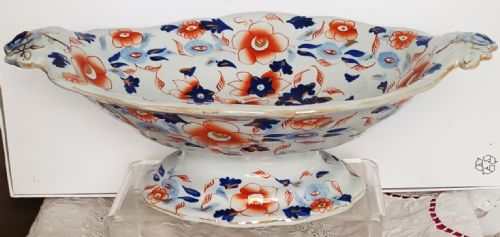
- A heavy, durable earthenware patented in the nineteenth century to rival true porcelain. It takes bold Japanese-inspired patterns and transfer prints with exceptional strength.
- Slop Bowl
- A large bowl used during tea service to hold spent tea leaves and dregs. Eighteenth-century examples often feature elaborate hand-painted Chinese figures or blue and white motifs.
- Comport
- A decorative footed dish or bowl elevated on a pedestal for serving fruit or sweets. These pieces frequently form part of larger nineteenth-century dessert services.
Antique English China Bowl: Frequently Asked Questions
How do I identify an eighteenth-century bowl?
Look for the characteristic weight and warm translucency of early soft-paste porcelain bodies, which often show minor kiln marks or potting flaws from the period.
Hand-painted polychrome enamels and underglaze blue motifs from factories like Worcester or Chelsea also point directly to eighteenth-century manufacture.
What is the difference between ironstone and porcelain?
Ironstone is a dense, opaque earthenware developed in the nineteenth century to withstand daily dining use without chipping easily.
Porcelain is lighter, harder, and traditionally semi-translucent when held up to a strong light source.
Can I use an antique bowl for serving food?
Most nineteenth-century ironstone and bone china bowls remain structurally sound enough for careful table service with cold or warm foods.
Delicate eighteenth-century soft-paste porcelain pieces are best reserved for display to prevent accidental surface wear or staining.
How should I clean my antique china bowl?
Wash the piece gently by hand using warm water and a mild detergent, avoiding harsh scrubbing brushes or automated dishwashers entirely.
Dry the bowl immediately with a soft cotton cloth to protect fragile overglaze gilding and hand-painted enamels.