



Regency Period Porcelain Bowl
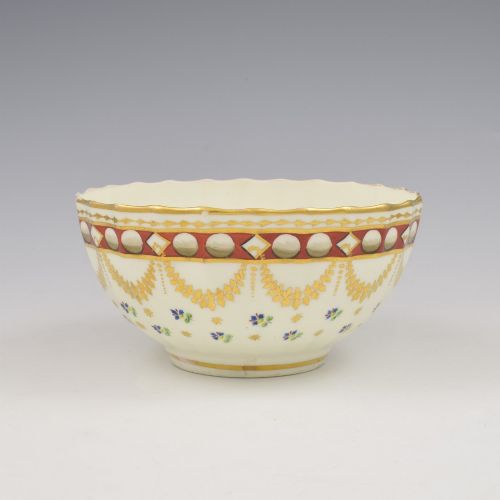
A regency period porcelain bowl brings early nineteenth-century elegance to a room through refined ceramic forms, delicate hand colouring, and rich gilding.
Regency Period Porcelain Bowl
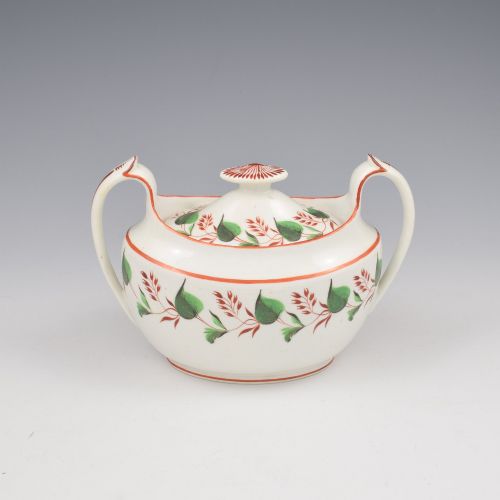
A regency period porcelain bowl encompasses several forms that collectors group together under the broader umbrella of early nineteenth-century ceramics. Buyers searching for a regency period porcelain bowl will encounter decorative bowls, centrepiece bowls, and sugar bowls produced during the Georgian and Regency eras.
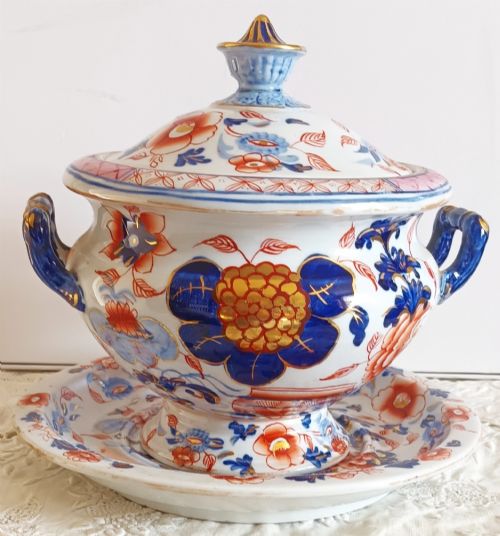
The objects listed show origins from notable English potteries working between eighteen hundred and eighteen twenty-five. Most examples belong to the Georgian and Regency periods, displaying styles such as Grand Regency alongside forms like slop bowls, chestnut baskets, and tureens.
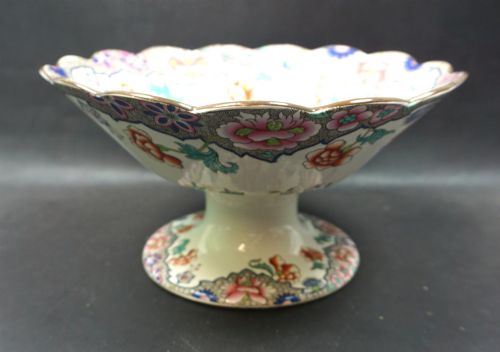
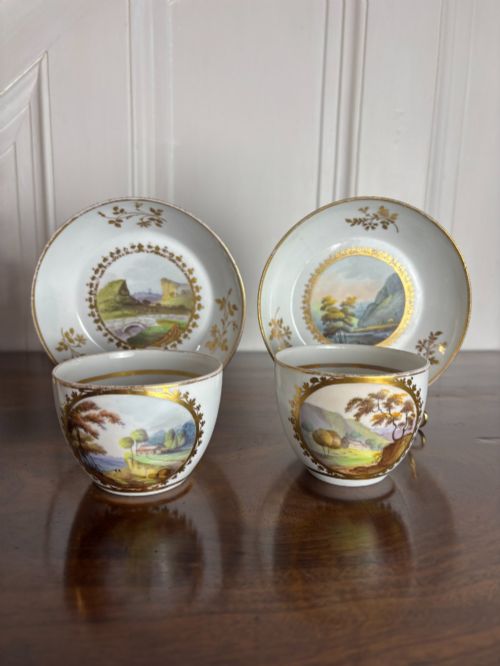
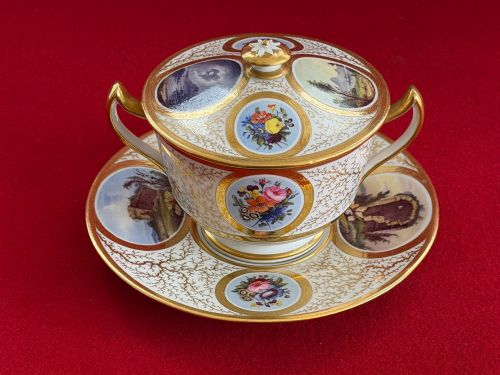
While specific forms vary from footed centrepieces to covered sugar boxes, each piece shares the characteristic porcelain body and decorative ambition of the early nineteenth century. Collectors seeking a regency period porcelain bowl select from pieces defined by botanical motifs, landscape scenes, and rich pattern numbers.
Materials and manufacture
These pieces are constructed from fine porcelain or ironstone china, shaped by hand or moulded before firing. Potters applied smooth glaze to the ceramic body to create a durable surface suitable for subsequent decoration.
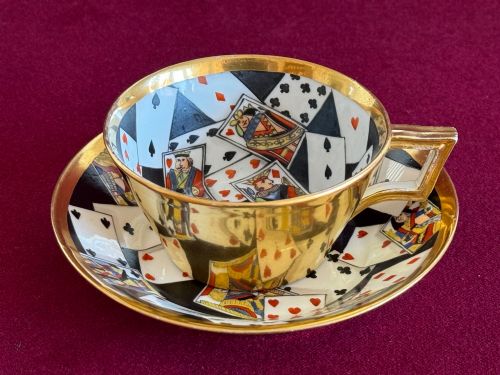
Decoration relied on hand-coloured painting, often featuring botanical studies, landscapes, and exotic patterns such as Japan designs or Bengal tiger motifs. Craftsmen finished these ceramic vessels with gilding, gold leaf, or gold gilt applied to rims and handles.
Regency Period Porcelain Bowl Retail Price Guide 2026
Typical asking prices for regency period porcelain bowl among the pieces listed under this phrase on Sellingantiques today, from the lower quarter to the upper quarter. They describe what is for sale here now, not the wider market.
Pattern names from the era reveal surprising whimsy, including a botanical serving dish alongside a porcelain vase bearing a Bengal tiger motif.
Assessing quality
Quality in these ceramics rests upon the precision of the hand painting and the crispness of the porcelain moulding. Superior pieces display finely detailed landscape or botanical scenes executed with steady brushwork and secure enamel colours.
The application of gold leaf or gilding also separates standard items from the finest examples, with high-quality pieces showing intact, burnished metalwork. Furthermore, the complexity of the form, such as reticulated basketwork or fluted moulding, indicates the skill invested by the original pottery.
Pinxton·Spode·Minton·Flight Barr and Barr Worcester·Duesbury and Kean Derby·Coalport·Mason
The Regency Period Porcelain Bowl Glossary
- Slop bowl
- A large bowl used during tea service to hold dregs and discarded tea leaves. This form appears frequently in early nineteenth-century porcelain collections.
- Sucrier
- A covered sugar bowl or box designed to hold loose sugar for the tea table. These vessels often feature matching covers and distinct oval shapes.
- Reticulated
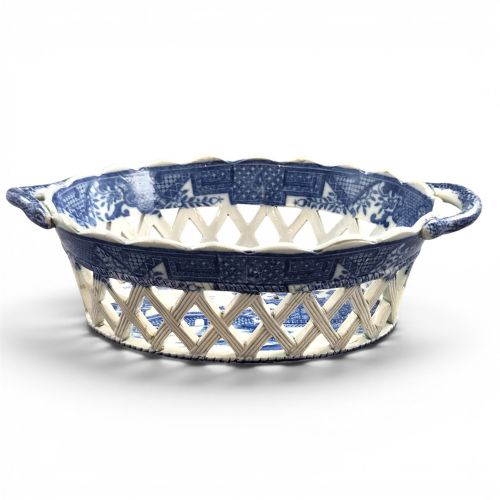
- Describes ceramic work featuring an openwork pattern or pierced lattice design. This technique required advanced skill during the moulding process.
- Ironstone china
- A patented ceramic body known for its strength and durability, developed as a robust alternative to soft-paste porcelain. Mason and other makers utilised this material extensively.
- Gilding
- The application of gold leaf or gold paint to ceramic surfaces for decorative enhancement. This finish often highlights rims, handles, and painted panels.
Regency Period Porcelain Bowl: Frequently Asked Questions
How do I identify a regency period porcelain bowl?
Look for characteristic design elements such as classical neo-classical proportions, delicate hand-painted landscapes, and extensive gilding typical of the early nineteenth century. Makers often incorporated pattern numbers or factory marks on the underside.
Material composition also helps with identification, as these pieces utilise early nineteenth-century porcelain bodies or ironstone china alongside specific glaze formulations that differ from later Victorian ceramics.
Were these bowls used daily or displayed?
While centrepiece bowls and sugar bowls served functional roles during formal dining and tea ceremonies, many delicate decorative vessels were intended primarily for display. Wealthy households utilised them to showcase refined tastes.
The inclusion of specialised forms like slop bowls and chestnut baskets demonstrates their specific utility within historical dining and tea service rituals.
What is the difference between porcelain and ironstone?
Porcelain is a fine, vitrified ceramic material known for its translucency and delicate appearance. It was traditionally favoured for high-status tea wares and decorative display items.
Ironstone china is a heavy-duty ceramic developed for greater strength and durability in everyday domestic service while maintaining a similar aesthetic to porcelain.