

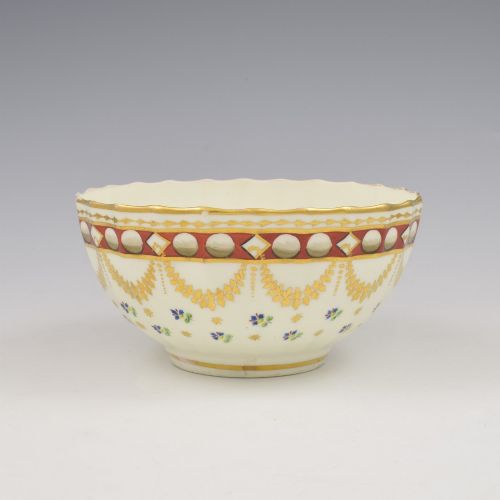
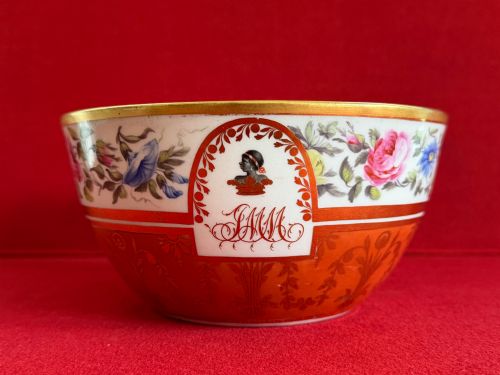
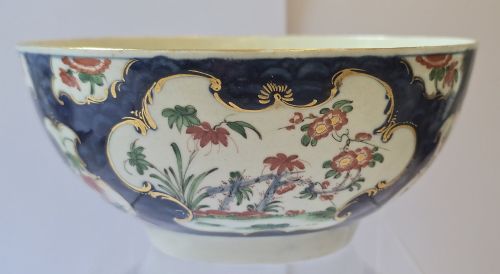
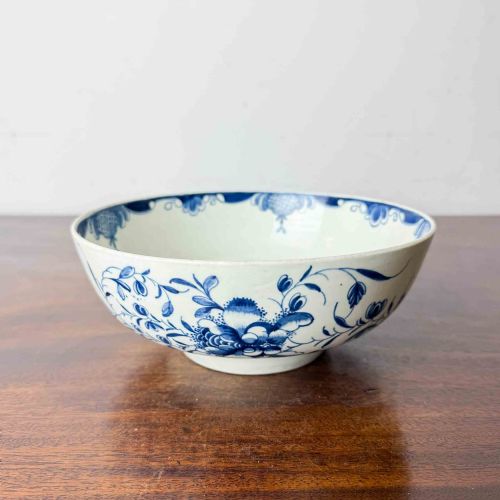


Georgian Slop Bowl Porcelain
These georgian slop bowl porcelain pieces are table vessels for rinsing tableware, made in soft-paste and hard-paste ceramic during the eighteenth and early nineteenth centuries.
Georgian Slop Bowl Porcelain
A georgian slop bowl porcelain piece sits on the tea table to receive dregs, tea leaves, and waste water from cups during service. These vessels arrive in forms ranging from small bowls to large punch bowls intended for communal drinking.
Most examples originate from eighteenth-century and Regency periods, spanning the Georgian era and incorporating regional styles like Georgian Chinoiserie and Regency Chinoiserie.
The majority of pieces encountered on this page stem from factories such as Worcester, alongside continental factories like Meissen and pieces decorated in London workshops.
Materials and manufacture
Potters shaped these vessels using soft-paste porcelain and ceramic bodies, applying lead and tin glazes before firing the ceramic in kilns.
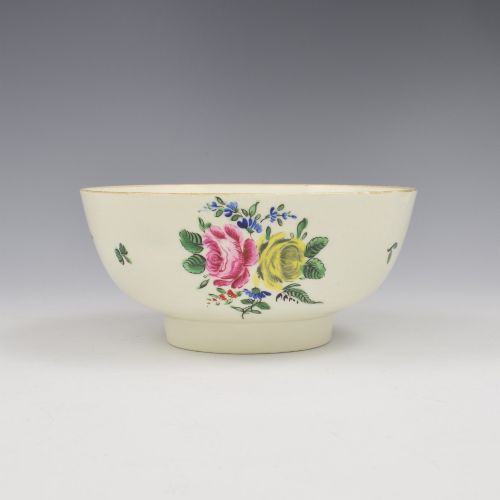
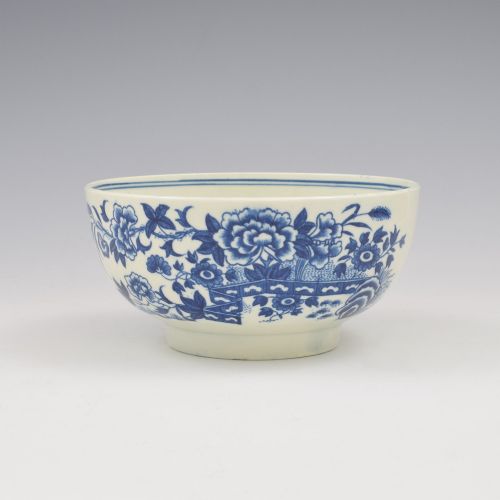
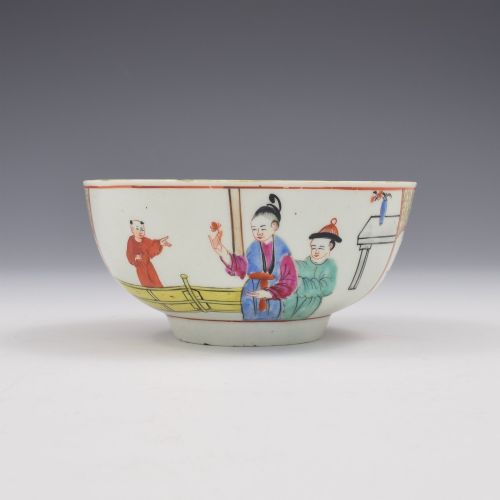
Decorators applied enamel paints, gold leaf, and gilding to the fired porcelain, often employing hand-painted chinoiserie motifs, floral patterns, and blue-scale underglaze designs.
Georgian Slop Bowl Porcelain Retail Price Guide 2026
Typical asking prices for georgian slop bowl porcelain among the pieces listed under this phrase on Sellingantiques today, from the lower quarter to the upper quarter. They describe what is for sale here now, not the wider market.
Listings feature eighteenth-century and Regency porcelain bodies finished with enamel paints, gold leaf, and underglaze blue decoration.
Factors affecting quality
Quality depends upon the crispness of the painted enamel decoration, the evenness of the glaze, and the intricacy of patterns such as Kakiemon designs or armorial crests.
Superior vessels display careful potting without warping, refined gilding work, and distinct factory attribution, distinguishing standard domestic wares from fine studio-decorated pieces.
Pinxton Porcelain·Chamberlain Worcester·Dr Wall Worcester·James Giles·Meissen
The Georgian Slop Bowl Porcelain Glossary
- Soft-paste porcelain
- A ceramic material composed of clay, white sand, and glass frits, fired at lower temperatures than hard-paste porcelain. This body type absorbs glaze differently and often shows slight surface variations.
- Slop bowl
- A ceramic vessel used during tea service to empty the dregs from cups before pouring fresh tea. These bowls sit alongside teapots and sugar basins.
- Chinoiserie
- A European artistic style reflecting Chinese motifs and landscapes, popular on eighteenth-century ceramics. Painters rendered figures, pavilions, and exotic birds in bright enamels.
- Gilding
- The application of gold leaf or powdered gold onto the surface of porcelain. Artisans burnished the metal layer to achieve a bright finish.
Georgian Slop Bowl Porcelain: Frequently Asked Questions
What was a slop bowl used for?
A slop bowl held the waste liquid and tea leaves emptied from cups before a fresh brew was poured.
Hosts used these vessels during formal tea ceremonies to keep the table tidy and reset cups quickly.
How do I date a porcelain bowl?
Dating relies on identifying the paste composition, glaze characteristics, and factory marks found on the base.
Stylistic markers such as rococo scrolls, puce grounds, or specific chinoiserie patterns also help narrow the period.
Are these bowls dishwasher safe?
These antique ceramic pieces require gentle hand washing in lukewarm water with mild soap.
Harsh detergents and automated dishwashing damage the delicate overglaze enamels and gold gilding.