



Dragon in Compartments Porcelain
Dragon in compartments porcelain combines intricate Chinese-inspired motifs with English ceramic mastery, offering collectors vibrant palette work and rich historical depth.
Dragon in Compartments Porcelain
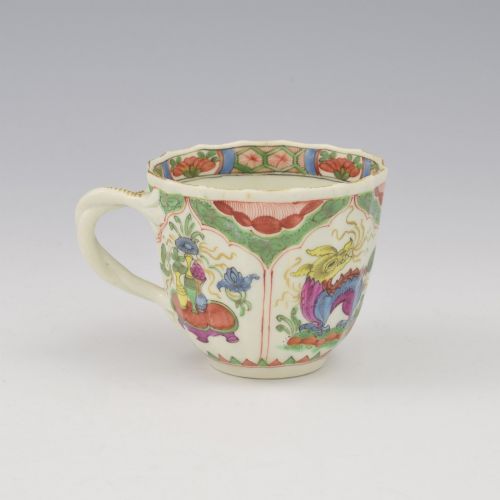
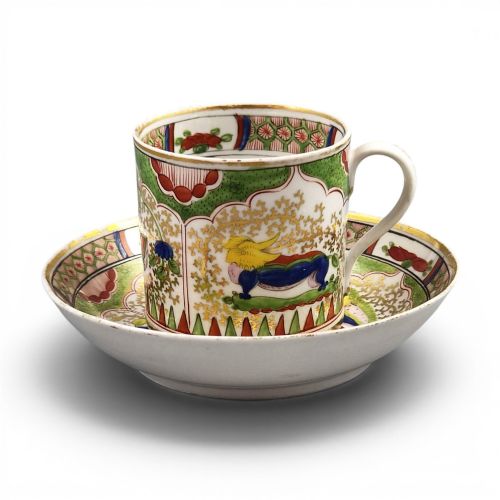
Dragon in compartments porcelain comprises domestic teaware, cabinet plates, bowls, and inkwells carrying the distinctive patterned design. Buyers searching for dragon in compartments porcelain meet pieces originating primarily from the eighteenth and nineteenth centuries.
The objects stem from English factories, most notably Worcester, including early Worcester and later iterations involving Barr, Flight and Barr and Chamberlain factories. Forms range from fluted coffee cups and tea bowls to large dessert plates and bowls set in mahogany stands.
Georgian and Regency periods dominate the examples, spanning stylistic transitions from eighteenth-century soft-paste production to nineteenth-century bone china and porcelain body types. Pieces frequently display elaborate compartmentalised borders enclosing stylised dragon motifs.
How they were made
Makers utilised fine porcelain and soft-paste porcelain bodies, shaped into fluted cups, saucers, bowls, and plates. Artisans applied polychrome enamel painting alongside gold leaf and extensive gilding to demarcate the intricate geometric and pictorial compartments.
Firing techniques evolved across the periods represented, shifting from early Worcester body recipes to nineteenth-century formulations handled by Chamberlain and Flight Barr and Barr. Hand-painted enamels required precise multi-stage kiln firings to fix the complex dragon and border designs.
Dragon in Compartments Porcelain Retail Price Guide 2026
Typical asking prices for dragon in compartments porcelain among the pieces listed under this phrase on Sellingantiques today, from the lower quarter to the upper quarter. They describe what is for sale here now, not the wider market.
Object forms span decorative plates, teaware, coffee cups and saucers, inkwells, cabinet plates, bowls, teacups and saucers, and tea bowls.
What varies in quality
The precision and density of the hand-painted enamels define the upper tier of production, where every compartment shows crisp separation and subtle colour blending. Lesser examples display simpler brushwork and less vibrant application of gold leaf.
The crispness of the porcelain moulding, especially on fluted surfaces and complex forms like inkwells or bowls with stands, separates standard domestic output from exceptional cabinet pieces. Preserved gilding and minimal wear to the central enamel motifs also elevate the standing of individual items.
Flight Barr And Barr·Barr Flight And Barr·Chamberlain Worcester
The Dragon in Compartments Porcelain Glossary
- Soft-paste porcelain
- An artificial ceramic paste fired at lower temperatures than true hard-paste porcelain, common in eighteenth-century English manufacture. This material yields a warmer, slightly softer texture beneath the glaze.
- Gilding
- The application of gold leaf or gold paint to ceramic surfaces for decorative accent. On these wares, gilding outlines compartments and highlights rims.
- Enamel
- Opaque glass-based pigment fused to the porcelain surface through firing. Enamels provide the bright colours found within the dragon and compartment motifs.
- Fluted
- Having parallel vertical grooves or channels moulded into the ceramic body. This technique adds texture to coffee cups and tea bowls.
- Trio
- A matched set consisting of a teacup, coffee cup, and saucer. Trios provide a complete baseline for eighteenth and nineteenth-century tea service.
Dragon in Compartments Porcelain: Frequently Asked Questions
What is dragon in compartments porcelain?
Dragon in compartments porcelain refers to English ceramic items decorated with panels or geometric divisions enclosing stylised dragon motifs. These pieces draw on Asian export inspirations adapted by English potteries.
Most surviving examples originate from Worcester factories spanning the late eighteenth and early nineteenth centuries. They include useful vessels like teacups and inkwells alongside display plates.
How do I date these porcelain pieces?
Dating relies on factory marks, ceramic body composition, and stylistic shifts between the Georgian and Regency eras. Earlier eighteenth-century items often employ soft-paste porcelain and distinct fluting.
Nineteenth-century pieces from factories like Chamberlain or Flight Barr and Barr show different paste formulations and bolder Regency palette choices. Comparing the form and enamel style against known factory periods clarifies the age.
Were these pieces used for tea?
Many items, such as tea bowls, coffee cups, saucers, and trios, formed part of active dining and drinking services. Wealthy households utilised them for serving tea and coffee to guests.
Other forms, including cabinet plates and decorative bowls, served primarily for display or dessert courses. Inkwells fulfilled a writing desk function rather than a dining role.
How should I care for antique porcelain?
Antique porcelain requires gentle hand washing in lukewarm water with mild soap, avoiding dishwashers entirely. Enamel and gold leaf decorations are susceptible to abrasion and harsh detergents.
Store pieces securely away from edge hazards and direct sunlight to protect the surface pigments. Items with wooden components, such as mahogany stands, benefit from stable indoor humidity.