
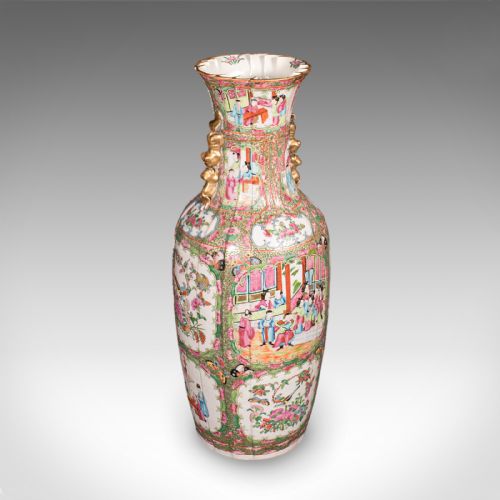


Antique Enamelled Display Vase
An antique enamelled display vase brings rich colour and pattern into a room, spanning delicate glass to substantial porcelain.
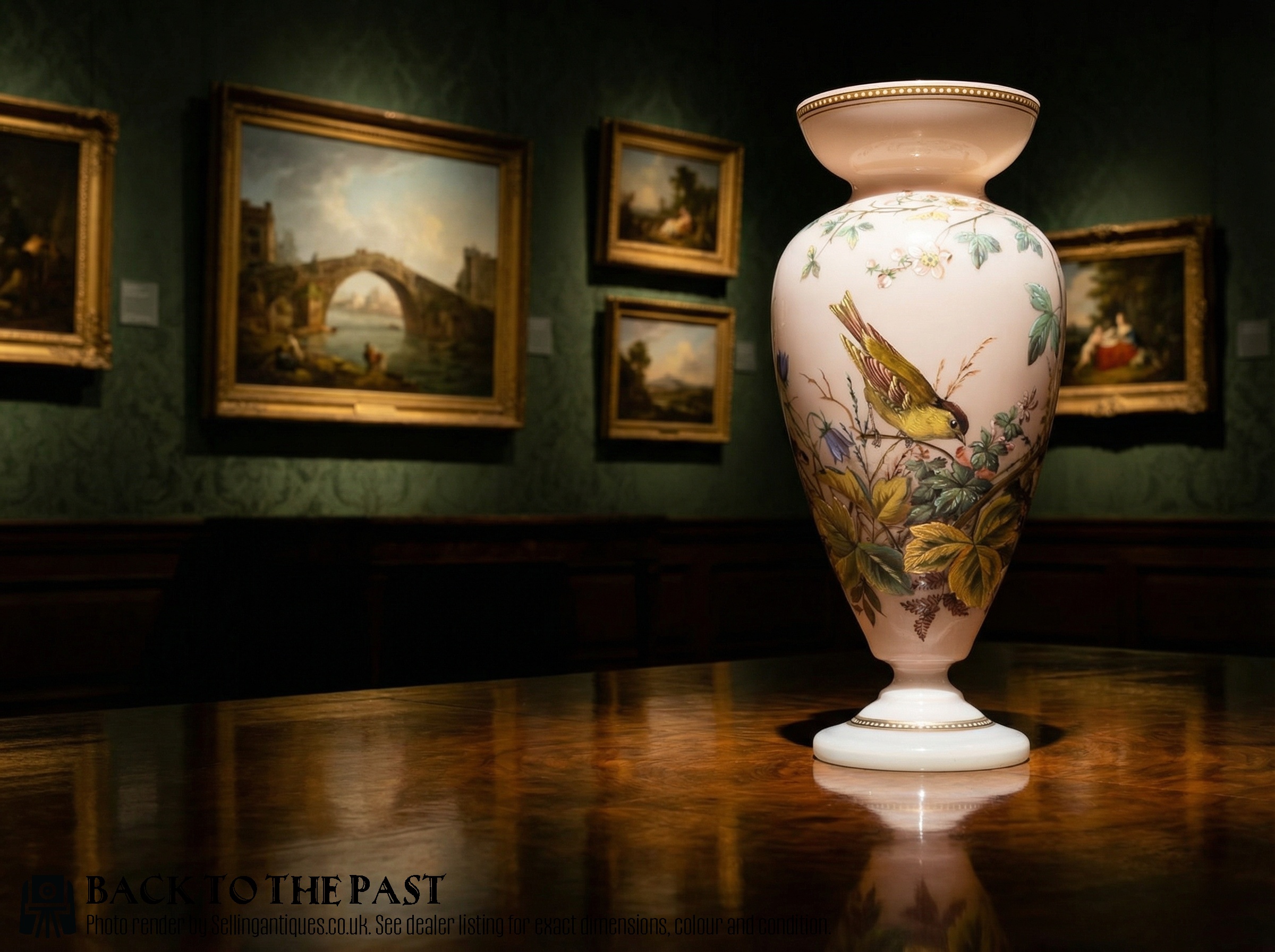
Antique Enamelled Display Vase
When you search for an antique enamelled display vase, you encounter a diverse gathering of vessels spanning the nineteenth and twentieth centuries. These objects range from English and Scottish glass to Japanese Satsuma earthenware and Chinese porcelain.
You are most likely to meet pieces decorated with hand-painted enamel, gold leaf, and intricate motifs reflecting Victorian, Meiji, and Art Deco aesthetics.
How they were made
Makers utilised ceramic, glass, and earthenware as bodies, applying coloured enamels by hand often alongside gold gilt and moriage relief work. Firing techniques fixed these pigments onto porcelain and glass surfaces, while cloisonné pieces integrated metal wires to hold the enamel cells.
Artisans combined painting with etching, particularly in twentieth-century glass production where geometric patterns complemented the enamel.
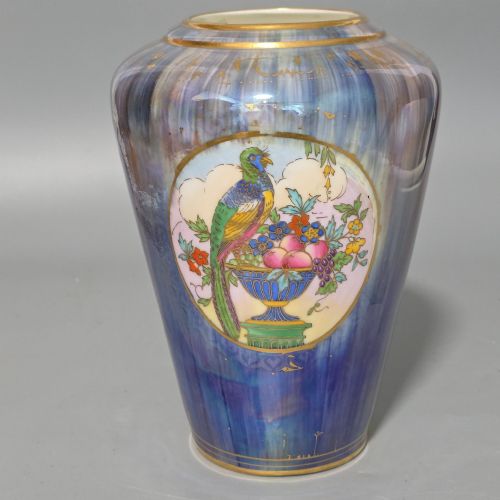
Parrots, dragons, and poppy flowers jostle for attention across these shelves, proving that antique decorators loved a dramatic creature.
What varies in quality
The distinction between standard production and top-tier examples lies in the precision and density of the hand-painting. Pieces bearing signatures from known potteries or workshops exhibit finer control over brushwork, heavier gilding, and more intricate figure or floral panels.
Subtlety in the layering of enamel and the clarity of the underlying porcelain, crystal, or glass define the higher end of the range.
Minton·St Louis glassworks·Seiko-en Chokei·Hododa·Wedgewood·Monart·Kinkozan
The Antique Enamelled Display Vase Glossary
- Moriage
- A Japanese ceramic technique using slip trailing to build up raised decorative elements and figures. This method creates a tactile surface often highlighted with gold.
- Famille Rose
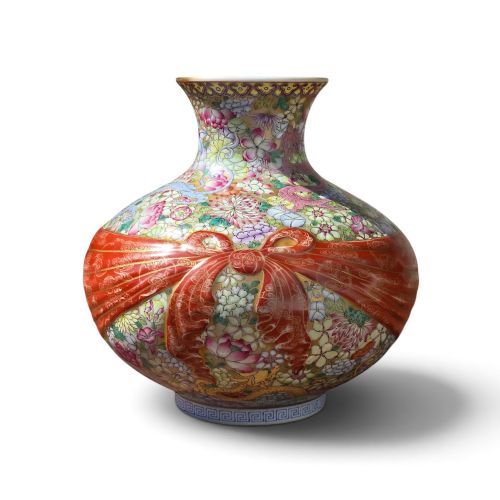
- A major palette of Chinese ceramic enamels introduced in the Qing dynasty, distinguished by opaque pink or purple shades. The style translates to painted porcelain vessels of great detail.
- Millefleurs
- A decorative pattern covering the entire surface with a dense multitude of small flowers. It requires immense patience from the artisan.
- Cloisonné
- An enamelwork technique where metal wire is soldered to a base to form compartments that are filled with paste and fired. The resulting vessel displays distinct coloured fields divided by metal lines.
Antique Enamelled Display Vase: Frequently Asked Questions
How do I identify a Satsuma vase?
Satsuma wares typically feature a cream-coloured, cracked earthenware glaze painted with detailed court figures, landscapes, and heavy gilding. They often originate from Japan during the Meiji period.
Many bear artist signatures or workshop mon symbols on the base to indicate their origin.
Where were Victorian glass lustres placed?
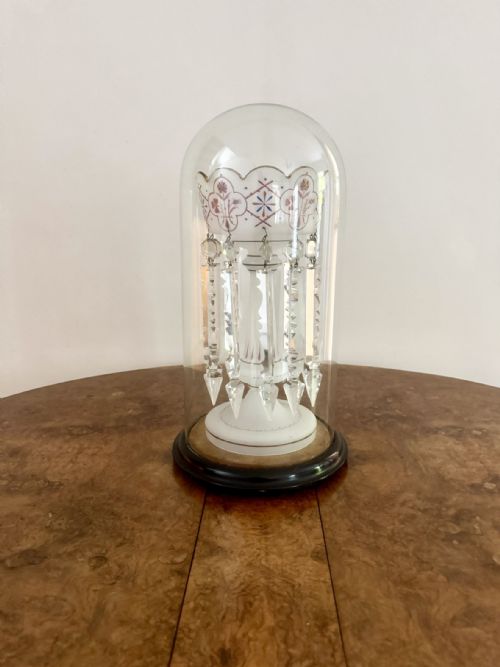
Victorian glass lustres functioned as decorative mantelpiece ornaments rather than utilitarian flower holders. Their hanging glass prisms caught the flickering light of nineteenth-century rooms.
Pairs usually stood symmetrically at either end of a fireplace mantel.
What is Chinese export porcelain?
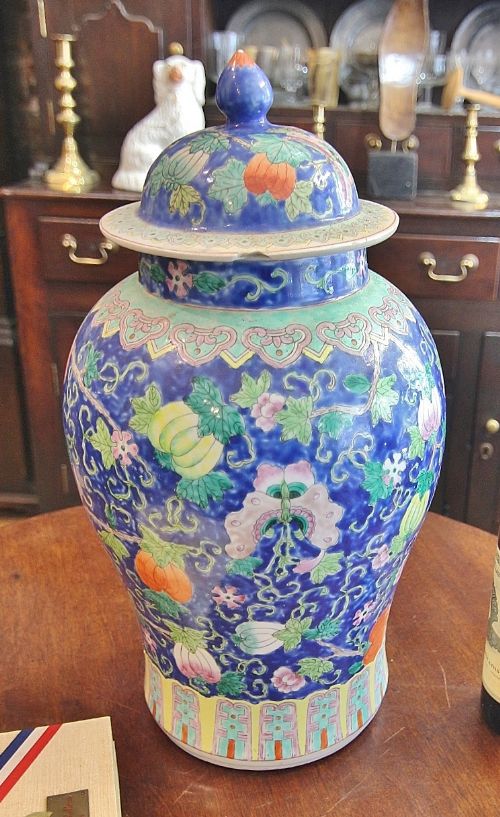
Chinese export porcelain encompasses ceramics manufactured in China specifically for western markets. These pieces combine traditional Chinese forms and motifs with shapes suited to European tastes.
Examples include large floor jars, centrepiece vases, and matching pairs.