


Antique Elm Cupboard
An antique elm cupboard brings deep wood figure and honest country craft into a room, offering sturdy storage rooted in centuries of vernacular tradition.
Antique Elm Cupboard
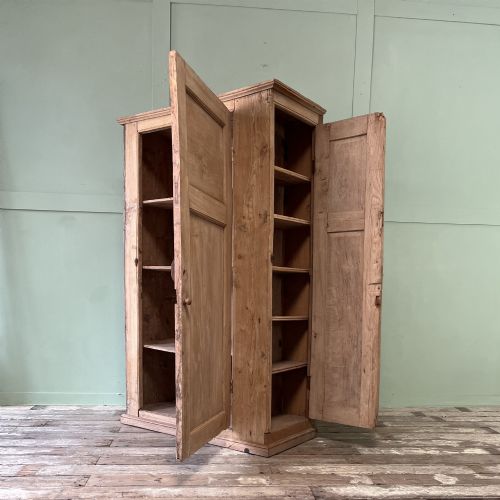
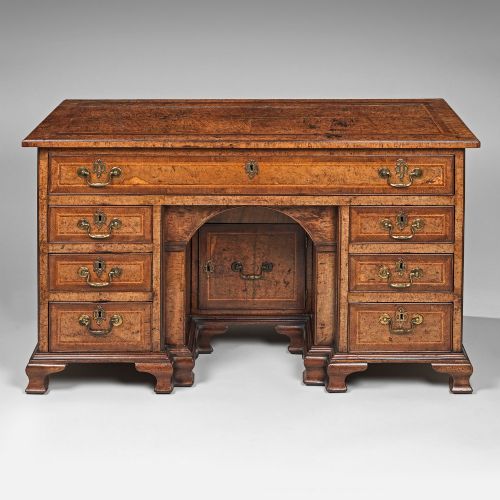
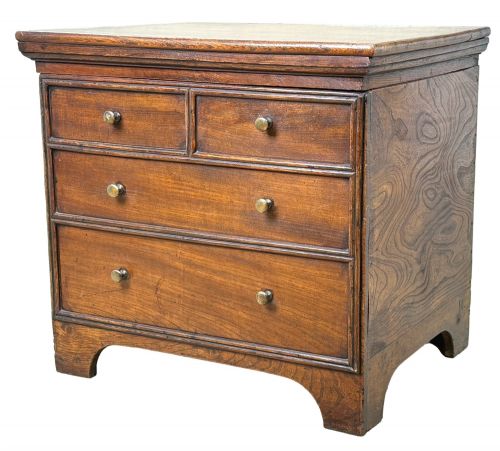
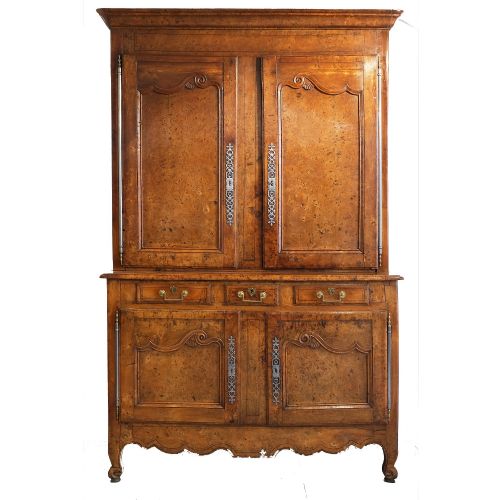
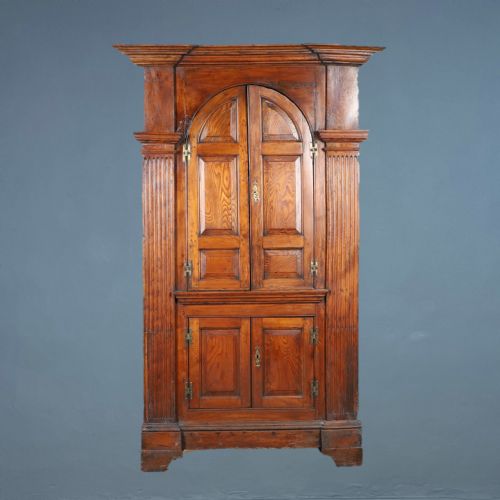
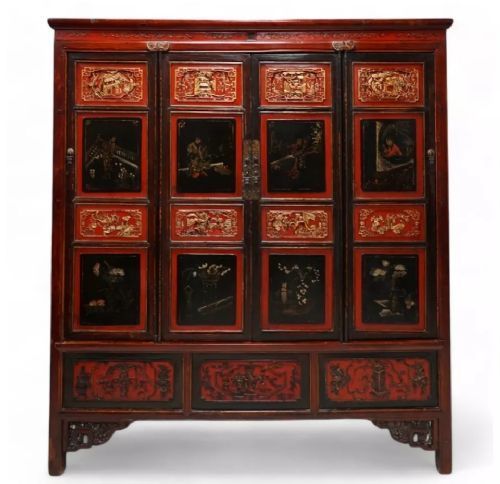
An antique elm cupboard spans distinct regional traditions, from English vernacular food cupboards and Welsh bacon settles to Chinese marriage cabinets and Korean storage chests. Buyers hunting for this phrase often meet pieces built for everyday utility in country workshops, alongside more formal Georgian standing and corner cupboards.
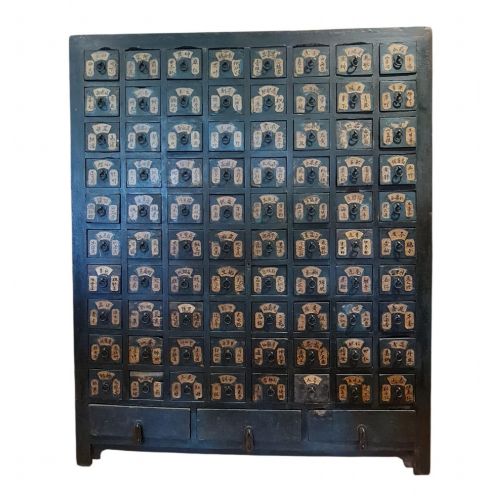
The selection extends from seventeenth-century provincial pieces through eighteenth-century George III designs to nineteenth-century continental, Biedermeier and Asian examples. Storage forms range from low bedside cabinets and tall court cupboards to sideboards, dressers and apothecary chests with numerous small drawers.
How they were made
Makers utilised solid elm timber, often selected for its swirling burr figure or paired with secondary woods like oak, ash and pine. Elm is tough and prone to twisting, which required skilled joinery to manage its stubborn grain in large panels and doors.
Metalwork played a key structural and decorative role, with forged iron, steel and brass hardware such as hinges, lock plates and drawer pulls securing the heavy timber doors and drawers.
Listings span periods from the seventeenth century through the Georgian era to the early twentieth century, utilising solid elm, burr elm, brass, iron and lacquer.
What varies in quality
The distinction between ordinary utility items and finer examples rests upon the selection of timber figures, such as heavily patterned burr elm veneer or carefully matched boards. Surface patination, original lacquer finishes and the retention of period brass or iron hardware elevate the standing of a piece.
Construction precision separates basic country joinery from sophisticated cabinet-making, visible in the dovetailing of drawers, the architectural proportions of cornices, and whether secondary woods are used sparingly or structurally integrated.
Augustus Pugin
The Antique Elm Cupboard Glossary
- Burr elm
- A growth deformity in the elm tree that produces highly figured, swirling wood grain prized for decorative veneer on cabinet doors and drawer fronts.
- Food cupboard
- A ventilated provincial storage piece designed to keep provisions cool and safe from pests, often featuring pierced wooden slats or turned spindles.
- Bacon settle
- A high-backed wooden seat incorporating a large storage cupboard in the upper section, traditionally used in rural kitchens for curing and storing meat.
- Tansu
- A traditional mobile Japanese storage chest constructed from elm or other local woods, fitted with elaborate iron brackets and flush handles.
- Deux corps
- A large two-part cabinet stacked vertically, typically combining a display or storage cupboard top over a deeper base section.
Antique Elm Cupboard: Frequently Asked Questions
How do I date an antique elm cupboard?
Dating relies upon examining construction methods, timber preparation, and stylistic details such as cornices, feet and hardware. Early pieces from the seventeenth and eighteenth centuries often show hand-sawn board marks and pegged joinery.
Later nineteenth-century examples may incorporate machine-sawn elements, standardised screws, or imported styles like Biedermeier or Asian lacquered finishes.
Where were elm cupboards made?
Elm cupboards originated across various domestic and international regions, reflecting local timber availability and domestic habits. British examples stem from regional traditions in Wales, Scotland and provincial England.
Other notable origins include French provincial workshops, Biedermeier-influenced continental regions, and Asian traditions spanning Chinese Shanxi province and Korea.
How do I care for burr elm furniture?
Burr elm furniture benefits from stable indoor humidity levels and protection from direct sunlight, which can dry out the highly figured wood. Regular dusting with a soft, dry cloth preserves the surface shine without heavy polishing.
Avoid placing wooden cabinets near active heat sources to prevent timber shrinkage and cracking in the decorative veneer.