


Antique Dutch School Painting
When you examine an antique dutch school painting, you encounter centuries of masterful portraiture, domestic interiors, and luminous landscapes.
Antique Dutch School Painting
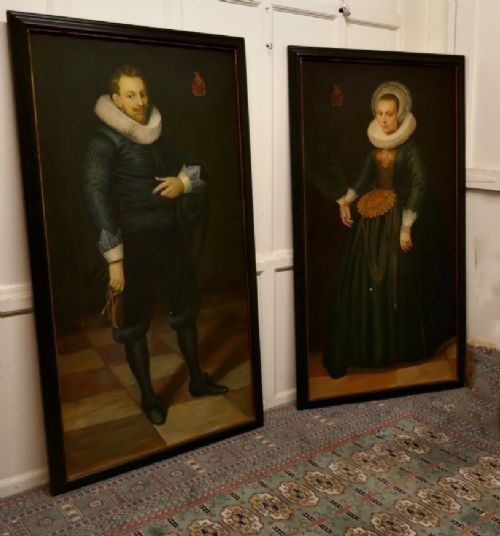
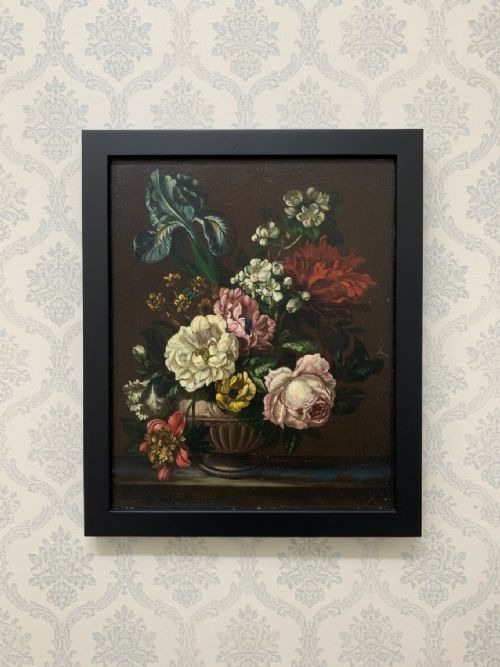
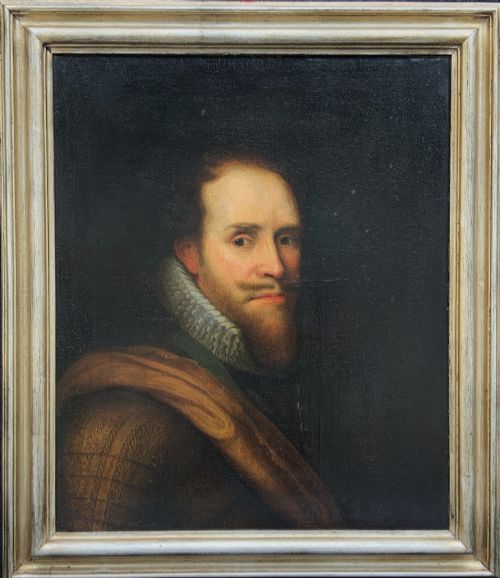
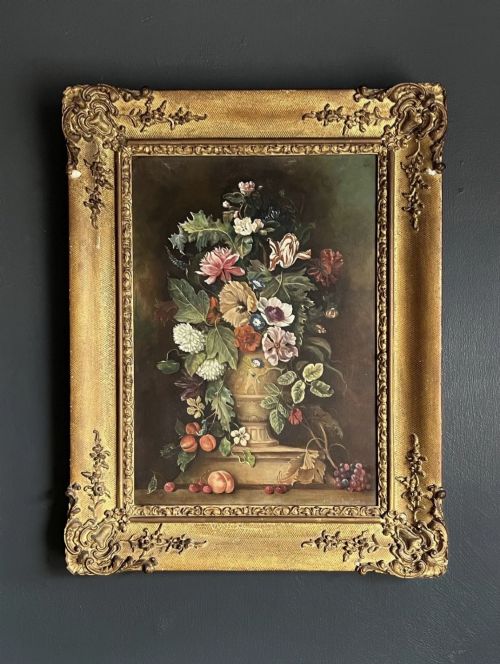
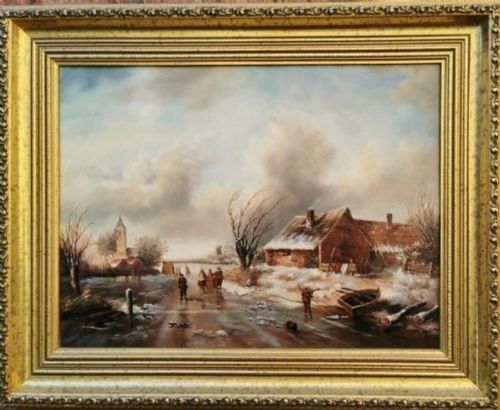
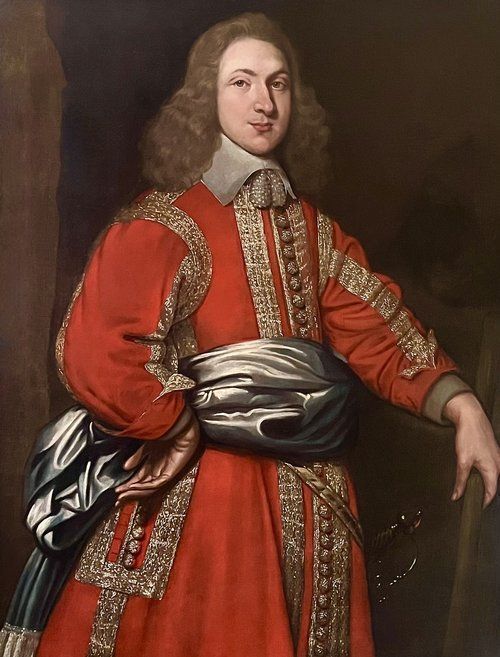
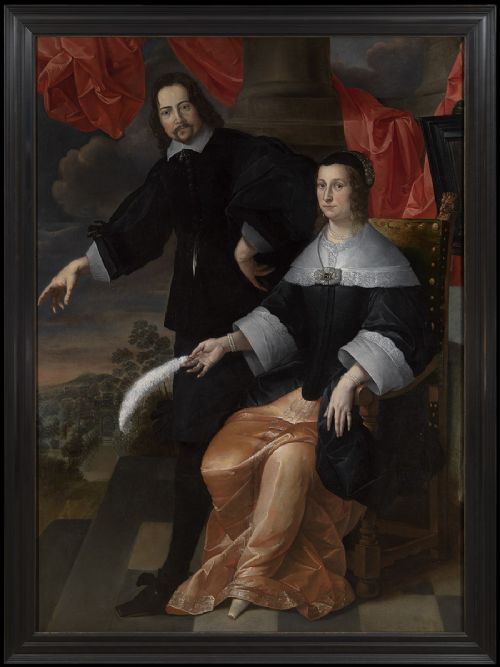
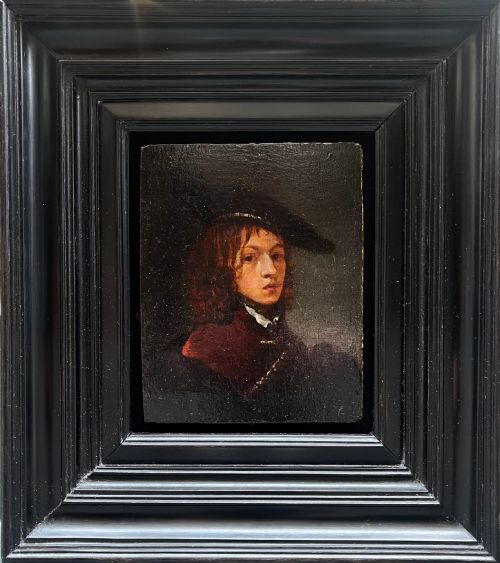
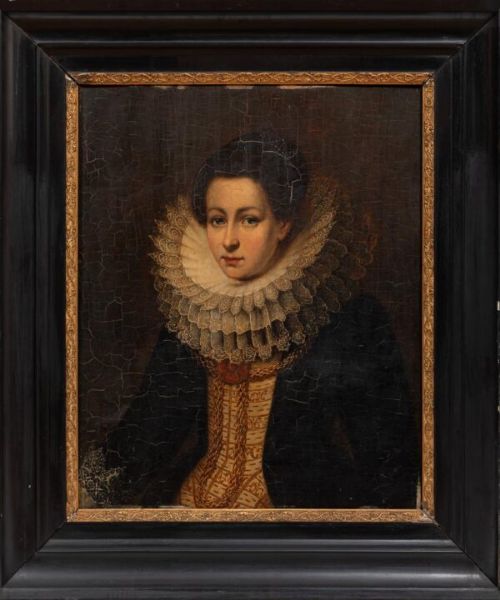
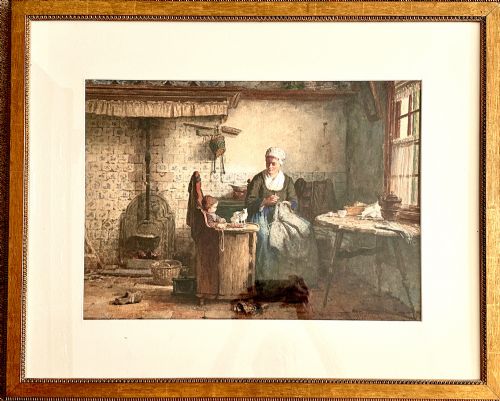
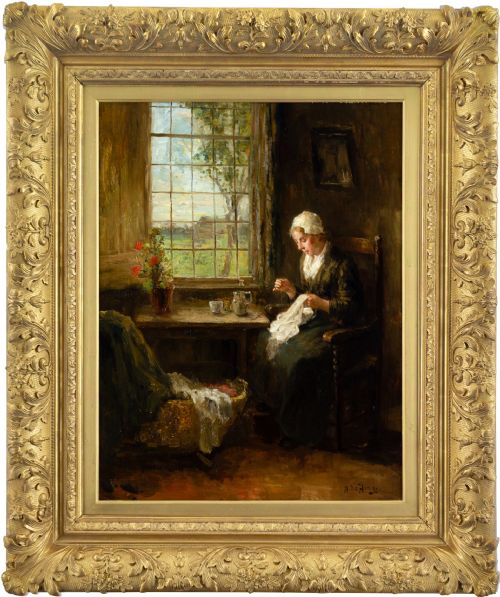
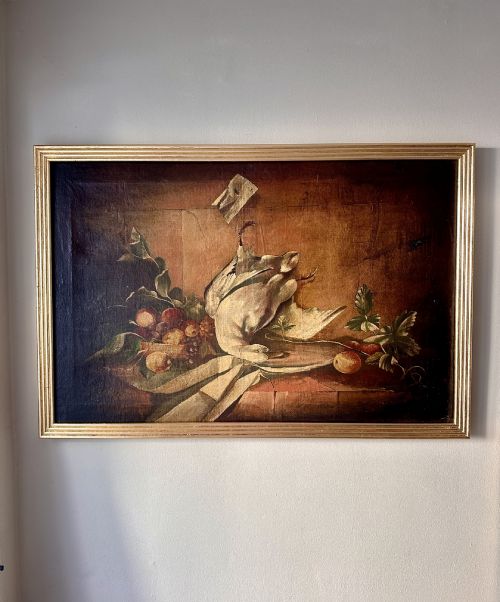
An antique dutch school painting encompasses works ranging from seventeenth-century portraits of noblemen and officers to nineteenth-century landscapes and still lifes. Buyers encounter oil paintings on canvas and wood panel, alongside watercolours depicting winter scenes, windmills, and tavern interiors.
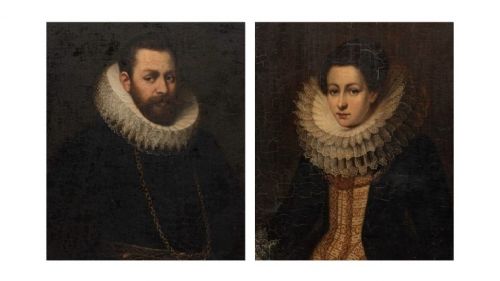
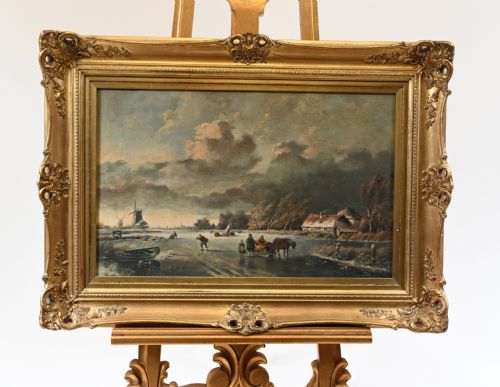
The tradition spans multiple centuries, with substantial representation from the seventeenth-century golden age style up to later impressionist and hague school interpretations. Subjects frequently feature intricate ruff collars, coastal towns, and detailed botanical arrangements.
Works appear either as direct creations by named painters or executed in the manner of established historical figures such as David Teniers or Rembrandt. These pieces provide a direct window into historical northern European domestic and public life.
How They Were Made
Artists primarily applied oil paint onto stretched canvas, prepared wooden panels, or metal supports. Giltwood and gillet gesso frames frequently house these works, complementing the rich pigments of the composition.
Watercolour pigments were also utilised on paper for detailed interior and landscape studies. Brushwork varies from the tight, precise detail of early portraiture to looser, impressionistic strokes seen in later nineteenth-century outdoor scenes.
Antique Dutch School Painting Retail Price Guide 2026
Typical asking prices for dutch school painting among the pieces listed under this phrase on Sellingantiques today, from the lower quarter to the upper quarter. They describe what is for sale here now, not the wider market.
Listings feature works spanning from the seventeenth century through to the twentieth century, utilising oil paint, watercolour, canvas, and wood panels.
What Varies In Quality
The distinction between standard works and exceptional pieces lies in the precision of brushwork and the psychological depth of portrait subjects. Masterful handling of light and shadow, particularly in golden age chiaroscuro, elevates an artwork significantly.
Condition of the underlying canvas or wood panel and the integrity of the original paint layers dictate overall desirability. Additionally, the presence of period-appropriate gilt frames contributes to the historical completeness of the piece.
Hendrik Valkenberg·Bernard De Hoog·Abraham Hulk I·Pieter Cornelis Dommersen·Philipp Ferdinand de Hamilton·Cornelis Christian Dommersen·Johannes Philippus Galjaard·Hendrik Willebrord Jansen·William Raymond Dommersen
The Antique Dutch School Painting Glossary
- Oil on Canvas
- A traditional painting medium where pigments bound in oil are applied to a woven fabric support. This combination allows for rich colour blending and texture.
- Panel Painting
- A work executed on a flat piece of wood rather than canvas. These rigid supports were common in earlier centuries before canvas became dominant.
- Giltwood
- Wood that has been treated and covered with a thin layer of gold leaf. Frames finished this way enhance the visual weight of antique paintings.
- Chiaroscuro
- An artistic technique employing strong contrasts between light and dark to give subjects volume and dramatic intensity. It defines much of seventeenth-century continental art.
- Hague School
- A group of artists working in the Netherlands during the late nineteenth century who were influenced by the realism of the French barbizon school. They captured atmospheric landscapes and everyday rural life.
Antique Dutch School Painting: Frequently Asked Questions
What is a dutch school painting?
A dutch school painting refers to artwork created by artists working within the traditions of the Netherlands, spanning from the seventeenth-century golden age to later nineteenth-century realism.
These pieces capture distinct cultural subjects including civic portraits, frozen winter landscapes, and detailed still lifes of game and fruit.
How do I care for an oil painting?
Protect antique oil paintings by keeping them away from direct sunlight, damp environments, and extreme temperature fluctuations.
Dust the surface gently with a dry, soft brush and avoid using chemical cleaning agents on the delicate paint or gilt frames.
Are these paintings signed by the artist?
Some works feature clear signatures, dates, or monograms left by the original creator, while others are attributed to a specific circle, follower, or historical manner.
Unsigned pieces often rely on stylistic evidence, subject matter, and materials to suggest a probable period and regional origin.
What subjects are most common?
The most frequent subjects include portraits of military officers and noblemen, atmospheric winter scenes featuring windmills, and detailed tavern interiors.
Still life compositions depicting flowers, seafood, and game birds also appear regularly across different centuries.