





Antique Tavern Scene Artwork
Step inside for antique tavern scene artwork, capturing lively drinking houses, smoking rooms and village merrymaking across centuries of oil and watercolour.
Antique Tavern Scene Artwork
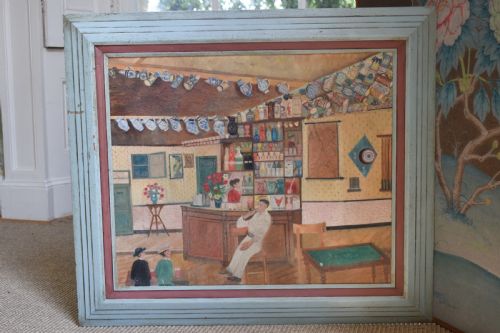
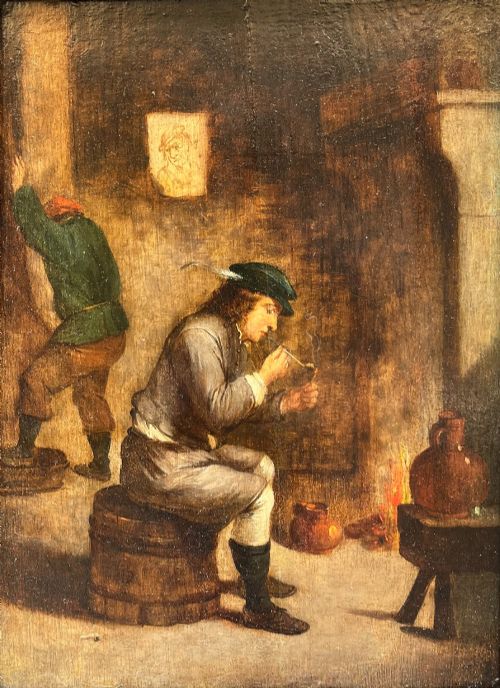
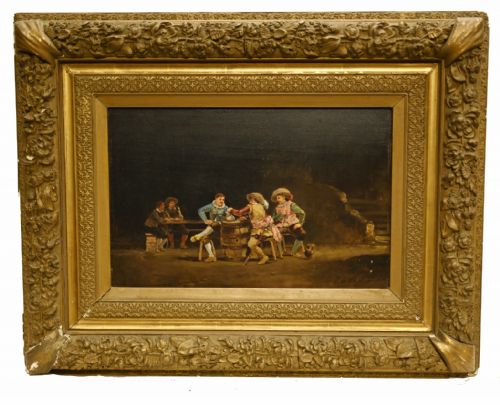
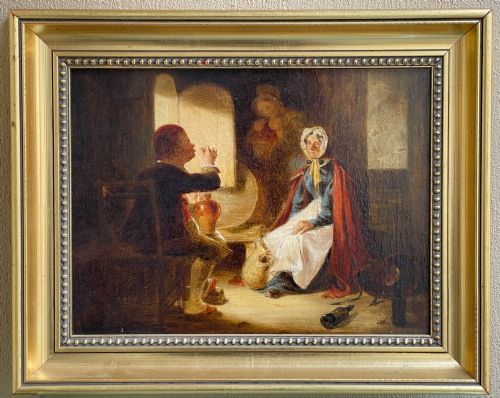
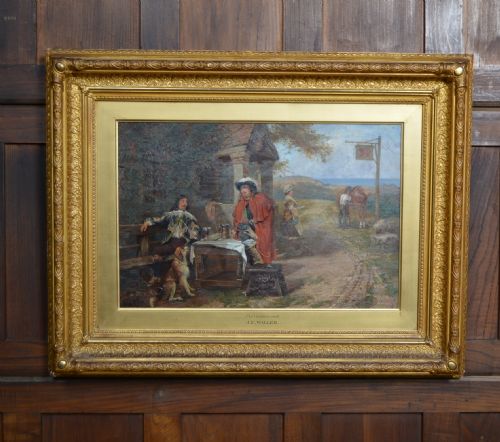
When you search for antique tavern scene artwork, you explore centuries of figurative painting and genre art depicting public houses, village inns and social gatherings. These works capture spirited interactions, from peasants merrymaking and cavaliers resting to musketeers and hunters sharing a jug by the barrel.
The selections available here span from seventeenth-century Flemish and Dutch school compositions to nineteenth-century Victorian genre pieces and later watercolours. You will frequently encounter oil paintings on canvas or oak panel, alongside framed prints and watercolours that bring historical interior life into focus.
Many pieces draw inspiration from earlier masters such as David Teniers the Younger and Jan Steen, resulting in enduring visual records of social history. Whether you prefer a detailed seventeenth-century interior or a nineteenth-century English school rendering, these artworks offer a rich window into past communal spaces.
Materials and methods
Artists typically applied oil paint onto stretched canvas or sturdy wood panels, building up rich layers of pigment to achieve depth and shadow. Mezzotint engravings and watercolours on paper also appear, demonstrating the diverse techniques used to record these bustling interior scenes.
Giltwood frames frequently enclose these canvases and panels, providing a period-appropriate border that enhances the warmth and dark tones of the palette. The handling of light relies heavily on chiaroscuro effects, drawing the eye toward central figures gathered around barrels, hearths and tavern tables.
At least one startled boy can be found tapping a barrel in the dark corners of these lively historic taprooms.
Assessing quality and execution
Quality rests primarily in the confident handling of human expression and the subtlety of lighting within shadowed interiors. Works that capture distinct character in every face and maintain spatial depth separate accomplished studio pieces from simpler decorative copies.
The preservation of the paint surface and the panel or canvas integrity influence the visual impact of the composition. Finer pieces retain their original luminosity and benefit from framing that respects the period of creation.
David Teniers The Younger·John Arthur Lomax·George Morland·Francesco Bergamini·John Holland Snr
The Antique Tavern Scene Artwork Glossary
- Genre painting
- Depiction of aspects of everyday life by framing everyday subjects in contemporary settings. These works focus on ordinary people engaging in common activities like drinking, smoking and merrymaking.
- Chiaroscuro
- The use of strong contrasts between light and dark, usually bold contrasts affecting a whole composition. This technique creates a dramatic sense of volume and focuses attention on figures within dim tavern interiors.
- Mezzotint
- A printmaking process of the printmaker family using a textured metal plate to hold ink and produce tonal gradations. It allows for rich, velvety darks and subtle half-tints ideal for interior scenes.
- Oak panel
- A wooden board used as a rigid support for oil paintings before canvas became standard. Panels provide a stable, smooth surface often seen in earlier Dutch and Flemish works.
Antique Tavern Scene Artwork: Frequently Asked Questions
What periods do these artworks cover?
The pieces span from the seventeenth century through the Victorian era up to the early twentieth century. They include seventeenth-century Dutch and Flemish traditions alongside nineteenth-century interpretations.
Later watercolours and prints also represent early twentieth-century depictions of historical public houses and hunting breakfasts.
How were these scenes traditionally displayed?
Historic tavern paintings and genre scenes were typically hung in domestic reception rooms, parlours and libraries to entertain guests. Their rich interior lighting and engaging human stories made them natural focal points for conversation.
Today, they suit studies, living rooms and dining spaces where traditional art complements period furniture and wood panelling.
What subjects feature in tavern art?
Common subjects include peasants merrymaking, cavaliers resting, hunters sharing a drink with a landlady, and musketeers gathered around barrels. Figures are often shown smoking pipes, playing cards or enjoying ale in rustic village inns.
Some compositions focus on humorous or disorderly behaviour, capturing the lively social atmosphere of historical drinking establishments.
How do I identify a panel painting?
Panel paintings utilise a solid wooden support, most commonly oak, rather than a woven canvas stretched over a wooden frame. Examining the reverse often reveals the bare wood or historic cradling used to stabilise the board.
These rigid supports are more frequently encountered in earlier works dating from the seventeenth and eighteenth centuries.