


Gilded Wooden Framed Art
These pieces of gilded wooden framed art bring together period paintings, mirrors and panels held within gold leaf or gesso surrounds.
Gilded Wooden Framed Art
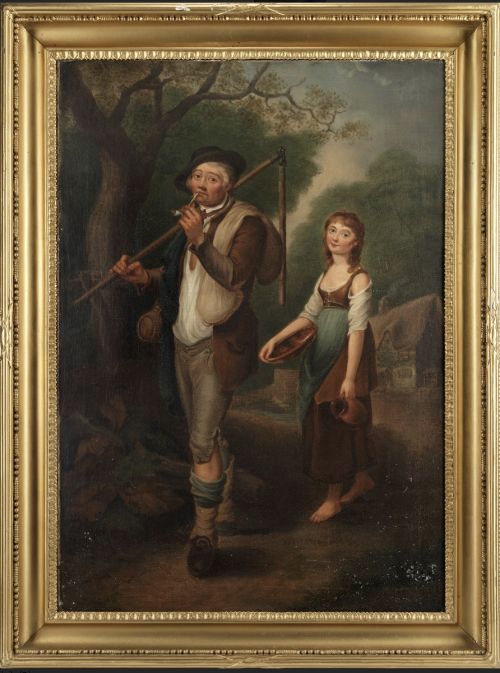
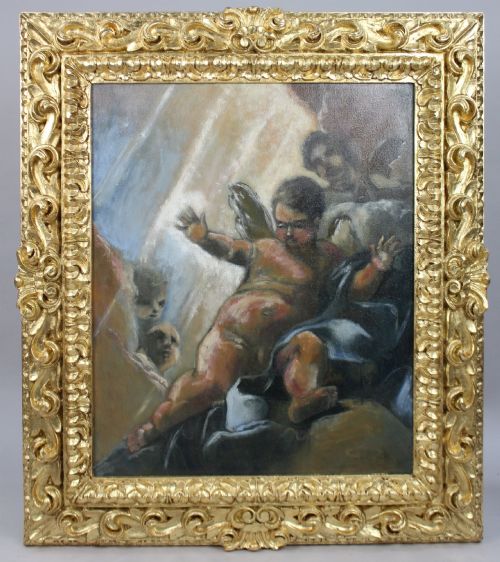
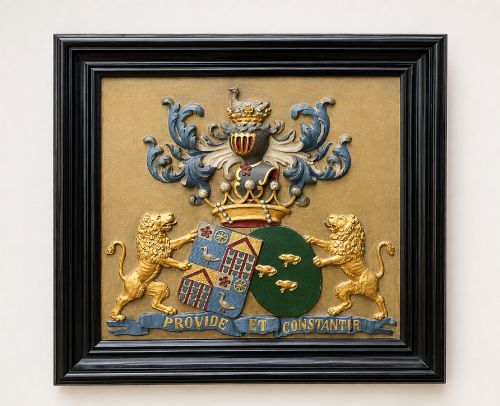
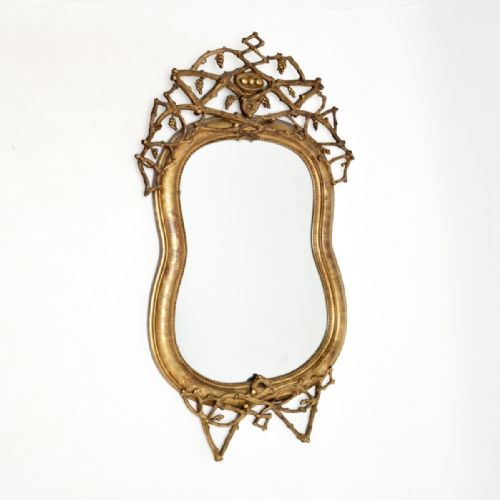
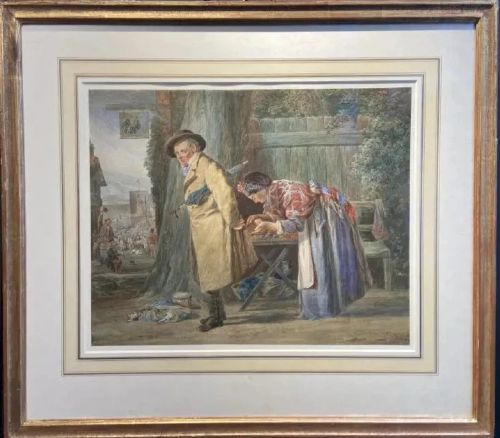
When you search for gilded wooden framed art, you encounter a varied selection of picture frames, mirrors, oil paintings and painted wood panels spanning the nineteenth and twentieth centuries. The selection encompasses Victorian genre scenes, Renaissance style works, Dutch marriage plaques and Italian rococo revival mirrors.
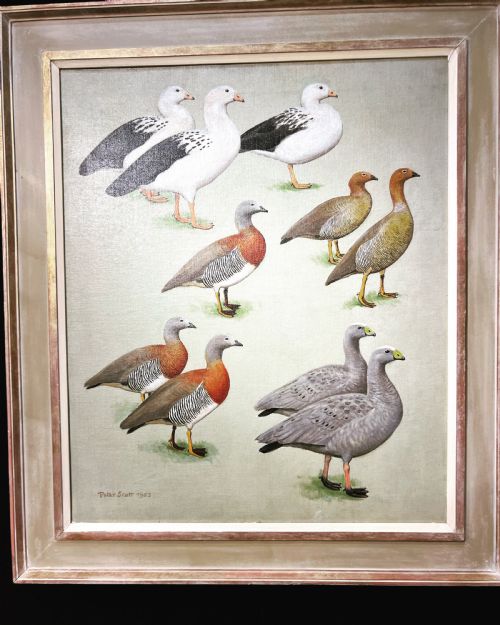
The most common items on this page are nineteenth century oil paintings set in heavily ornamented wooden frames, alongside standalone antique picture frames and twentieth century watercolours or mixed media pieces. These works range from naive paintings and racing prints to portraits by named artists.
Originating across Britain, Europe and Russia, these objects combine decorative wooden structures with metallic leaf finishes. Each piece reflects the aesthetic preferences of its period, from strict Victorian realism to revivalist interpretations of earlier European styles.
Materials and construction
The foundation of these pieces relies on carved or moulded wood, which provides the structural support for both the artwork and the surrounding frame. Wood types and qualities vary according to the period and regional traditions of the maker.
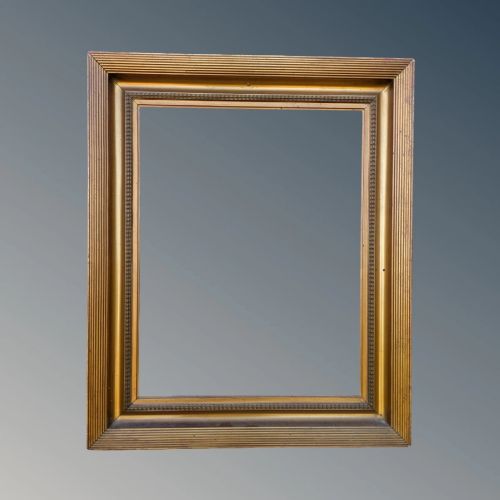
Surfaces are prepared with gesso before being finished with gold leaf or gilt wood applications to create the characteristic metallic sheen. Many frames feature intricate moulded or carved details characteristic of rococo revival, Renaissance style or classical designs.
The artworks themselves utilise traditional media including oil on canvas or board, watercolour, mixed media and tempera on wood panels. Glass is frequently used to protect paper works, watercolours and delicate book cover bindings.
Materials documented across the inventory include solid wood, gesso, glass, canvas, paper and traditional gold leaf.
Assessing quality and craftsmanship
Quality in gilded wooden framed art rests on the depth of hand-carving in the wooden moulding and the skill applied during the gilding process. Fine pieces display crisp gesso work and well-preserved gold leaf that retains its luminosity without excessive modern interference.
The integration between the artwork and its frame contributes significantly to the overall merit of the piece. Original pairings where the frame complements the painting or mirror plate demonstrate greater harmony than later marriages of convenience.
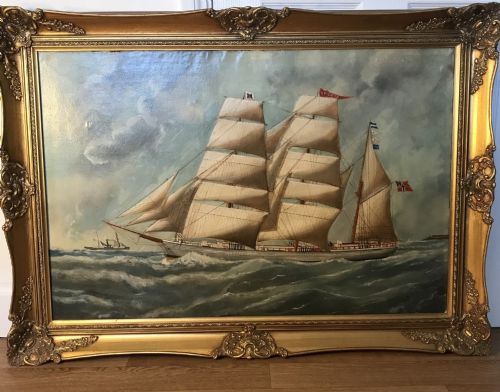
The execution of the central artwork, whether a detailed marine oil painting, a portrait or an icon on wood panel, dictates the baseline importance of the object. Masterful brushwork and strong provenance elevate an item far above standard decorative examples.
Thomas Barker of Bath·Joseph H Barnes·Sir Peter Markham Scott·Icilio Federico Joni·George E Sharpe·Alfred John Bouchette·J. E. Waller·John Falconar Slater·Albert de Belleroche·William Woodhouse·Kershaw Schofield
The Gilded Wooden Framed Art Glossary
- Gesso
- A plaster mixture applied to wood frames to create a smooth, absorbent base for gilding. It is often modelled or stamped to form raised decorative patterns before the gold leaf is laid.
- Gold leaf
- Extremely thin sheets of beaten gold used to cover wooden frames and panels. It creates a warm, reflective surface that patinates gradually over time.
- Gilt wood
- Wood that has been coated with gold leaf or a gold-coloured metallic finish. This technique enhances the decorative impact of picture frames and mirrors.
- Tavolette
- Painted wooden panels, frequently used for book cover bindings in historical Italian contexts. They showcase detailed miniature artwork protected within wooden frames.
- Rococo revival
- A nineteenth century design style characterised by asymmetrical scrollwork, naturalistic floral motifs and exuberant ornamentation. It heavily influences many frames and mirrors from this era.
Gilded Wooden Framed Art: Frequently Asked Questions
How do I care for gilded wooden frames?
Keep gilded wooden frames away from direct sunlight and sources of extreme heat to prevent the wood from warping and the gesso from cracking. Dust them gently with a soft, dry brush without applying liquid cleaning products.
Avoid rubbing the metallic surfaces, as vintage gold leaf can be delicate and easily worn away by abrasive cloths or chemical sprays.
Are the frames original to the paintings?
Some pieces retain their original period frames, while others have been paired with suitable antique surrounds over the years. Examining the fit, joinery and patination helps determine whether the frame and artwork share the same history.
Listings generally specify the nature of the frame, allowing you to identify period-correct pairings versus later framing choices.
What is a tavolette book cover?
A tavolette is a painted wooden panel historically used for binding archival books, particularly in Sienese contexts. These decorated boards are frequently framed for display as standalone works of art.
They combine intricate miniature painting techniques with durable wooden construction, offering a distinct glimpse into historical book arts.
How do I identify nineteenth century frames?
Nineteenth century frames often feature distinct stylistic revivals such as Renaissance, rococo or classical moulding patterns. They frequently utilise composition ornament pressed onto wooden foundations beneath the gold leaf.
Close inspection of the corner joints, backboards and nail types provides further clues regarding the manufacturing period.