




Historical Genre Artwork
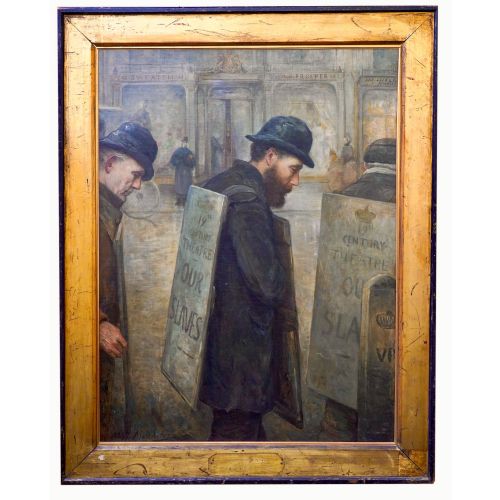
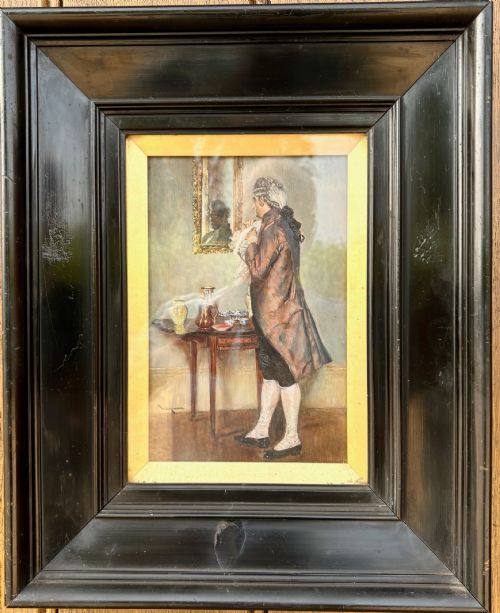
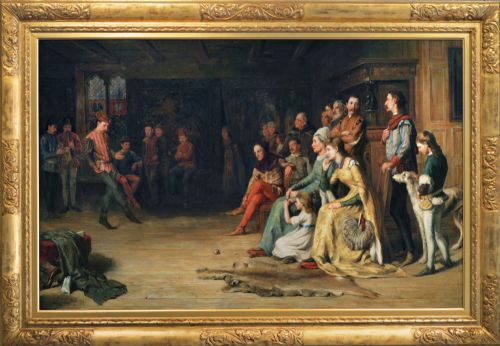
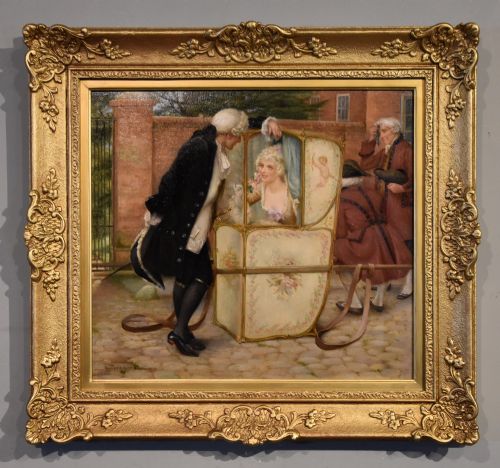
Historical genre artwork captures narrative domestic and dramatic scenes from past centuries, offering collectors a window into historical storytelling through paint and paper.
Historical Genre Artwork
Historical genre artwork depicts narrative scenes of daily life, domestic interiors, and historical episodes set in past eras. These pieces bridge portraiture and history painting by focusing on human stories rather than grand historical events alone.
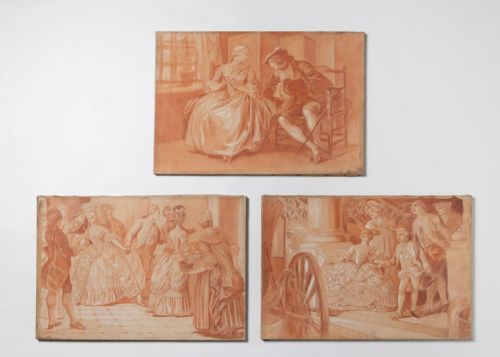
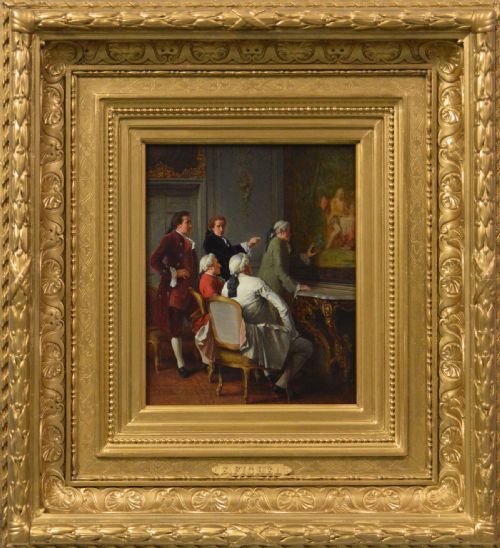
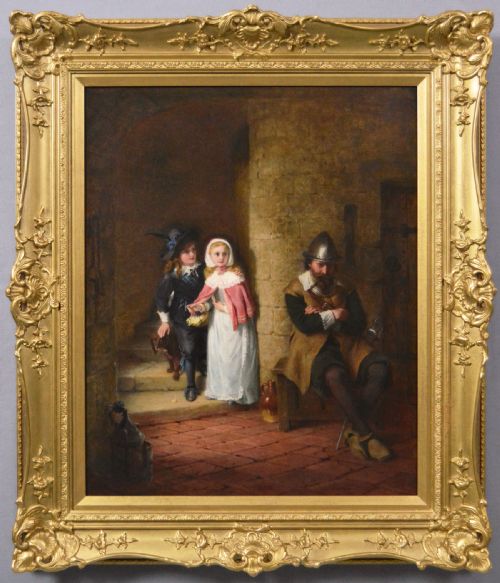
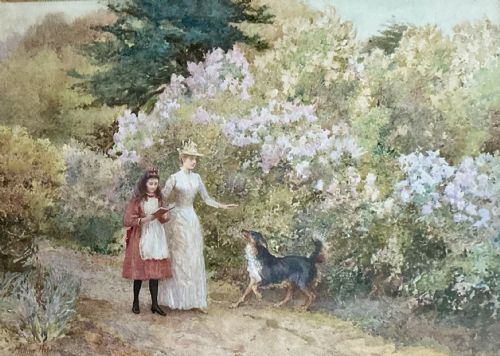
The selections available here lean heavily toward nineteenth-century oil paintings and watercolours on canvas, panel, and paper. Works range from intimate domestic vignettes to larger compositions showing gentlemen, cavaliers, and family groups.
Originating largely from British and European academic traditions, these paintings present finely detailed period costumes, domestic interiors, and architectural settings. Buyers meet everything from quiet fireside scenes to elaborate historical encounters.
How They Were Made
Artists built these compositions primarily using oil paint on canvas or wooden panel, alongside watercolours applied to paper. Canvas supports allowed for larger historical canvases, while panels provided a rigid, smooth surface for minute academic detail.
Frames often consisted of carved and gilded wood, known as giltwood, designed to complement the academic weight of the paintings. Watercolour works relied on precise washes and fine pen or ink detailing beneath glass and frame mounts.
Listings span periods from the seventeenth century through the Victorian era up to the 1930s, executed in oil and watercolour.
What Varies in Quality
Quality rests in the precision of figurative draftsmanship and the psychological expression captured in the faces of the subjects. Master hands render costume textures, interior light, and narrative tension with convincing depth.
The handling of narrative detail distinguishes superior compositions from standard studio pieces. Where lesser works rely on stiff figures and formulaic staging, finer examples integrate setting, costume, and lighting into a cohesive dramatic moment.
Felix Stone Moscheles·W.D. Almond·James Hamilton·Delapoer Downing·Johann Hamza·Benjamin Eugene Fichel·George Bernard O'Neill·John Watkins Chapman·Arthur Hopkins·John Robert Dicksee·Robert Alexander Hillingford·Edwin Hughes·Alfred Holst Tourrier·Frank Moss Bennett·Heywood Hardy·Henry Spernon Tozer·Rolinda Sharples·Christoffel Bisschop·Willem Johannes Martens·Marcel Brunery·Henry Charles Bryant·Walter Dendy Sadler·James Bertrand·Arthur David Mccormick·Adolphe-Alexandre Lesrel
The Historical Genre Artwork Glossary
- Genre painting
- A pictorial representation of scenes from everyday life, typically involving ordinary people engaged in domestic activities or social pastimes. These works avoid grand mythological or historical themes in favour of relatable human moments.
- Academic historicism
- An artistic style grounded in the rigorous training of nineteenth-century European art academies, focusing on accurate historical costume, setting, and narrative detail. Painters operating in this mode researched past eras meticulously.
- Oil on panel
- A technique where pigment mixed with drying oil is applied to a prepared wooden board rather than woven canvas. This surface permitted exceptional crispness in figurative detail.
- Giltwood
- Timber carved and coated with a thin layer of gold leaf or metallic gilt, commonly utilised for nineteenth-century picture frames. These frames frequently match the period and aesthetic weight of the artwork they enclose.
- Watercolour painting
- An artwork created by applying pigments suspended in a water-soluble vehicle onto paper supports. This medium allowed artists to produce rapid preparatory studies as well as finished exhibition watercolours.
Historical Genre Artwork: Frequently Asked Questions
What is historical genre artwork?
Historical genre artwork depicts narrative scenes of everyday life and dramatic human interactions set in past eras. These pieces combine storytelling with accurate period costume and interior detail.
They serve as visual records of how nineteenth-century artists imagined historical domesticity, leisure, and social encounters.
How were these paintings displayed?
These works were traditionally framed in ornate giltwood and hung in domestic drawing rooms, galleries, and stately homes. Their detailed narratives were designed to invite close viewing and conversation among visitors.
Today, they suit traditional interiors, libraries, and period studies where their rich academic tones complement antique furnishings.
How do I care for oil and watercolour pieces?
Oil paintings on canvas or panel require stable indoor humidity and protection from direct sunlight to prevent cracking or fading. Dusting should be done gently with a soft, dry brush.
Watercolour paintings on paper must be kept behind protective glass away from direct ultraviolet light to preserve the pigments and paper integrity.
How can I tell a watercolour from an oil painting?
Oil paintings feature textured brushstrokes and pigment layers applied to canvas or wooden panels, often possessing a subtle sheen. They are typically heavier and do not require glass protection.