


Romantic Era Painting
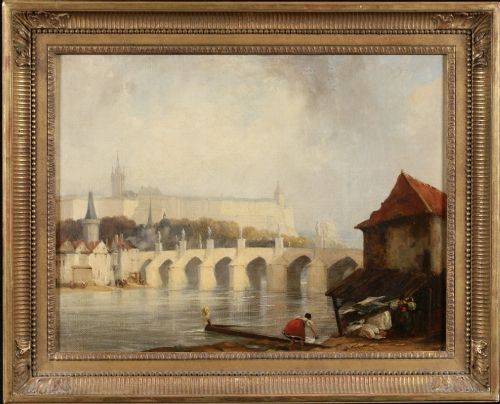
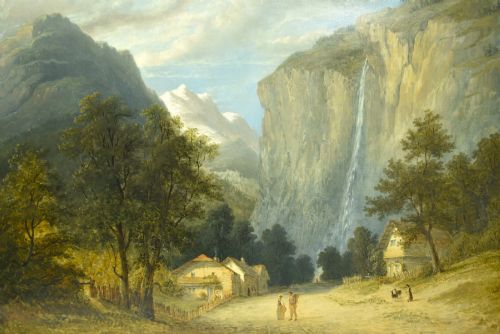
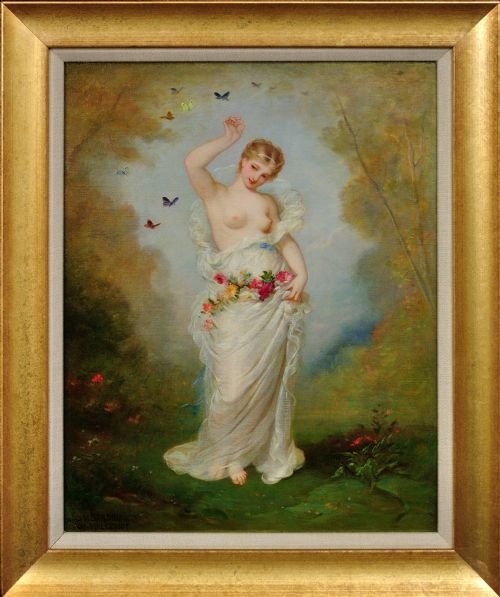
When you search for a romantic era painting, you encounter nineteenth-century canvases and watercolours capturing dramatic landscapes, quiet pastoral scenes and intimate portraits.
Romantic Era Painting
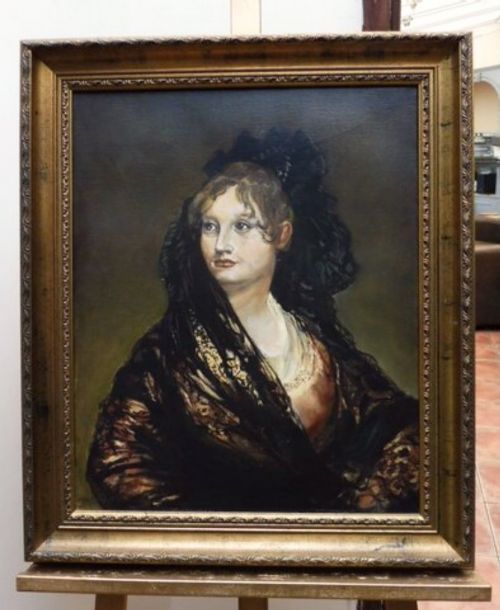
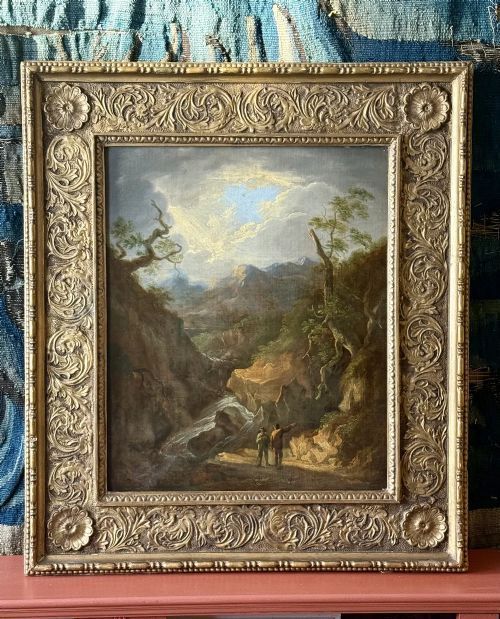
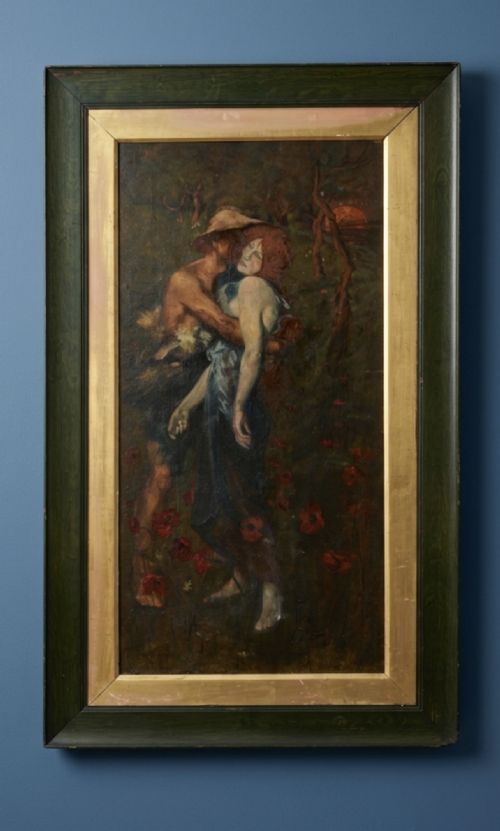
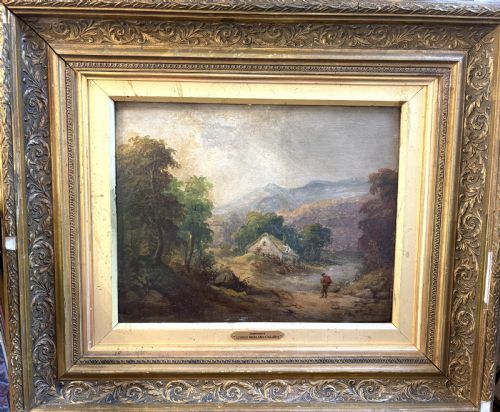
A romantic era painting typically takes the form of an oil on canvas or watercolour depicting subjects ranging from Swiss waterfalls and alpine lakes to Scottish castles, stormy seas and intimate figure studies. These works span the Georgian, Victorian and nineteenth-century periods, capturing the movement's fascination with nature, emotion and historic or mythic themes.
The pieces appearing on this page include large continental landscapes, delicate watercolours, portraits of ladies and dramatic seascapes. They represent both named artists of the British, French and Spanish schools and unsigned works by contemporary practitioners working within 19th Century Romanticism and pastoral styles.
How they were made
Makers utilised oil paint and watercolour applied to canvas, wood panels, board and paper. Many works retain their period frames constructed from giltwood, gesso and wood, which occasionally display elaborate ornamentation or square proportions suited to nineteenth-century display conventions.
Techniques range from academic precision in portraiture to looser, more expressive brushwork in landscape and seascape painting. Artists built up depth through layered oil paint or applied transparent washes of watercolour to achieve atmospheric effects such as moonlight on water or storm-lit skies.
Several canvases capture the fierce loyalty of fighting dogs and the calm grazing of ponies near coastal shores.
What varies in quality
The standard of a romantic era painting rests upon the handling of light, atmosphere and narrative tension within the composition. Stronger examples demonstrate confident brushwork, balanced spatial depth and expressive characterisation, whether depicting a tranquil river scene or a dramatic shipwreck.
Condition and originality also influence the standing of a piece, particularly the preservation of the painted surface, the stability of the canvas or paper support, and the presence of an original period frame.
Francisco Jose de Goya y Lucientes·Benjamin Barker of Bath·George Morland·Eugene Joseph Verboeckhoven·Abraham Hulk Snr·August Heinrich Riedell·James Bell Anderson·Franz Xaver Winterhalter·Frederick Richard Lee·James Ward·Ludwig Hermann·Samuel Lawrence·Leon Girardet·Robert Thomas Buttery·Julius Caesar Ibbetson
The Romantic Era Painting Glossary
- Romanticism
- An artistic and intellectual movement originating in the late eighteenth century that emphasised emotion, individualism and the awe-inspiring power of nature. It prioritized subjective experience and dramatic subjects over classical restraint.
- Oil on Canvas
- A traditional painting medium where pigments are suspended in drying oils and applied to a stretched fabric support. This technique allowed artists to achieve rich colours, subtle blending and textured surfaces.
- Watercolour Painting
- A method where water-soluble pigments are applied to paper to create translucent washes of colour. It was widely utilised during the nineteenth century for both finished works and preliminary landscape studies.
- Giltwood
- Wood carved and coated with gold leaf or a gold-coloured metallic finish to create ornate decorative frames. This material defined the presentation of fine art throughout the nineteenth century.
- Gesso
- A plaster-like mixture applied to wooden panels, frames or canvases as a base before painting or gilding. It provided a smooth, uniform surface for intricate moulding and decoration.
Romantic Era Painting: Frequently Asked Questions
What defines a romantic era painting?
These works are defined by their emotional intensity, atmospheric lighting and subjects drawn from nature, history and literature. They often feature dramatic landscapes, ruins, seascapes or intimate character studies.
Created primarily during the nineteenth century, the style reacts against classicism by celebrating the sublime and the picturesque aspects of the natural world.
How should I display a nineteenth-century oil painting?
Display these works on interior walls away from direct sunlight and significant temperature fluctuations to protect the canvas and oil paint. Adequate spacing allows the composition and period frame to be appreciated properly.
Many pieces are housed in their original giltwood or gesso frames, which complement the scale and character of the artwork.
What is the difference between oil and watercolour works?
Oil paintings utilise pigments bound in drying oil on canvas or board, allowing for rich impasto, deep shadows and extensive layering. Watercolours employ water-soluble pigments on paper, offering luminous transparency and delicate tonal gradations.
Both mediums were practiced concurrently during the period, suited to different scales and preparatory approaches.