




French Academic Fine Art
French academic fine art brings rigorous nineteenth-century studio craft and historical narrative straight to your walls.
French Academic Fine Art
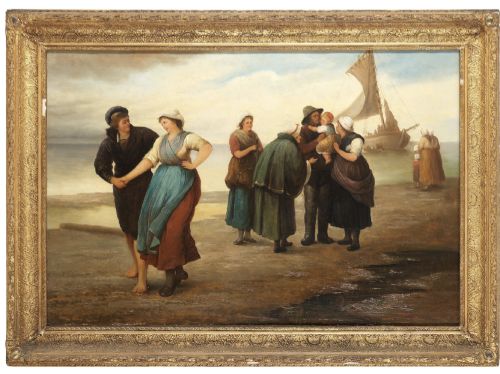
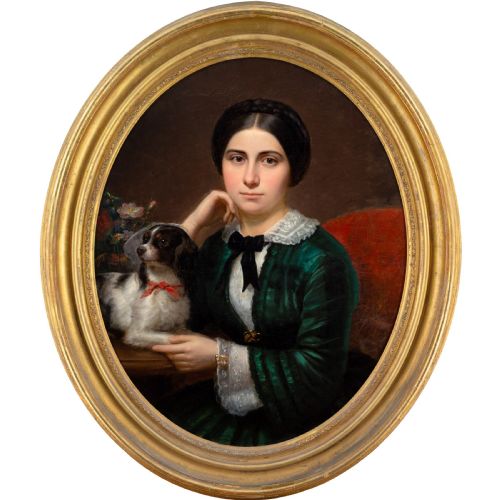
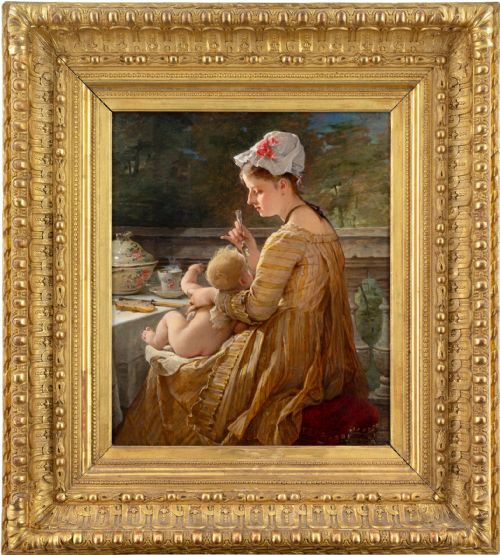
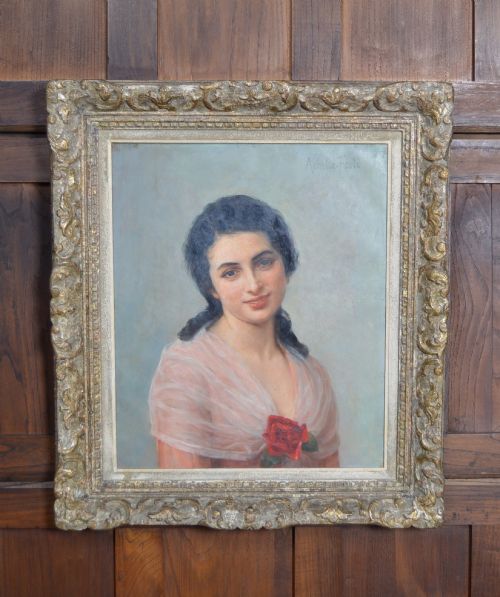
French academic fine art encompasses nineteenth-century oil paintings, portraits, drawings, and bronze sculptures rooted in rigorous atelier training. Buyers searching for french academic fine art encounter historical genre scenes, meticulous portraits, and classical figures dating from the eighteenth century through the early twentieth century.
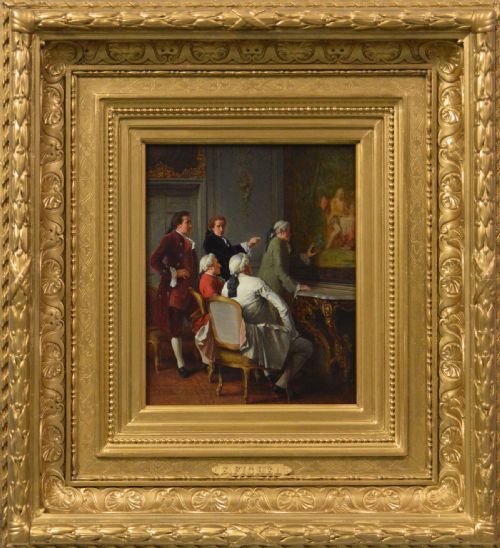
The selection on this page relies heavily on oil paintings on canvas or panel alongside bronze figures set in giltwood frames. Works span portraiture, genre scenes of domestic or historical life, and animal studies created by trained artists working within the academic tradition.
How they were made
Painters utilised oil on canvas and oil on panel, building up rich surfaces through careful brushwork and layered glazes. Sculptors cast figures in bronze, frequently finishing the metal with patination and mounting them upon fitted bases.
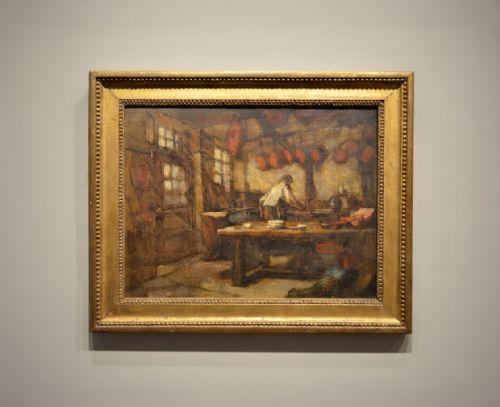
Framing played an integral role in presentation, with makers housing canvases in ornate gilt wood and gilded wood frames designed to complement the academic compositions.
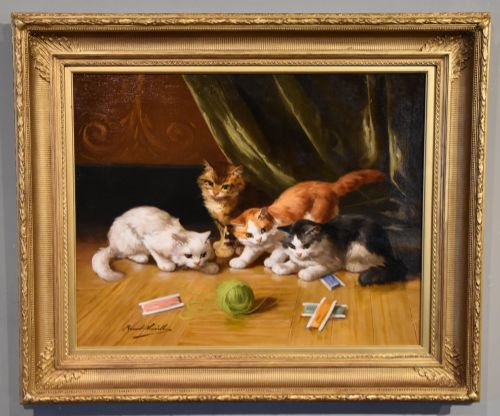
Kittens at play and goats carved in bronze prove that nineteenth-century academicians occasionally preferred furry models over grand historical figures.
What varies in quality
Quality rests upon the precision of draughtsmanship and the artist's ability to render anatomical detail, texture, and light realistically. Superior examples demonstrate confident brush control in oils or crisp chased detail in bronze sculpture.
The integrity of the original support, the preservation of the paint surface, and the retention of a period gilt frame contribute substantially to the standing of an individual piece.
Adelaïde Salles Wagner·Alfred Arthur Brunel de Neuville·Julien Lorieux·Benjamin Eugene Fichel·Charles Zacharie Landelle·Thomas Couture·Fernand Jean Barbier·Paul Leon Jazet·Théophile Emmanuel Duverger·Paul Viry·Pauline Delacroix Garnier·James Bertrand·Adolphe Alexandre Lesrel·Jules Girardet·Jules Le Roy·Louis Ernest Barrias·Cecil CP Lawson
The French Academic Fine Art Glossary
- Academic Realism
- A style of painting and sculpture that combines realistic depiction with the idealistic aesthetics and historical subject matter taught in official art academies.
- Oil on Panel
- A painting executed on a wooden board or rigid panel rather than stretched canvas, often offering a smooth ground for fine detail.
- Genre Painting
- Artwork depicting scenes from everyday life, historical moments, or domestic interiors rather than formal portraiture or landscape.
- Gilt Wood
- Wood carved and covered with a thin layer of gold leaf or metallic gilt, commonly used for nineteenth-century picture frames.
- Patination
- The surface coloration or sheen developed on bronze sculpture over time or applied intentionally by the foundry or artist.
French Academic Fine Art: Frequently Asked Questions
What defines French academic art?
French academic art refers to works produced under the influence of the French academies of art, particularly the Académie des Beaux-Arts in Paris. These pieces adhere to strict standards of composition, draughtsmanship, and classical or historical subjects.
Such works showcase rigorous training through precise anatomy, polished surfaces, and narrative depth.
Are these paintings always on canvas?
While canvas is the primary support for many nineteenth-century works, artists also painted on wooden panels. Both oil on canvas and oil on panel appear frequently in this tradition.
Each support method provides a different surface texture for the application of oil pigments.
How do I care for antique oil paintings?
Antique oil paintings require stable indoor humidity and temperature away from direct sunlight and heat sources. Dusting should be done gently with a soft, dry brush without applying pressure to the canvas.
Professional conservation should be sought for any cleaning or repair to the paint layer or gilt frame.
What subjects appear in these sculptures?
Bronze sculptures from this period often depict mythological figures, historical subjects, and animal studies. Figures such as hunters, maidens, and goats are rendered with detailed musculature and patination.
These pieces reflect the sculptural standards taught in European ateliers.