


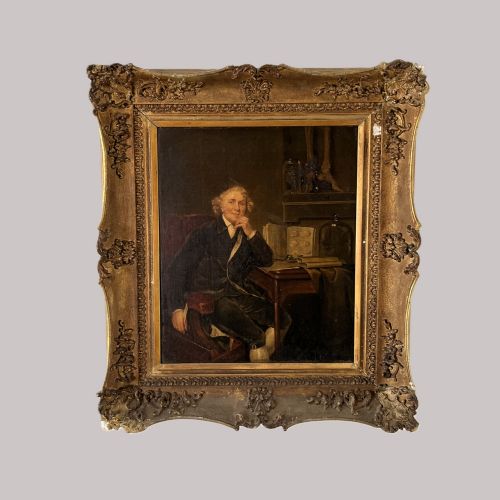
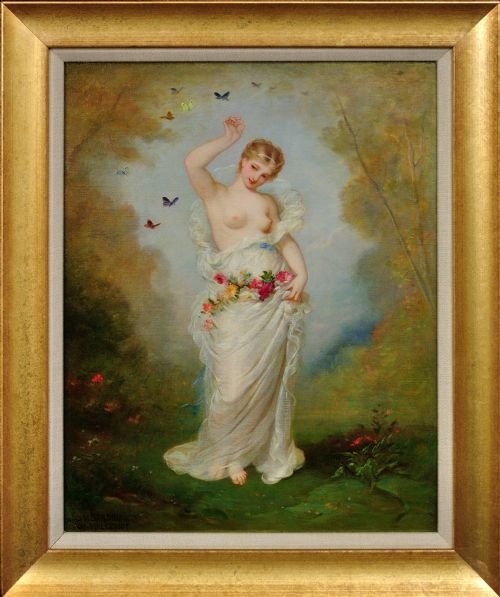


Academic Style Painting
An academic style painting brings rigorous nineteenth-century studio craft, historical narrative and portraiture into a room.
Academic Style Painting
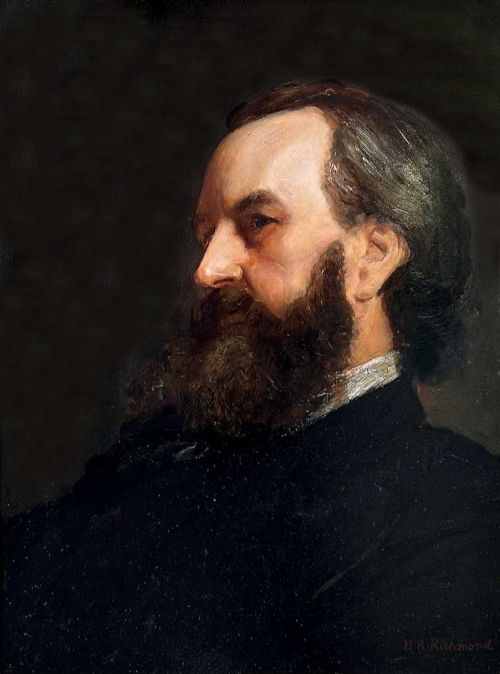
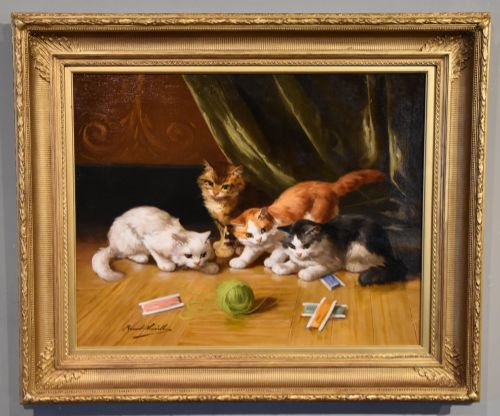
When you search for an academic style painting, you encounter nineteenth-century canvases, portraits, and historical genre scenes originating from European and British traditions. These works display meticulous draughtsmanship and formal composition rooted in official art school instruction.
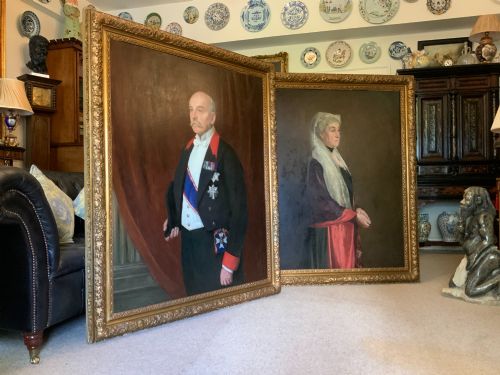
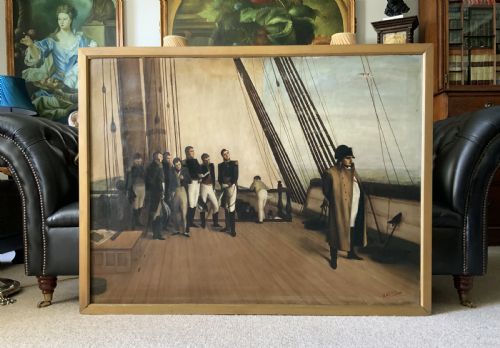
You are most likely to meet Victorian and continental examples depicting figures, maritime subjects, mythological themes, and still life arrangements. The selection spans portraits of gentlemen and ladies alongside narrative scenes painted with disciplined realism.
Makers represented on this page include named artists such as William Blake Richmond, Alfred Arthur Brunel de Neuville, Johann Hamza, André Charles Voillemot, Alfred Holst Tourrier, August Heinrich Riedell, Marcel Brunery, James Bertrand, Adolphe Alexandre Lesrel, Pierre-Louis Bouchard, and William Dring.
Materials and Technique
The works on this page utilise oil paint applied to stretched canvas or wood panels, capturing fine tonal gradations and realistic textures. Painters built their images through careful layers of pigment to achieve lifelike skin tones, fabrics, and interior light.
Many canvases are housed within elaborate giltwood frames adorned with gesso and gold leaf detailing. These surrounds complement the formal nature of the paintings and reflect nineteenth-century framing conventions.
Listings feature oil paintings on canvas and wood panels alongside framed giltwood artworks spanning the nineteenth and early twentieth centuries.
Qualities of Execution
Quality rests in the precision of the drawing, the handling of light and shadow, and the psychological depth of the subject. Masterful brushwork distinguishes a compelling portrait or narrative scene from a routine studio production.
The integrity of the canvas and the preservation of the original oil pigment dictate the visual strength of the piece. Period frames with intact gesso enrichment also contribute to the overall integrity of the artwork.
William Blake Richmond·Alfred Arthur Brunel de Neuville·Johann Hamza·André Charles Voillemot·Alfred Holst Tourrier·August Heinrich Riedell·Marcel Brunery·James Bertrand·Adolphe Alexandre Lesrel·Pierre-Louis Bouchard·William Dring
The Academic Style Painting Glossary
- Academic Realism
- A style of painting produced under the influence of European academies of art, emphasising traditional techniques, mythological or historical subject matter, and polished realism.
- Genre Painting
- The pictorial representation of scenes from everyday life, typically involving ordinary people engaged in common activities, domestic interiors, or social interactions.
- Gesso
- A plaster-like mixture used as a base for moulding ornamental details on wooden picture frames before gilding.
- Giltwood
- Wood that has been treated with gold leaf or a gold-coloured finish, common in traditional frame construction.
Academic Style Painting: Frequently Asked Questions
What is academic style painting?
Academic style painting refers to works created under the strict teaching methods of European art academies during the nineteenth and early twentieth centuries. These pieces prioritise anatomical accuracy, narrative depth, and technical finish.
The subjects often draw from history, classical mythology, portraiture, and domestic genre scenes, reflecting the formal standards expected by official institutions and exhibitions of the period.
How should I hang an oil painting?
Display oil paintings on sturdy walls away from direct sunlight and significant temperature fluctuations. Proper picture hooks suited to the weight of the canvas and its heavy giltwood frame are essential for secure placement.
Position the centre of the canvas at eye level to ensure optimal viewing of the fine brushwork and compositional balance characteristic of nineteenth-century works.
How do I care for canvas paintings?
Maintain canvas paintings by keeping them in stable indoor environments with moderate humidity. Dust the surface and the carved gesso frames gently with a soft, dry brush.
Avoid using water or cleaning solutions on the paint or gold leaf. Consult a professional conservator if the canvas requires cleaning or structural reinforcement.
How are periods told apart?
Distinguishing periods involves examining the clothing, interior furnishings, and stylistic cues within the artwork. Victorian and nineteenth-century canvases often feature formal attire, narrative moralizing, and theatrical staging.
Later works from the early twentieth century may reveal looser brushwork or shifts in palette while maintaining traditional academic composition and figure drawing.