


Antique Duck Painting
When you search for an antique duck painting, you are tracking down oils, watercolours and folk carvings that capture waterfowl across the Georgian, Victorian and Edwardian eras.
Antique Duck Painting
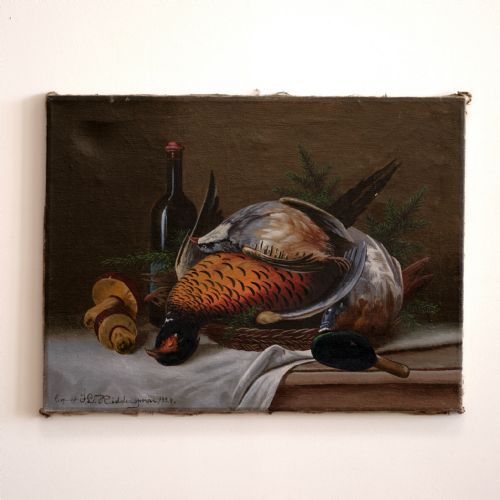
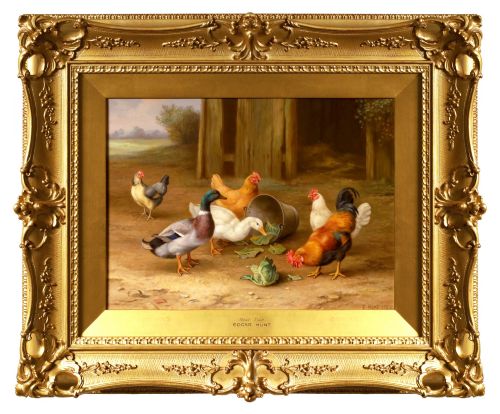
An antique duck painting brings pastoral riversides, farmyards and rural shooting scenes into focus through works rendered in oil on canvas, wood panel and watercolour. These pieces span centuries from the eighteenth onwards, recording bird life alongside domestic animals and figures in English and continental landscapes.
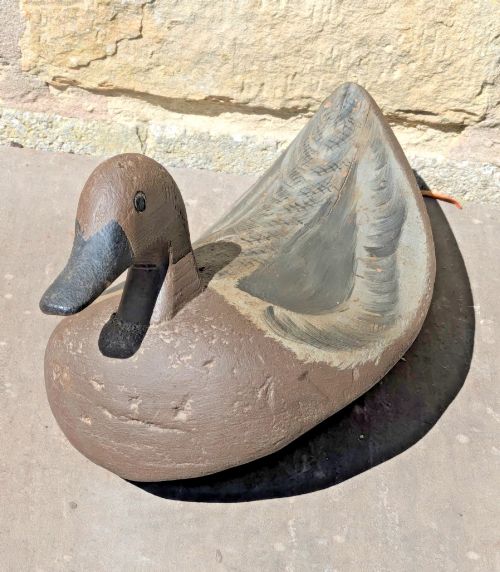
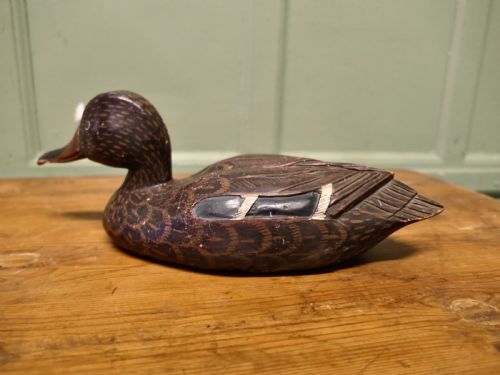
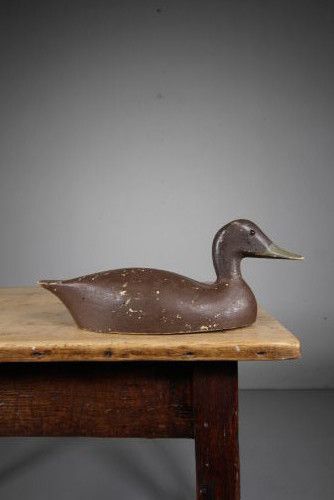
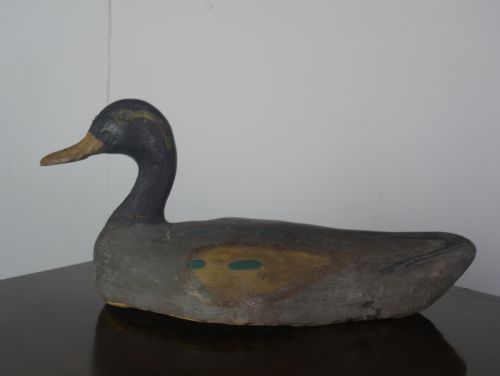
Beyond framed canvases, this search encompasses carved and painted wooden decoys from the 1900s alongside ceramics and bronzes depicting drakes and ducklings. Buyers meet everything from large sporting art to small folk carvings created across the Victorian and Edwardian periods.
How they were made
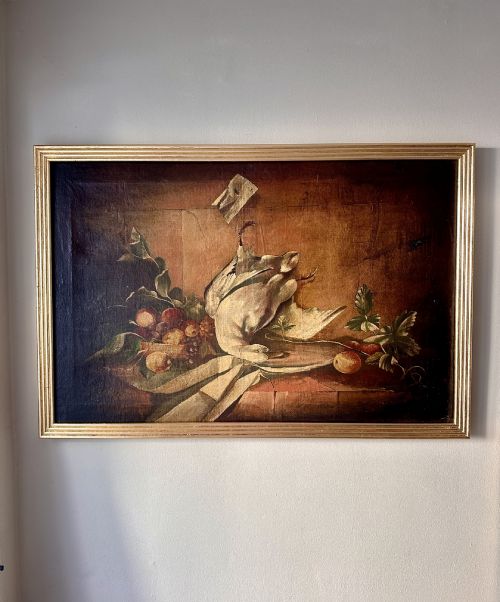
Artists built these oils using pigment on stretched canvas and wood panels, often housing finished works in heavy giltwood frames. Watercolours utilised paper supports, sometimes combining gouache to capture riverbanks and cottage ponds.
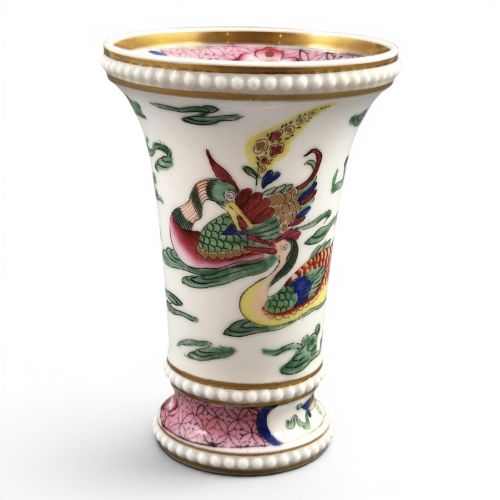
Decoys and sculptural studies relied on shaped wood and metal, finished with hand-applied paint to render natural plumage. Potters utilised ceramic bodies decorated with hand-painted glazes for vases, spill vases and decorative plates.
Antique Duck Painting Retail Price Guide 2026
Typical asking prices for duck painting among the pieces listed under this phrase on Sellingantiques today, from the lower quarter to the upper quarter. They describe what is for sale here now, not the wider market.
Listings feature oil paintings, watercolours, carved wooden decoys, bronze studies and hand-painted ceramics across Georgian, Victorian and Edwardian periods.
What varies in quality
The sophistication of the brushwork and the precision of the avian anatomy separate standard rural scenes from works by established nineteenth-century animalier painters. Compositional balance within the landscape and the integration of light across water elevate certain canvases above decorative repetition.
Carved wooden decoys demonstrate variation through the depth of tool marks, the symmetry of the body and the subtlety of the layered paint surface. Sculptural bronzes and ceramics rely on the crispness of the cold painting and the fidelity of the cast.
Edgar Hunt·John Frederick Herring Jnr·Philipp Ferdinand de Hamilton·George Armfield·Percival Glenfern·John Frederick Herring·George Kilburne·Claude Cardon·Arthur Walker Redgate·Thomas Blinks·Constant Ludovic Artz·Alfred Banner·David Adolph Constant Artz·F Garnett·Singleton Jowett·Alfred Augustus Glendening·Thomas James Lloyd·John Falconer Slater
The Antique Duck Painting Glossary
- Decoy
- A carved and painted wooden float or sculpture originally utilised to lure waterfowl. Makers shaped these from timber before applying detailed brushwork to mimic plumage.
- Animalier
- Art focusing on the faithful representation of animals. This style flourished in the nineteenth century among painters who specialised in farmyard and sporting subjects.
- Giltwood
- Wood carved and coated with gold leaf or a gold-coloured finish. This material frequently frames nineteenth-century oil paintings.
- Spill vase
- A small hollow ceramic vessel placed on mantelpieces to hold spills for lighting fires. Examples often featured hand-painted bird motifs.
- Watercolour
- A painting method where fine pigment is suspended in a water-based solution. Works on paper capture translucent effects across river landscapes.
Antique Duck Painting: Frequently Asked Questions
What periods do these paintings come from?
The works span from the eighteenth century through the Georgian, Victorian and Edwardian eras up to the early twentieth century. Painters and carvers worked across these periods to record rural scenes.
Most items seen on the market date from the nineteenth and early twentieth centuries, reflecting the high popularity of pastoral and sporting subjects during those decades.
How were wooden decoys used?
Carved wooden decoys served a practical function on rivers and lakes to attract wild ducks for hunting. Craftsmen shaped the timber and painted the surface to mimic live birds.
Over time, many of these working objects transitioned into decorative folk art displayed within homes for their sculptural form.
What materials appear in these artworks?
Paintings utilise oil on canvas or wood panel, alongside watercolours and gouache on paper. Many are housed in original giltwood frames.
Three-dimensional pieces incorporate carved wood, metal such as cold-painted bronze, and ceramic bodies finished with hand-painted glazes.