


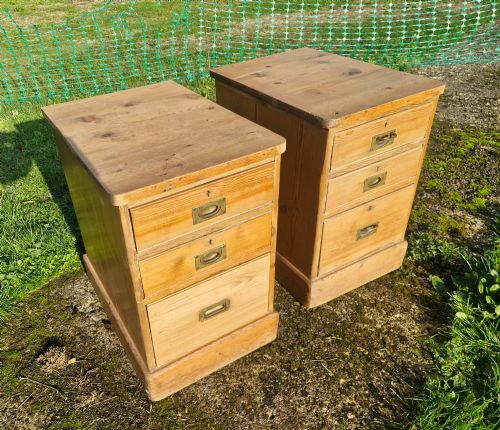
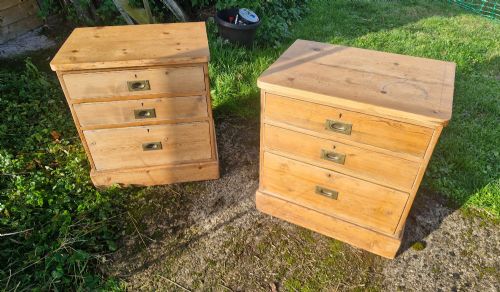
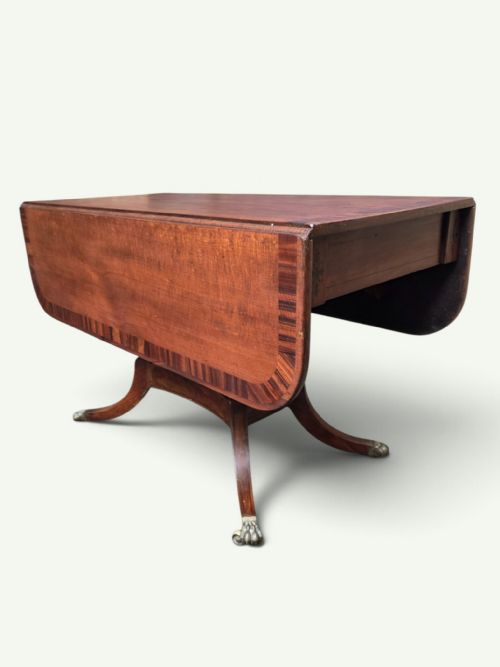
Antique Drawer Table
An antique drawer table combines a practical surface with concealed storage, offering enduring utility for daily domestic life.
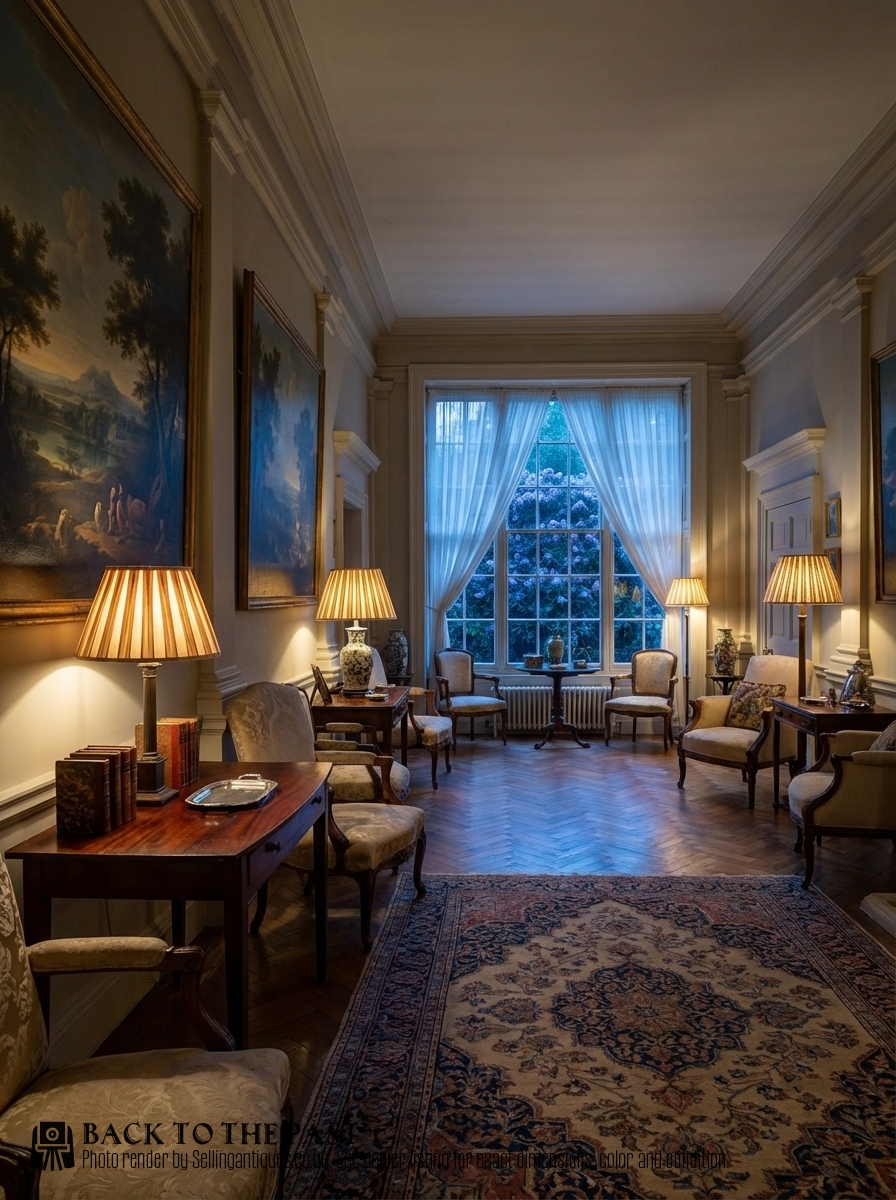
Antique Drawer Table
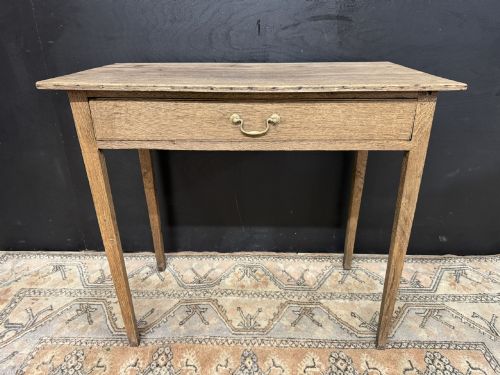
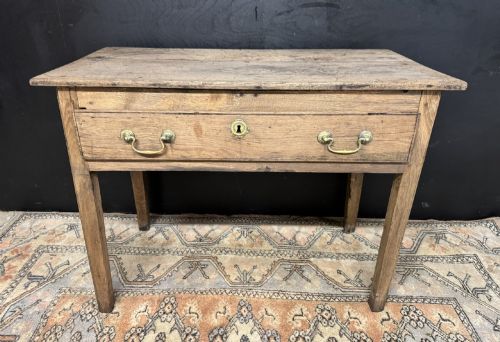
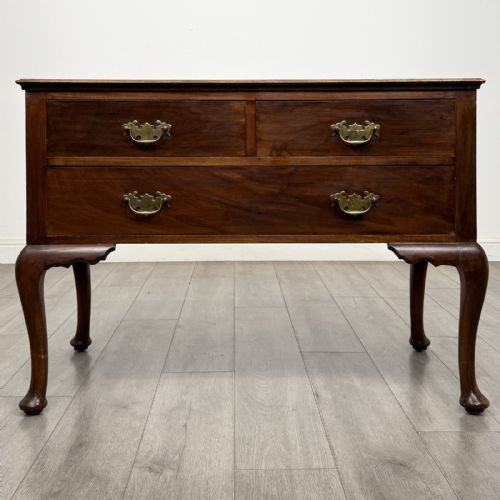
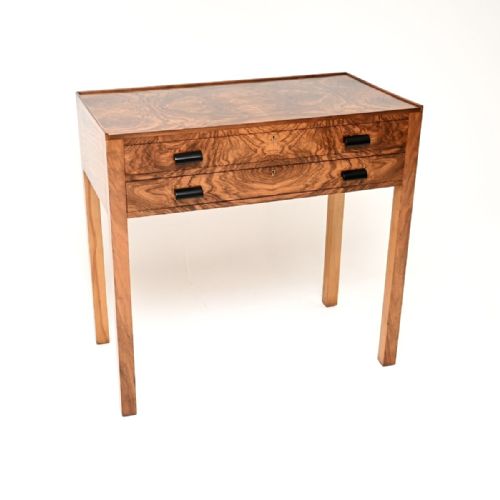
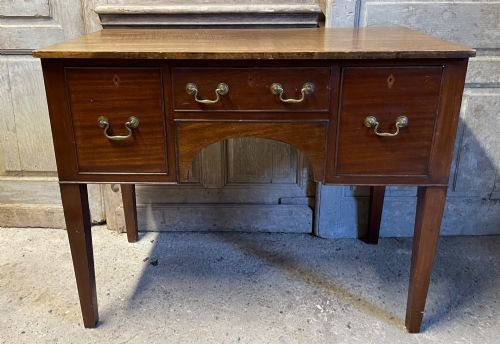
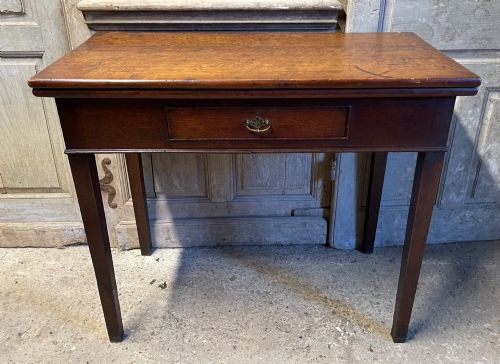
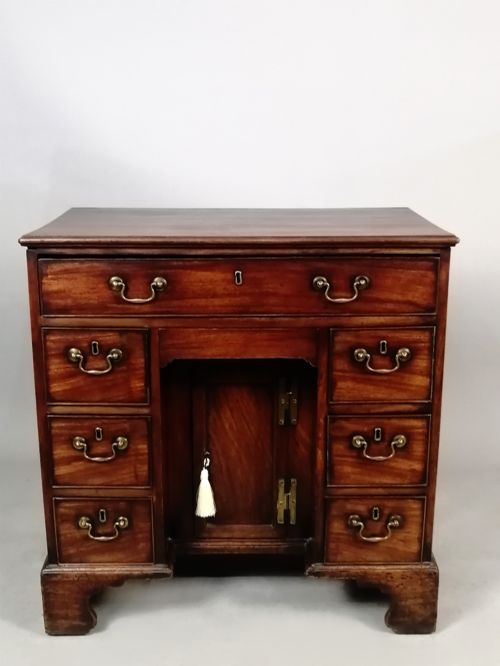
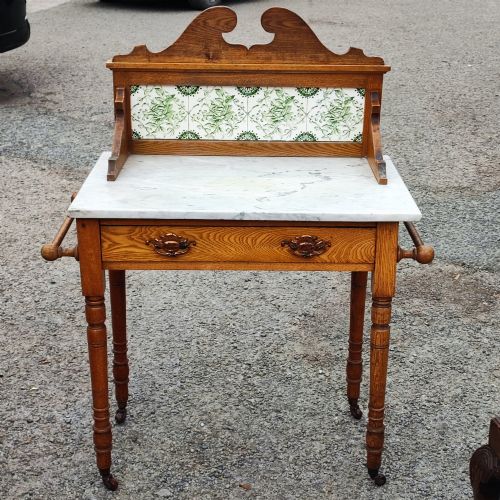
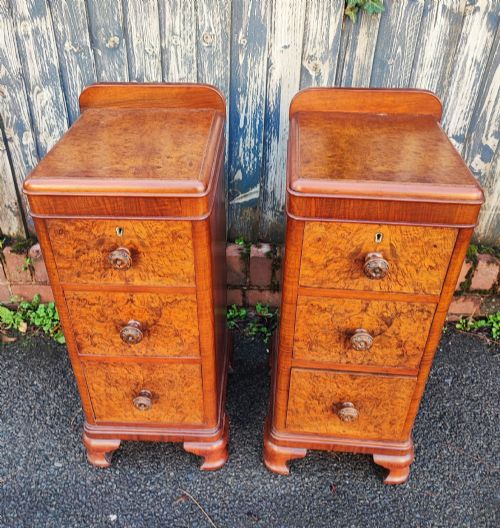
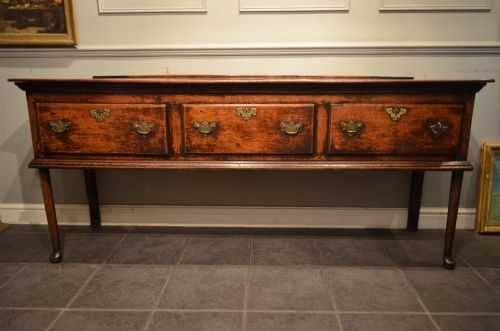
An antique drawer table serves primarily as a side table, occasional table, or writing desk, integrating one or more drawers beneath the top surface. These pieces span multiple centuries and design idioms, originating from provincial workshops as well as more formal urban settings.
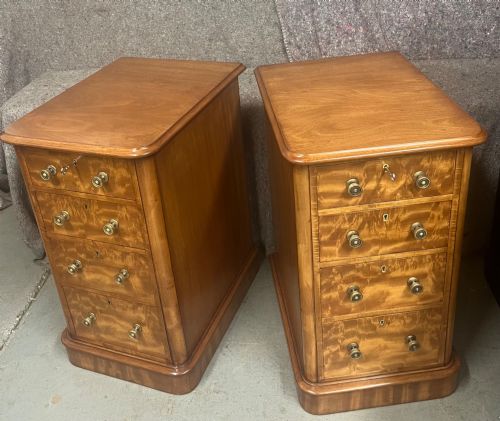
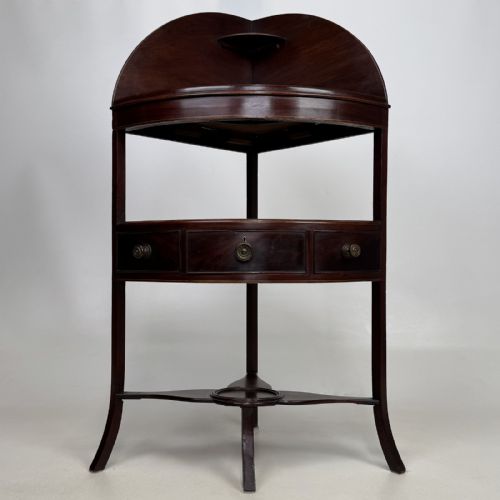
The current selection leans towards compact side tables and writing desks, predominantly represented by George III, Regency, and Edwardian examples. Materials range from dense hardwoods like mahogany and walnut to robust timbers such as oak, elm, and pine.
Earlier iterations from the eighteenth century show distinct regional character, while later Victorian and Edwardian pieces often incorporate refined details such as reeded legs or brass hardware. Buyers encounter formats varying from single-drawer side tables to larger partners desks and kitchen tables equipped with end drawers.
Materials and Construction
Cabinet makers utilised solid timbers including mahogany, walnut, oak, elm, and pine, selecting each wood for its structural integrity and grain pattern. Drawer linings frequently employ secondary timbers, assembled with traditional jointing methods to ensure durability over centuries of use.
Hardware elements such as brass handles and pulls complement the primary timber, whilst secondary materials like leather inserts appear on writing surfaces. Surface finishes rely on traditional polishing techniques that highlight the natural figure and colour of the wood.
Antique Drawer Table Retail Price Guide 2026
Typical asking prices for drawer table among the pieces listed under this phrase on Sellingantiques today, from the lower quarter to the upper quarter. They describe what is for sale here now, not the wider market.
Distinctions in Manufacture
Superior examples demonstrate precision in the joinery of the drawer frames and the smooth operation of the runners, reflecting the skill of the original maker. The choice of primary timber and the retention of original brass hardware and surface finishes dictate the standing of a piece.
Proportion and restraint in design separate finer workshop productions from utilitarian items, where balanced dimensions and thoughtful timber selection elevate the object beyond simple utility.
The Antique Drawer Table Glossary
- Side table
- A small table designed to stand against a wall or beside seating, frequently incorporating one or more drawers.
- Partners desk
- A large writing table designed with drawers on opposing sides to accommodate two users simultaneously.
- Reeded legs
- Vertical rounded mouldings carved into furniture legs, common in Regency and late eighteenth-century design.
- Crossbanding
- A strip of veneer applied to the borders of a table top, arranged so the grain runs perpendicular to the central panel.
- Oak
- A durable hardwood utilised extensively in English furniture making for its strength and distinct grain character.
Antique Drawer Table: Frequently Asked Questions
How were these tables used originally?
These tables functioned as versatile surfaces for writing, serving, or general household tasks, with the built-in drawer providing convenient storage for papers, cutlery, or small utensils.
In domestic interiors, they moved easily between hallways, parlours, and bedrooms depending on the household requirements of the period.
How do I identify a George III piece?
George III pieces typically exhibit classical proportions, precise mahogany or oak construction, and restrained decorative elements such as straight or tapered legs.
Examining the secondary wood inside the drawer and the method of dovetailing helps confirm the period of manufacture.
Are these tables suitable for modern daily use?
Their sturdy construction from dense hardwoods makes them well suited for contemporary living spaces as lamp tables, desks, or hall consoles.
The added storage capacity of the drawers provides practical utility without sacrificing floor space.
What distinguishes oak tables from mahogany ones?
Oak tables generally present a rustic, heavy grain structure associated with earlier country and provincial pieces, whereas mahogany offers a smoother, darker surface favoured in formal urban settings.
Each timber dictates the overall visual weight and stylistic era of the furniture.