
Antique Double Cupboard
An antique double cupboard provides substantial storage through paired doors, uniting practicality with the varied craftsmanship of Georgian, Victorian and Edwardian periods.

Antique Double Cupboard
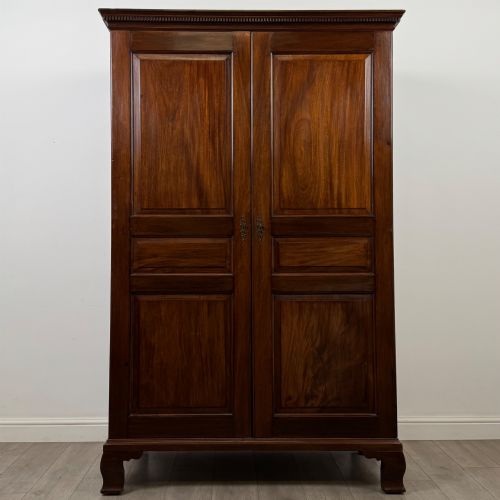
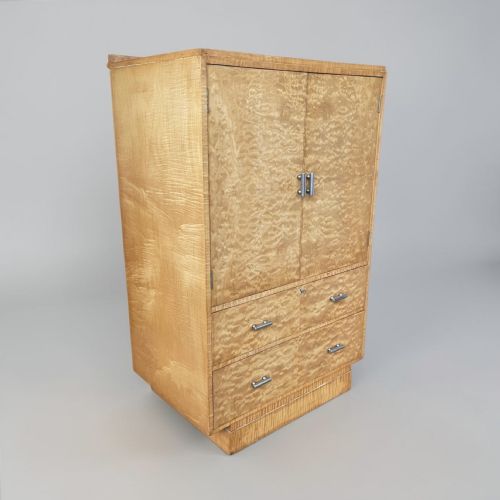
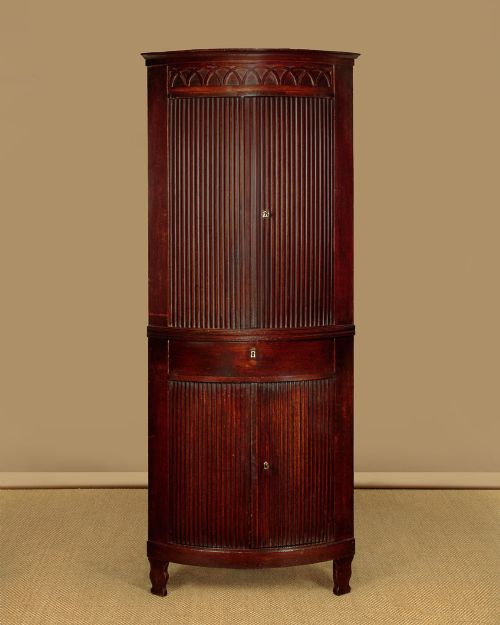
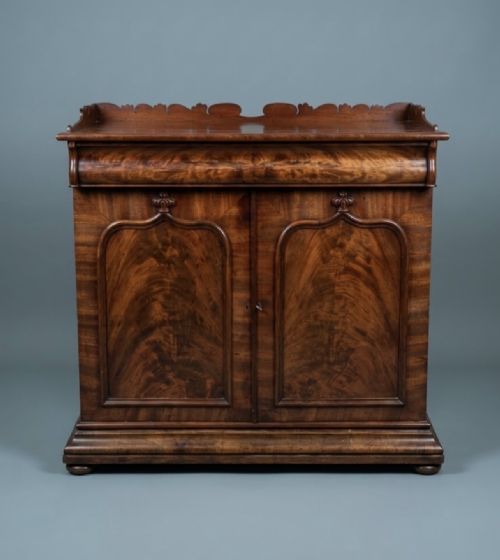
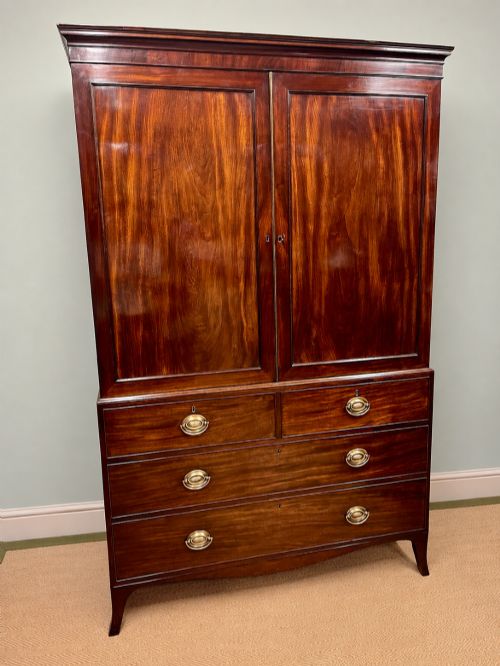
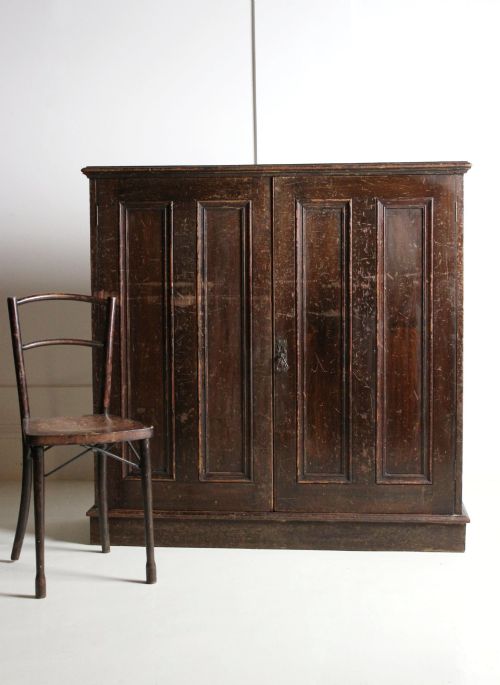
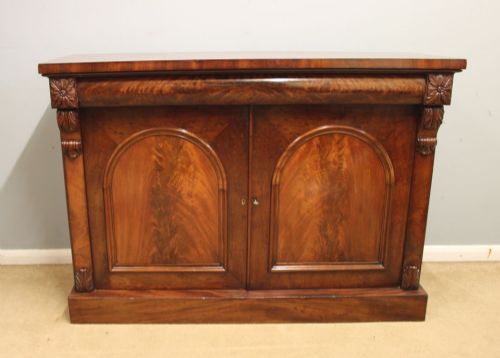
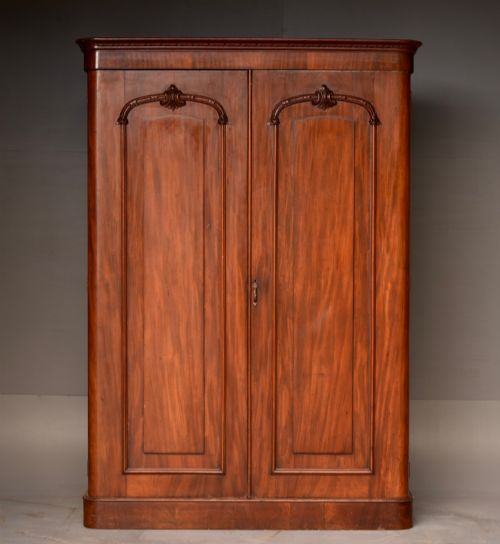
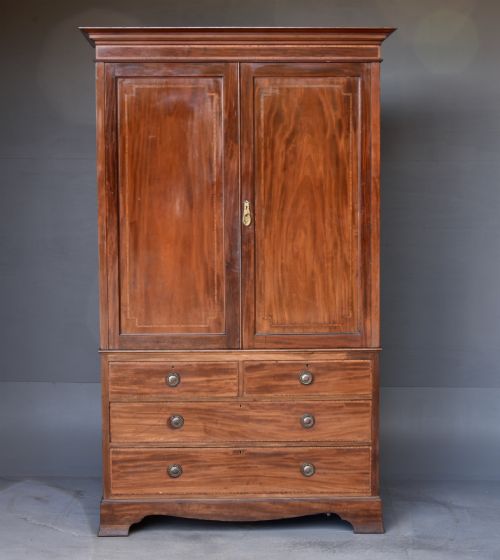
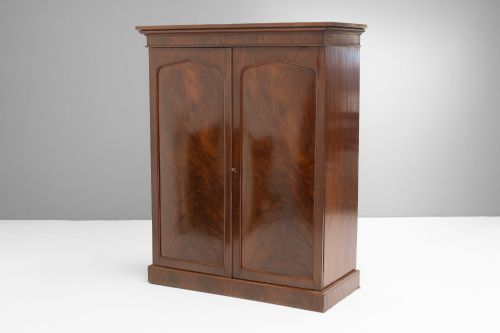
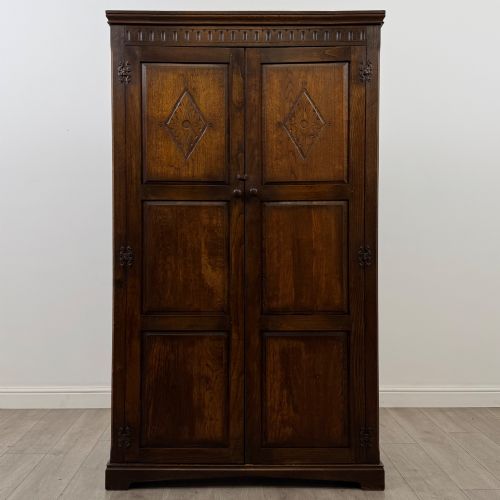
An antique double cupboard encompasses storage furniture built with two doors, appearing across forms such as wardrobes, linen presses, corner cupboards, and side cabinets. The search phrase covers pieces designed to house garments, linen, or household provisions in domestic settings.
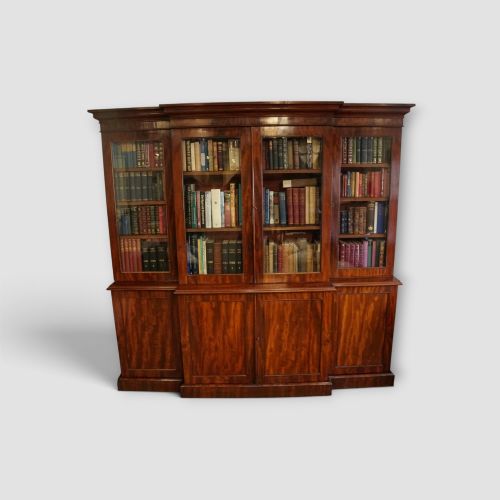
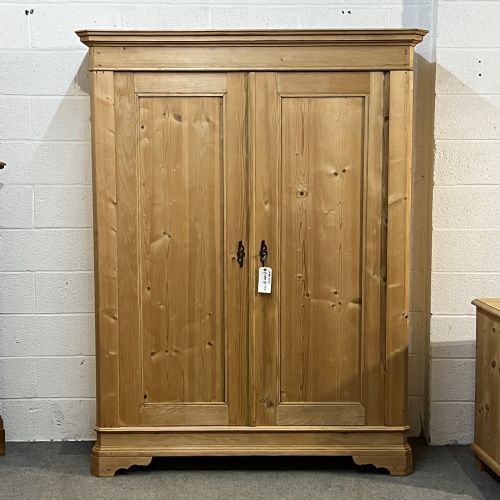
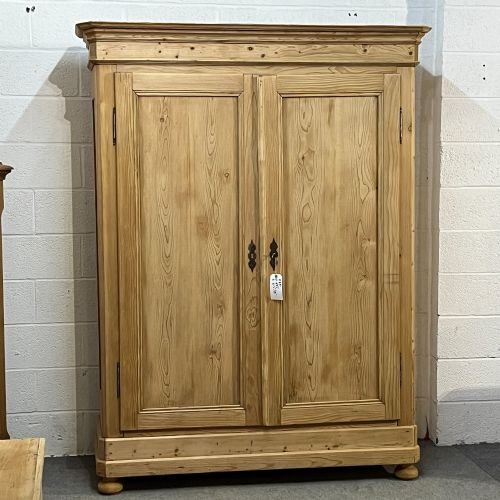
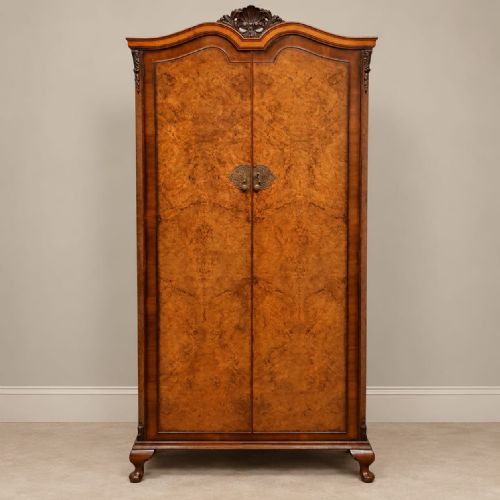
On this page, wardrobes and corner cupboards dominate the selection, spanning periods from the Georgian era through the Victorian period and into the 1920s. Buyers encounter freestanding pine pieces, polished mahogany designs, and burr walnut furniture originating from English workshops and French provincial makers.
The scale ranges from compact 19th-century bedroom cupboards to massive knockdown wardrobes and double-height corner cabinets. Each piece reflects the utility and stylistic preferences of its decade, from plain country pine to formal Regency and Edwardian revival styles.
How they were made
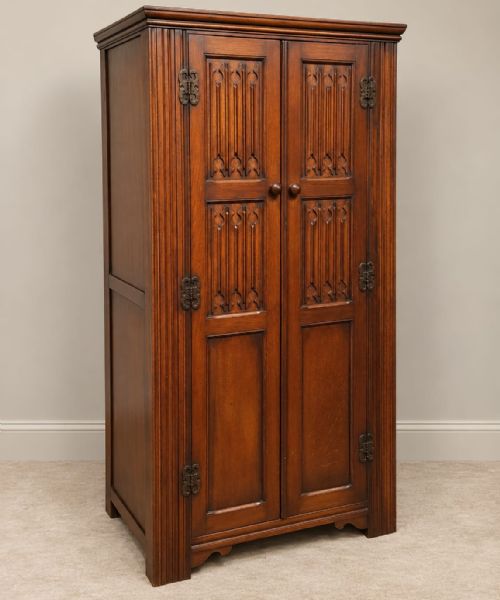
Cabinet makers constructed these cupboards using solid timbers like oak, mahogany, and pine, frequently applying flame mahogany veneer or burr walnut to prominent surfaces for visual depth. Structural stability relied on traditional joinery, while brass hardware secured doors and drawers.
Surface finishes vary from polished wood and scumble faux oak paintwork to painted blue or waxed pine. Knockdown construction methods allowed large wardrobes to dismantle into manageable sections for transport into homes.
One 19th-century pine wardrobe arrives with instructions to either wax it or paint it, leaving the domestic chore firmly in the buyer's hands.
What varies in quality
The grade of timber selection distinguishes standard utility pieces from high-end commissions, with figured veneers, plum pudding mahogany, and marquetry inlay marking superior work. The handling of secondary woods and the precision of panel construction reveal the workshop standard.
Proportion and architectural detailing set finer cabinets apart, particularly in cornices, door mouldings, and original brass fittings. Pieces retaining untouched surfaces or original paintwork hold greater integrity than heavily altered examples.
maples & co·Edwards and Roberts
The Antique Double Cupboard Glossary
- Linen press
- A tall cupboard featuring upper sliding trays or shelves behind double doors, placed above a chest of drawers. This form originated for storing household linen flat before modern wardrobe hanging space became standard.
- Compactum
- A fitted multi-section wardrobe combining hanging space, drawers, and shelving within a single double unit. These pieces maximise interior storage efficiency.
- Scumble paintwork
- A decorative paint technique applied to imitate the grain of more expensive timbers like oak. Artisans worked a translucent glaze over a base coat using combs or rags.
- Breakfront
- A cabinet design where the central section projects forward from the flanking wings. This architectural arrangement creates depth and shadow on larger bookcases and side cabinets.
- Chinoiserie
- European decorative style employing imitation Chinese motifs, often seen in lacquered or painted furniture. It gained popularity during revival periods for bedroom suites.
Antique Double Cupboard: Frequently Asked Questions
How do I fit a knockdown wardrobe?
Many 19th-century pine and mahogany wardrobes utilise knockdown construction, meaning panels slot together using integrated wooden pegs, bolts, or tongue-and-groove joints without permanent glue. This clever engineering allowed large furniture to travel up narrow staircases.
Assembling them typically requires two people to align the crown, sides, base, and double doors correctly. Checking that the frame squares up on a level floor ensures the doors swing true.
Can I use a corner cupboard in a modern room?
Double corner cupboards make exceptional use of neglected architectural angles, transforming dead space into practical storage or display areas. Tall floor-standing versions anchor empty corners in living rooms, dining spaces, or hallways.
Their substantial footprint provides deep shelving while projecting less into the main floor area than a flat cabinet. They work particularly well when matched to the existing wood tones in a room.
How do I care for antique pine and mahogany?
Waxed pine and polished mahogany benefit from regular dusting with a soft, dry cloth to prevent grit accumulation. Applying a quality beeswax feed periodically maintains the lustre of the timber without building up heavy silicone residues.
Keep wooden cupboards away from direct heat sources and dramatic humidity swings to prevent timber movement or veneer lifting. Sunlight can alter wood tones over time, so positioning away from direct south-facing windows preserves the finish.